- Category
- Latest news
Ukraine’s Drones Shut Down 13% of Russia’s Oil Refining, Fuel Prices Soar
 Prefer U24 Media on Google
- Authors


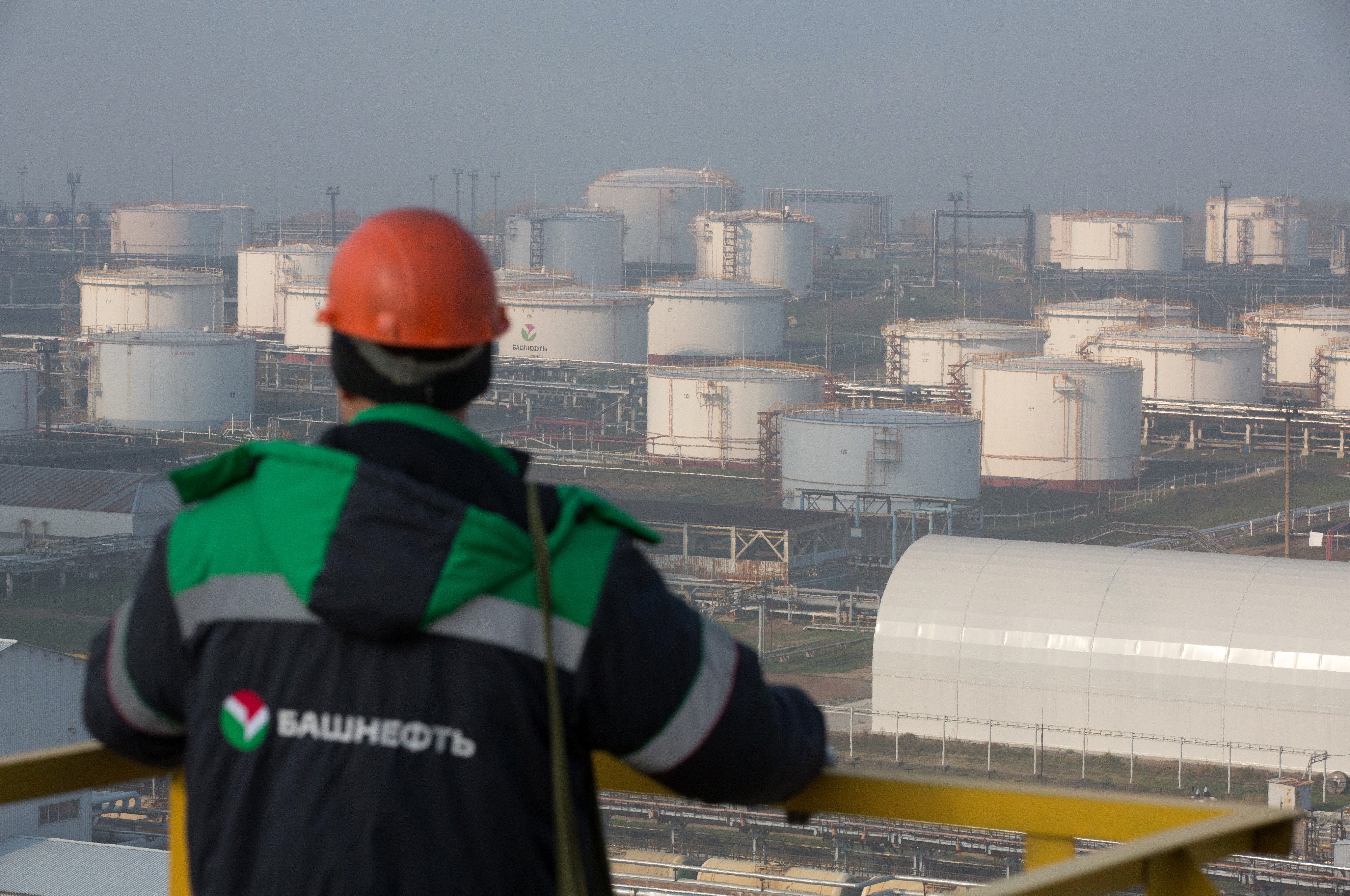
Russian oil refining capacity has fallen by more than 13 percent in August following a series of Ukrainian drone strikes on key facilities, leaving several major plants offline.
According to The Moscow Times on August 19, drone attacks forced at least four large refineries to halt operations in the past three weeks. On August 2, Rosneft’s Novokuibyshevsk refinery, with an annual capacity of 8.3 million tons, was shut down.
The Saratov refinery, capable of processing 5.8 million tons per year, suspended crude intake on August 11. Four days later, Lukoil’s Volgograd refinery—the largest in southern Russia with a capacity of 14.8 million tons—stopped operations, as did Rosneft’s Samara plant, with a capacity of 8.5 million tons.
In addition, half of the capacity at Rosneft’s Ryazan refinery, the company’s largest with a total capacity of 13.8 million tons, was taken offline earlier in August.

In total, 44.3 million tons of annual capacity have been disrupted, representing 13.5 percent of Russia’s total refining capability, estimated at 328 million tons per year by Vostok Capital.
Russia’s oil refineries processed 267 million tons of crude in 2023, the lowest level in 12 years, according to Reuters.
Repairs at the Ryazan and Novokuibyshevsk facilities are expected to take about a month, while the Samara plant will remain shut at least until the end of August. Industry sources note that sanctions have slowed down repair work due to restrictions on European equipment supplies.
As a result, Russia is again facing fuel shortages in 2025. Since the beginning of the year, wholesale gasoline prices have risen sharply, with the cost of AI-92 increasing by 40 percent and AI-95 by 50 percent, reaching record highs of 71,970 rubles and 81,337 rubles per ton respectively on August 19 trading.
Earlier, the Volgograd refinery was struck on August 14, forcing a suspension of operations, and residents reported new smoke on August 16. According to Reuters, the plant has been taken offline until at least mid-September after repeated drone attacks disabled three crude distillation units.
Discuss this article:



-c439b7bd9030ecf9d5a4287dc361ba31.jpg "Photo of Katherina Popilnichenko")