- Category
- Latest news
G7 Weighs Releasing 400 Million Barrels of Emergency Oil as Gulf War Sends Prices Soaring
 Prefer U24 Media on Google
- Authors

-72b63a4e0c8c475ad81fe3eed3f63729.jpeg "Photo of Cyril Barabaltchouk")
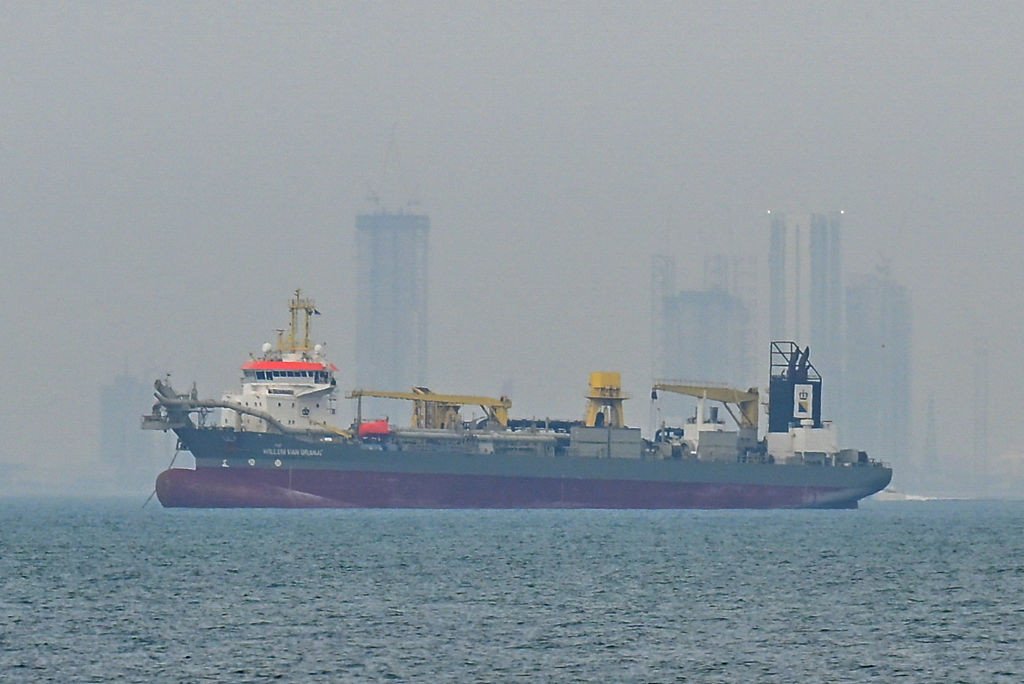
Finance ministers from the Group of Seven (G7) are set to discuss a coordinated release of emergency oil reserves as crude prices surge following the war in the Gulf, raising concerns about inflation and global economic stability, Financial Times (FT) reported on March 9.
The ministers will hold an emergency call with International Energy Agency (IEA) Executive Director Fatih Birol to assess the impact of the conflict and consider using strategic petroleum stockpiles to stabilize markets. The meeting is scheduled for March 9 morning in New York time, a senior G7 official told FT.
We bring you stories from the ground. Your support keeps our team in the field.
Several countries, including the US, have already expressed support for a coordinated release of oil from reserves, the sources told FT.
IEA member states collectively hold more than 1.2 billion barrels of strategic oil reserves as part of an emergency system designed to respond to supply shocks. Officials involved in the discussions said a potential release of 300 to 400 million barrels is being considered, equivalent to roughly a quarter of the total reserves.
The reserves were created after the 1973–1974 oil crisis and have been used only a handful of times, most recently in 2022 after Russia’s full-scale invasion of Ukraine triggered a sharp rise in energy prices.
In addition to government stockpiles, IEA countries also hold hundreds of millions of barrels in industry reserves that could be brought to market if needed.
Oil prices have risen sharply since the start of the war in the Middle East, increasing pressure on governments already facing economic uncertainty. Brent crude briefly surged more than 20 percent in Asian trading to above $116 per barrel before easing slightly after news of the G7 meeting. US benchmark West Texas Intermediate showed similar gains.
The rise in energy prices has triggered fears of a new inflation spike that could slow economic growth worldwide, particularly in major importers such as China, India, Japan, Germany, Italy, South Korea, and Spain, FT wrote.
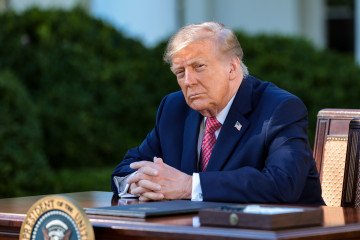
The situation has also put pressure on US President Donald Trump, who has pledged to reduce inflation and energy costs. Average gasoline prices in the US rose to about $3.45 per gallon over the past week, up sharply from under $3.
Trump dismissed concerns about the increase, saying higher prices were a temporary cost of confronting Iran. He wrote on social media that short-term price increases were “a very small price to pay” for security and stability.
The spike in oil prices has unsettled financial markets, with stock indexes across Asia falling and US futures pointing to further declines. Analysts warned that prolonged disruption to energy supplies could have wider consequences for global growth.
Energy officials in the Gulf have also warned about the risks. Qatar’s energy minister said the conflict could threaten global economic stability and disrupt oil production if fighting continues.
Analysts told FT that the rapid rise in prices has increased pressure on major consuming nations to act quickly. A coordinated release of strategic reserves is seen as one of the few tools available to governments to calm markets in the short term.
IEA members previously used the system during major crises, including the Gulf War, the aftermath of Hurricane Katrina, the Libyan civil war, and the oil shock following Russia’s invasion of Ukraine.
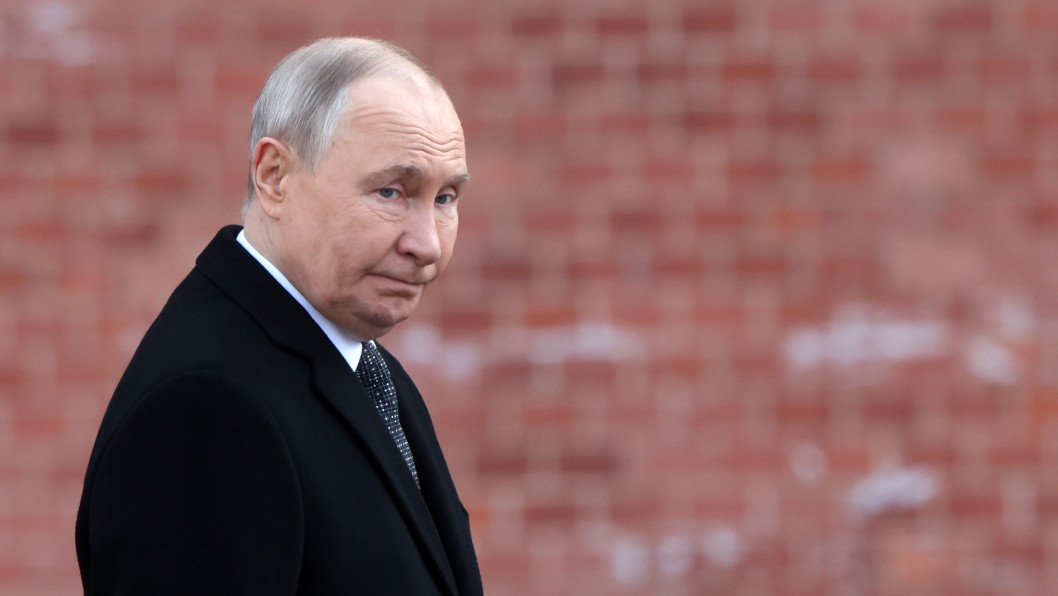
Driving global oil prices back down is critical not only for easing Western inflation but also for maintaining extreme economic pressure on Moscow. Prior to the Gulf conflict spiking crude prices, Russia’s energy revenues were in freefall.
The Russian Finance Ministry had previously admitted that its “golden age” of oil profits had ended, projecting energy revenues to fall to just 23% of the federal budget. A coordinated G7 release of strategic reserves would help push prices back down, preventing the Kremlin from capitalizing on the Middle East crisis to fund its war in Ukraine.
Discuss this article:
-4a56a6b482ec132402c16ef6fcabf9a2.png)

-c439b7bd9030ecf9d5a4287dc361ba31.jpg "Photo of Katherina Popilnichenko")