- Category
- War in Ukraine
Fuel Panic in Russia as Ukrainian Drones Devastate Oil Refineries
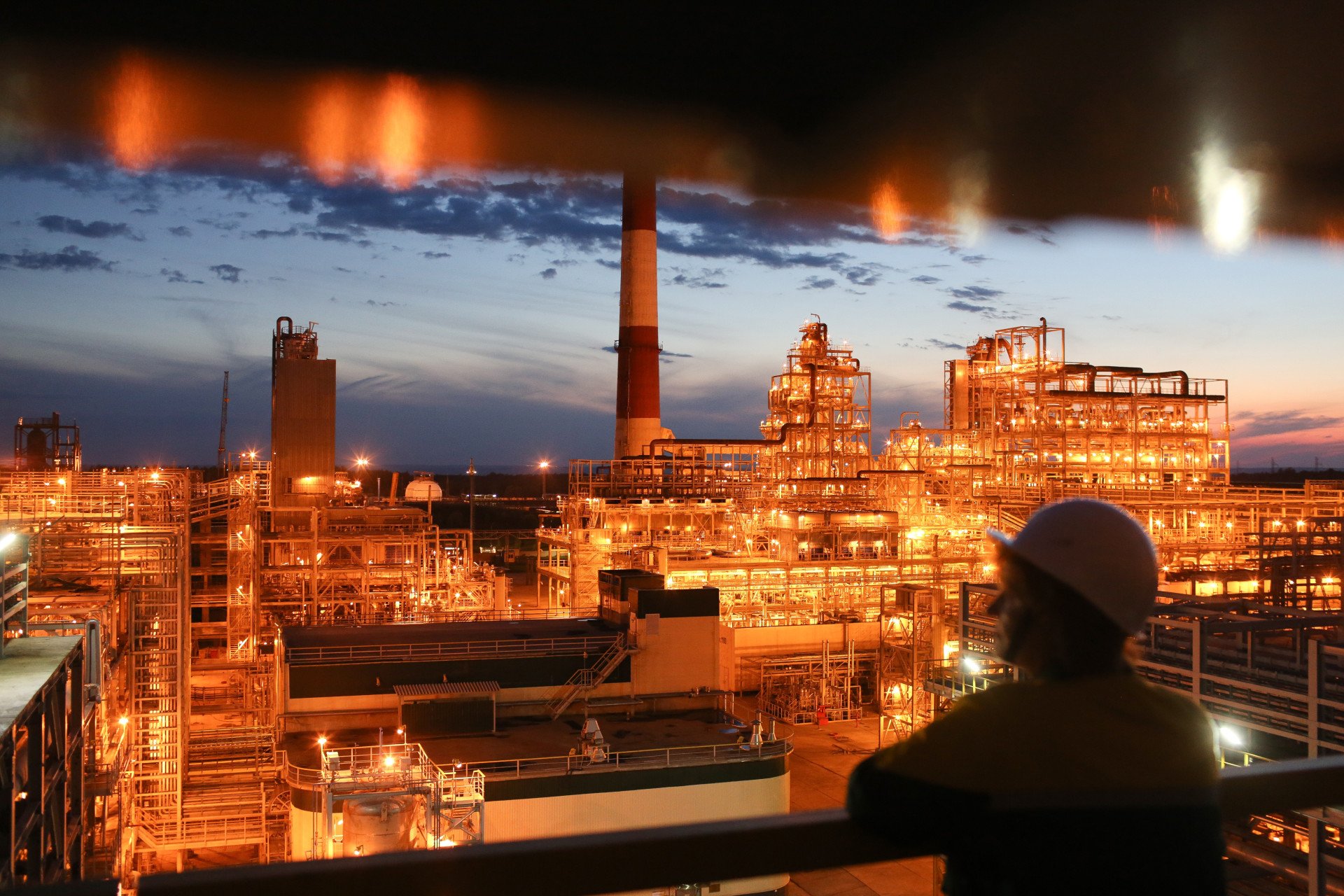
Unlike Moscow, Ukraine is hitting military targets deep inside Russia with precision strikes—rail hubs, defense plants, and refineries. The result: crippled oil capacity and prices hit record highs across the country.
 Prefer U24 Media on Google
- Authors

-29a1a43aba23f9bb779a1ac8b98d2121.jpeg "Photo of Illia Kabachynskyi")
Accurate Ukrainian strikes in recent weeks have significantly cut the country’s refining capacity. The market price for a ton of AI-95 gasoline in Russia has reached an all-time high of 77,000 rubles (just under $1,000).
Russia’s government’s official explanation is the upcoming harvest season, which is said to be pushing up demand for fuel for agricultural machinery. However, that reasoning doesn’t quite align with the daily reality for many Russians: retail fuel prices have been steadily climbing—by about 0.4%—over the past two months.
The situation has escalated to the point where, as of August 1, the Russian government banned gasoline exports to non-CIS countries . A broader ban, including exports to friendly Eurasian Union countries, is likely next.
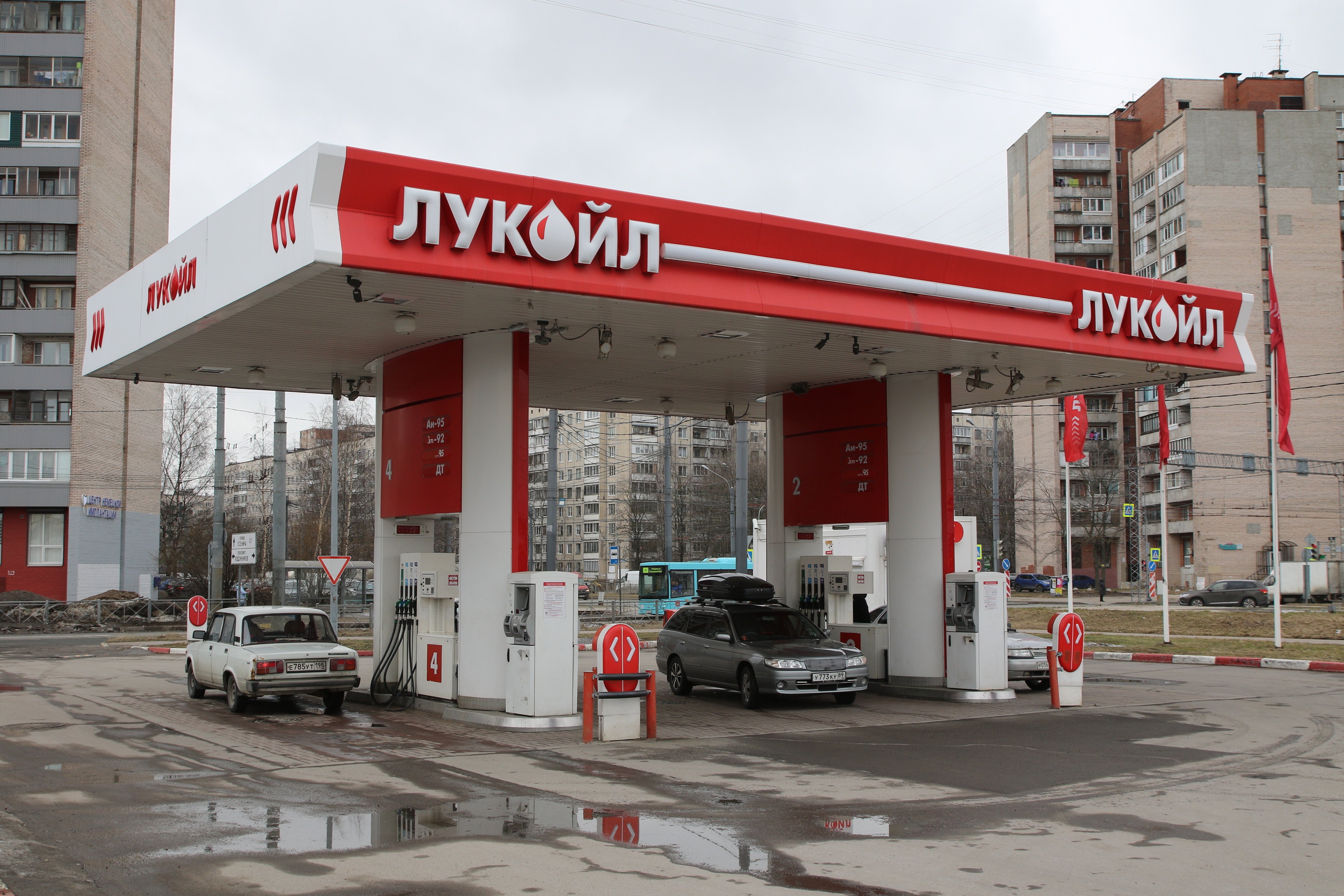
Meanwhile, Russian regulators have launched a “witch hunt” across the country, inspecting gas stations and oil companies to investigate whether the price hikes are the result of collusion. Major fuel companies may also soon be required to sell at least 17% of their production on the domestic market, up from the previous 15%. This would force businesses to divert more product away from foreign buyers, sacrificing profit margins.
The Russian government insists that “unfair price inflation” may be a factor in rising costs. But the real reasons lie elsewhere.
Ukraine strikes Russian refineries
Russian oil refineries have become regular targets for Ukrainian drones. There are two main reasons behind these strikes:
Refineries supply fuel for Russian tanks, infantry fighting vehicles, self-propelled artillery, and military transport.
Russia exports refined oil products and earns foreign currency, which it uses to fund its war against Ukraine. This year alone, the official Russian budget allocates over $142 billion to the war effort.
🚨 Russia’s largest refinery in Ryazan halts operations after drone attacks, Reuters reports.
— UNITED24 Media (@United24media) January 27, 2025
Ryazan processes ~5% of Russia’s oil. pic.twitter.com/e3KhubaUu0
Ukrainian drones hit several Russian refineries in early August 2025, disabling facilities with a combined refining capacity of 40,000 tons of oil products per day. The most significant strikes included:
Ryazan Refinery: Two units were destroyed, each with a capacity of 8,600 and 11,400 tons per day.
Novokuibyshevsk Refinery: One unit was damaged, with a capacity of 18,900 tons per day.
Repairs could take up to six months. The prolonged downtime is due to drones striking not just the refineries in general, but one of their most vital parts: the primary oil refining units. These are costly and time-consuming to repair, especially under sanctions that limit the availability of necessary components and expertise.
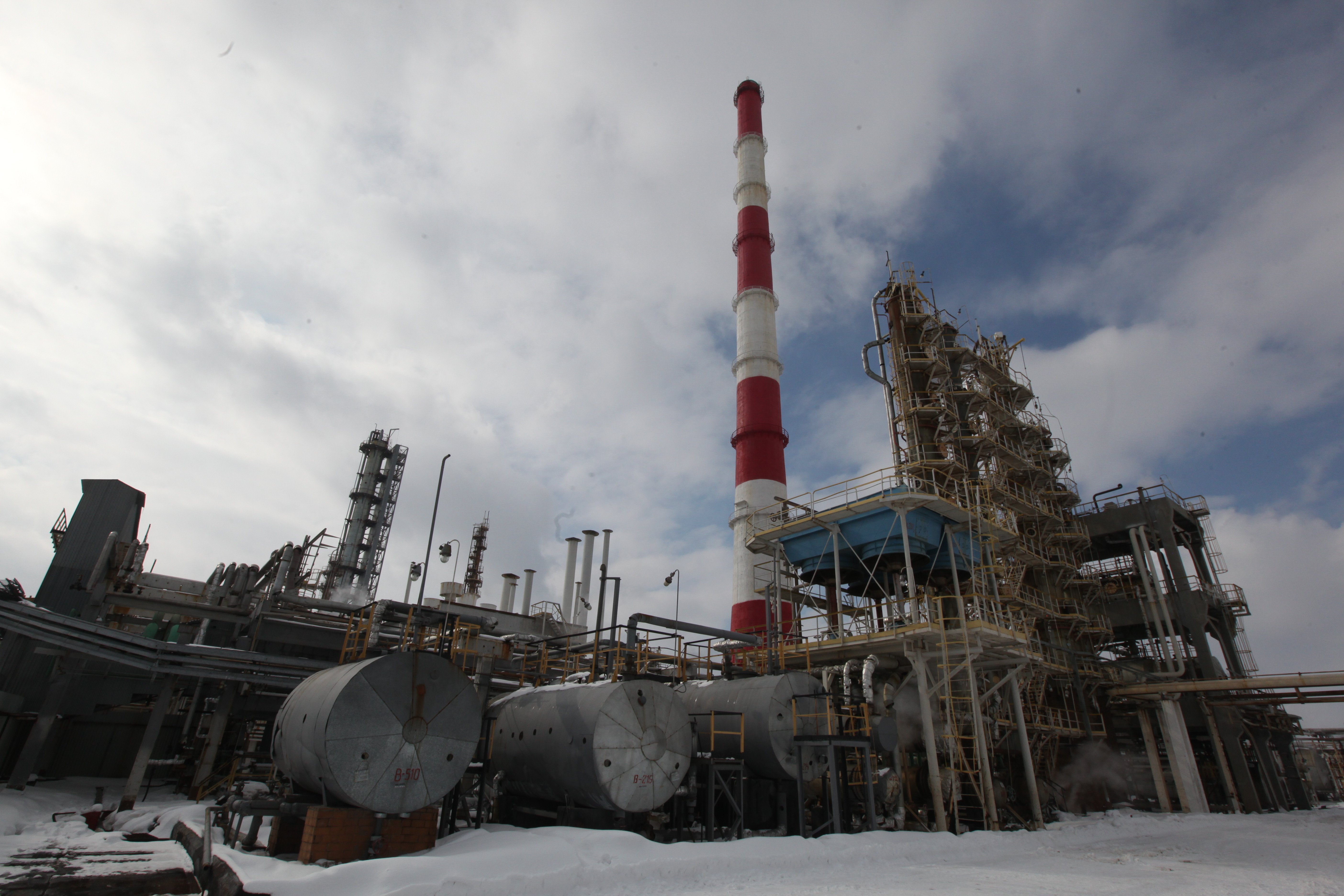
Another complicating factor is that Russia traditionally performs scheduled maintenance at all major refineries during the warmer months, as the domestic market and export capacity usually remain stable. But now, the country finds itself trapped by the very war it started. Refineries need urgent repairs, yet shortages prevent timely maintenance, raising the risk of further breakdowns.
Typical weekly fuel exports range between 40,000 and 50,000 tons, according to Russian analysts. With current constraints, companies will likely have to scale back exports and shift focus to the domestic market under government orders, as soaring fuel prices could trigger public discontent.
Rail infrastructure also under fire
In addition to refineries, Ukraine has been actively targeting Russia’s rail infrastructure in recent weeks. The rationale is logistics: the Russian military relies on railroads to supply fuel to the front lines.
Destroying key rail junctions and tracks slows down delivery and hampers offensive operations. This is particularly critical for fuel shipments from distant refineries—overland trucking simply isn’t viable over such long distances.
Discuss this article:
-87c2fcc9eb515511a4049f71f4c02252.jpg "Geran-5 K5-K variant of the Russian drone.")



-c439b7bd9030ecf9d5a4287dc361ba31.jpg "Photo of Katherina Popilnichenko")