- Category
- Latest news
Ukrainian Drone Strike Disrupts Two Russia’s Largest Oil Refineries in Deep Behind-Lines Attack
 Prefer U24 Media on Google
- Authors


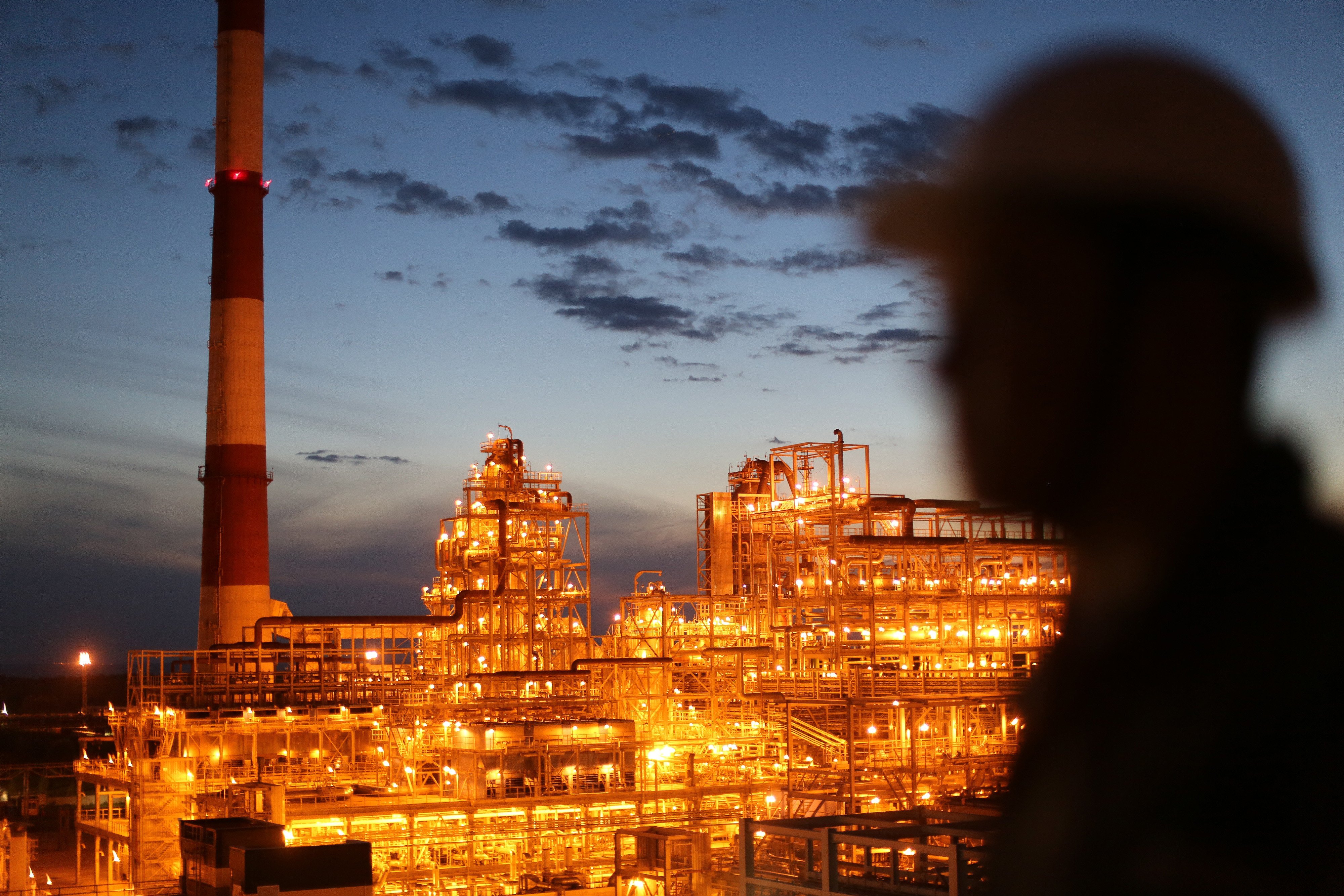
A Ukrainian drone strike on August 2 has severely disrupted operations at two of Russia’s largest oil refineries, dealing a significant blow to the country’s energy infrastructure, according to Reuters on August 4.
The attack targeted facilities owned by the Russian state oil giant Rosneft. The Ryazan Oil Refining Company—Rosneft’s largest refinery—was forced to halt around 50% of its operations, while the Novokuibyshevsk refinery, a key processing plant in the Samara group, shut down completely.
The Ryazan refinery, located southeast of Moscow, has a processing capacity of 13.7 million tons of oil per year and ranks among the five largest in Russia. It plays a vital role in supplying fuel to the Moscow region. In 2024, it refined 13.1 million tons of oil, accounting for 4.9% of Russia’s total output.
According to Reuters sources, the drone strike disabled two primary crude distillation units at Ryazan—KDU-3 (8,600 metric tons per day) and KDU-4 (11,400 metric tons per day). The plant is currently operating only the KDU-6 unit, which has a daily capacity of 23,200 tons, representing roughly 48% of total processing capacity.
Meanwhile, the Novokuibyshevsk refinery, with an annual capacity of 8.3 million tons, was entirely knocked offline. The main crude distillation unit, KDU-11, with a capacity of 18,900 tons per day, was damaged in the strike. The plant’s secondary unit, KDU-9 (4,700 tons per day), was already offline for scheduled maintenance and is not expected to restart before September.

Sources cited by Russian media, The Moscow Times, indicated that it is difficult to predict how long repairs will take or when full processing capacity will be restored. In the case of the Ryazan plant, a best-case estimate would be “one or several weeks,” but prolonged downtime is possible.
Rosneft has not yet issued an official comment on the attack or the status of repairs.
In 2024, the Ryazan refinery produced 2.3 million tons of gasoline, 3.4 million tons of diesel, 4.2 million tons of fuel oil, and 1 million tons of jet fuel.
The Novokuibyshevsk facility processed 5.74 million tons of oil, producing 1.1 million tons of gasoline, 1.64 million tons of diesel, and 1.27 million tons of fuel oil.
Earlier, a drone strike targeted the Shchekinoazot chemical complex in the Tula region of Russia. At least four drones hit the facility, igniting a fire in one of the rectification columns. The resulting explosion caused depressurization, allowing the flames to spread rapidly.
Discuss this article:



-c439b7bd9030ecf9d5a4287dc361ba31.jpg "Photo of Katherina Popilnichenko")