- Category
- Latest news
Russia’s Oil Export Slump Raises Doubts Over Long-Term Production Capacity, Bloomberg Reports
 Prefer U24 Media on Google
- Authors


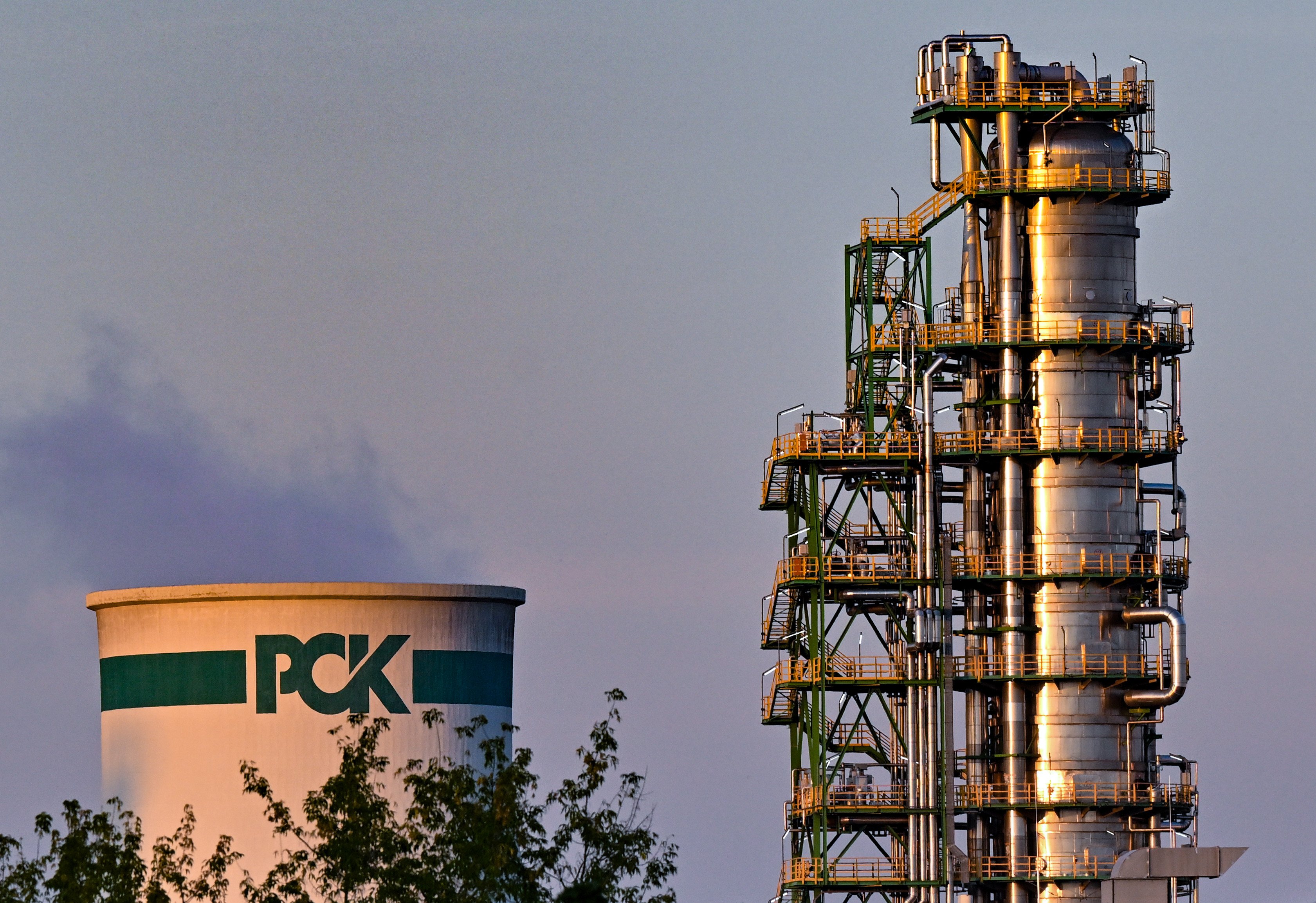
Russia’s crude oil and petroleum product exports have fallen to their lowest seasonal levels in five years, raising serious doubts about the country’s ability to sustain oil production, according to Bloomberg on July 11, citing the International Energy Agency`s (IEA) latest report.
“Volumes of both crude and products remained at exceptionally weak levels in June, at a five-year seasonal low,” the Paris-based agency said, adding that flows have been deteriorating throughout most of 2024 and 2025.
The IEA added that the situation raises questions about Russia’s ability to sustain its upstream production capacity.
Russia’s crude oil loadings held steady in June, averaging 4.68 million barrels per day, while exports of refined products dropped by 110,000 barrels to 2.55 million barrels per day, according to the International Energy Agency.

As one of the world’s top three oil producers, Russia continues to obscure key data on its production and exports — a policy introduced after its full-scale invasion of Ukraine. This lack of transparency complicates independent evaluations of the country's upstream oil sector. Analysts now rely heavily on IEA reports, ship-tracking data, refinery throughput estimates, and OPEC+ quota assessments to gauge the performance of Russia’s energy industry.
Bloomberg’s ship-tracking figures also point to a significant dip in seaborne crude exports, which hit their lowest level since February. Yet despite seasonal maintenance, refinery operations in Russia remained strong last month, diverting more crude toward domestic use and further tightening marine export flows.
Refined product exports slipped to their lowest level in eight months. Analysts attribute the drop to government directives encouraging producers to prioritize domestic supply—particularly ahead of peak demand from the agricultural sector.
At the same time, Russia has been slowly ramping up production under the OPEC+ framework, even as it tries to offset previous overproduction. While the broader alliance is gradually returning withheld volumes to the market, Russia’s pace has been more cautious.
According to IEA estimates, Russia’s crude production (excluding condensates) stood at 9.19 million barrels per day in June—140,000 barrels above its monthly OPEC+ target. The agency maintains that Russia’s sustainable production capacity remains at 9.8 million barrels per day, a level it believes Moscow can reach and maintain within 90 days if needed.
Despite shrinking export volumes, Moscow's oil revenues rose by more than $800 million last month, reaching $13.6 billion—a 6.4% increase from May. The jump was driven by rising global oil prices amid heightened geopolitical tensions in the Middle East.
Earlier, the vessel, named Vilamoura, carrying 1 million barrels of crude exploded near the Libyan coast.
According to the latest reports, tanker had previously visited Russian ports such as Ust-Luga and the Caspian Pipeline Consortium terminal near Novorossiysk to load Kazakh oil.
Discuss this article:



-c439b7bd9030ecf9d5a4287dc361ba31.jpg "Photo of Katherina Popilnichenko")