- Category
- World
Hungary’s New Leader Diverts Ex-Ministers’ Severance Pay to Ukrainian Orphanage
 Prefer U24 Media on Google
- Authors

-c439b7bd9030ecf9d5a4287dc361ba31.jpg "Photo of Katherina Popilnichenko")
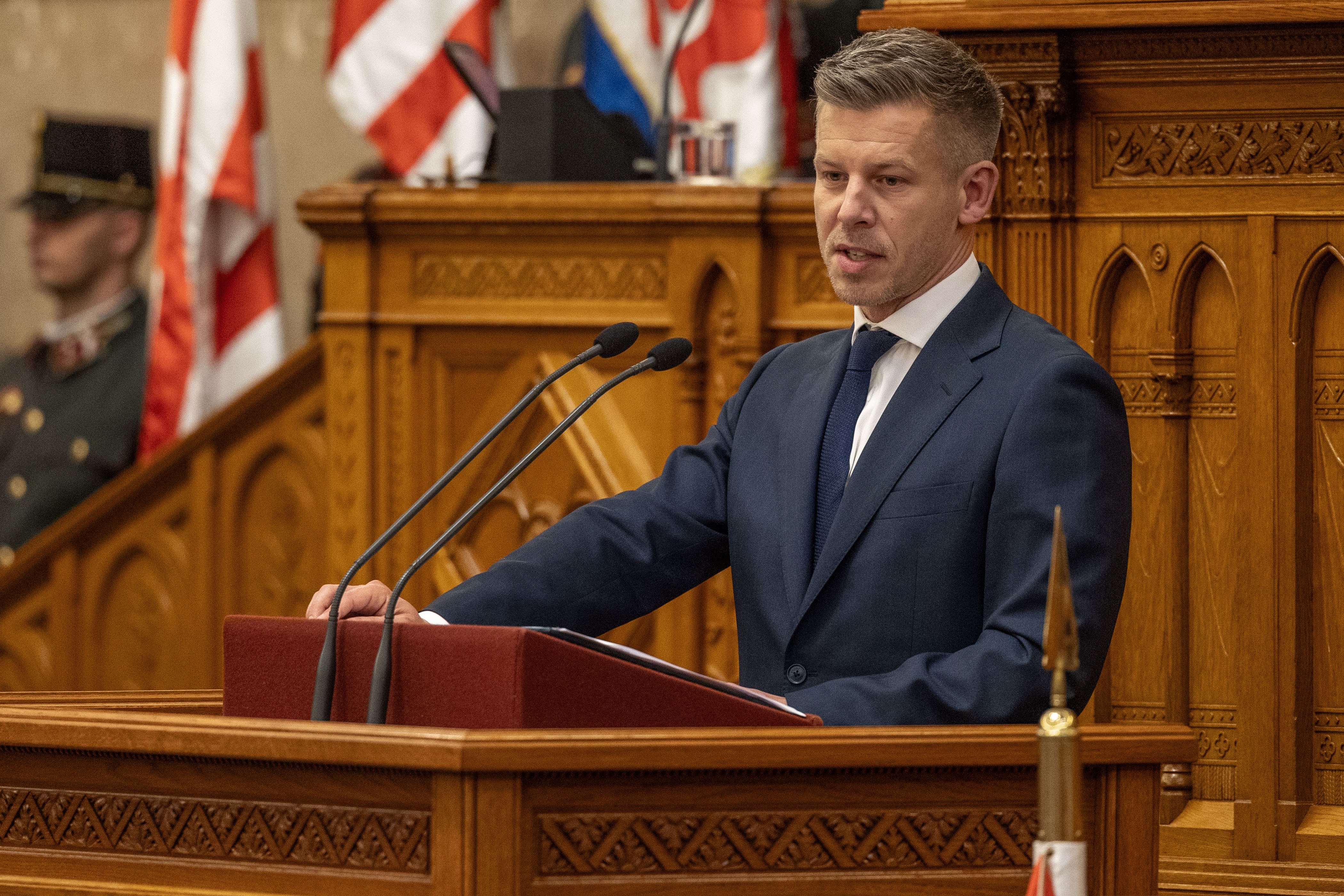
Hungary’s new government will redirect the severance packages of Viktor Orbán's former cabinet members to an orphanage in Ukraine. Prime Minister Péter Magyar announced that the total compensation fund, which reaches nearly 1 billion forints ($3.22 million), will be transferred to the charity facility following the official handover of power.
The funding consists of 350 million forints ($1.13 million) allocated for former ministers, combined with additional payouts designated for their deputies, according to TVP on May 15.
We bring you stories from the ground. Your support keeps our team in the field.
Under Hungarian law, outgoing ministers and deputy ministers are entitled to financial compensation proportional to their time in office. Magyar confirmed that the previous cabinet agreed to the transfer, though he sharply criticized former Prime Minister Viktor Orbán and the Fidesz party for their financial management.
The new Prime Minister highlighted a surge in state debt to nearly 75% of GDP and an inflation rate of 26%, alleging that domestic oligarchs accumulated tens of billions of forints through state contracts.
“I call on the ministers who ruined our country and ran it into debt not to even think about taking this money. Given the state in which they left the country, it is the least they can do — not to take tens of millions of forints in severance pay,” Magyar stated.
The state funds are designated for an orphanage located in a Ukrainian village with a predominantly ethnic Hungarian population. Alongside the reallocation of these funds, the new administration announced it will initiate an investigation into the activities and decisions of the previous government.
Former Prime Minister Viktor Orbán did not attend the official transition ceremony and is not among the former officials who agreed to forfeit their severance packages. Due to his former legislative status, Orbán is legally entitled to a three-month parliamentary salary of 6.37 million forints ($20,500) and a six-month prime ministerial salary totaling 32.4 million forints ($104,300).
The current legal framework also grants him a dedicated vehicle with a driver for the next 16 years, as well as an office space with two staff members for an eight-year period.
Magyar, who has not engaged in direct communication with Orbán since the elections, stated that he would block the former leader from accessing these privileges.
On April 28, incoming Hungarian Prime Minister Péter Magyar proposed a meeting with Ukrainian President Volodymyr Zelenskyy in early June to discuss bilateral relations and the status of the Hungarian minority in Transcarpathia. Following talks in Budapest with Zoltán Babják, the mayor of the western Ukrainian city of Berehove, Magyar emphasized the importance of establishing cooperation on new foundations and suggested holding the prospective summit symbolically in Berehove.

While noting that Kyiv's 2025 educational concessions for minorities were forward-looking, the Prime Minister-elect stated that resolving linguistic, cultural, and administrative rights would open a new chapter in bilateral relations and help ensure the return of Transcarpathian Hungarians after the war.
The Transcarpathian region of Ukraine is home to a significant ethnic Hungarian minority, which officially numbered over 150,000 people according to census data, alongside border towns like Berehove, which has a population of around 25,000 and a distinct Hungarian majority.
These border settlements and their population figures frequently served as a primary focus for political maneuvering under former Prime Minister Viktor Orbán. The previous administration routinely leveraged the region's linguistic and cultural friction with Kyiv to justify blocking international aid and stalling Ukraine's integration into the European Union.
Following his landslide election victory, incoming Prime Minister Péter Magyar moved rapidly to dismantle Viktor Orbán’s state control by targeting state media and demanding the resignation of the president.
During a tense state radio interview, Magyar criticized the broadcaster for spreading fear and vowed to relaunch it as a genuine public service. He then met with President Tamás Sulyok to demand his resignation, accusing him of acting as a “signature machine” for the previous administration.
Discuss this article: