- Category
- War in Ukraine
Russian Battlefield Momentum Slows as Ukrainian Drones Target Logistics
 Prefer U24 Media on Google
- Authors

-c439b7bd9030ecf9d5a4287dc361ba31.jpg "Photo of Katherina Popilnichenko")
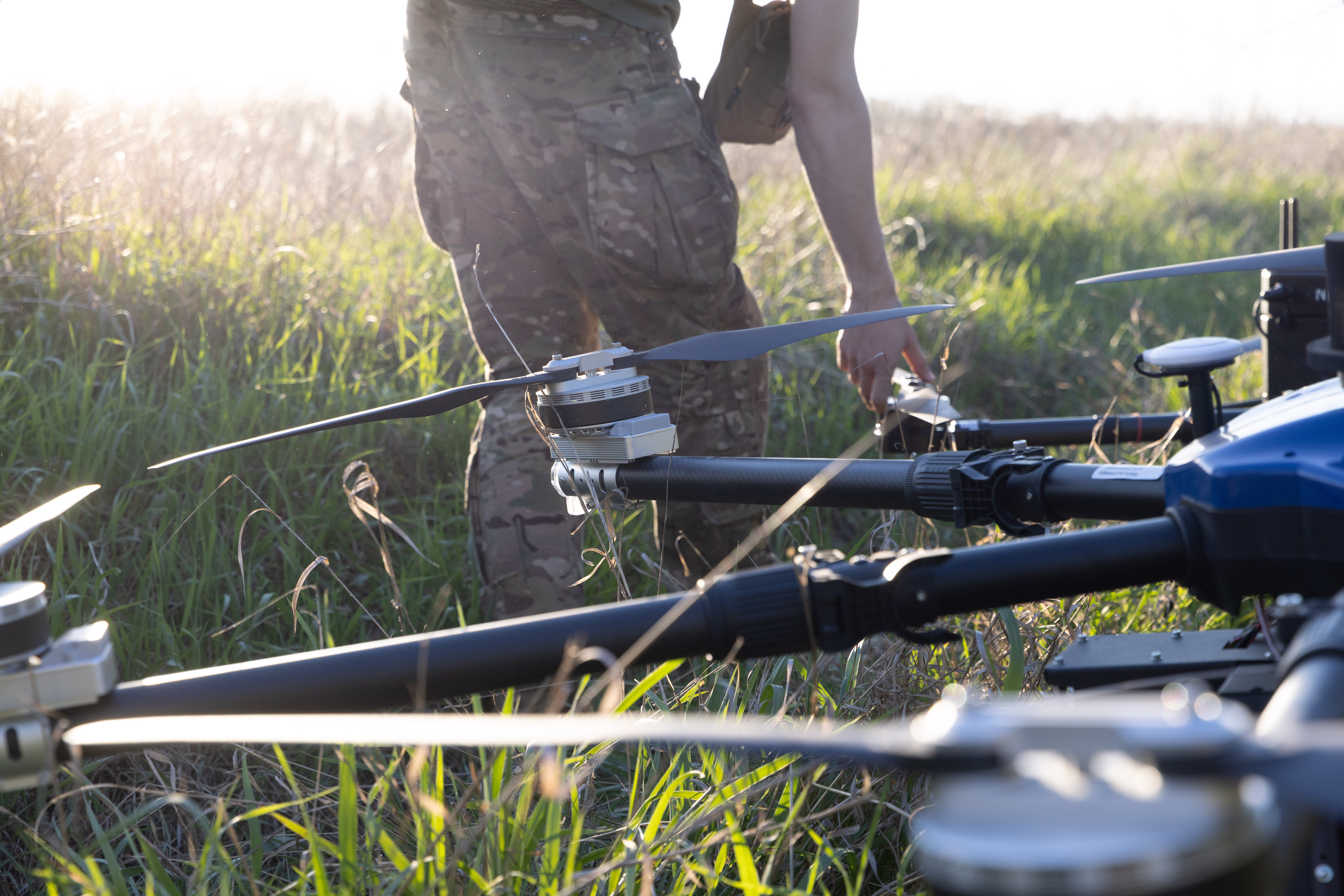
The momentum on the Ukrainian front lines is showing signs of a significant shift after more than four years of fighting.
As detailed in a CNN report from May 14, front-line personnel observe that the high tempo of Russia's full-scale invasion of Ukraine is resulting in widespread exhaustion among Moscow's troops.
We bring you stories from the ground. Your support keeps our team in the field.
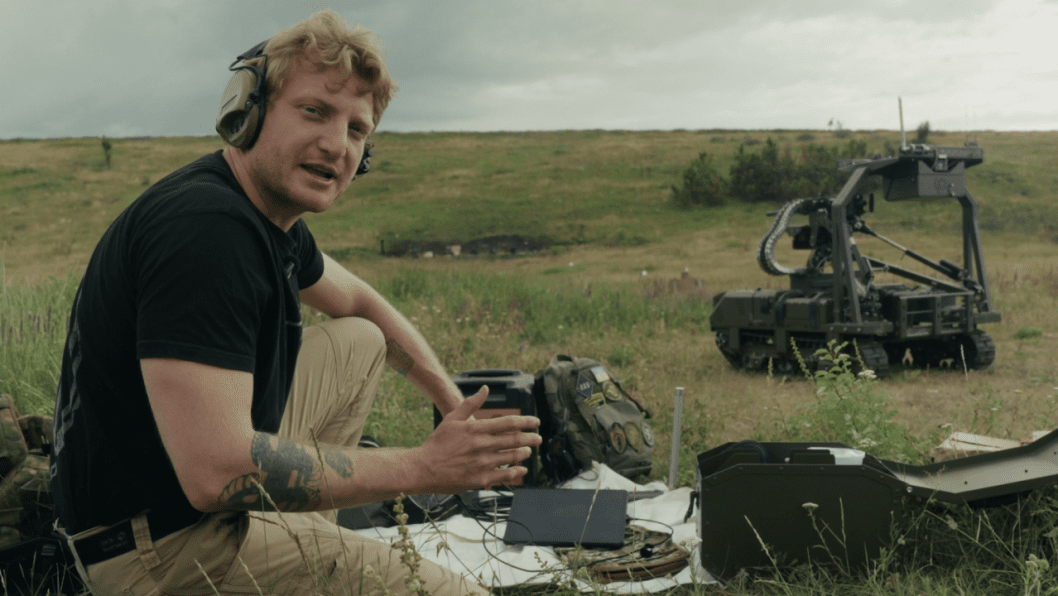
Kyrylo Bondarenko, an officer in a Ukrainian unmanned aerial systems unit currently stationed near Zaporizhzhia, noted that this fatigue is visibly affecting the morale of the opposing forces.
“We have managed to turn the tide,” Bondarenko stated.
Recent data supports this observation. For the first time since the summer of 2024, Ukraine liberated more territory in a single month than Russia managed to seize. While Russia still occupies nearly 20% of Ukrainian land, analysts from the Institute for the Study of War suggest that Kyiv currently holds the upper hand. This shift challenges the narrative from Moscow that a Russian victory is inevitable.
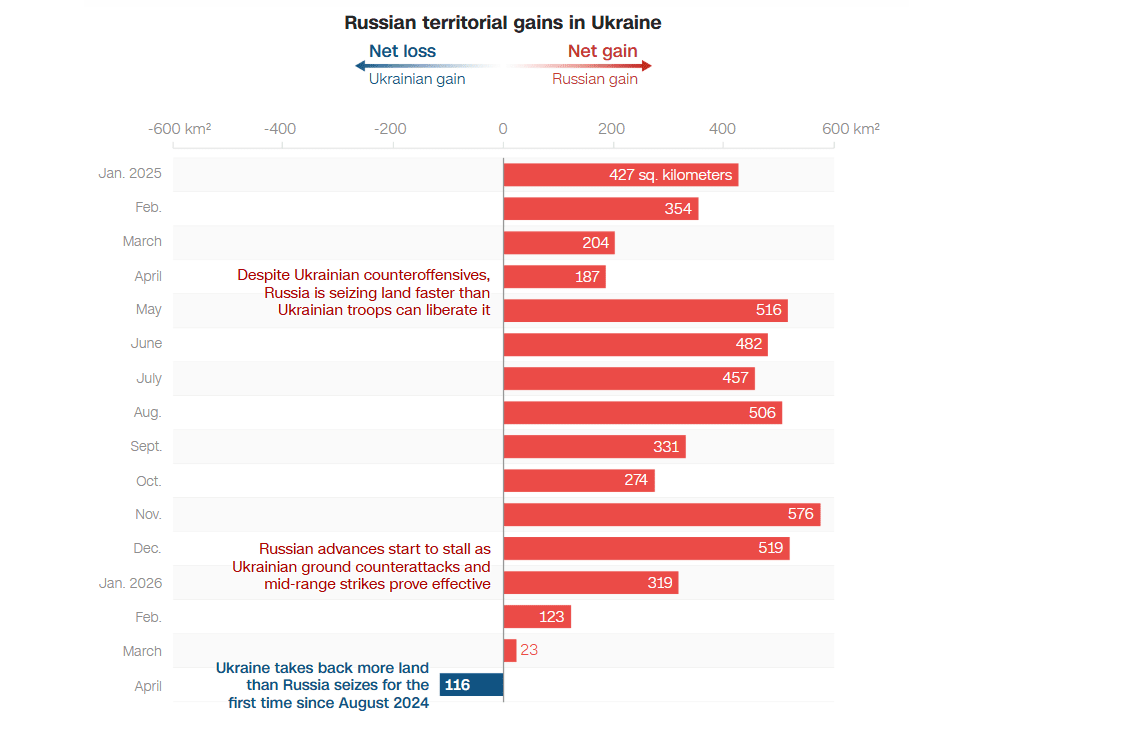
Christina Harward, a deputy team lead at the Institute for the Study of War, explained that the Russian strategy relies on convincing the West that supporting Ukraine is futile. She noted that these recent developments are "poking holes in that entire narrative." Ukrainian Defense Minister Mykhailo Fedorov described the recent months as record-breaking for Ukrainian successes, reporting that approximately 35,000 Russian soldiers were eliminated in both March and April.
The shift in the war is largely attributed to Ukraine’s effective use of drone technology. While short-range and long-range strikes have been a staple of the defense, Ukraine has recently increased its focus on mid-range strikes. These operations specifically target Russian logistics, including supply depots and command posts. President Volodymyr Zelenskyy has emphasized that disrupting Russian military logistics is a top priority for the country.
On the ground, these strikes are creating visible results. A senior officer in the Security Service of Ukraine, known by the call sign Bankir, reported that Ukraine has regained partial control of areas in the Zaporizhzhia region that were previously lost.
He credited the coordination between infantry and constant drone operations for holding the line. The high density of drones has made it difficult for either side to move openly, which disproportionately affects Russian forces attempting to push forward.
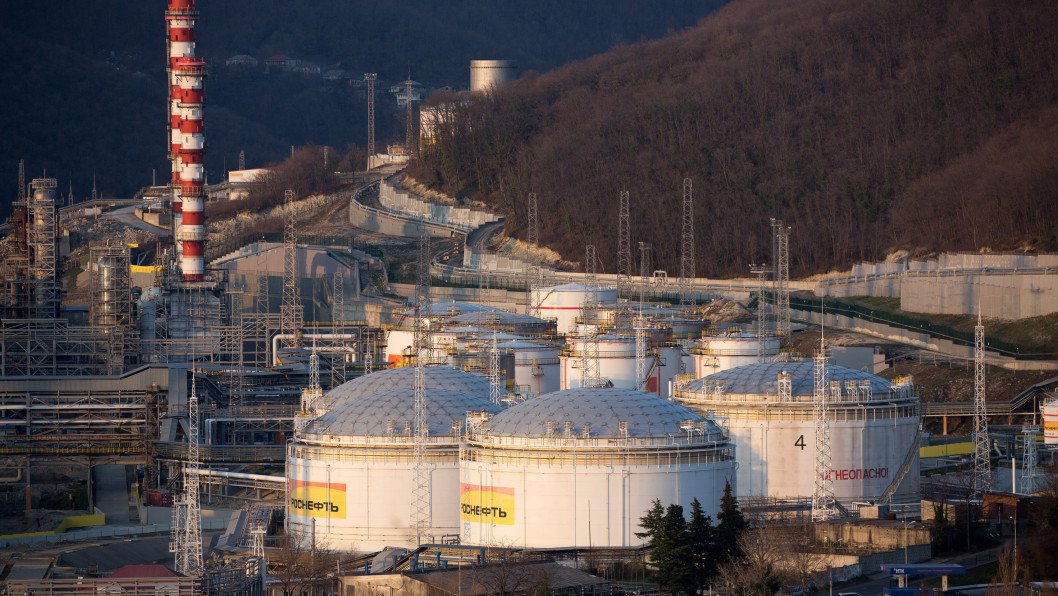
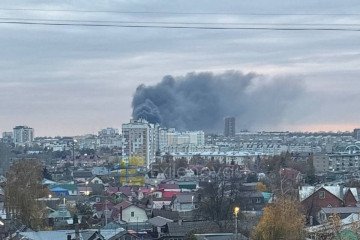
Even in areas like Pokrovsk, which Russia captured in December, the invasion has stalled. Beyond the front lines, Ukraine has also targeted oil and gas infrastructure deep inside Russian territory. These strikes aim to limit the financial benefits Russia receives from global oil prices while bringing the reality of Russia’s full-scale invasion of Ukraine closer to the Russian public.
Despite these tactical wins, the human cost remains high. United Nations data shows that civilian casualties in Ukraine have reached their highest levels since the start of the invasion. Russian missile and drone attacks continue to target energy facilities and residential areas across the country.
A drone operator named Dmitro described the situation as "an endless war mess," noting that while morale improves with tactical wins, there is constant concern for those back home.
Estimates regarding military losses continue to climb. Reports from Russian outlets Mediazona and Meduza suggest that as many as 352,000 Russians have been killed since the start of Russia’s full-scale invasion of Ukraine. Ukrainian fatalities are estimated to be between 100,000 and 150,000.
As spring continues, Ukrainian forces remain cautious, as increased foliage may provide cover for Russian movements. For now, the data indicates that Russia’s previous streak of territorial gains has reached a standstill.
Ukrainian forces reportedly targeted and destroyed 134 Russian air defense systems since the beginning of 2026. According to Robert Brovdi, the commander of Ukraine’s Unmanned Systems Forces, the Russian military increasingly relied on antiquated Soviet equipment from the 1960s to fill gaps in its defense.
Brovdi noted that these shortages allowed Ukrainian drones to strike deeper into occupied territories and Russian rear-area infrastructure more effectively.
Discuss this article: