- Category
- World
Pentagon Officially Cancels Deployment of 4,000 Troops to Poland
 Prefer U24 Media on Google
- Authors

-c439b7bd9030ecf9d5a4287dc361ba31.jpg "Photo of Katherina Popilnichenko")
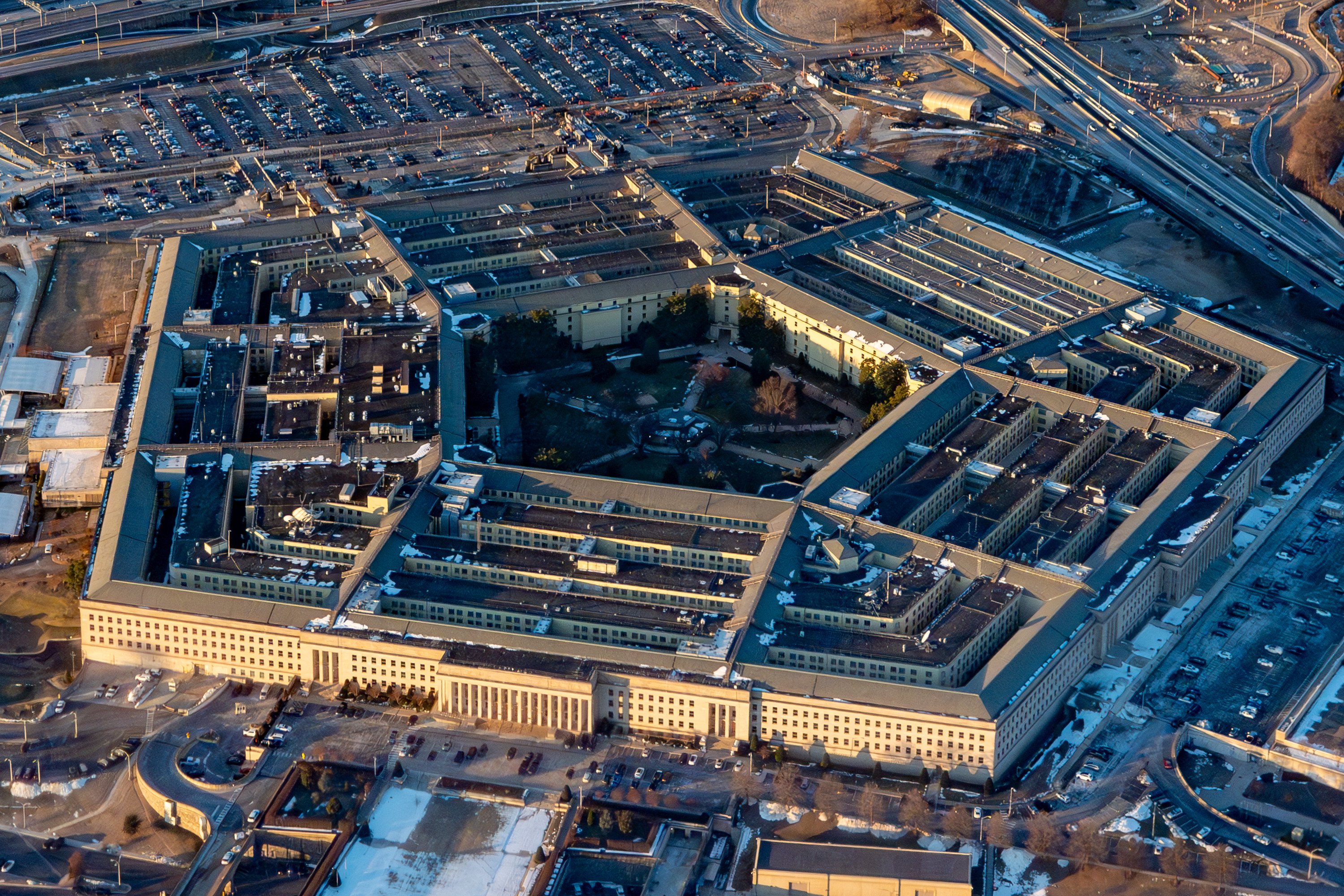
American defense leaders have officially called off the scheduled dispatch of 4,000 service members to Poland.
During a congressional hearing on May 15, General Christopher LaNeve, the US Army Chief of Staff, stated that the head of the US European Command "received instructions regarding a reduction in troop numbers," according to AFP on May 15.
We bring you stories from the ground. Your support keeps our team in the field.
General LaNeve explained that after consulting on which specific unit would be affected, the decision was made not to send the 2nd Armored Brigade Combat Team to Poland.
Although some parts of the brigade had already departed from the US and their equipment was already in transit, officials determined that not deploying the unit was the most practical choice. Secretary of the Army Dan Driscoll noted that the cancellation occurred several days ago.
This decision follows a recent announcement by the Pentagon regarding the withdrawal of 5,000 troops from Germany. Pentagon spokesperson Sean Parnell indicated that this withdrawal is expected to be completed within the next six to twelve months.
Polish Defense Minister Władysław Kosiniak-Kamysz suggested that the change in Poland might be linked to the movements in Germany.
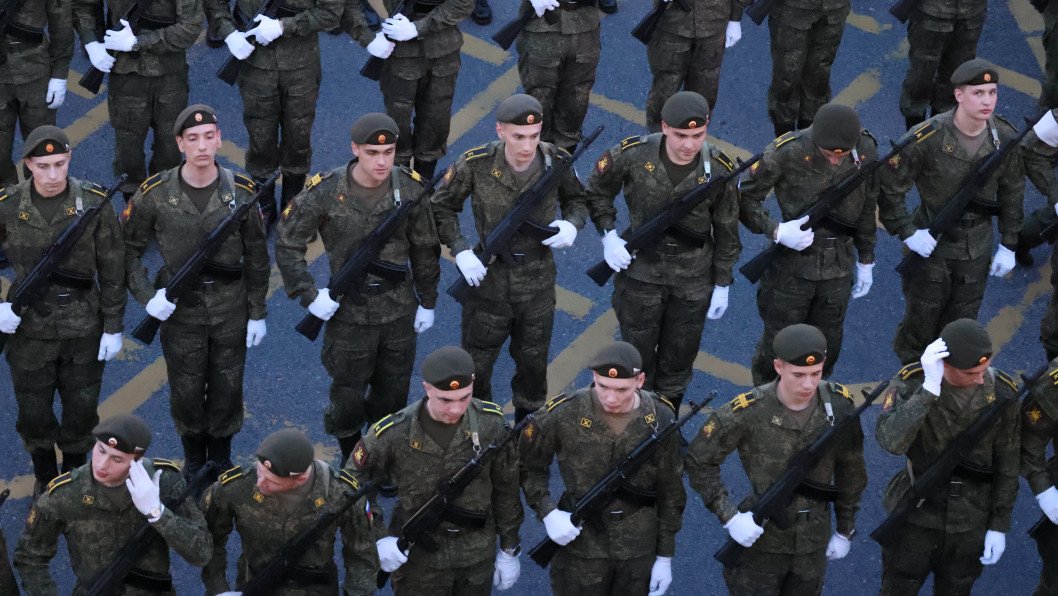
A NATO representative stated that the alliance is aware of the US efforts to adjust its military position in Europe. They noted that focusing on rotational forces will not impact NATO's plans for deterrence and defense. The representative also highlighted the increased presence of Canadian and German forces on the eastern flank as a factor in the overall strengthening of the alliance.
Previously, Polish President Karol Nawrocki stated that Russia’s war against Ukraine represented a direct challenge to the entire Euro-Atlantic security order, warning that Moscow’s revisionist policies were reshaping the security landscape in Europe.
Speaking at the opening of the Bucharest Nine summit , Nawrocki emphasized that the format had been created amid early warnings about Russia’s long-term strategic intentions, adding that imperial thinking had returned to Europe and that deterrence could not exist only on paper.
Discuss this article:
-4a56a6b482ec132402c16ef6fcabf9a2.png)