- Category
- World
Over $1 Trillion Flees Russia to Push Capital Flight Above 100% of GDP
 Prefer U24 Media on Google
- Authors

-c439b7bd9030ecf9d5a4287dc361ba31.jpg "Photo of Katherina Popilnichenko")
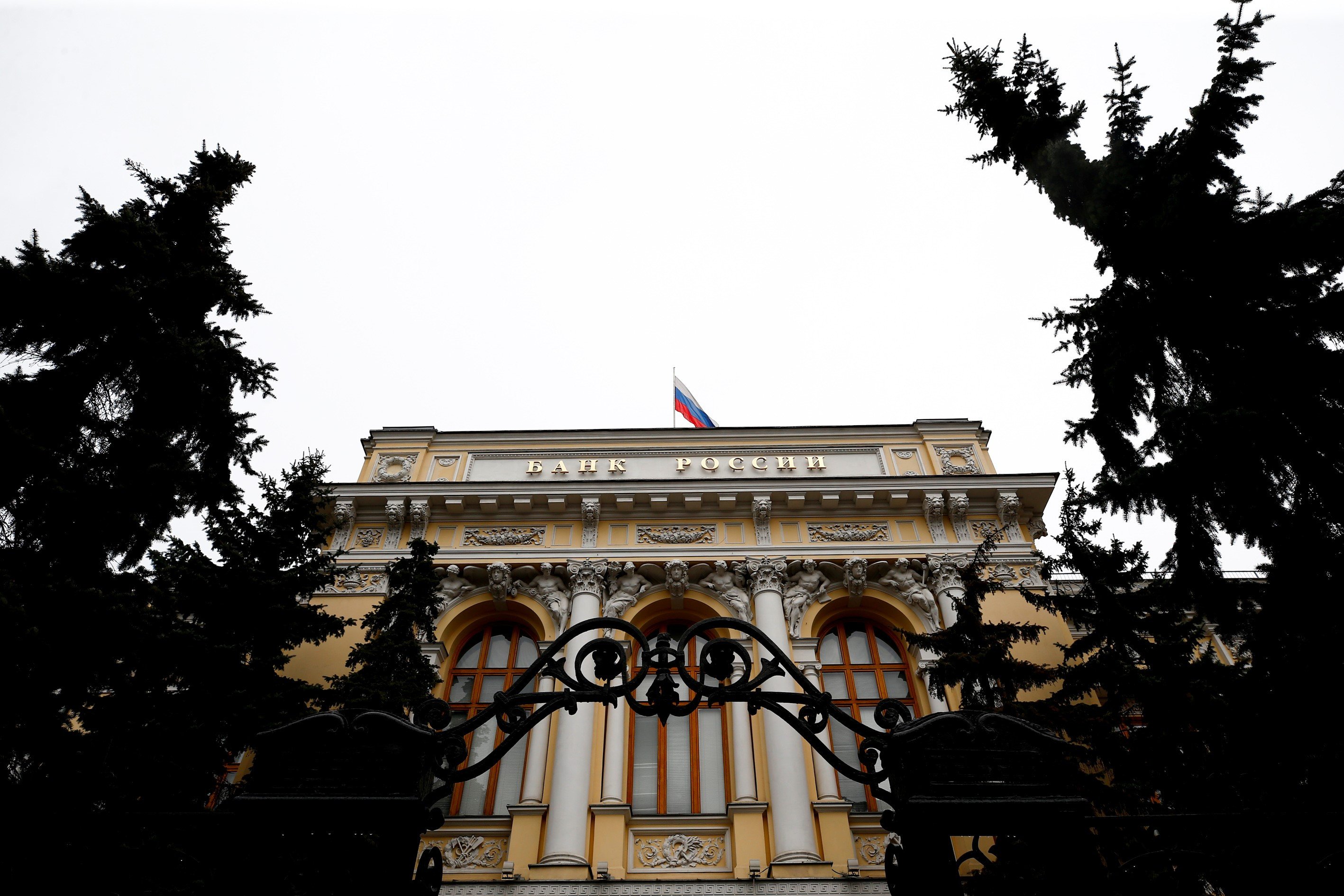
Capital flight from Russia has surpassed 100% of its gross domestic product over the past 25 years, as reported by The Moscow Times. During this period, the overall drain on the national economy maintained a steady annual rate of 4% to 5% of GDP.
Estimates from the—close to the Kremlin—Center for Macroeconomic Analysis and Short-Term Forecasting show that the Russian real economy lost an average of 3% of GDP annually over the last decade alone.
We bring you stories from the ground. Your support keeps our team in the field.
Cumulative capital losses from the real sector exceeded 110% of GDP between 2001 and 2025, reaching over 130% across the entire economy.
Historical peaks occurred in 2022, when record capital outflow exceeded 12% of GDP as foreign businesses departed and hundreds of thousands of citizens moved their savings abroad following Russia’s full-scale invasion of Ukraine.
Similar spikes of around 10% of GDP occurred in 2014 following the annexation of Crimea, as well as during the global financial crisis of 2008 and 2009.
The Central Bank of Russia stopped publishing detailed private sector outflow metrics shortly after the invasion began, but historical records indicate accumulated capital flight reached $780.8 billion between 2001 and 2021. Total capital outflow since 1994 has reached $907.4 billion and is estimated to exceed $1 trillion today.
Analysts at the forecasting center note that net capital outflow and investment income flight from the real sector consistently remain between 4% and 5% of GDP, according to The Moscow Times.
Net asset outflow dropped below 2% of GDP in 2025 due to reduced foreign dividend payments by Russian enterprises, though experts question whether this drop will remain stable.
Net foreign assets accumulated by non-financial corporations over thirty years exceed 40% of Russia’s current GDP, representing over 85 trillion rubles or $1 trillion. Researchers suggest taxing overseas corporate holdings and establishing a fixed return levy to incentivize bringing capital back to Russia.
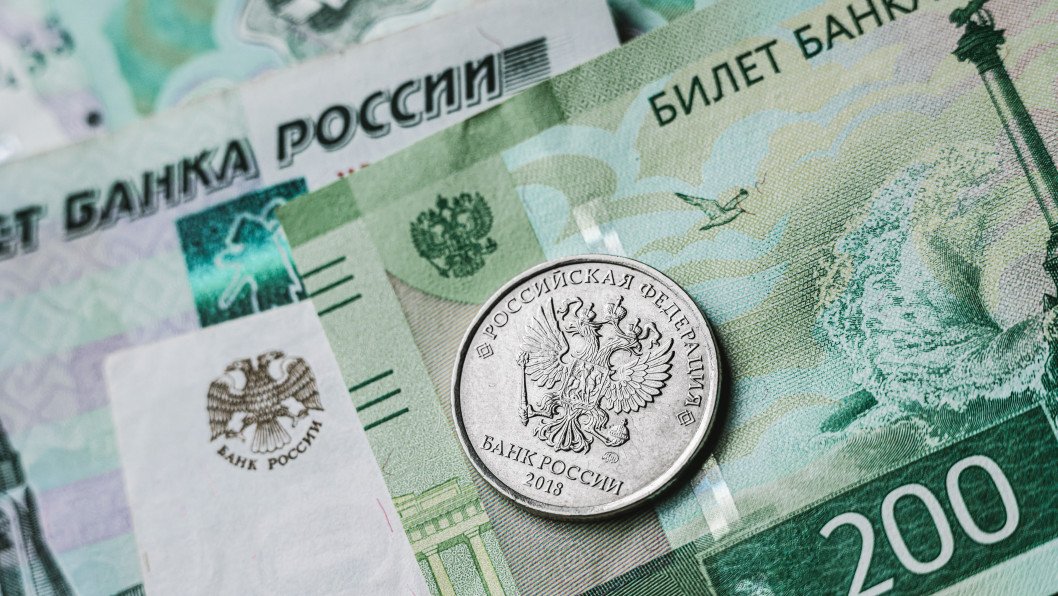
In August 2026, 37% of survey respondents in Russia identified cash as the best way to store savings, marking the highest share recorded since October 2022.
By contrast, 36% selected bank accounts or deposits, reaching the lowest point since December 2022 and representing the first time since then that paper currency surpassed bank deposits in popularity.
An additional 11% of respondents opted for a combined approach, keeping part of their money in banks and part in physical cash. This shift occurred as Russian banks experienced massive capital outflows between February and July, during which citizens withdrew nearly 2.6 trillion rubles ($32.5 billion), pushing the total amount of cash in circulation past 21.5 trillion rubles ($268.75 billion).
Discuss this article: