- Category
- War in Ukraine
How Dead Russian Soldiers Still Manage to Vote in Kremlin-Run Elections
 Prefer U24 Media on Google
- Authors



Russian commanders in occupied southern Ukraine are allegedly using the identities of soldiers killed in action to fabricate votes for the Kremlin’s ruling United Russia party, according to the pro-Ukrainian ATESH partisan movement on September 11.
The alleged scheme is tied to so-called early voting that began on August 29 in Russian-occupied parts of Ukraine ahead of Moscow’s State Duma elections.
We bring you stories from the ground. Your support keeps our team in the field.
ATESH said its agents uncovered the practice within Russia’s 291st Motor Rifle Regiment operating in the Zaporizhzhia sector.
According to the group, the regiment received an unofficial order to deliver a predetermined number of votes for United Russia.
The problem, ATESH said, was that the unit’s actual manpower was too low to meet the assigned quota because of heavy battlefield losses.
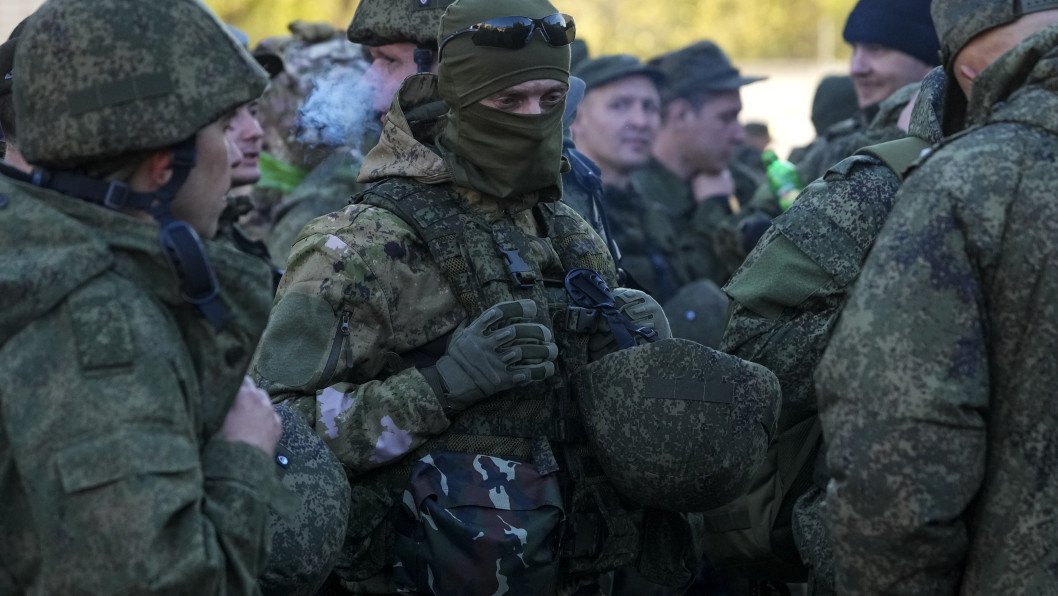
To make up the difference, clerical staff and officers allegedly delayed formally registering soldiers as killed or missing, leaving their names active in unit records.
Staff officers then filled out batches of ballots in the names of those troops and personally delivered them to voting sites in occupied Melitopol, Berdiansk and Tokmak, ATESH added.
Among the soldiers whose names were allegedly used after their deaths were reconnaissance soldier Zamir Kazharov, tank commander Senior Sergeant Valentin Aleksandrov and rifleman Corporal Valery Karpenko.
The partisan group said families of some fallen Russian soldiers remain unable to obtain official confirmation of their deaths or receive compensation while commanders continue using their identities for political reporting.
-18c8b7fe1b5fa5887e16c3a8eb915cba.jpg)
ATESH described the practice as a system of “dead souls,” borrowing the phrase commonly used for fictitious or deceased names kept on official rolls.
The group said the 291st Regiment is unlikely to be the only Russian unit using such methods.
According to ATESH, commanders across the front are under pressure to meet unofficial political targets, creating incentives to conceal personnel losses while simultaneously reporting near-total support for the Kremlin’s ruling party.
The result, the partisans allege, is a system in which the same missing or dead soldiers can serve two purposes at once: keeping battlefield losses off official paperwork and inflating election results for Moscow.
Earlier, Ukrainian President Volodymyr Zelenskyy stated that Ukrainian intelligence has obtained internal Russian documents pointing to a major mobilization drive in Russia this autumn, timed to follow staged parliamentary elections.
Discuss this article:

-c439b7bd9030ecf9d5a4287dc361ba31.jpg "Photo of Katherina Popilnichenko")