- Category
- War in Ukraine
EU Adds Norwegian Floating Bridges, Generators, and Buses to Ukraine’s Winter Support Package
 Prefer U24 Media on Google
- Authors


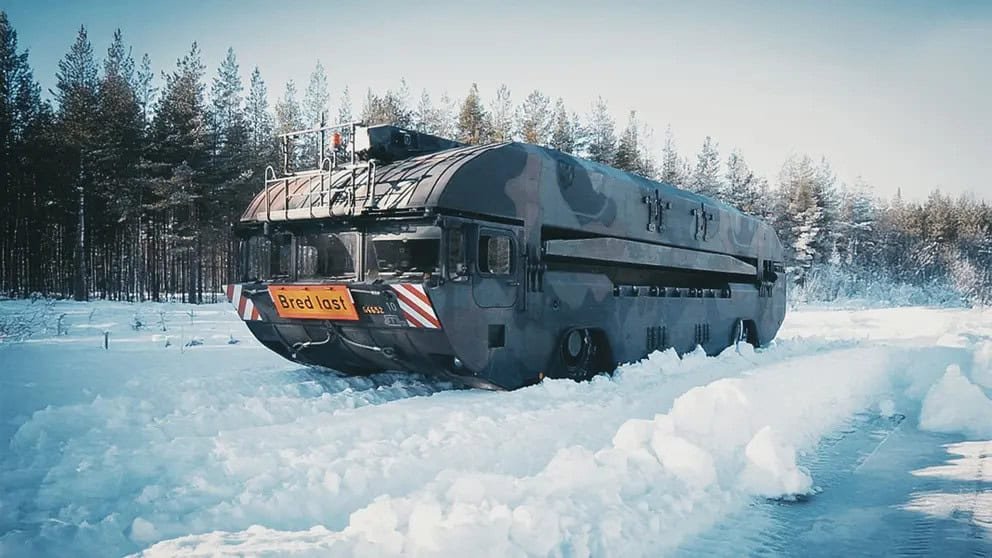
The European Union is organizing the delivery of four pontoon bridges from Norway, 500 power generators, and 200 buses to Ukraine to support local infrastructure and transportation ahead of the winter season.
The announcement was made in a joint statement by European Commission President Ursula von der Leyen and European Council President António Costa following their meeting with Ukrainian President Volodymyr Zelenskyy in Dublin on November 12.
We bring you stories from the ground. Your support keeps our team in the field.
The specific types of bridge structures, delivery timelines, and installation sites have not yet been disclosed.
Pontoon bridges ensure that emergency services, medical supplies, humanitarian aid, and everyday civilian traffic can bypass heavily affected areas, keeping key transport arteries functional through the winter months.
For Kyiv, a capital city of nearly three million residents split in two by the Dnipro River, the functioning of its six primary road bridges—including the Southern and Northern bridges—is essential for daily survival.
Following multiple targeted attacks on these key crossings during Russia’s full-scale invasion of Ukraine, several spans have faced closures and gridlock, making temporary floating structures an urgent lifeline.

The European Commission is also mobilizing 500 generators from strategic rescEU reserves, alongside assistance to establish emergency support centers equipped with necessary gear.
This assistance follows previous European efforts to restore transit links. In December 2022, Norway began supplying ten temporary Acrow/Bailey bridges to Ukraine to repair transport connections in regions impacted by combat operations.
That initial package was funded through a 30 million Norwegian krone allocation from the Norwegian Ministry of Foreign Affairs' humanitarian budget.
As a harsh winter looms, Ukraine faces a dangerously depleted air defense system while preparing for an expected surge in Russian energy strikes.
International supplies of Patriot interceptors were severely constrained, leaving Kyiv scrambling alongside European allies to secure hundreds of PAC-2 and PAC-3 missiles before the cold set in.
With the Ukrainian air defense intercepting only a fraction of incoming ballistic missiles, experts and officials warned that the upcoming winter threatened to bring severe energy disruptions and critical infrastructure challenges across the country.
Discuss this article: