- Category
- War in Ukraine
Russia’s Covert Mobilization Reaches at Least 17 Regions as Forced Recruitment Surges
 Prefer U24 Media on Google
- Authors


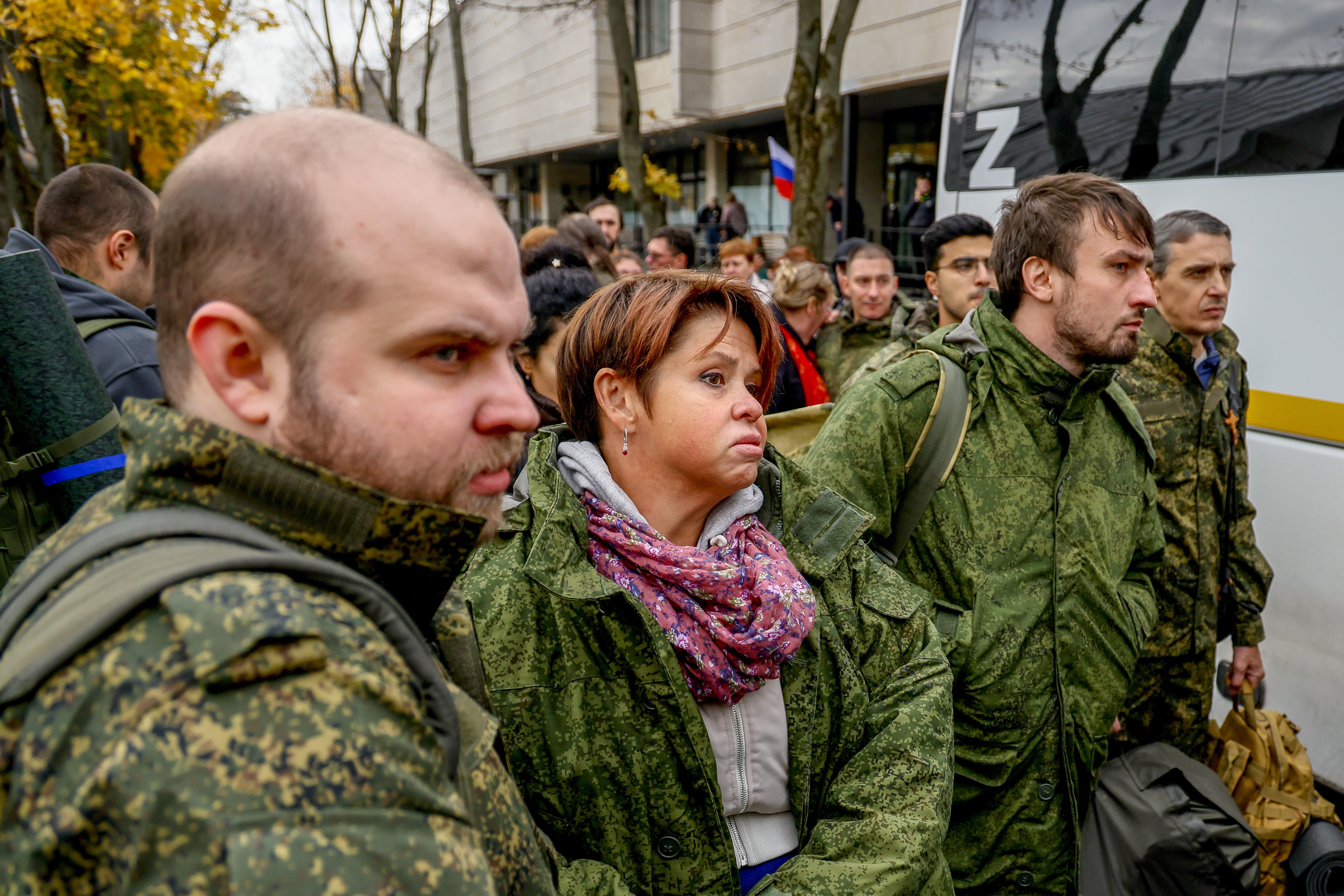
Reports of forced military recruitment are spreading across Russia, with residents of at least 17 regions alleging they were detained, threatened, or coerced into signing Defense Ministry contracts over the past six weeks, independent Russian outlet Verstka reported, citing several rights groups on August 24.
The complaints point to what activists describe as an expanding form of covert mobilization as Russian authorities face growing difficulties finding men willing to voluntarily join the military and fight against Ukraine.
We bring you stories from the ground. Your support keeps our team in the field.
Rights organization School of the Conscript recorded complaints in July and August from Udmurtia, Primorsky Krai, the Irkutsk, Ryazan and Arkhangelsk regions, Buryatia and Russian-occupied Donetsk.
Another group helping Russians avoid military service, Get Lost, said it received 18 similar requests for assistance over the past two months. They came from locations including the Penza, Amur, Orenburg and Jewish Autonomous regions, Krasnodar and Khabarovsk krais, as well as Izhevsk, Omsk, Blagoveshchensk and Ulan-Ude.
Several reports indicate that the number of people willing to sign contracts with the Russian defense ministry has plummeted. The Kremlin is discussing a new wave of mobilization in the autumn of 2026.
— Anton Gerashchenko (@Gerashchenko_en) June 26, 2026
▪️According to data obtained by the Verstka media, the influx of new recruits… https://t.co/wsiyKjNt3o pic.twitter.com/LR9N8vbwQV
Call to Conscience, another organization assisting people facing military recruitment, separately reported 18 complaints involving alleged forced enlistment during July and August.
Timofey Vaskin, head of the legal department at School of the Conscript, said the alleged recruitment efforts disproportionately target people who are particularly vulnerable to pressure.
“In most of the appeals we receive, people explicitly say that the victims are men from vulnerable social groups. That means people with alcohol or drug problems, mental health issues, as well as older people or those who are physically ill, live alone or have problems with the law,” Vaskin said.
-18c8b7fe1b5fa5887e16c3a8eb915cba.jpg)
Get Lost reported similar patterns and described several cases in which men were allegedly subjected to extreme pressure before being sent into military service.
In Novorossiysk, one man was reportedly taken to a police station, beaten, framed with drugs and forced to sign a military contract. In the Arkhangelsk region, another man was detained for drinking in public and subsequently sent to the front, according to the organization.
In Omsk, activists said a man was taken directly from his workplace, held against his will and eventually had a contract signed on his behalf. In Udmurtia, another man was reportedly removed from psychiatric registration before being sent to Ukraine’s Donetsk region.
⚡️ Tens of thousands are fleeing Russia
— NEXTA (@nexta_tv) August 19, 2026
A record 20,000 people crossed the legendary border checkpoint with Georgia in just 24 hours.
At Verkhny Lars, queues stretched to two and a half hours, forcing border guards to urgently reinforce their shifts and call in extra personnel… pic.twitter.com/tjQ43GLDFA
Grigory Sverdlin, director of Get Lost, said Russian authorities are increasing pressure because attracting enough voluntary recruits has become increasingly difficult.
“They know who has debts, who is under investigation, who recently lost their driver’s license, and these are exactly the people they hunt,” Sverdlin said.
Previously, reports emerged that Russian authorities have introduced unofficial restrictions on foreign travel for men of mobilization age, with the practice emerging in several major cities.
The partisan movement Atesh said its agents among border service and airport employees in Moscow, St. Petersburg, and Yekaterinburg had reported an informal screening system for men seeking to leave the country.
Discuss this article:

-404494d5a8efc7d69cc95de5faa987fd.webp "Taufiq Muhammad, an Indonesian national recruited into the Russian military and killed during his first combat engagement in Ukraine’s Donetsk region. (Source: HUR)")