- Category
- War in Ukraine
Inside One of Ukraine’s Most Fortified Nuclear Power Plants, Exclusive Look
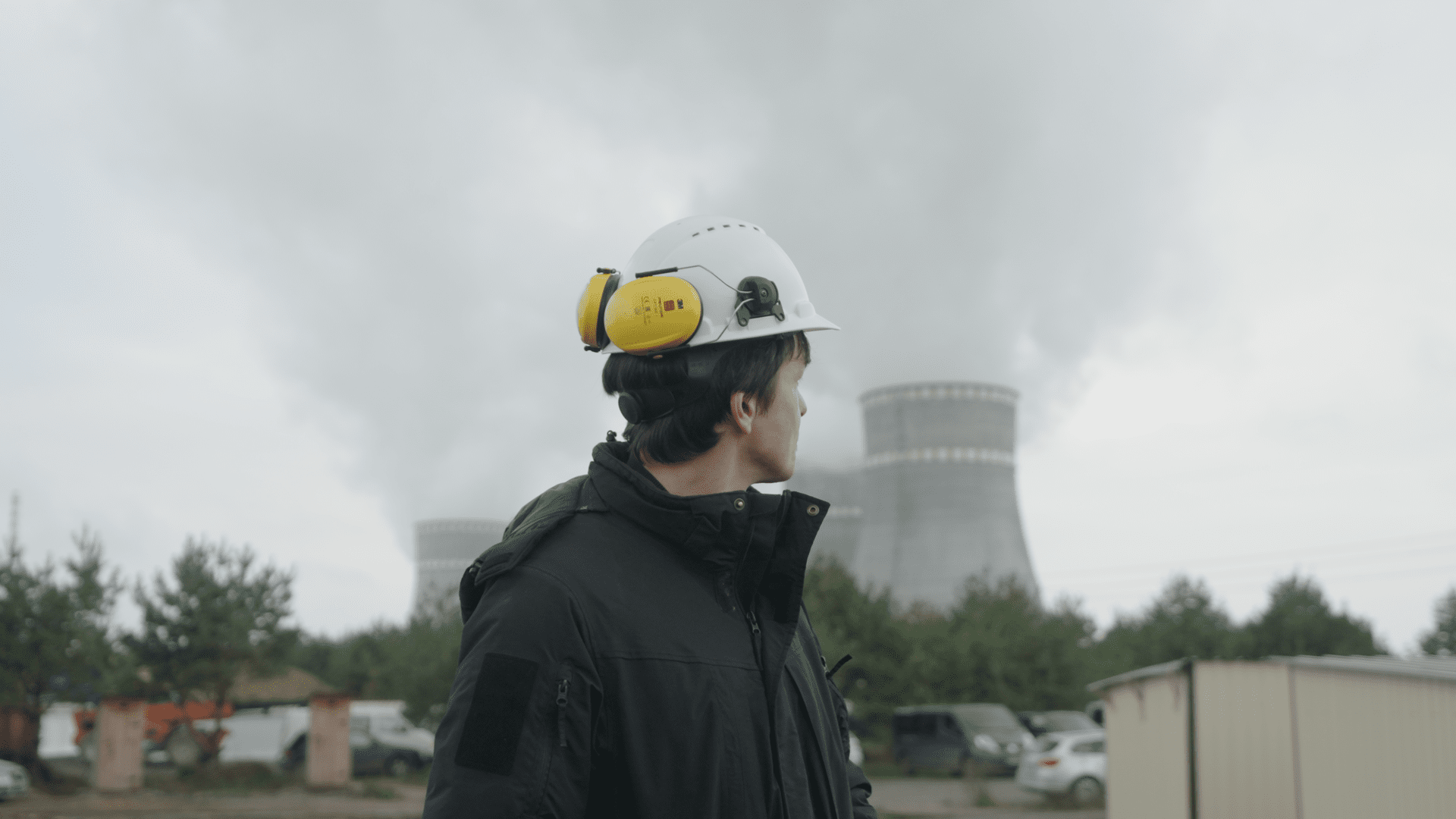
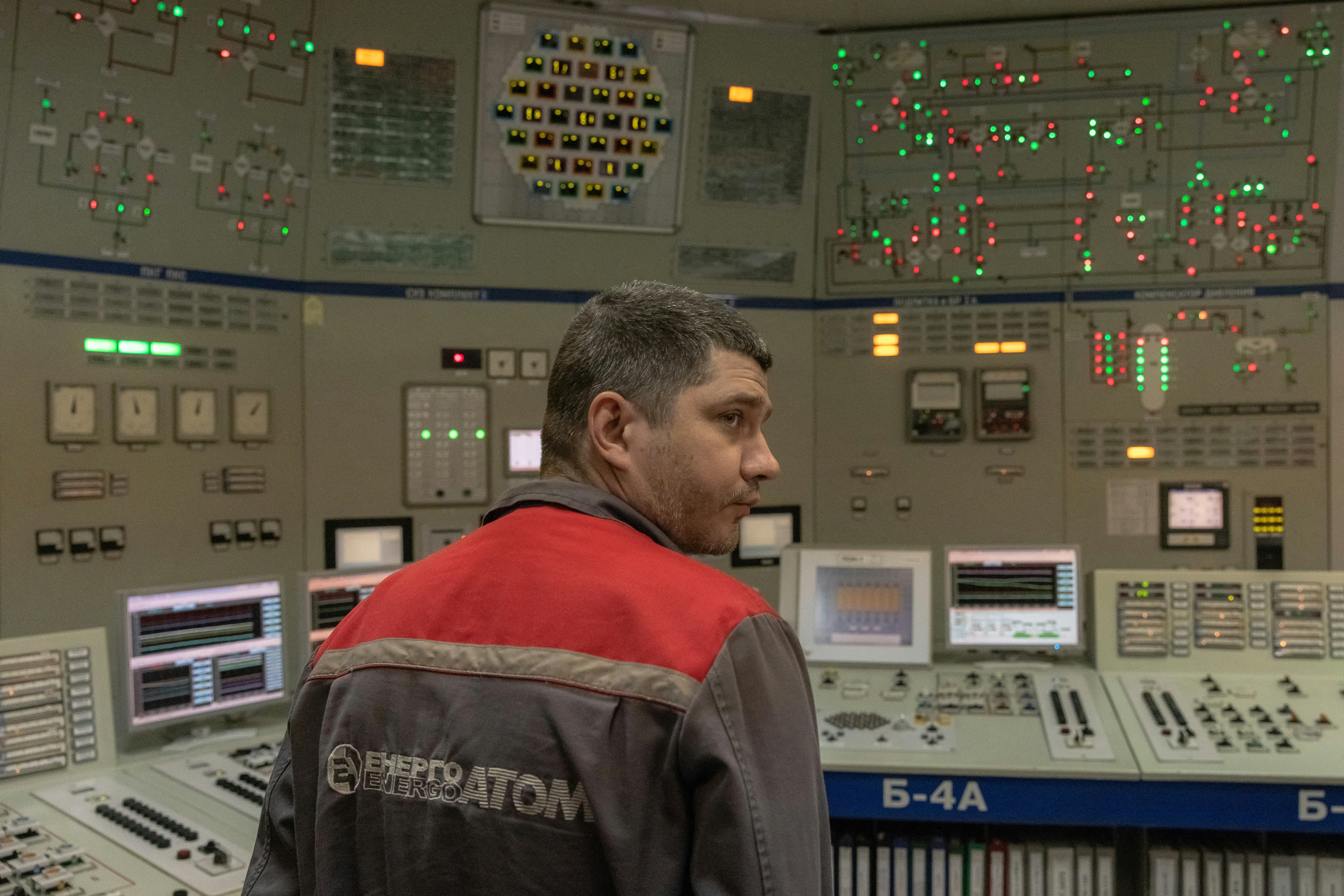
Ukraine’s nuclear power plants operate under constant threat from Russian missile and drone attacks. UNITED24 Media received rare access to the Rivne Nuclear Power Plant—one of only three Ukrainian nuclear facilities still under Kyiv’s control—to see how it is protecting itself and keeping the country supplied with electricity during the war.
 Prefer U24 Media on Google
- Authors

-24deccd511006ba79cfc4d798c6c2ef5.jpeg "Photo of Louis Beaudemont")
Faced with the growing risks that Russian strikes pose to nuclear facilities, the Ukrainian government—together with its Western partners—has begun installing new missile and drone defense systems. Rivne Nuclear Power Plant (NPP), which we were invited to visit on November 12, is one of three nuclear power plants still operating under Kyiv’s control since Russia seized the Zaporizhzhia Nuclear Power Plant in 2022. It is now undergoing the installation of Level-2 protection systems for its power transformers.
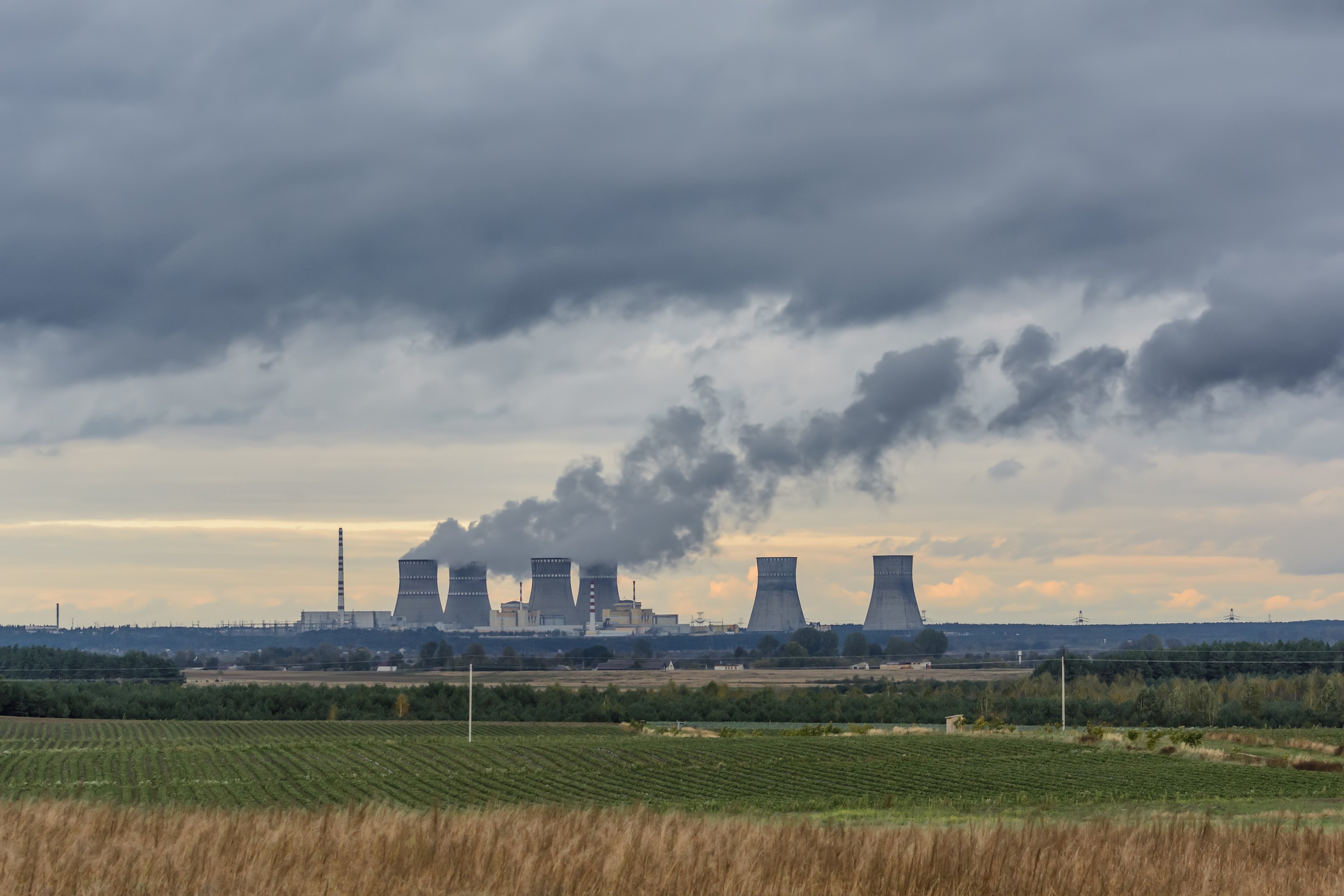
Rivne Nuclear Power Plant is a key plant only kilometers from Belarus
Located in northwestern Ukraine, only a few kilometers south of the Belarusian border—Russia’s key ally in its invasion—the Rivne plant is the country’s second-largest by number of reactors (four) and third-largest by total capacity.
A nuclear power plant is a unique type of facility due to its massive scale, the advanced technology it relies on, and its vital importance for a nation’s functioning. It is also unique because of the danger it carries. Both robust and fragile, its safe operation depends on strict security and safety procedures approved by national and international authorities such as the International Atomic Energy Agency (IAEA). Unlike its military equivalent, a nuclear power plant is not designed for war. And Ukraine, a civilian nuclear power that ranks among the world’s top nuclear producers, sixth by nuclear output, has been forced by Russia’s full-scale invasion to adapt quickly and effectively.
Launched in 1980 using Soviet-era technology, the vast Rivne NPP complex of concrete and steel has a total capacity of about 2,800 MW and can power millions of homes and critical infrastructure across Ukraine. During Russia’s campaigns to destroy Ukraine’s energy system, nuclear plants became the last backbone of the country’s energy supply, providing 55-60% of Ukraine’s electricity.
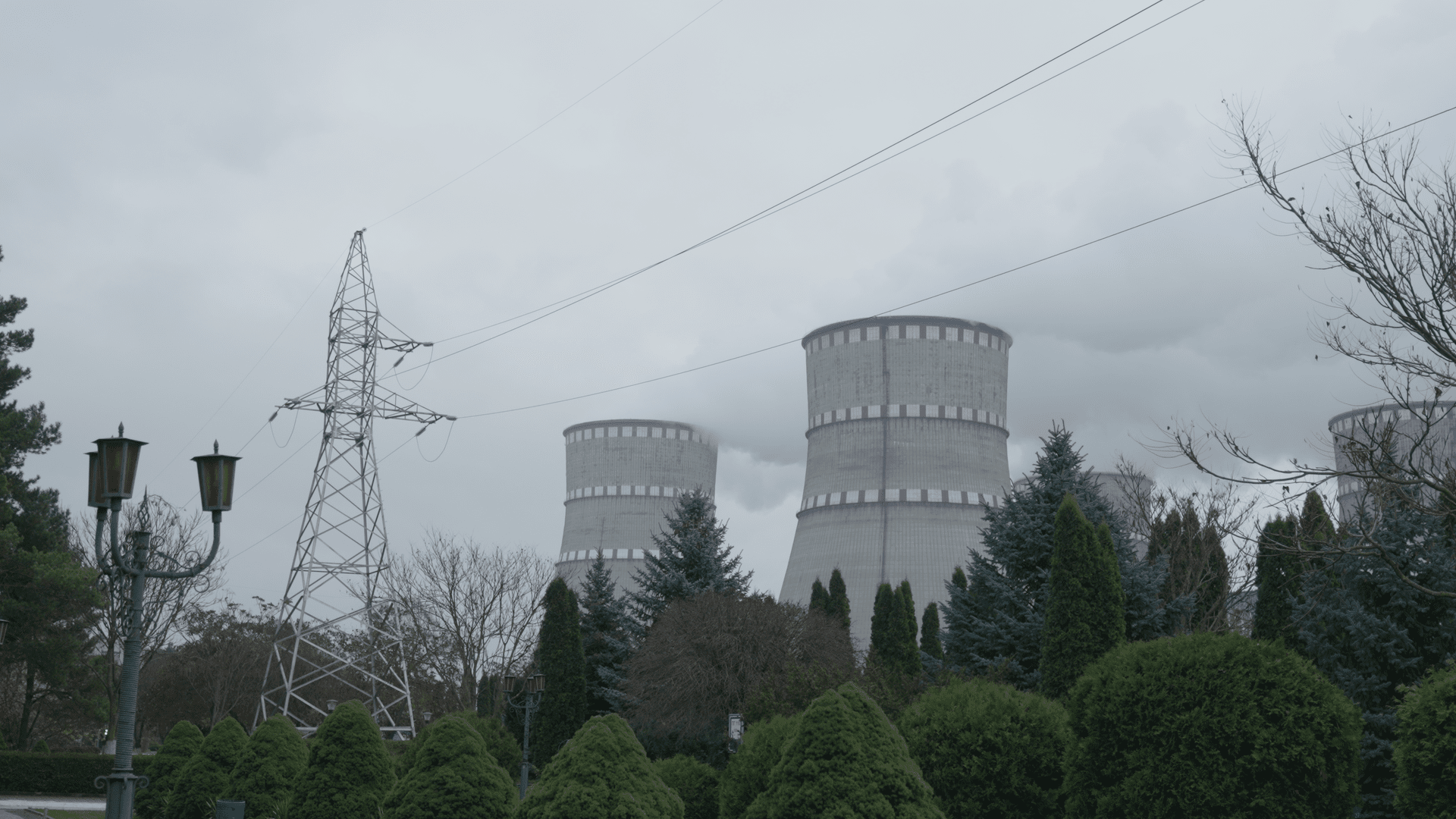
The growing risks nuclear plants face during the war
Contrary to common belief, nuclear plants are not fully energy self-sufficient. They must stay connected to an external electricity source to ensure safe operations and maintain control of nuclear reactions. A total and prolonged loss of off-site power forces plants to rely on backup systems capable of providing sufficient electricity—both in volume and in power—to prevent a nuclear accident. Ukrainian nuclear facilities must also develop defense measures in case of direct attacks on their infrastructure.
During the night of November 8, a massive Russian attack on several power distribution stations—using Kalibr and Kinzhal missiles, cruise missiles, and Shahed attack drones—forced the Khmelnytskyi and Rivne nuclear plants to rapidly reduce output to avoid destabilizing the grid.
Electrical substations are critical for our efforts to maintain nuclear safety and security during the war. Their continued degradation is a deep source of concern. I continue to call for maximum military restraint to maintain nuclear safety and avoid an accident with serious radiological consequences
Rafael Grossi
IAEA Director General
The visit took place amid Operation “Midas,” a sweeping anti-corruption investigation launched by Ukraine’s National Anti-Corruption Bureau (NABU) into procurement abuses at Energoatom, the state-run nuclear company. Rivne NPP’s management-organized visit was likely aimed at reassuring the public that operations continue normally, that new missile-defense systems are nearly ready, and that modernization efforts have not stopped despite the war.
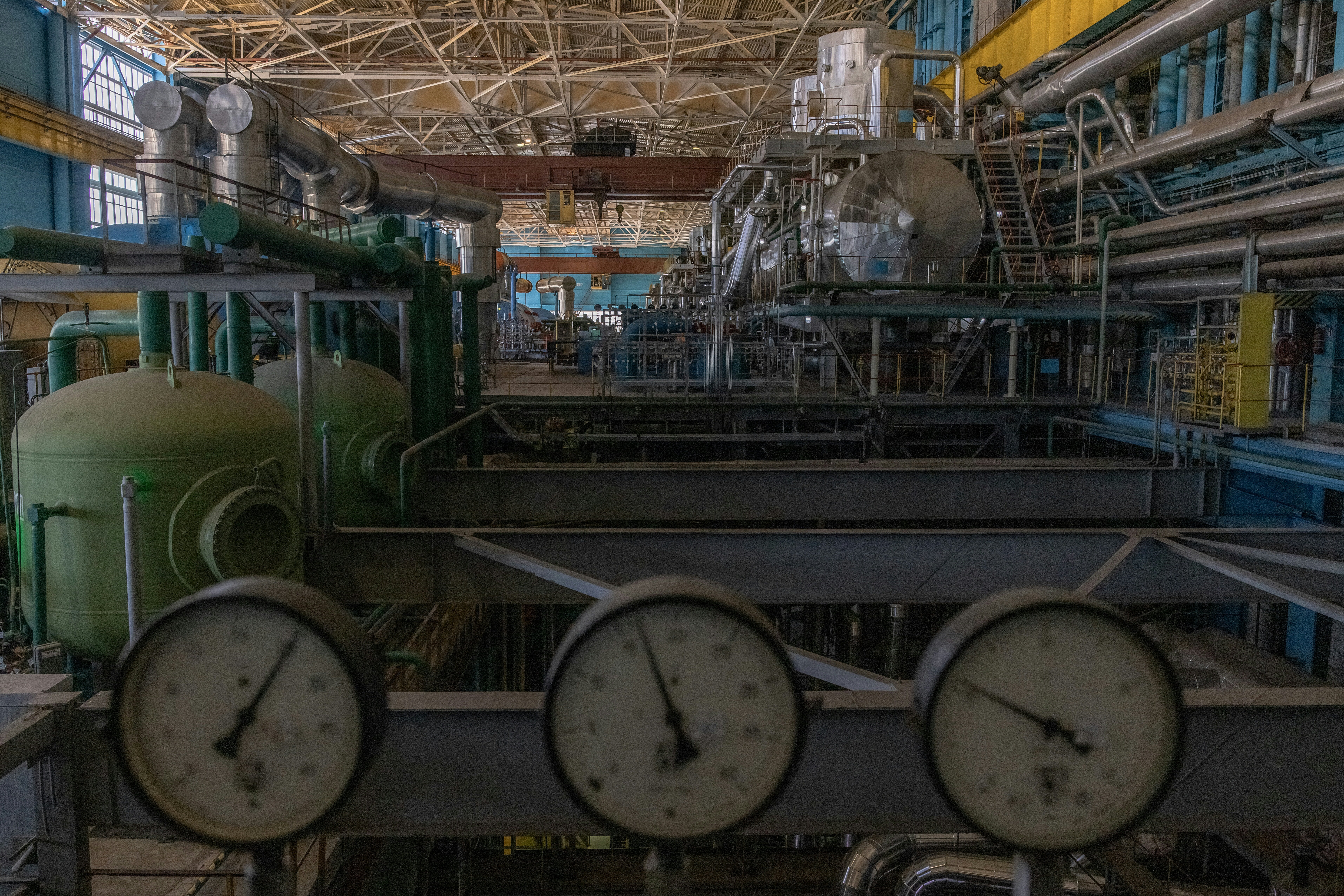
Russia targets Ukraine’s energy system
But by repeatedly striking Ukraine’s power grid—aiming to plunge the country into darkness and likely retaliating for Ukraine’s resistance, which forces Russia to gain only a few square kilometers at the cost of tens of thousands of casualties—Moscow is increasingly risking a nuclear disaster.
“Russia’s aim is not only to interrupt the power supply in the affected regions, but also to destroy nuclear energy, the basis of the Ukrainian energy system,” said Volodymyr Omelchenko, energy expert at the Razumkov Research Center in Kyiv. “As long as the nine Ukrainian nuclear power units are running, our energy system cannot be damaged; it continues to function. That is why the Russians have taken the final step and are carrying out hybrid attacks on nuclear power plants.”

After installing Level-1 protection systems for all transformers and distribution infrastructure in 2023, Ukraine decided in 2024 to move to more advanced Level-2 systems. These defenses are designed based on wartime risk scenarios: direct Russian strikes or instability caused by the destruction of substations and transformers. For security reasons, we were not allowed to photograph or describe the systems we saw.
It [the Level-2 systems] allows our units to continue generating power even if individual components are damaged.
Serhii Kuroyedov
Deputy Director of the Rivne Nuclear Power Plant

Ukraine’s systems to prevent a nuclear disaster
The plant is installing protective systems for two key transformers—the 7-AT transformer (330/110 kV), which has already been upgraded and is operational, and the 9-AT autotransformer (750/330 kV), which is still undergoing active work. Once both are fully protected, they will ensure stable connections to the national grid even if one is hit.
The plant also conducts regular full-scale emergency drills simulating accidents caused by enemy attacks, to prepare staff for worst-case scenarios and prevent global consequences.
In parallel, Ukraine is trying to look beyond immediate survival and invest in long-term modernization. The United States is a key partner. Rivne is gradually converting all its units to operate on American Westinghouse nuclear fuel, replacing Russian assemblies.
“It performs better than Russian fuel, but the transition is gradual, and we are still using a mix of both,” Taras Tkatch, director of the Rivne NPP, said.
Based on the performance of the Westinghouse assemblies, we are now considering the possibility of uprating— increasing reactor thermal power and, consequently, electrical output.
Taras Tkach
Rivne Nuclear Power Plant Director
Rivne Nuclear Power Plant also plans to add a fifth AP1000 reactor based on US Westinghouse technology, while Khmelnytskyi NPP is preparing to build two AP1000 units. If completed, Khmelnytskyi NPP would become the most powerful nuclear plant in Europe, overtaking the Zaporizhzhia NPP, which has been under Russian control since March 2022. Overall, Energoatom and Westinghouse plan nine AP1000 reactors in Ukraine.
Discuss this article:


FAQ
Does Russia still occupy nuclear power plants in Ukraine?
At the start of Russia’s full-scale invasion of Ukraine, Russian forces seized and occupied the Chornobyl NPP on February 24, 2022, north of Kyiv, and the Zaporizhzhia NPP on March 4, 2022, in the south of the country. Ukrainian Armed Forces liberated Chornobyl NPP on March 31, 2022, but Zaporizhzhia NPP remains under Russian control.
How is Russia creating the conditions for a disaster at Zaporizhzhia NPP?
Zaporizhzhia NPP—the largest nuclear power plant in Europe—has come under intense pressure from Russian forces. Ukrainian staff who were unable to leave the site for safety reasons have faced coercion from the Russian military, including forced passportization and constant monitoring. With staffing reduced to the minimum and workers operating under continuous pressure, the situation threatens the plant’s safe operation, which can lead to increased likelihood of human error.
Russia has also used the facility—which Ukraine cannot target—for storing military equipment and even as a firing position to launch attacks on Ukrainian forces.
By repeatedly disconnecting the plant from Ukraine’s power grid, Russia has several times created conditions that could have triggered a nuclear incident—actions publicly condemned by the International Atomic Energy Agency (IAEA).

-c439b7bd9030ecf9d5a4287dc361ba31.jpg "Photo of Katherina Popilnichenko")


-29a1a43aba23f9bb779a1ac8b98d2121.jpeg "Photo of Illia Kabachynskyi")

-111f0e5095e02c02446ffed57bfb0ab1.jpeg "Photo of Roman Kohanets")