- Category
- Latest news
Russia Uses Ukrainian Nuclear Plant to Entrench Troops and Vehicles, Photos Reveal
 Prefer U24 Media on Google
- Authors


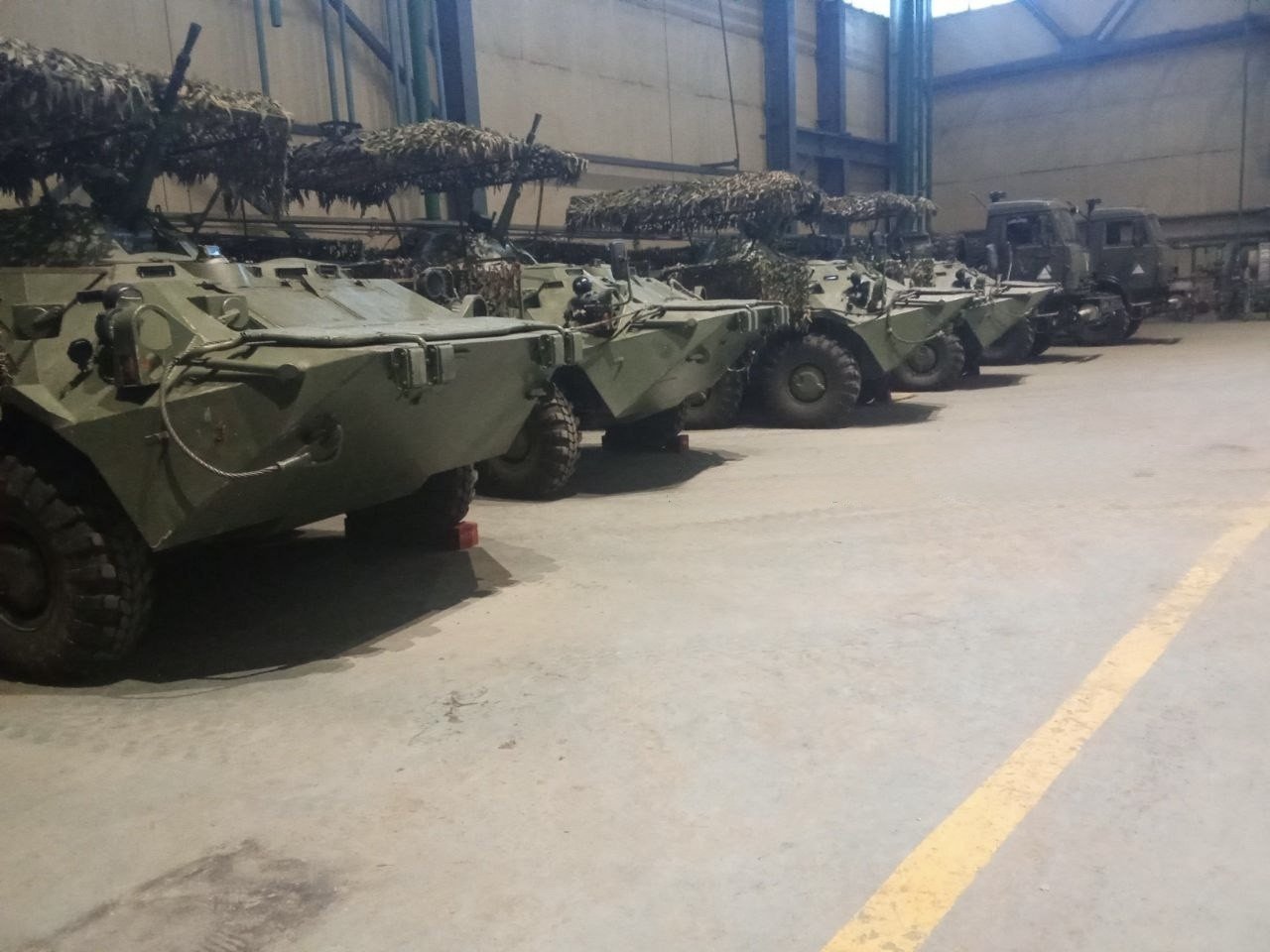
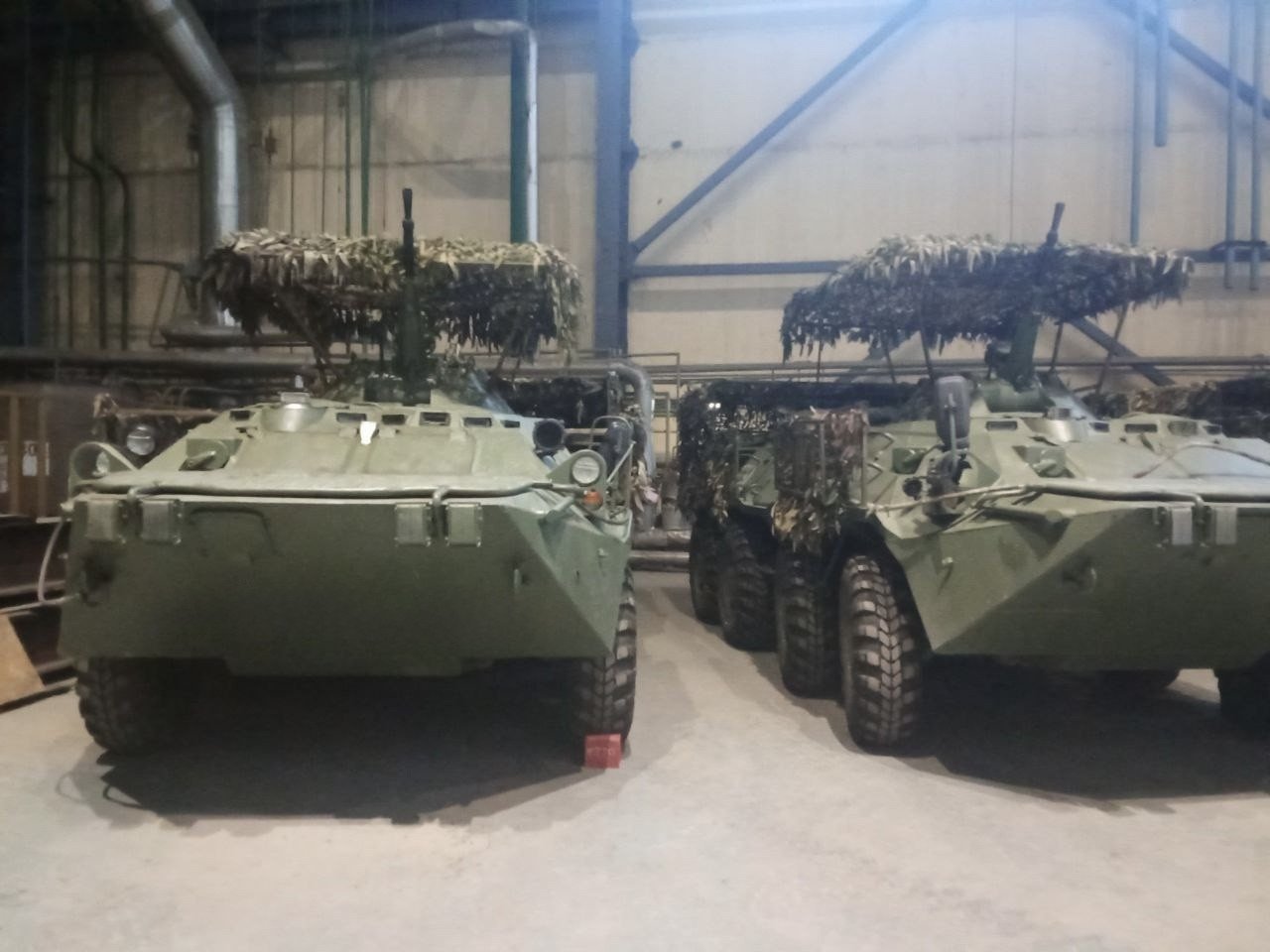
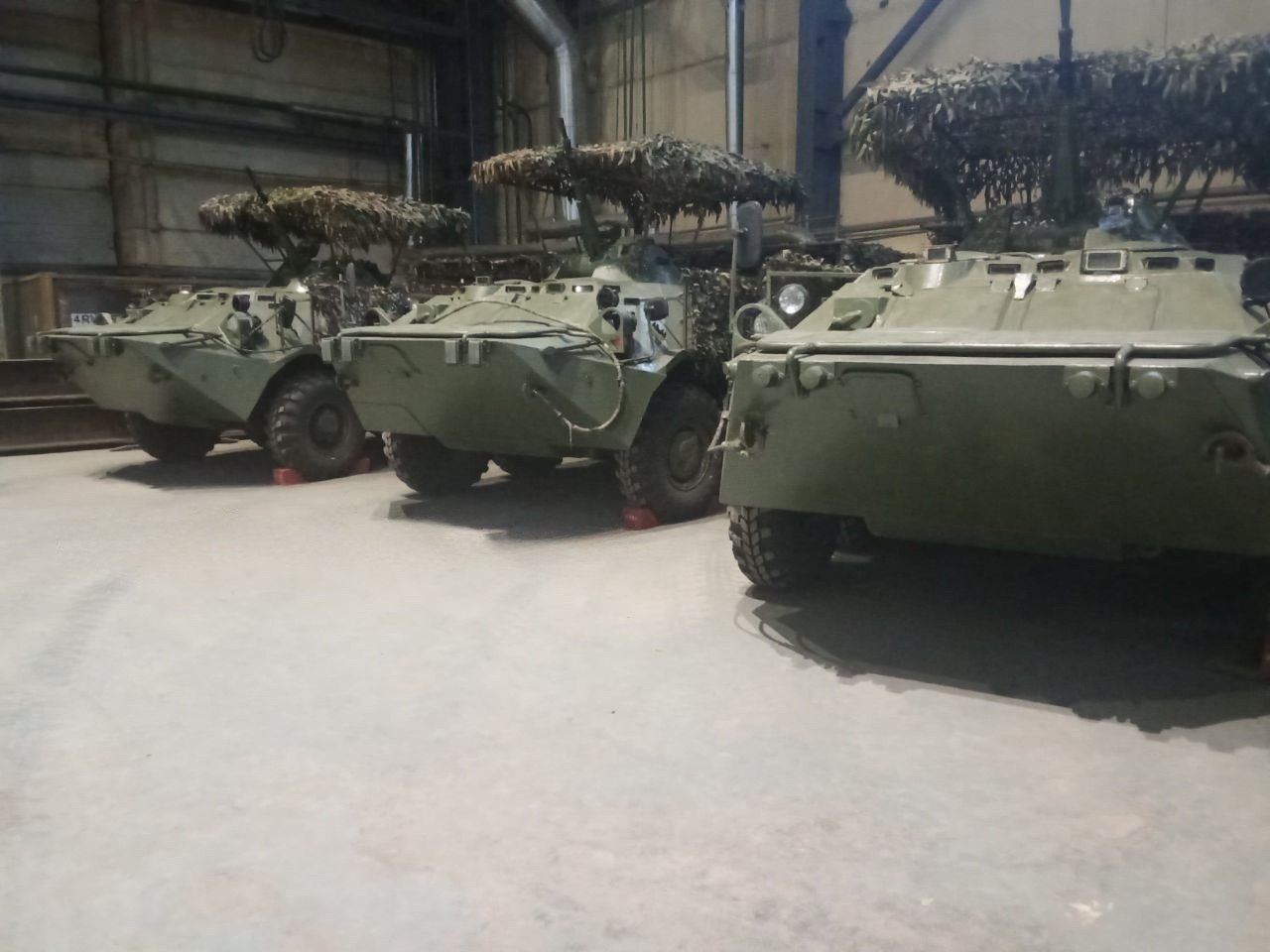
Russian forces have increased their deployment of armored vehicles and infantry positions within the temporarily occupied Zaporizhzhia Nuclear Power Plant (ZNPP), according to images published on November 6 by the Telegram channel Skelety Shevchyka i Ko.
The photos show at least four BTR-80 armored personnel carriers, weapon mounts, and fortified firing points inside plant facilities—equipment intended for combat operations rather than nuclear safety.
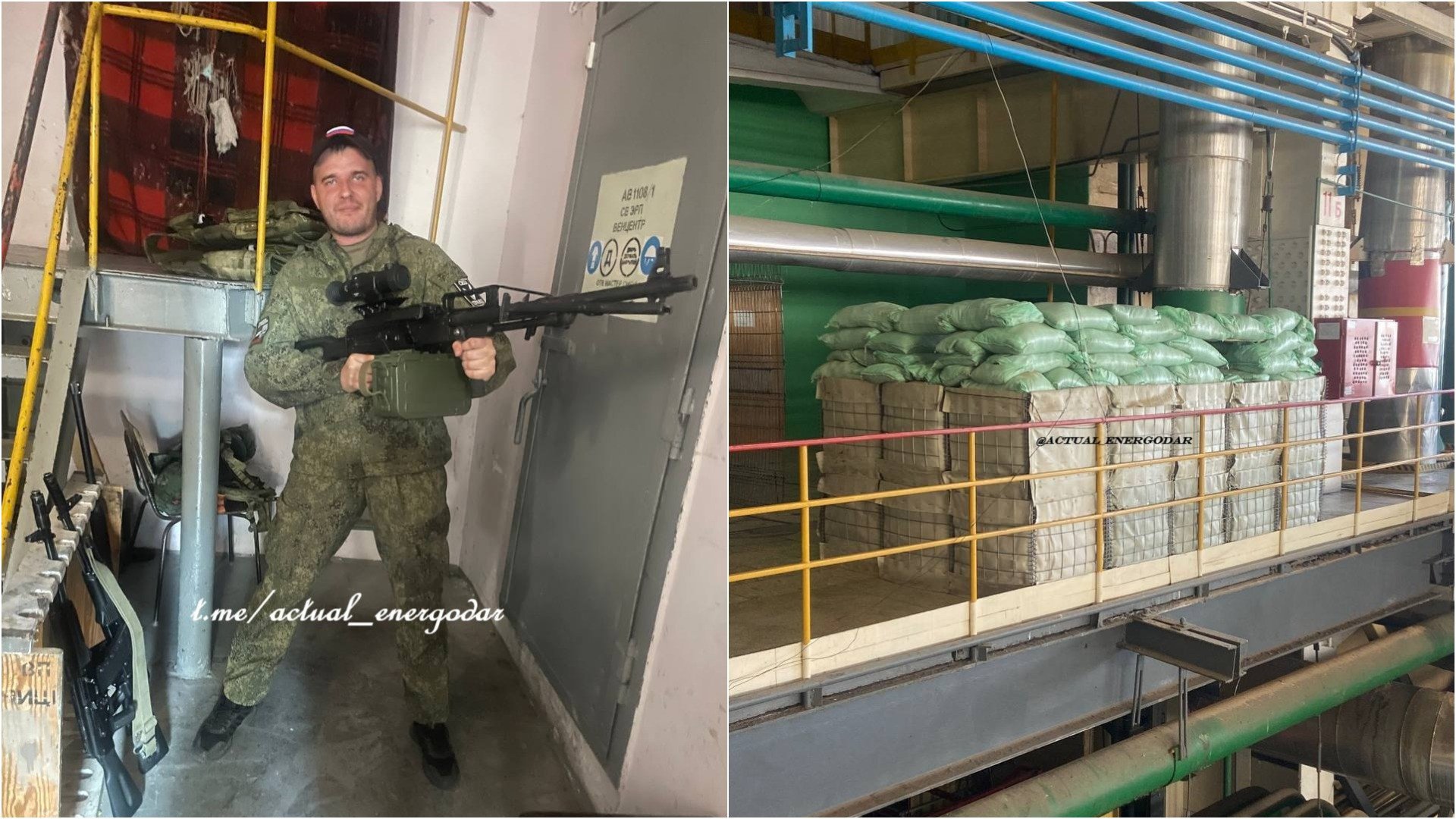
One image features an armed Russian soldier carrying a Pecheng machine gun, indicating that an infantry detachment is now stationed on the premises.
Analysts note that such militarization violates basic nuclear-safety principles and suggests the plant is being used for defensive or offensive purposes.
The International Atomic Energy Agency (IAEA) previously reported in September 2025 that Russian forces continued to restrict its mission’s access to specific areas of the site, including diesel-fuel storage facilities, preventing inspectors from verifying fuel reserves.
The IAEA has repeatedly warned that nearby shelling poses a risk to nuclear safety across Europe. The plant remains operated by Ukrainian staff working under Russian supervision.
Russian troops seized the Zaporizhzhia facility on March 4, 2022, after heavy fighting in the city of Enerhodar. By mid-March 2022, control over the plant’s management had been transferred to Rosatom, Russia’s state-owned nuclear corporation.
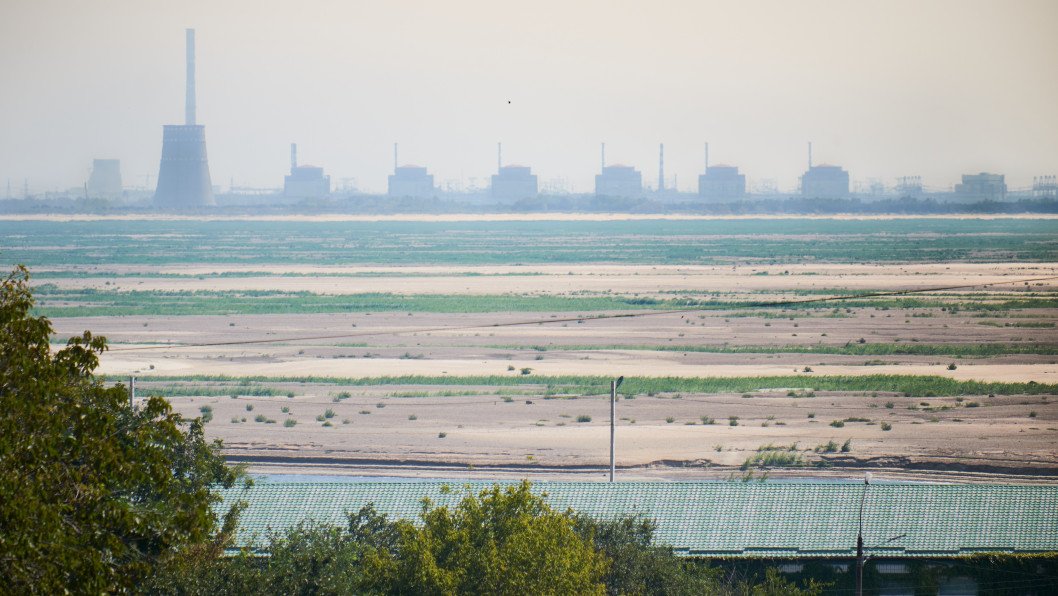
Meanwhile, Russian state media on November 6 circulated new claims alleging that Ukraine and Western partners were preparing a “sabotage operation” at the plant. According to RIA Novosti, Russia’s Foreign Intelligence Service claimed NATO countries were urging Kyiv to stage a provocation that would later be blamed on Moscow.
Ukrainian officials have repeatedly dismissed such statements as disinformation aimed at shifting attention from Russia’s continued militarization of Europe’s largest nuclear power facility.
Earlier, on October 30, the IAEA reported that Russian strikes on Ukraine’s energy infrastructure forced three nuclear power plants to reduce output and damaged critical substations. The South Ukraine and Khmelnitsky plants lost access to external power lines, while Rivne was ordered to cut capacity.
Discuss this article:
-4a56a6b482ec132402c16ef6fcabf9a2.png)

-72b63a4e0c8c475ad81fe3eed3f63729.jpeg "Photo of Cyril Barabaltchouk")

-c439b7bd9030ecf9d5a4287dc361ba31.jpg "Photo of Katherina Popilnichenko")

-58027ba3c731b844e3279bf1086a8d0b.jpg "Ukrainian DJ KOROLOVA. (Source: @korolova.dj/Instagram)")