- Category
- Latest news
As Middle East Shipping Halts, Russian Oil Tankers Abruptly Change Course to India
 Prefer U24 Media on Google
- Authors

-72b63a4e0c8c475ad81fe3eed3f63729.jpeg "Photo of Cyril Barabaltchouk")
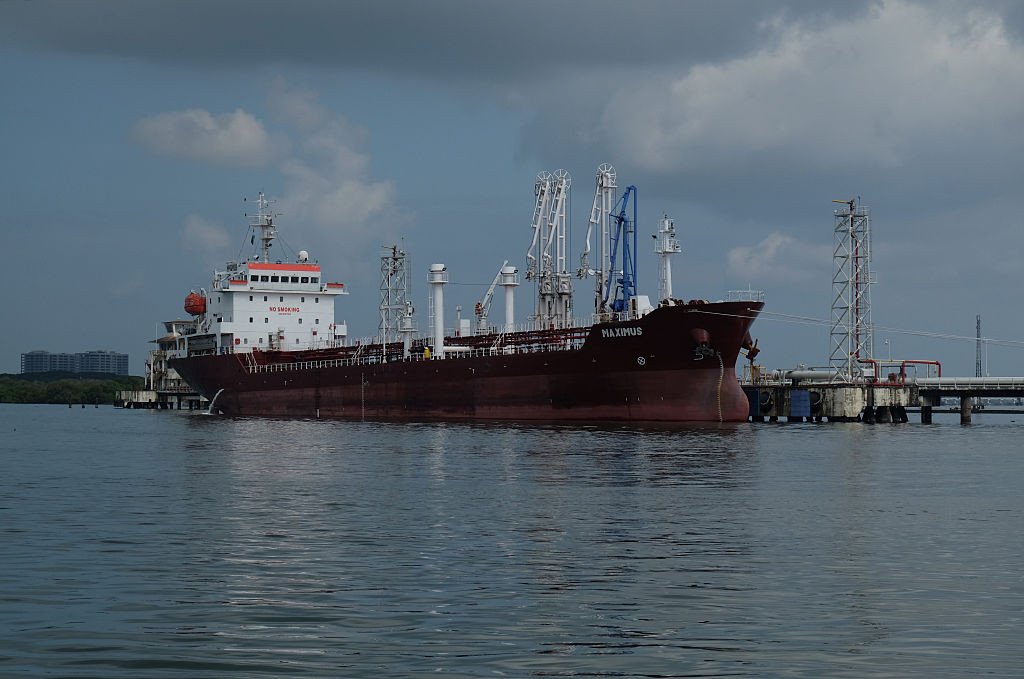
Amid the worsening conflict in the Middle East, two Russian oil tankers, previously bound for East Asia, have switched their destinations to India, Bloomberg reported on March 5.
This signals New Delhi’s increasing willingness to purchase Russian crude despite mounting pressure from the United States.
We bring you stories from the ground. Your support keeps our team in the field.
The two tankers, Odune and Matari, together carrying about 1.4 million barrels of Urals oil, are now expected to discharge their cargoes at Indian ports this week, according to ship-tracking data from Kpler and Vortexa. These vessels had initially indicated that they were headed farther east but changed course following the escalation of the Middle East war.
The Odune, a Suezmax tanker carrying 730,000 barrels, arrived at Paradip on India’s east coast on March 4, although it is unclear whether the oil has been discharged yet. Meanwhile, the Matari, an Aframax tanker with more than 700,000 barrels of Russian crude, is set to dock at Vadinar in western India on March 5.
India’s refiners had previously scaled back their purchases of Russian oil, wary of jeopardizing trade relations with the US. However, the instability in the Middle East, compounded by the effective closure of the Strait of Hormuz, is heightening fears of crude shortages.
This change in regional dynamics seems to have prompted Indian refiners to return to Russian barrels, which had been a mainstay for India’s oil supply in the past.
This influx of Russian tankers marks a sharp reversal from just weeks ago. In late February, India had slashed its Russian oil imports by 40% in January, dropping to 859,000 barrels per day—the lowest volume since June 2022.
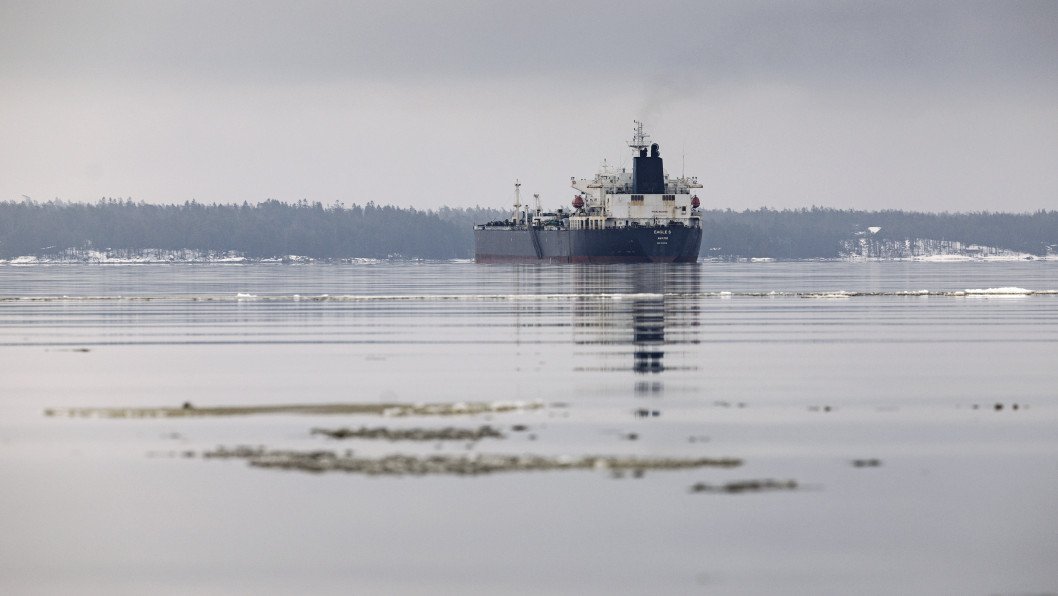
That initial reduction was heavily driven by a major new trade agreement announced by US President Donald Trump and Indian Prime Minister Narendra Modi, which pressured New Delhi to replace Russian crude with American and Venezuelan supplies.
In addition to these two shipments, another vessel, Indri, which had been signaling Singapore as its destination, abruptly changed its course this week, heading north towards India with about 730,000 barrels of Urals oil on board. This tanker’s re-routing further indicates that India may be preparing to take in more Russian oil in the face of global uncertainty, Bloomberg wrote.
All three of these vessels—Odune, Matari, and Indri—were sanctioned by the UK and the European Union last year in response to Russia’s full-scale invasion of Ukraine, which began in 2022. Despite these sanctions, India appears to be increasing its Russian oil imports.
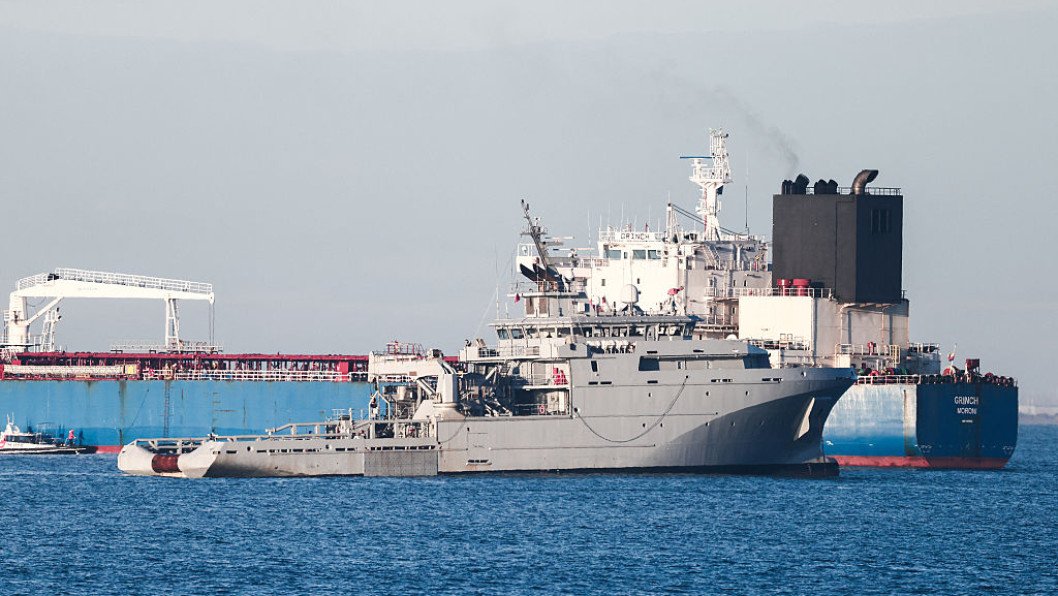
Russia has increasingly turned to China and, more recently, India to find alternative buyers for its oil, especially as Western nations have implemented stricter sanctions. While Indian refiners had reduced their intake of Russian crude to avoid complicating relations with Washington, the war in the Middle East and the uncertainty surrounding oil flow through key shipping routes have prompted a reevaluation of those policies, according to Bloomberg.
Even as US-Israeli strikes on Iran its effective closure of the Strait of Hormuz send global oil prices soaring, Russian crude remains heavily discounted. The discount on Russia’s Urals crude hit $30.9 a barrel below the Brent benchmark, the widest margin since April 2023.
Although Russian shipments bypass the blocked Middle Eastern chokepoint, intense competition from other sanctioned producers continues to force Moscow to offer massive discounts to Chinese and Indian refineries.
Discuss this article:



-c439b7bd9030ecf9d5a4287dc361ba31.jpg "Photo of Katherina Popilnichenko")