- Category
- Latest news
Moscow’s Last Resort: Machine Gun GAZelles Deployed to Defend Oil Refineries From Drone Barrage
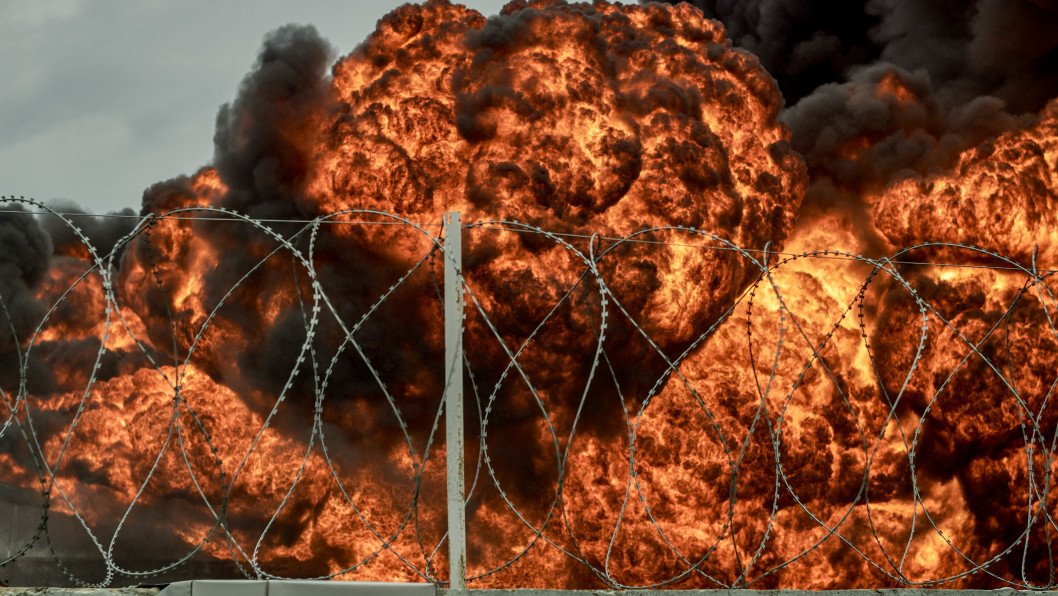
Russia is scrambling to defend its fuel industry after a relentless wave of Ukrainian drone strikes crippled refining operations and triggered the country’s worst gasoline shortage in nearly three decades.
 Prefer U24 Media on Google
- Authors


Moscow has begun forming mobile counter-drone units tasked with protecting oil refineries and other energy infrastructure, according to the defense media outlet Defense Blog on September 28.
The move comes as analysts estimate that up to a quarter of Russia’s total refining capacity has been knocked offline by Ukrainian long-range drones.
Improvised gun trucks to guard refineries
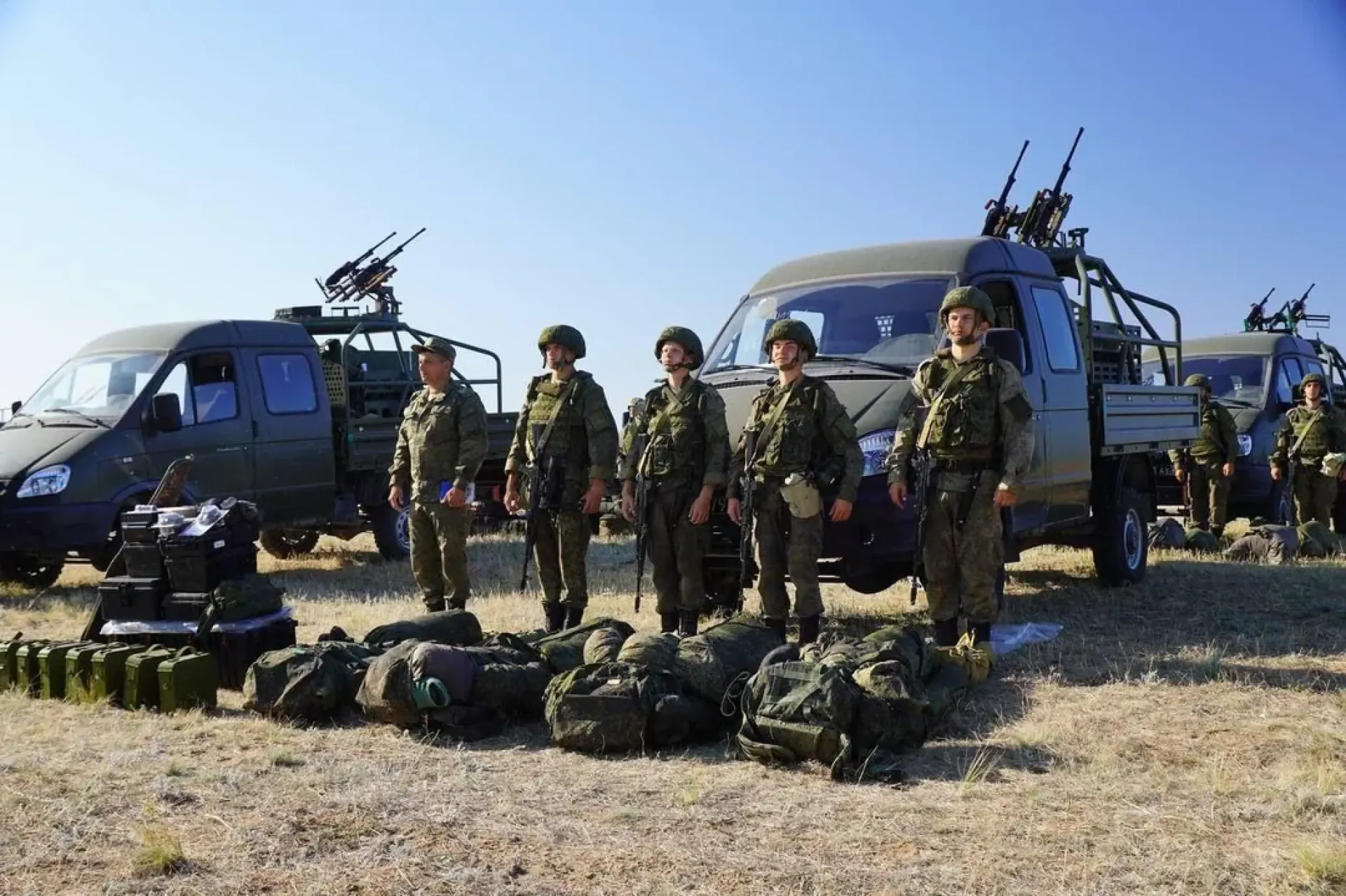
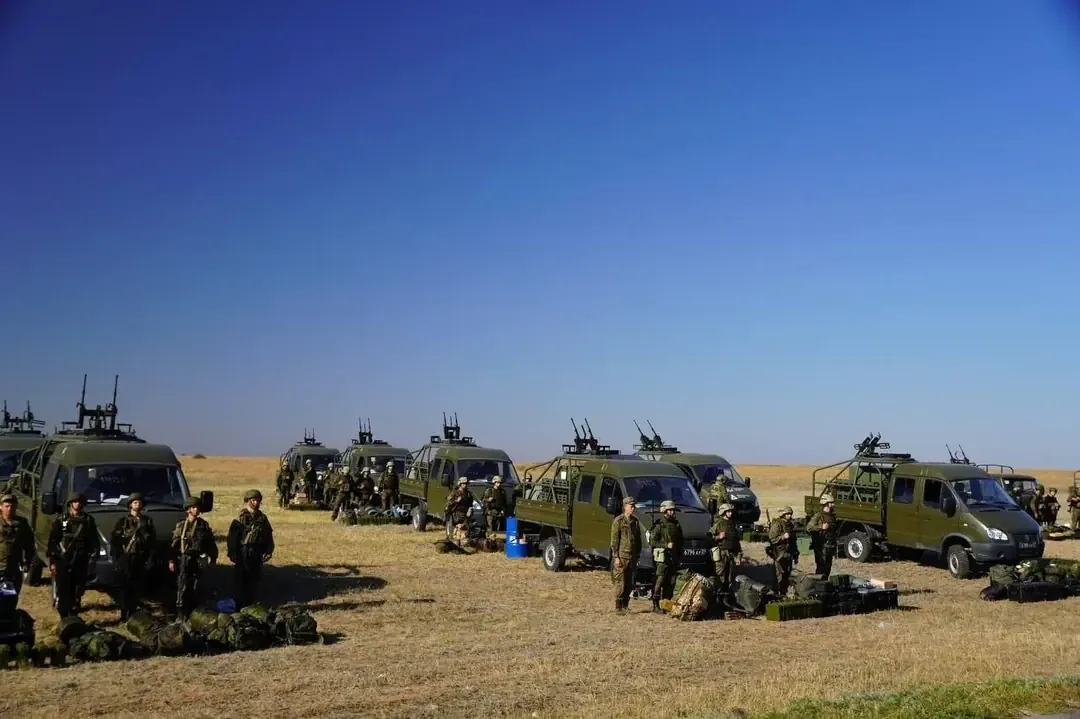
Footage from training sessions shows the first 20 units driving light pickup trucks—including GAZelle and UAZ “Farmer” models—outfitted with twin-mounted 7.62 mm PKT heavy machine guns, Defense Blog wrote.
Crews have also been issued shotguns, thermal imaging scopes, collimator sights, Bulat-4 drone detectors, laser target designators, and high-powered searchlights for night operations.
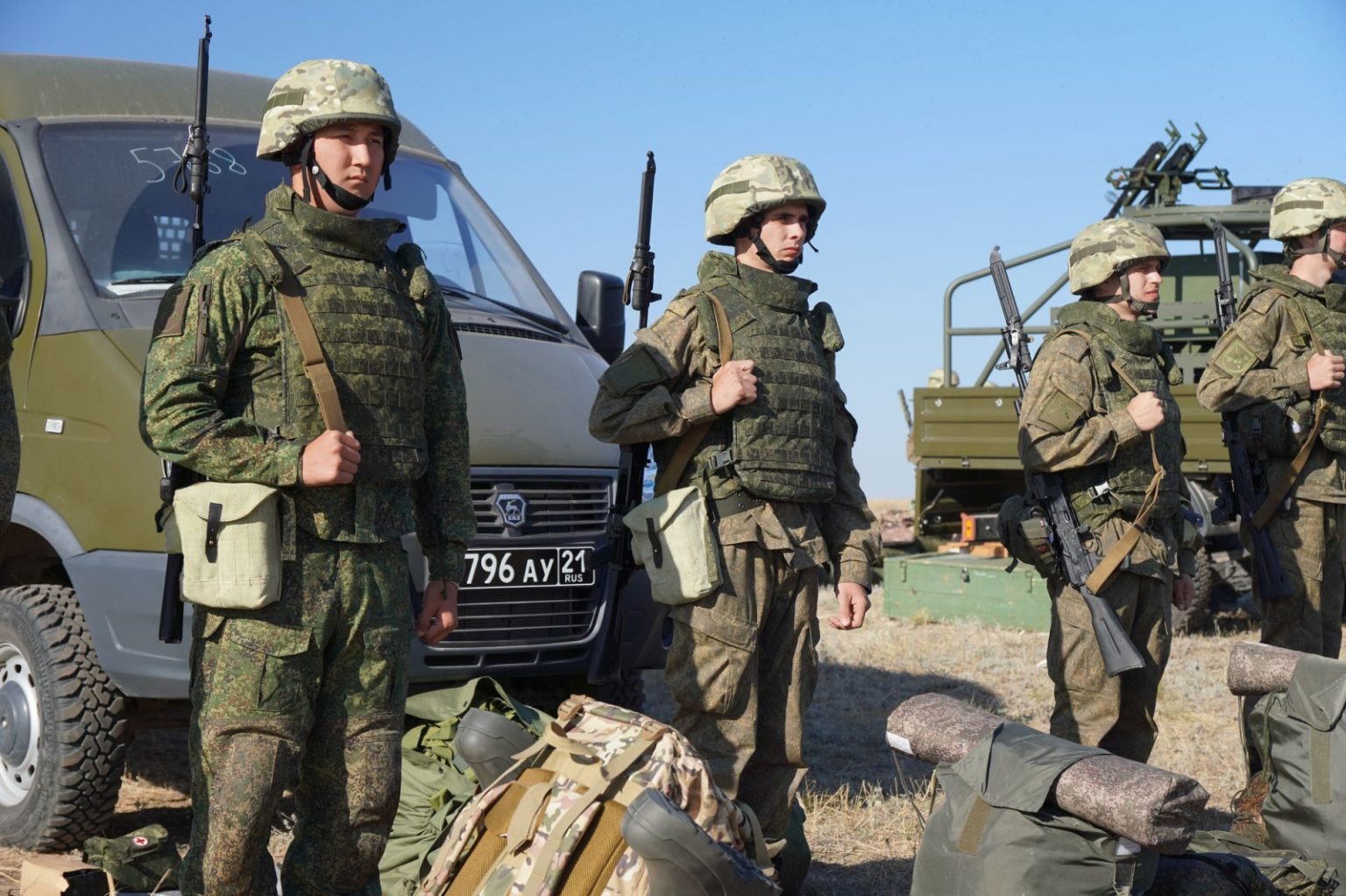
“In ten days of training, the personnel fully mastered the special program and the use of technical equipment,” Russian lawmaker Dmitry Vodolatsky said, noting the groups had been deployed to guard facilities in the Southern Military District.
The units are explicitly modeled on Ukrainian tactics, where similar truck-mounted “drone hunter” teams have been fielded since early in the war. But their effectiveness remains in question.
💥 Overnight, drones struck the Kirishi oil refinery in Russia’s Leningrad region.
— UNITED24 Media (@United24media) September 14, 2025
The attack was carried out by fighters of the 14th UAV Regiment and Special Operations Forces. The refinery is one of Russia’s largest. pic.twitter.com/yo2YvF1X87
“Last resort” defense
Defense Blog analysts describe these pickup-mounted detachments as a “last-resort measure,” useful mainly against low-flying, slow-moving UAVs.
Drones flying above small-arms range—which Ukrainian operators increasingly prefer—are unlikely to be intercepted.
For Russia, the decision to deploy gun trucks around its refineries underscores just how vulnerable its energy sector has become—and how desperate the measures to defend it now look.
Ukrainian approach: drone-on-drone and helicopter interception
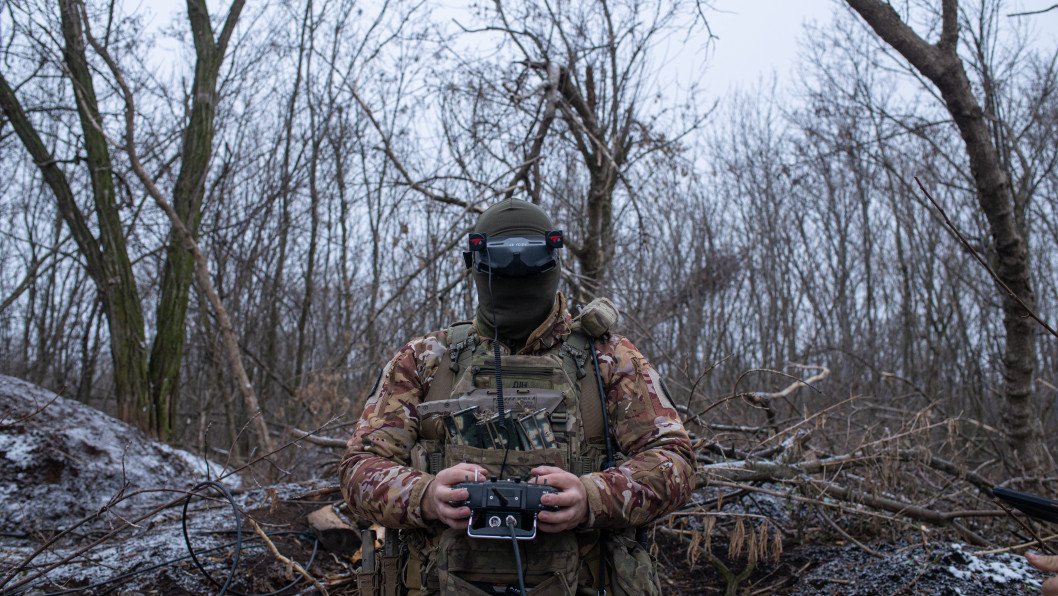
By contrast, Ukrainian planners now view drone-on-drone interception as the future of counter-UAV warfare.
Interceptor drones have proven more effective than ground-based firepower, capable of chasing and destroying enemy UAVs mid-flight.
In addition, Ukraine is increasing the deployment of helicopters in air defense missions after commanders reported their effectiveness in intercepting Russian long-range drones.
Commander-in-Chief Oleksandr Syrskyi said helicopter crews have become a critical part of the country’s layered air defense system.
“Depending on the weather, our helicopters sometimes shoot down up to 40% of drones in their sectors. That is why we are scaling up this direction as well,” Syrskyi explained.
Discuss this article:
-9bd5e1532102621f8fb1c4ba871a3171.png)


-c439b7bd9030ecf9d5a4287dc361ba31.jpg "Photo of Katherina Popilnichenko")
-111f0e5095e02c02446ffed57bfb0ab1.jpeg "Photo of Roman Kohanets")