- Category
- Latest news
Ukrainian Engineers Push Interceptor Drone Past 315 km/h to Hunt Down Russian UAVs
 Prefer U24 Media on Google
- Authors


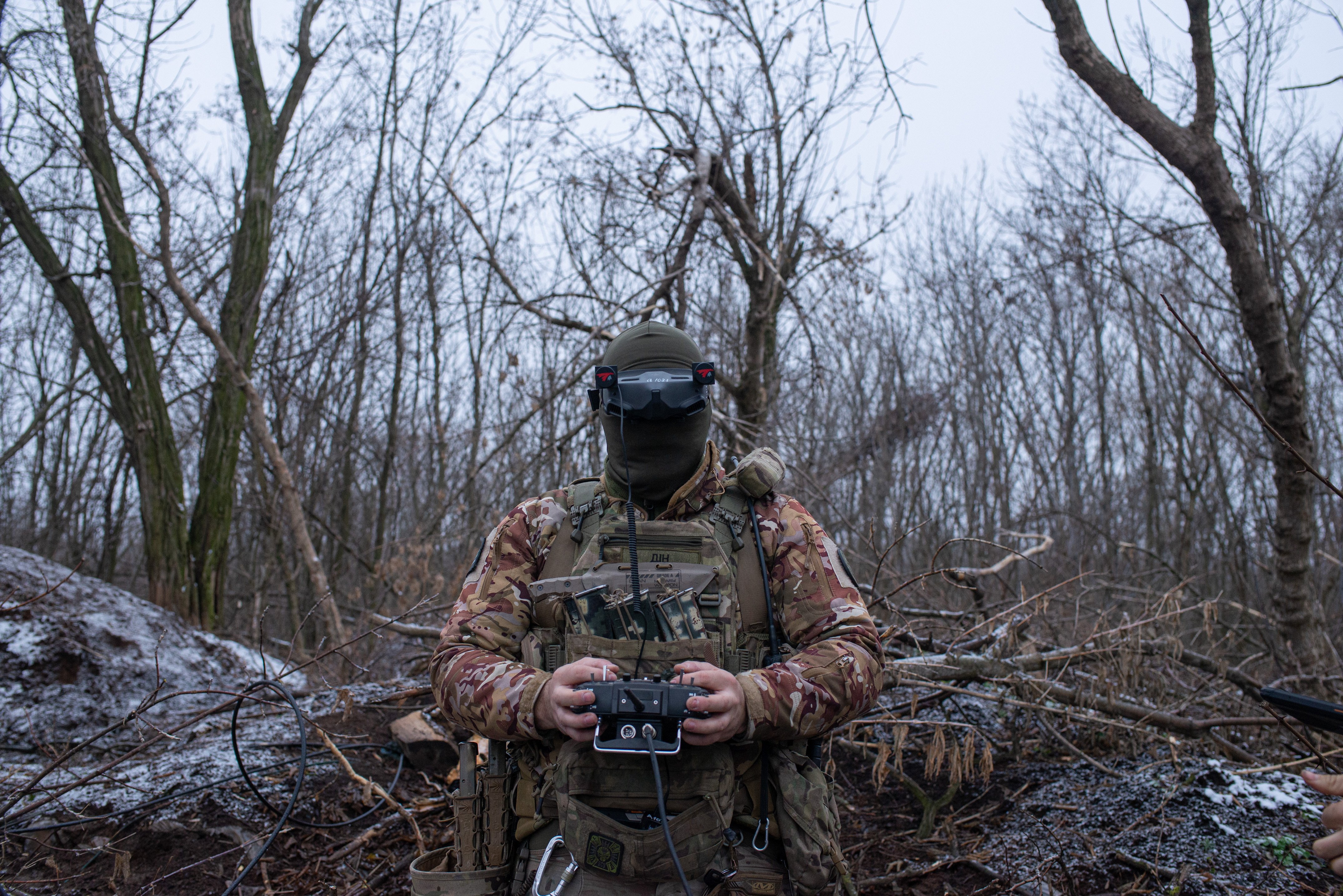
Ukrainian drone developer “Wild Hornets” has upgraded its interceptor drone Sting, achieving a new, undisclosed top speed that surpasses its previous record of 315 km/h. The latest flight test marks a significant milestone in improving Ukraine’s mobile air defense systems.
According to Defense Express on August 27, although the exact speed was not revealed, visual comparisons with earlier footage from August 11 suggest a notable increase.
It is presumed the test involved a fully equipped drone carrying a payload comparable to a live warhead, rather than a lightweight prototype.
We keep pushing the limits of STING’s speed 🐝😎
— Wild Hornets (@wilendhornets) August 26, 2025
Once again, we’ve broken our own record. The last one stood at 315 km/h.
We won’t spill the new numbers just yet—just listen to the sound 😏 https://t.co/x7B19dYWn5 pic.twitter.com/A1Ih7e6nrR
While speed records in drone aviation are not uncommon—such as the 480.23 km/h set by South Africa’s Peregreen 2 in 2024—those benchmarks often involve stripped-down designs optimized solely for performance.
In contrast, the Sting is a mass-produced combat model intended to intercept Russian reconnaissance UAVs and Shahed-type loitering munitions in operational conditions.
High-speed FPV drone from Wild Hornets accelerated to 325 km/h. We broke our previous speed record.
— Wild Hornets (@wilendhornets) September 14, 2024
We continue to develop this project. A little more and the first batch of such drones will go to perform special and very important tasks.
You can support our developments by… pic.twitter.com/90aJcts7hm
The primary advantage of increased speed is not merely faster target interception. Higher velocity enables engagements within limited operational windows, compensating for the drone’s battery constraints and communication range. A faster Sting can strike targets before they exit its effective coverage zone.
In practical terms, improved speed also allows the drone to engage multiple threats in a shorter timeframe or make a second attack pass if the initial attempt is unsuccessful.
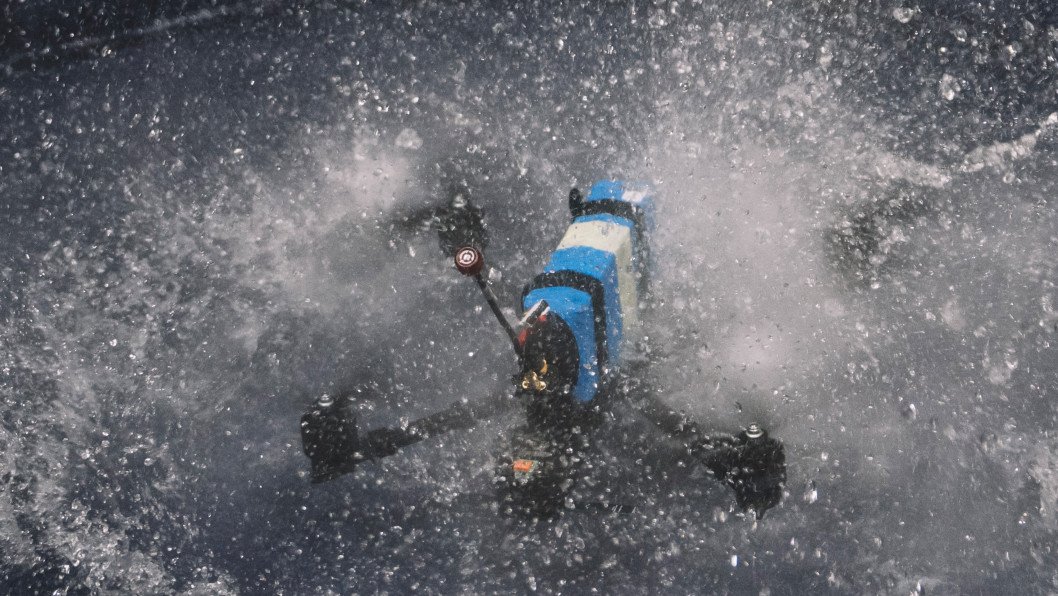
Developing an effective counter-drone system is technically complex, particularly for threats like the Russian-Iranian Shahed drones. While countries such as the United States have opted for more expensive solutions involving guided munitions and rocket engines, Ukraine continues to explore cost-effective drone-based alternatives through private-sector innovation.
Earlier, Ukraine’s 420th KHORT Battalion tested the Queen Hornet FPV drone equipped with a fiber-optic control system and an RPG-75 grenade launcher. The setup enables secure communication in contested EW environments, though the warhead did not detonate during the trial.
Discuss this article:





-72b63a4e0c8c475ad81fe3eed3f63729.jpeg "Photo of Cyril Barabaltchouk")