- Category
- War in Ukraine
Drone-On-Drone War: How Ukraine’s FPV Interceptors Are Beating Russia in the Sky
In the fourth year of Russia’s full-scale invasion of Ukraine, the battlefield is saturated with drones of every shape and purpose. But one type stands out: FPV interceptor drones. These fast, highly maneuverable machines—piloted in real time through video headsets—have become one of Ukraine’s most effective tools for neutralizing Russia’s prized aerial assets, especially the dreaded Lancet loitering munitions.
 Prefer U24 Media on Google
- Authors


More and more, headlines report on Ukrainian FPV interceptors taking down Russia’s latest drones. In March, Ukraine shot down a Russian ZALA KUB-BLA suicide drone for the first time—likely a modified KUB-10 or KUB-2, which debuted in January 2025.
Even back in October 2022, Ukraine won the first recorded “drone-on-drone dogfight,” as Forbes put it, against Russia. Since then, FPV drones have become a defining feature of modern combat.
What is an FPV interceptor drone?
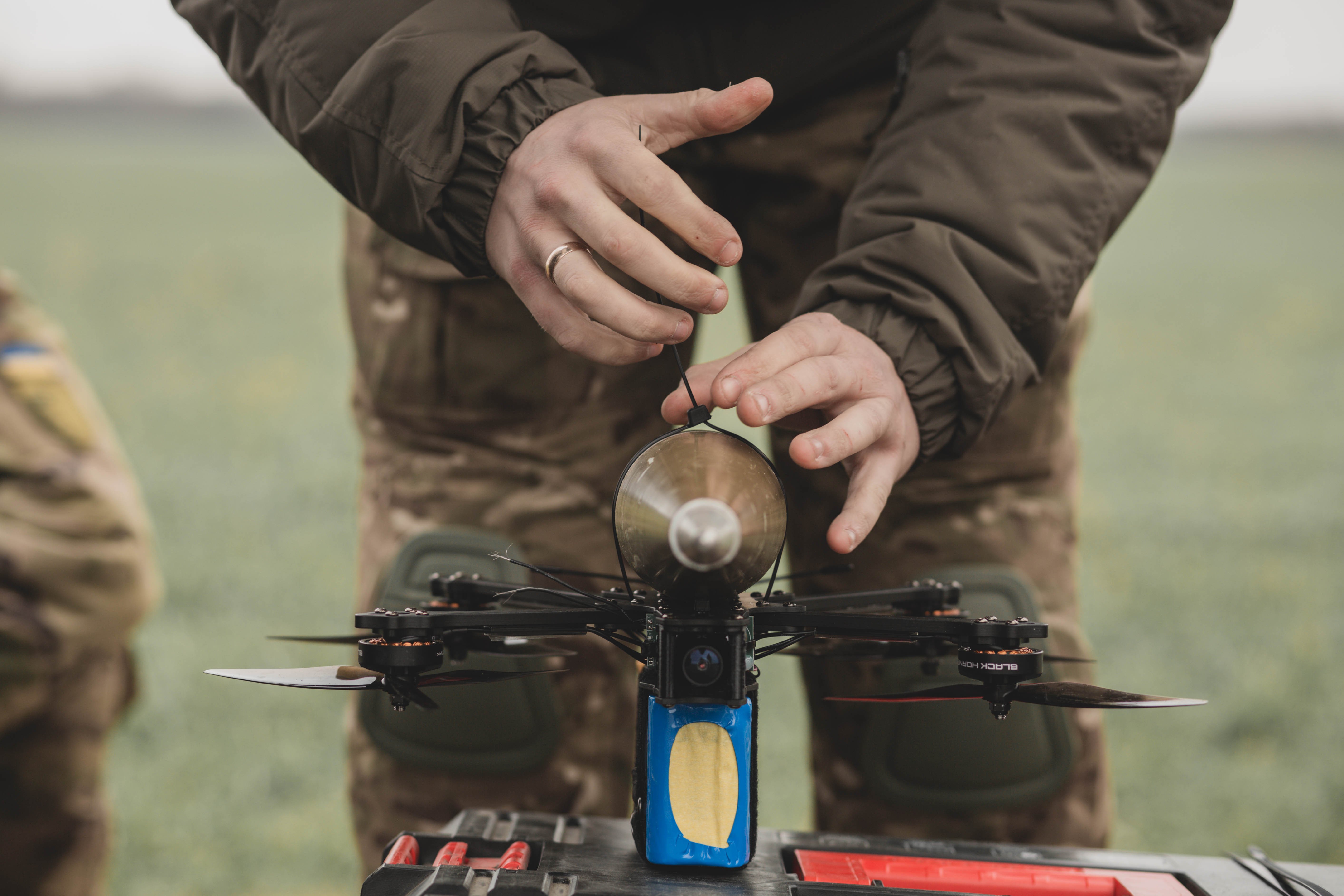
FPV—short for First Person View—refers to drones controlled using real-time video feeds from onboard cameras. Interceptor versions are modified to take out other drones mid-air. They’re typically equipped with small explosive payloads or used to crash directly into enemy drones at high speed.
“FPV interceptor operations are a complex solution,” BRAVE1, Ukraine’s government-backed defense tech accelerator, told us in an interview. “They rely on a combination of detection tools, targeting systems, skilled pilots and operators, and, of course, the interceptor drone itself as the strike element.”
Tracking a fast-moving, often camouflaged drone on a small monitor is “like trying to find a needle in a haystack,” said Canadian volunteer Myasnyk (“Butcher”)—the first foreigner to shoot down a Lancet. Ukraine’s real success came only after each element of the system was developed and integrated into a single, cohesive platform. Today, dozens of trained pilots across the country are doing just that—finding needles in the haystack, one flight at a time.
After months of training and hard work, I got my first confirmed kill as a pilot today. And this one saved lives, given it was a Lancet. Pretty to cool to think that I might be the only non-Ukrainian in the world to have ever taken one down with a fixed wing drone. pic.twitter.com/qLXGilG3in
— М'ясник (@UAMyasnyk) March 9, 2025
Conventional air defense systems can shoot down drones, too. But they are expensive and limited in supply—a single Stinger missile, for example, costs $500,000. FPV drones are cheap, agile, and precise. An effective FPV can be built for just $500, while the drones they’re targeting—like Russia’s Lancet—can run up to $35,000.
Simply knowing that pricy UAVs like Lancets could be brought down by cheap FPV interceptors may be enough to push them farther from the front lines, where they are far less effective.
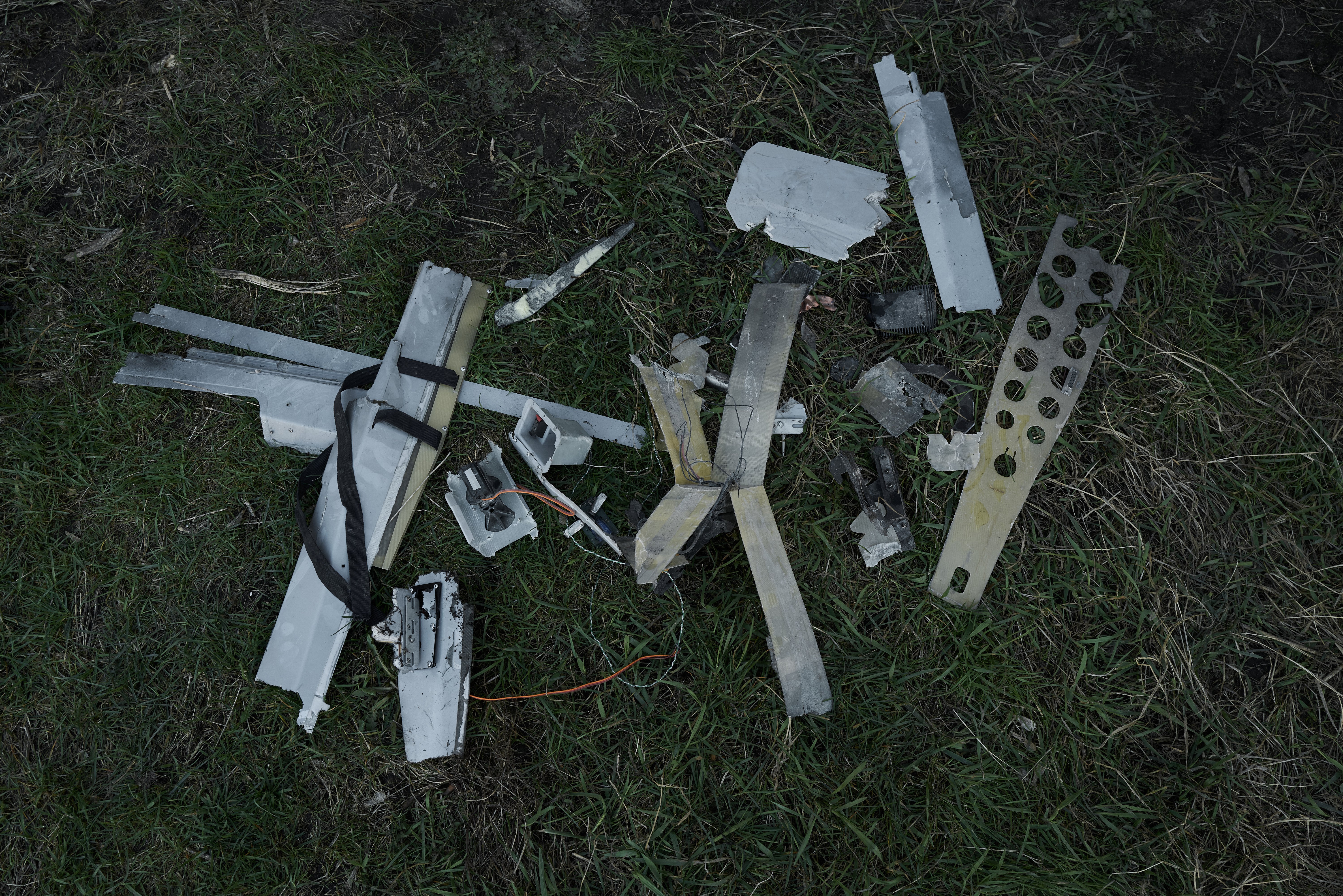
BRAVE1’s call to action
“We should find a solution to shoot such drones down without wasting air defense supply,” BRAVE1 announced in April 2024 in a public call for drone interceptor solutions.
BRAVE1 is widely credited with accelerating Ukraine’s counter-drone innovation. No wonder—following a rapid development push, Ukrainian interceptors began effectively targeting Russian reconnaissance drones.
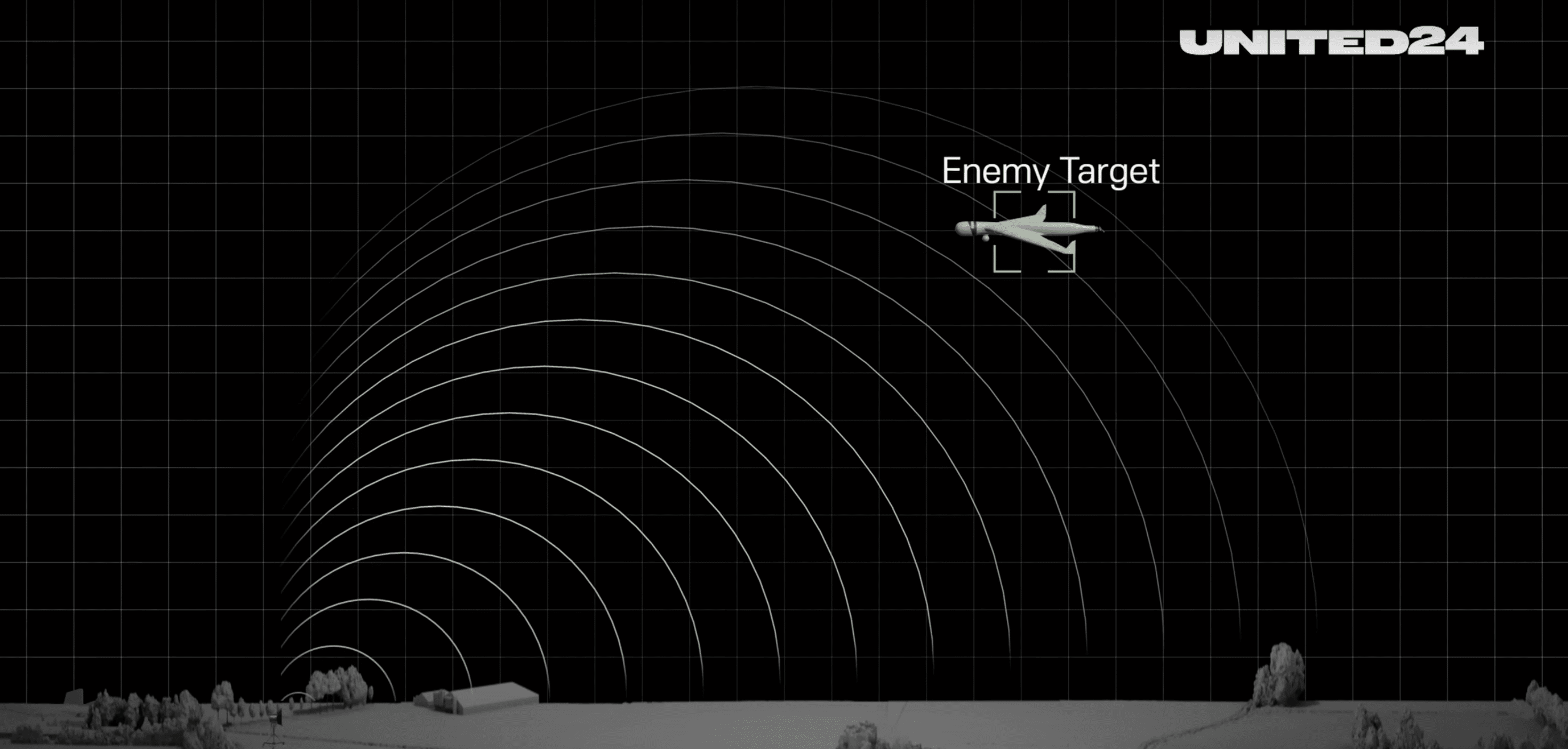
The requirements were a system capable of receiving target data—location, speed, bearing—from external sensors like radar, then launching a drone to pursue and automatically strike the target. These targets, typically Russian Orlan-10, ZALA, or SuperCam reconnaissance drones, fly at 60–100 mph and at an altitude of around 1,500 meters (5,000 feet).
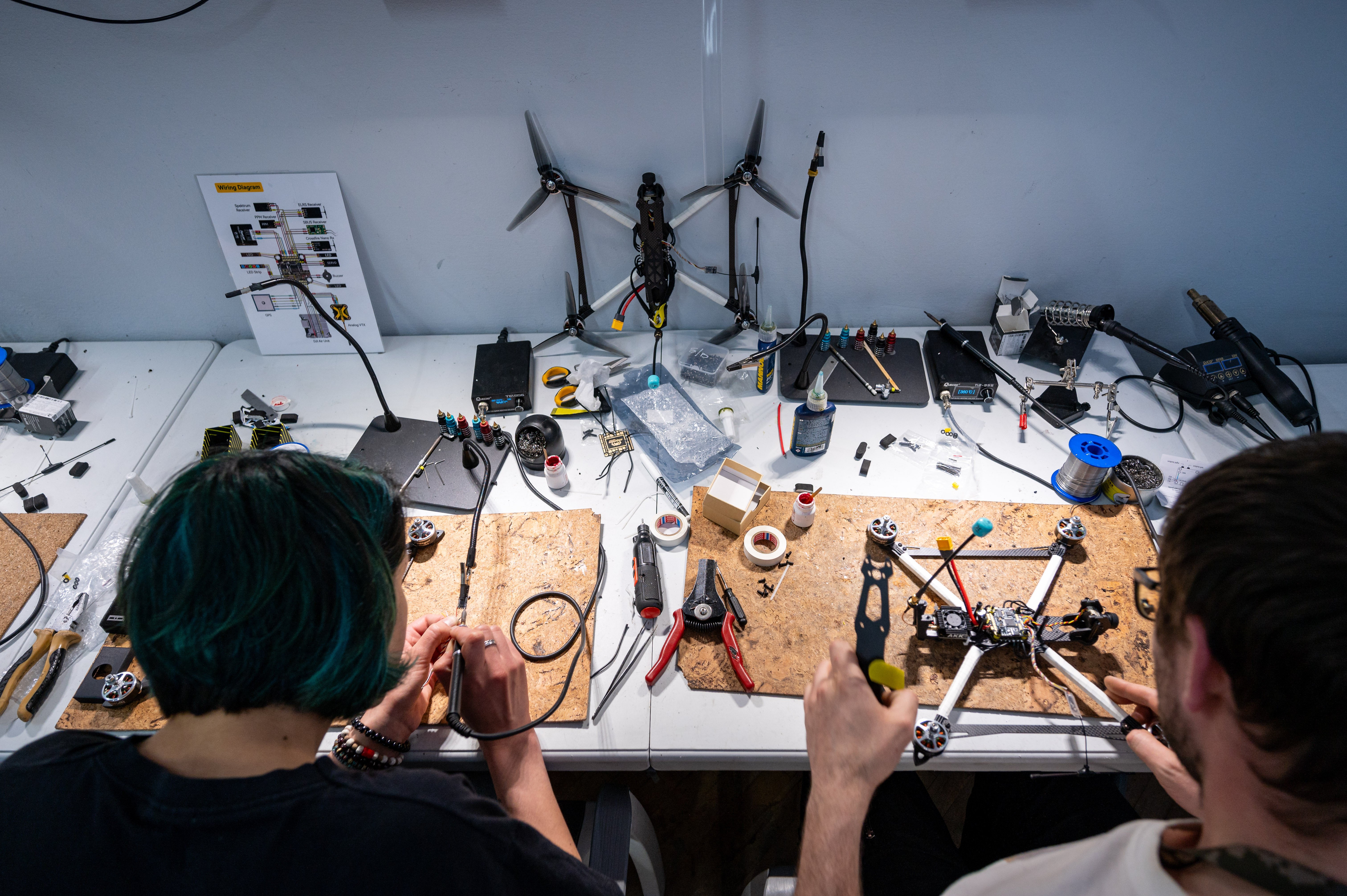
“The first successful interceptions began in late summer,” BRAVE1 told us. In fact, Ukraine’s Border Guards released footage already in June that year, showing an FPV drone intercepting a Russian ZALA reconnaissance UAV from above.
“We held a number of meetings with manufacturers, defense and security officials, testing range staff, and trial teams,” says BRAVE1. “We also provided development grants.”
BRAVE1 allows manufacturers to test their systems in coordination with military units and immediately refine them.
“We regularly collect feedback from frontline units on systems already in use and pass it along to manufacturers,” they say. “It helps improve performance and ensures we can quickly respond to changes on the battlefield or shifts in enemy drone tactics.”
How are FPV interceptors used in combat?
Operators guide the drone through trenches, trees, or high altitudes to intercept a moving target—usually other drones. Once enemy UAVs are detected, FPV drones are launched to hunt them down and take them out. The best pilots can crash their FPVs into fast-moving UAVs from dozens of kilometers away.
Depending on the mission, the interceptor drone may carry a shrapnel charge to disable its target or simply ram into it, especially when dealing with lightweight reconnaissance UAVs.
Ukraine’s 38th Marine Brigade, for example, deploys interceptors that cost between $1,600 and $2,500, depending on equipment like daytime or thermal cameras. These drones can reach speeds of 160 km/h, operate within a 35-kilometer range, and fly for up to an hour. Their speed, affordability, and versatility make them ideal for modern drone warfare.
One of the smartest aspects of Ukraine’s drone doctrine is that interceptors aren’t just used for mid-air kills—they’re used to break the entire Russia’s targeting chain.
Take the Lancet drone, a loitering munition designed to hunt down Ukrainian artillery. But they rely on ZALA drones to find and mark targets. Rather than trying to intercept the Lancets, Ukrainian FPVs often take out the ZALAs. Remove the scout, and the strike never comes.
“When interceptors capable of taking down Zala drones were introduced, Lancet strikes dropped off sharply,” adds BRAVE1.
And the numbers back it up. In fall 2024, Russia’s Lancet strikes dropped from 180 in August to just 24 in November—a 90% decrease, according to Ukrainian activist and drone fundraiser Serhii Sternenko.
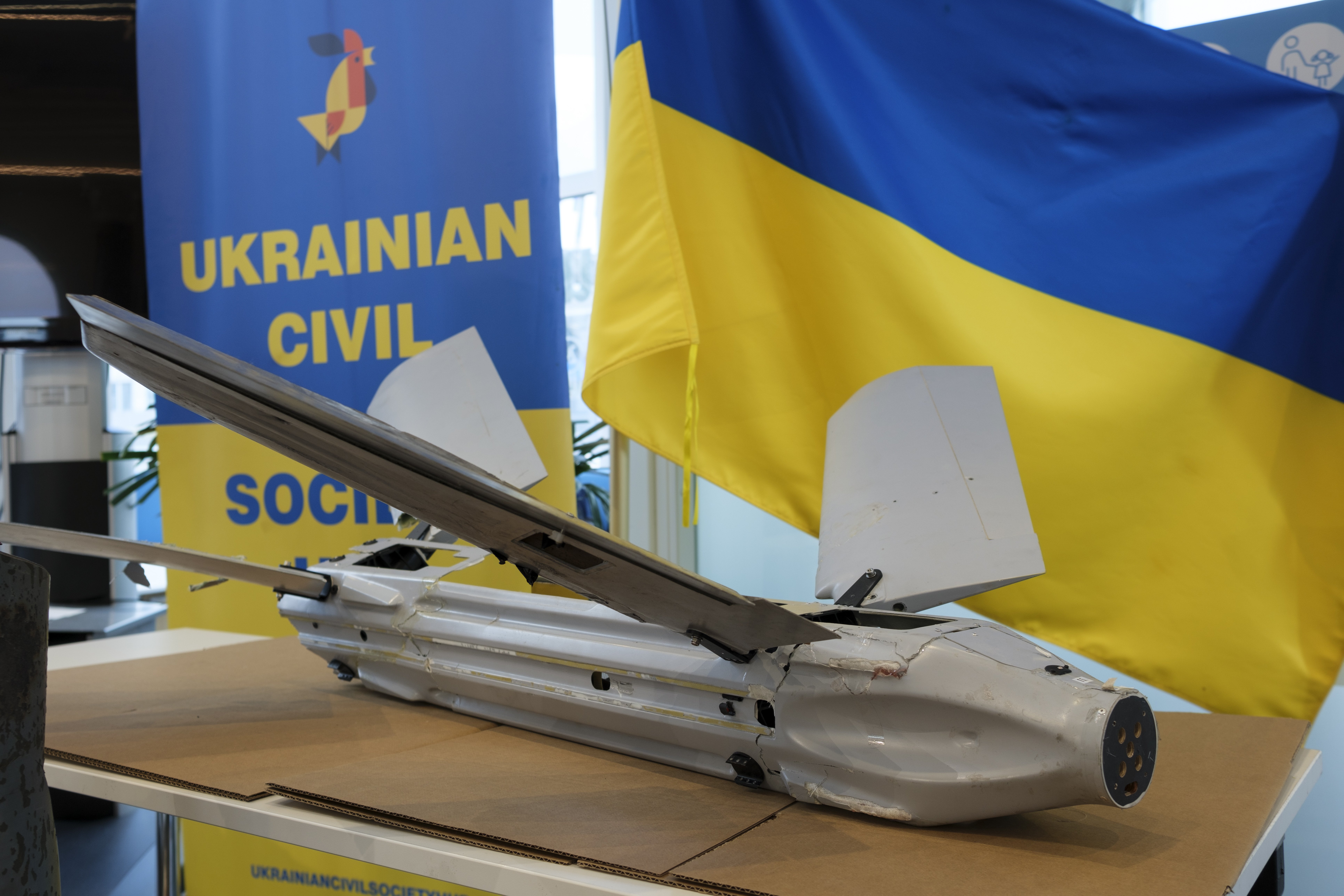
Ukrainian teams have even adapted interceptors to conduct radio reconnaissance. In one case, they used a small device to trace the signal from a Russian Molniya UAV back to its operators, then sent an FPV drone to strike the crew on the ground.
Meanwhile, Ukraine’s legendary Magyar Birds unit has earned a reputation for taking down Molniyas mid-air.
What projects is Ukraine developing to stay ahead?
Ukraine is building a drone army from scratch—and doing it at wartime speed. In 2025 alone, the Defense Ministry plans to procure 4.5 million FPV drones, with 96% of the funding going to domestic manufacturers. New variants include fiber-optic drones that offer better control in electronic warfare environments. The Ministry estimates Ukraine’s industry could produce up to 10 million FPV drones annually if required.
The impact on Ukraine’s defense industry has been massive.
“The enemy constantly changes its drone tactics, so we have to keep evolving too,” says BRAVE1. “We can’t share details about what’s currently in development, but the next step is definitely automation. It will help reduce reliance on human resources and make our drone strikes even more effective.”
Recent standout innovations include:
Vyriy FPV: In March, Vyriy released the first batch of fully Ukrainian-made FPVs. Built for less than $800, they reduce dependency on foreign parts and power the “People’s FPV” initiative, which aims to equip frontline units with low-cost, high-performance drones.
Tethered airships: In response to a wave of Russian “dummy drones” meant to overwhelm defenses, Ukraine turned to smarter, more flexible solutions. In collaboration with other developers, the company Aerobavovna created a balloon-based system to intercept Russia’s Shahed drones. These tethered aerostats, equipped with thermal cameras, can launch interceptors from 800 meters (2,600 feet) in the air—providing surveillance, communications, and mid-air defense.
Shahed killer: In April 2025, Ukraine revealed a high-speed interceptor drone already credited with over 20 Shahed kills. Capable of flying at 200 km/h and reaching 5 km altitude, it’s now the most effective drone of its kind in Ukrainian service. The UAV was showcased during President Zelenskyy’s joint review with Belgian PM De Croo and defense industry leaders.
That speed has caught global attention. As one Pentagon official told the Financial Times, “No US company is keeping up.” Ukrainian drones are cheap, reliable, and designed to survive the world’s most intense electronic warfare environment.
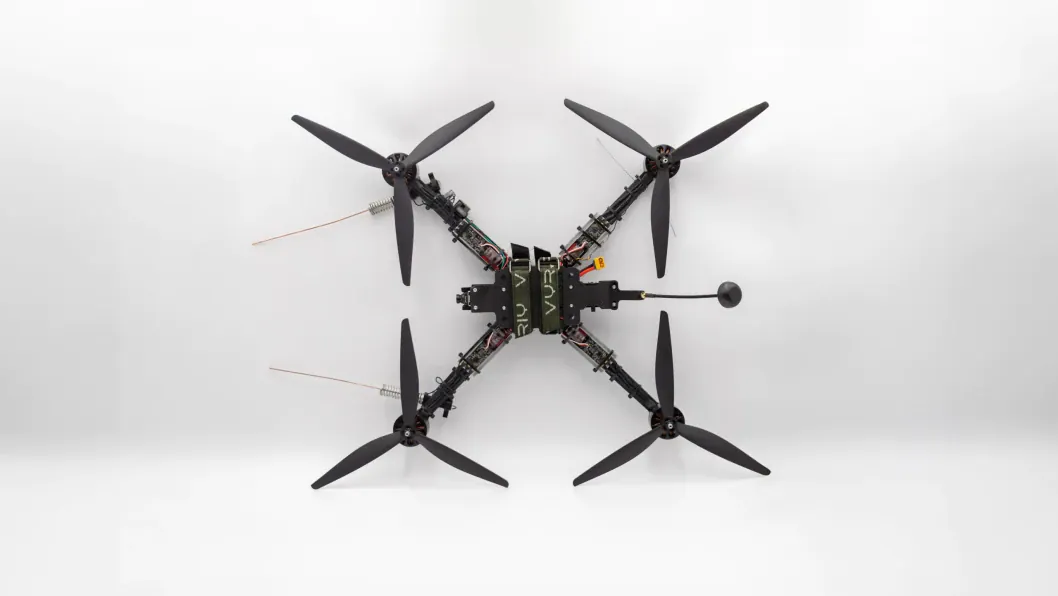
Ukraine is leading in FPV interceptor development
No other country has built, deployed, and refined FPV interceptors at Ukraine’s scale or speed—because no other country has had to.
“We deal with the threat of enemy drones every day,” says BRAVE1. “We know just how urgent it is to get new counter-drone tech to the front lines fast.”
Direct collaboration with the military and battlefield testing allows Ukrainian manufacturers to bring developments to a finished, deployable product more effectively.
“It helps us turn ideas into ready-to-use tools fast,” says BRAVE1. “We regularly invite foreign companies to test their technologies in Ukraine—it’s a surefire way to accelerate their R&D. On our end, we’re ready to provide everything needed for real-world testing.”
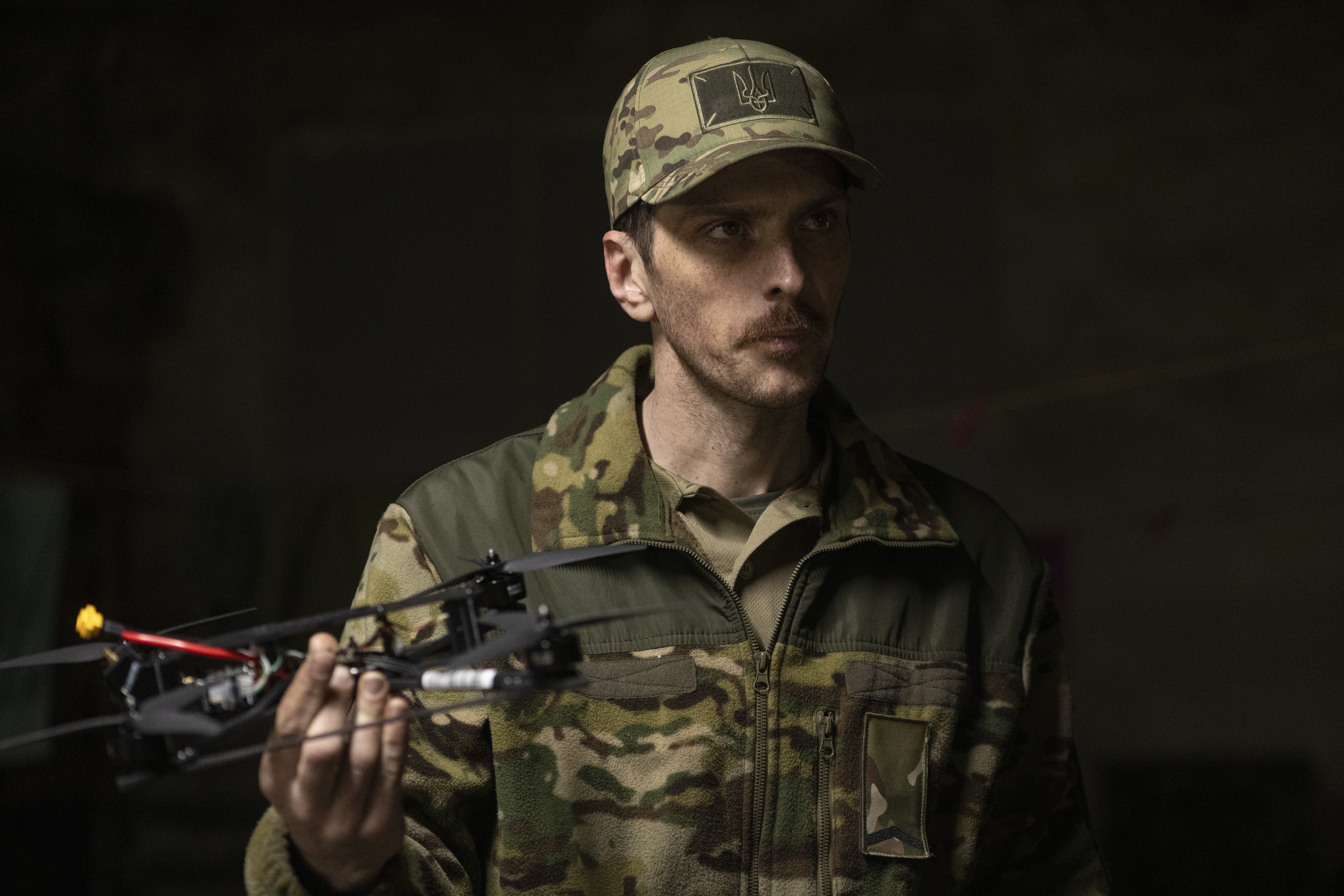
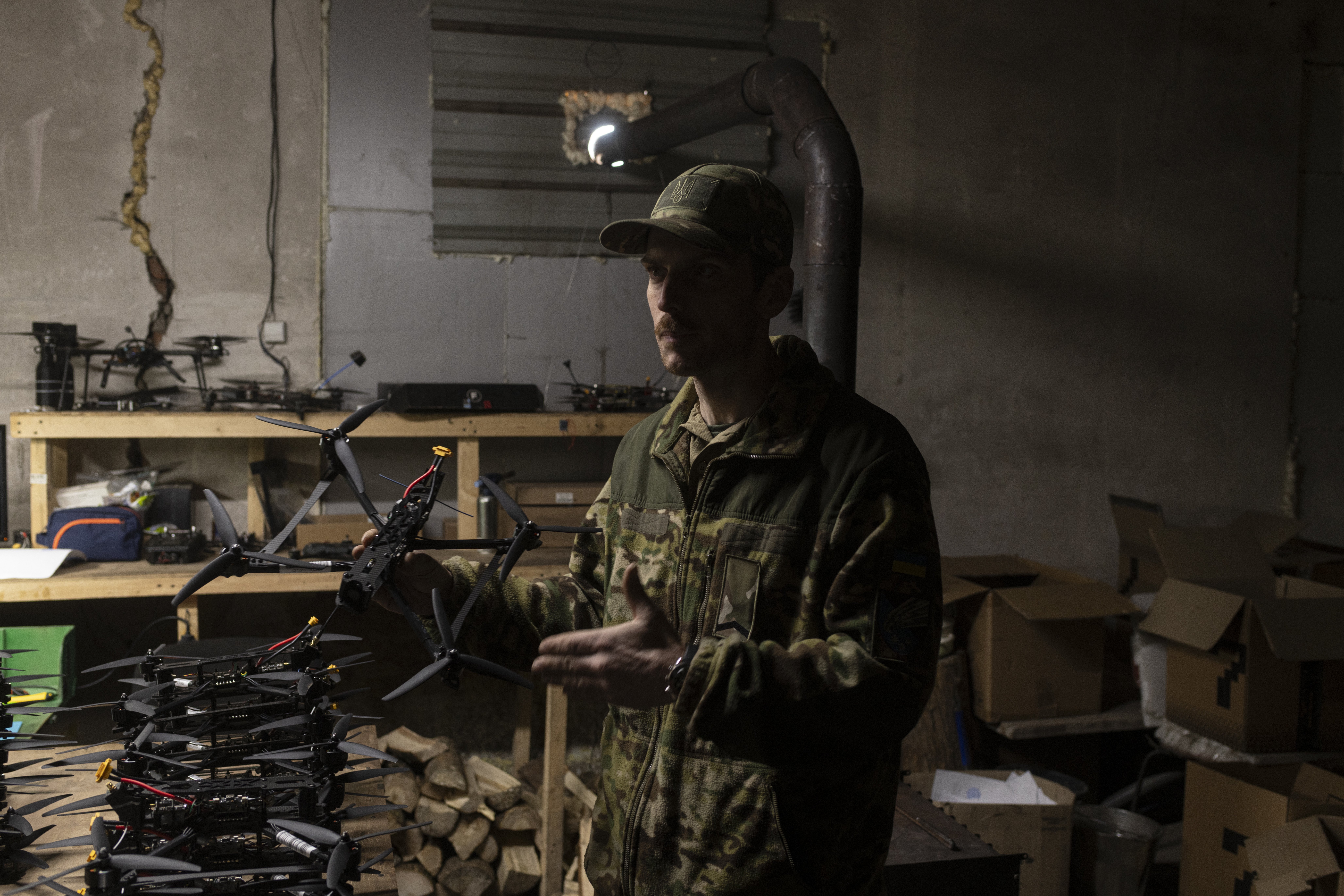
Ukraine’s edge lies in five key factors:
Battlefield necessity: drones are refined through real combat, not just lab simulations.
Decentralized innovation: volunteers, engineers, and military units work side by side to develop and adapt.
Cost-effectiveness: systems are affordable enough to deploy at scale and replace quickly when lost.
Fast feedback loop: fixes happen in days, not months.
Global collaboration – Ukrainian and Western partners are already co-designing the future of air defense.
Russia still relies on centralized, rigid defense systems and often corrupt procurement processes. Ukraine’s drone force has to operate like a living organism: adaptive, fast, and always evolving. Russia has even attempted to mimic Ukraine’s model by planning to create its own drone forces.
As Ukraine scales up production and refines its tactics, FPV interceptors will only become more lethal and precise. They’re already not just defending Ukrainian skies, but reshaping how the world thinks about air defense.
Discuss this article: