- Category
- Latest news
Russia Prepares to Import Gasoline as Drone Strikes Deepen Nationwide Fuel Shortage
 Prefer U24 Media on Google
- Authors


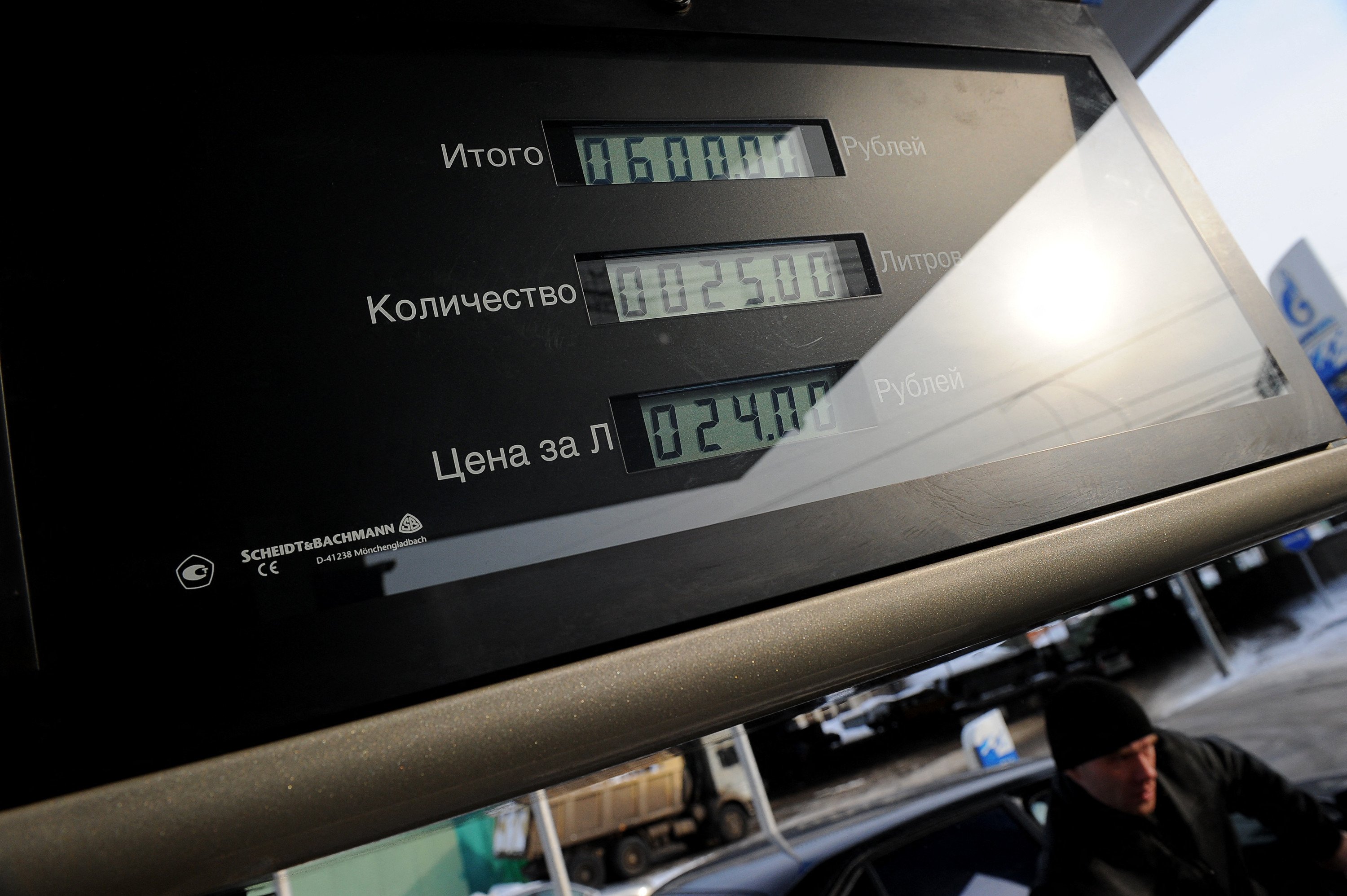
Russia is preparing to begin importing gasoline due to a fuel shortage caused by a series of Ukrainian drone strikes on the country’s oil refineries, The Moscow Times reported on September 30.
This decision is being implemented through the Eurasian Economic Commission (EEC), an intergovernmental body that includes Russia, Armenia, Belarus, Kazakhstan, and Kyrgyzstan. The EEC is responsible for overseeing trade policies and economic integration among its member states.
The Commission has announced the removal of import duties on gasoline, diesel, marine fuel, and jet fuel, which will remain in effect until June 30, 2026, in response to “declining production volumes.”
The decision will take effect in 10 days, according to Andrei Slepnev, the minister of trade for the (EEC).
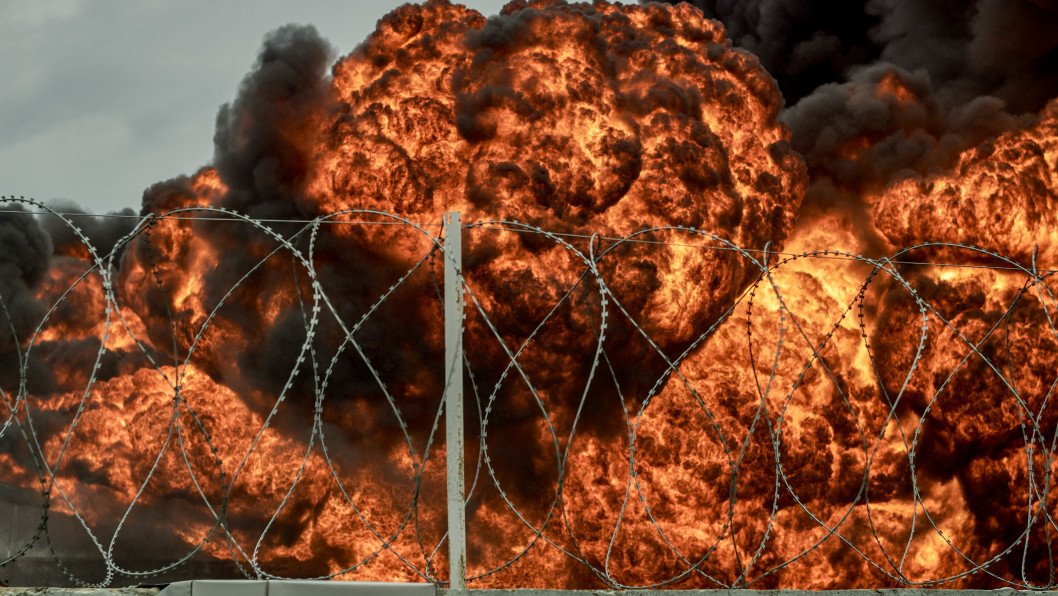
The Russian fuel market is currently missing around 20% of its monthly gasoline consumption, amounting to 400,000 tons out of the 2 million tons required. A source familiar with the supply-demand balance told Kommersant that the situation is “critical” after drone strikes forced at least six refineries to stop production, causing a 1 million-ton reduction in gasoline output in September.
The shortage is most severe in the already supply-challenged regions of temporarily annexed Crimea and the Russian Far East. Starting September 29, Crimea implemented strict retail limits on gasoline sales, allowing no more than 30 liters per person. At the same time, regional head Sergey Aksyonov announced fixed fuel prices—70 rubles ($0.70) per liter of A-92, 76 rubles ($0.77) per liter of A-95, and 75 rubles ($0.76) per liter of diesel.
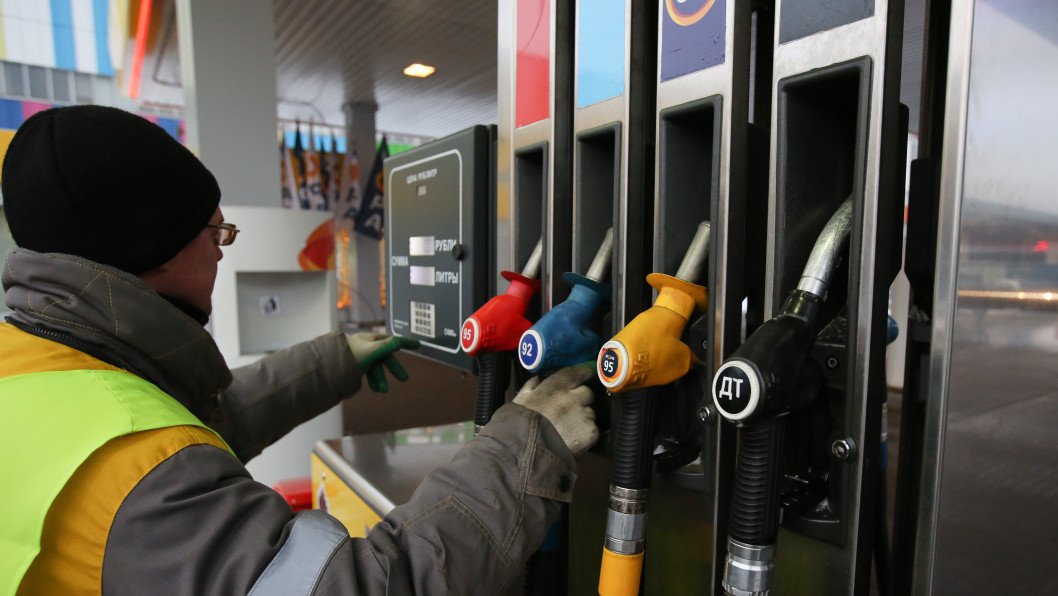
Initially, independent gas stations were hit hardest by the shortage, with some closing their doors entirely. Even large fuel companies are now facing issues, according to Pavel Bazhenov, president of the Independent Fuel Union. Problems have been reported in Kirov, Nizhny Novgorod, and Kostroma regions.
The Moscow Times highlights that to alleviate the fuel market crisis, the Russian government has extended its ban on gasoline exports until the end of 2025, now covering diesel as well. In July, Russia sharply increased gasoline imports from Belarus by 36% compared to last year, with September imports jumping by 168% from August. However, these imports—97,000 tons over three months—cover less than 2% of domestic demand.
The government is expected to ease environmental standards for refineries to allow them to produce more gasoline, sources tell Kommersant. Additionally, Russia may increase its oil shipments to Belarus to boost gasoline imports.
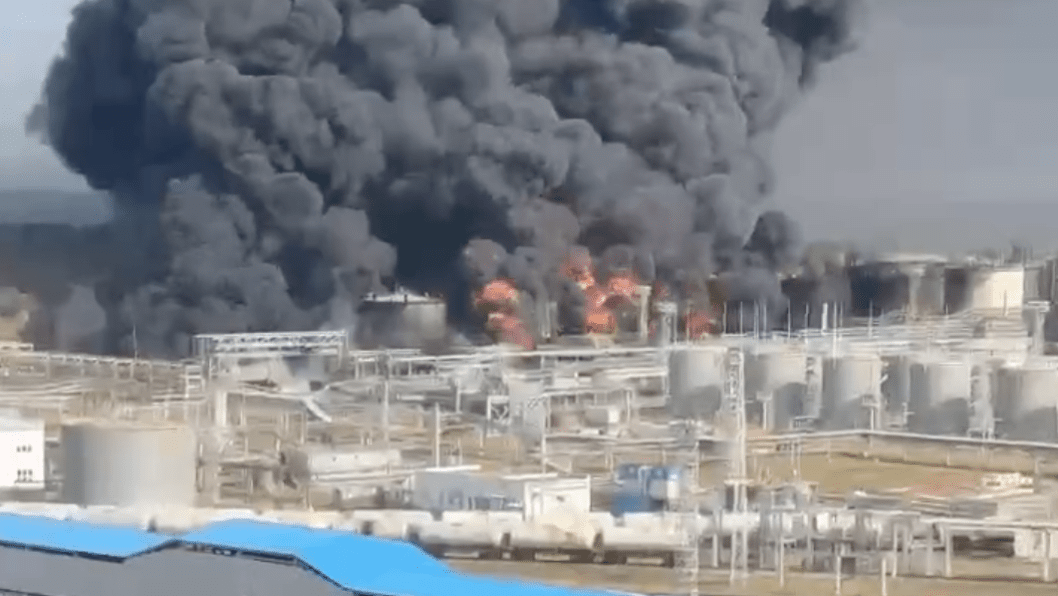
According to Reuters, the oil industry lost 17% of its refining capacity in August due to drone strikes, with a record-breaking 23% downtime across refineries, totaling 6.4 million tons. In September, at least seven more refineries were hit, including those in Ryazan, Saratov, Samara, Volgograd, Ilysk, Ufa, and Leningrad regions.
Wholesale gasoline prices have surged by more than 40% since the beginning of the year, driving up inflation as fuel price hikes inevitably increase costs in agriculture, transport, and logistics, which are passed on to consumers in the form of higher prices for food and essentials, according to Freedom Finance Global analyst Vladimir Chernov.
Tough administrative measures, however, do not address the industry’s fundamental problems, meaning inflationary pressures are likely to persist in the coming months, Chernov warns.
Earlier, in a video message marking the third anniversary of Russia’s annexation of four Ukrainian regions, Russian leader Vladimir Putin declared that Russia is fighting a “righteous battle” to uphold the will of the people in Luhansk, Donetsk, Zaporizhzhia, and Kherson.
Discuss this article:
-4a56a6b482ec132402c16ef6fcabf9a2.png)

-c439b7bd9030ecf9d5a4287dc361ba31.jpg "Photo of Katherina Popilnichenko")