- Category
- War in Ukraine
Russia’s Fuel Crisis Explodes Just Like Its Refineries Ukraine Strikes
 Prefer U24 Media on Google
- Authors

-29a1a43aba23f9bb779a1ac8b98d2121.jpeg "Photo of Illia Kabachynskyi")
After a wave of Ukrainian strikes on Russian refineries and a seasonal price surge, Russia’s fuel sector is sliding deeper into crisis. Ukraine’s disruption of logistics is proving effective, as civilians grow unwilling to endure the Kremlin’s “everything for the front” policy.
Ukraine’s precision strikes
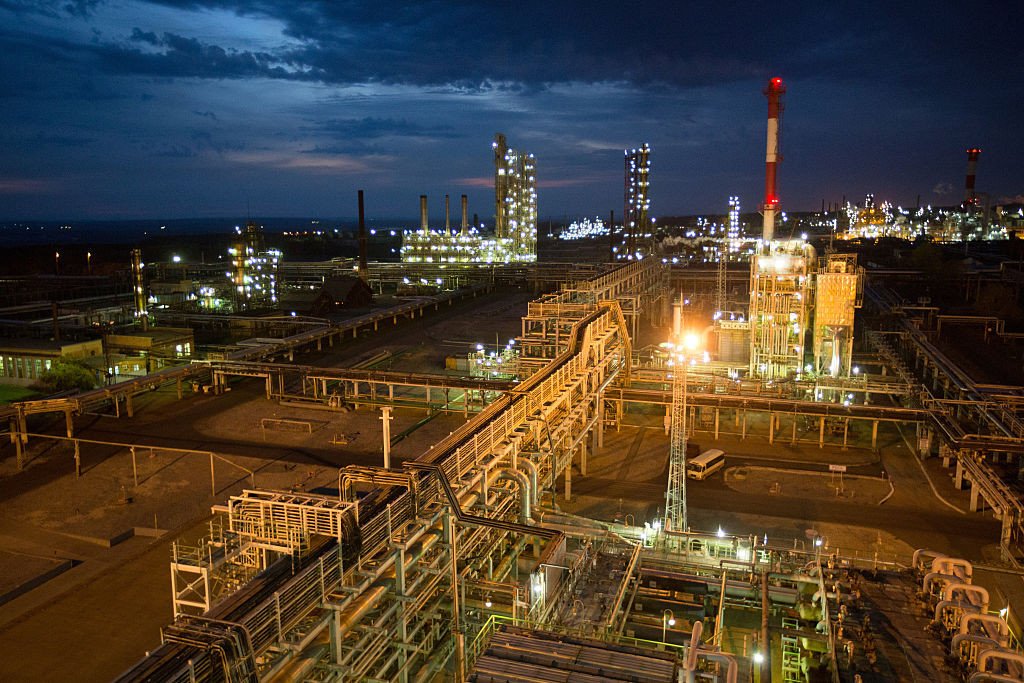
Ukraine’s General Staff confirmed on August 24 that the Main Intelligence Directorate and the Unmanned Systems Forces struck Russia’s Syzran oil refinery. With an annual processing capacity of about 8 million tons of crude oil—roughly 3% of Russia’s total refining volume—the plant is a major producer of gasoline.
Meanwhile, a fire at the Novoshakhtinsk refinery has been burning for four consecutive days and remains uncontrolled. At the time of the strike, this was already the seventh refinery in Russia targeted by Ukrainian drones since early August. At least 17% of the country’s refining capacity has been taken offline, according to Russian analysts. It remains unclear when, or if, these facilities will resume operations. There are suspicions that some refineries have sustained critical damage and may remain out of service for an extended period.
Prices are climbing as a result. In early August, a ton of gasoline sold for over 77,000 rubles (about $980), already a record high. Fresh strikes on refineries pushed prices even further up: by mid-to-late August, the cost of a ton of A-95 gasoline reached 82,300 rubles ($1,023) and continues to rise. This is 55% higher than prices in January 2025.
Kremlin’s controls fail
The Russian government is trying to prevent suppliers from sharply raising retail prices to protect the domestic market. Since July 2025, it has banned gasoline exports to ensure internal supply. Yet this has not been enough—prices keep rising. Year-on-year, they are up more than 10%, surpassing 60 rubles (about 75 cents) per liter.
Several factors are compounding the crisis:
Seasonal demand: August is peak season for farmers, who consume large volumes of fuel.
Air travel disruptions: Russia’s war has caused constant flight delays and cancellations, forcing more people onto the roads.
Railway bottlenecks: Rail transport prioritizes military logistics, which further increases demand for road transport.
The war front itself remains a decisive factor. With over 600,000 Russian troops and vast quantities of equipment at the front in Ukraine, ever more fuel is being redirected to sustain military operations. As a result, civilian markets are increasingly deprived of supply.
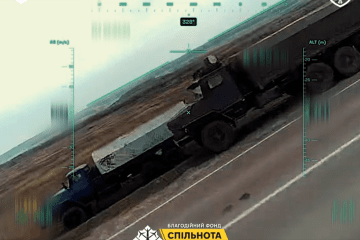
In recent months, Ukraine has also waged a successful logistical campaign, destroying entire fuel trains along with their cargo. These strikes have further slowed Russian distribution, straining resources even more.
Entire regions are now affected by the fuel crisis, including Russian-occupied Crimea, where gas station chains are facing acute shortages, often going several days without fuel. Some Russian regions have introduced rationing through card-based systems.
Russia’s outlook remains bleak
While Russian officials insist shortages will ease once the farming season and summer holiday travel end, the outlook is bleak. Ukraine continues to hit Russian refineries with precision, inflicting serious damage, while international sanctions complicate repair efforts.
Every refinery is a legitimate target for Ukrainian drones: they supply the front with fuel in significant volumes, sustaining Russia’s offensive. Moreover, oil and refined petroleum sales are among the Kremlin’s primary sources of revenue, effectively financing the war. But with global oil and gas prices depressed in 2025, Russia faces a mounting budget deficit that has already exceeded permissible levels—with no clear source of additional funding in sight.
Discuss this article:




-111f0e5095e02c02446ffed57bfb0ab1.jpeg "Photo of Roman Kohanets")