- Category
- War in Ukraine
World War II Ended on This Day. Ukraine Is on Day 1,652—What Did the War Look Like at the Same Point in 1944?
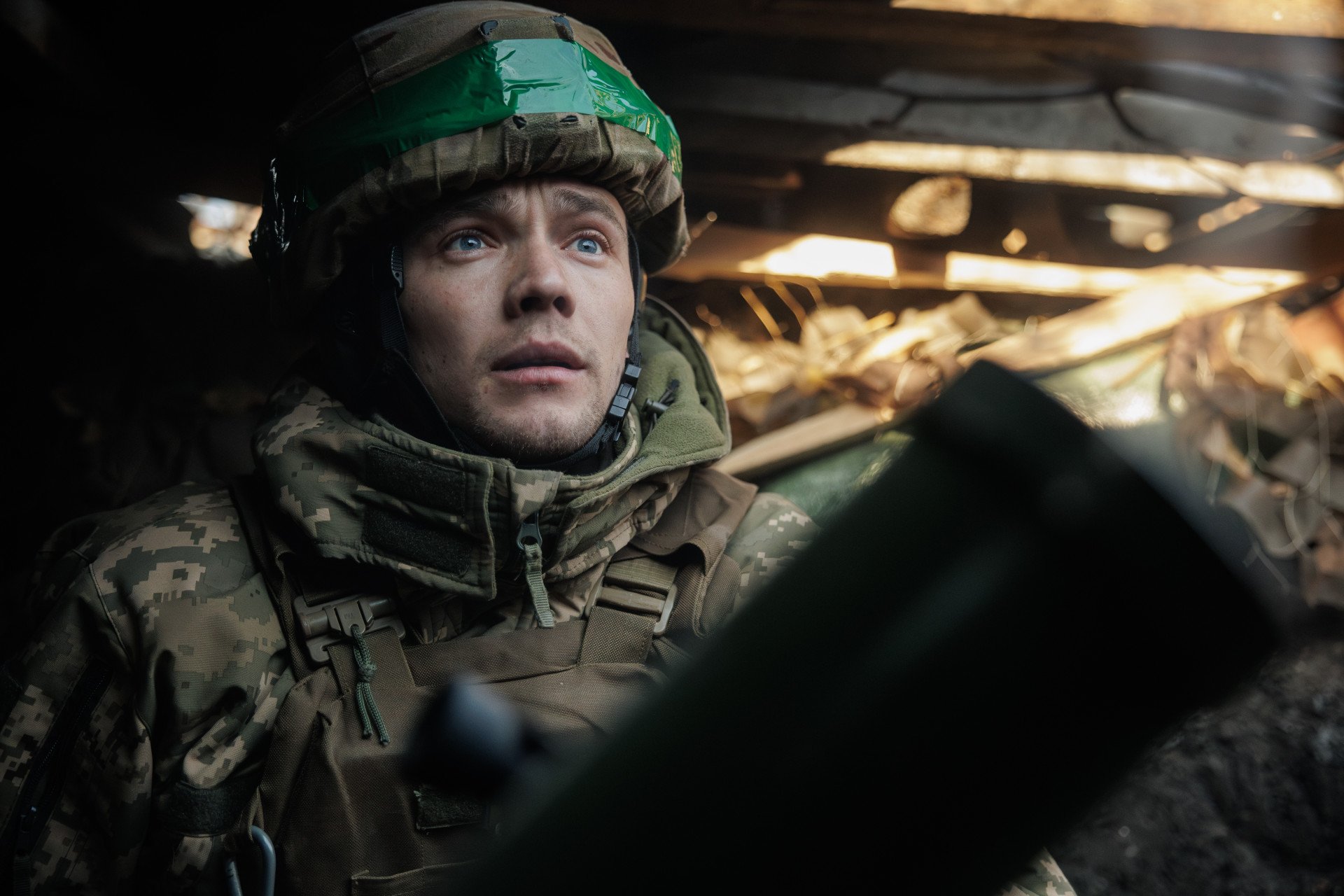
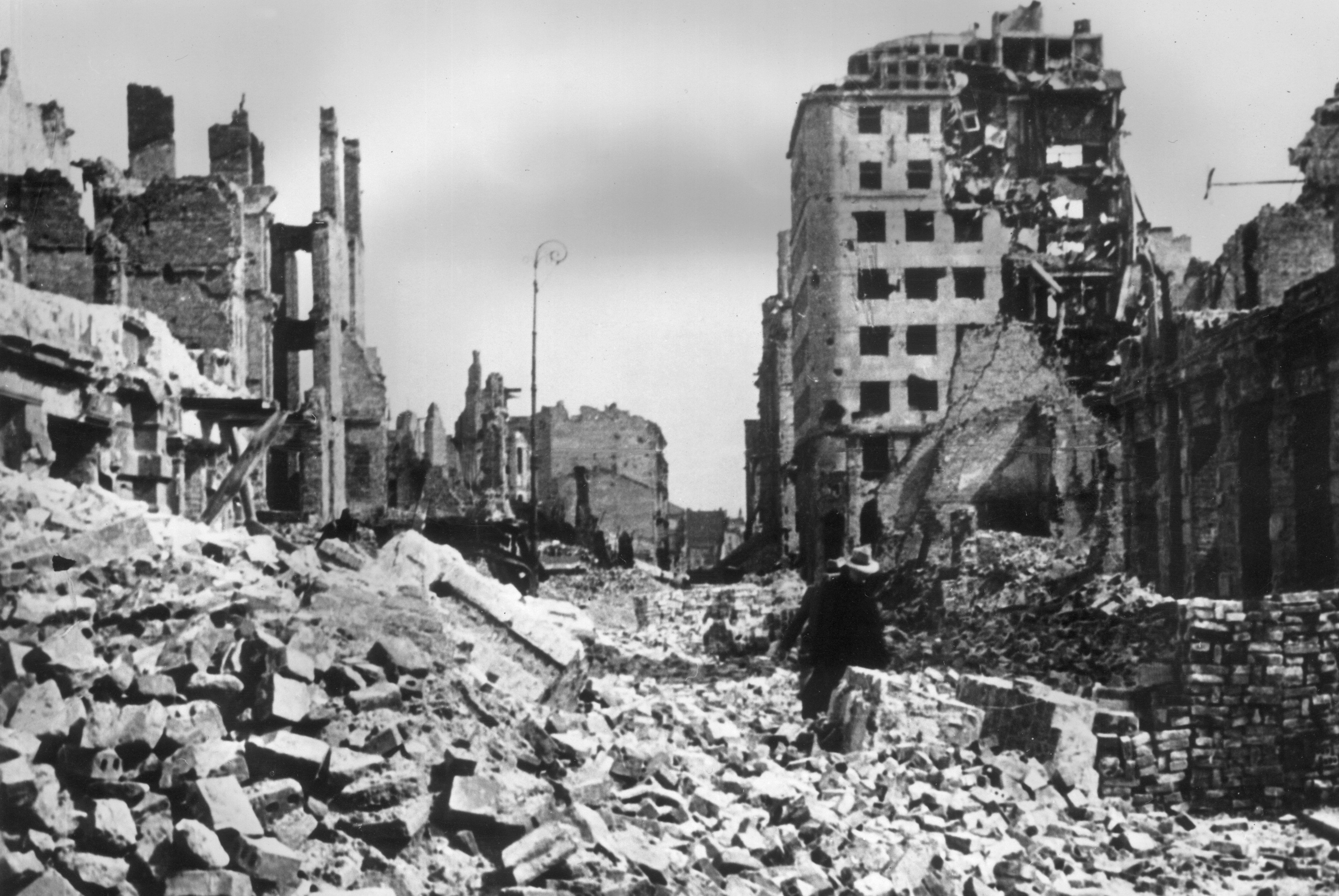
World War II ended 81 years ago today. But rewind to the same point in days where Ukraine finds itself—victory was still far from sight. It was March 1944: much of Europe remained under Nazi occupation, D-Day was still months away, and Japan would not surrender for another 17 months. What the Allies did have, however, was a plan to act together. That would prove decisive.
 Prefer U24 Media on Google
- Authors

-29a1a43aba23f9bb779a1ac8b98d2121.jpeg "Photo of Illia Kabachynskyi")
September 2 marks Japan’s surrender and the official end of World War II—one of the most consequential victories in human history, one that stopped the spread of Nazism and prevented the world from becoming one dominated by dictatorship and evil. For Ukraine, today marks Day 1,652 of Russia’s full-scale war. If we go back 80 years, on Day 1,652 of World War II, the situation on the front was anything but easy.
The beginning of March 1944 offered little cause for optimism among the Allied forces: the campaign in Italy had stalled, while the Soviet Union, despite making gains on the battlefield, was advancing extremely slowly. The complete liberation of the territory of present-day Ukraine would come only eight months later, in October. At the time, a difficult offensive campaign to liberate Right-Bank Ukraine was underway.
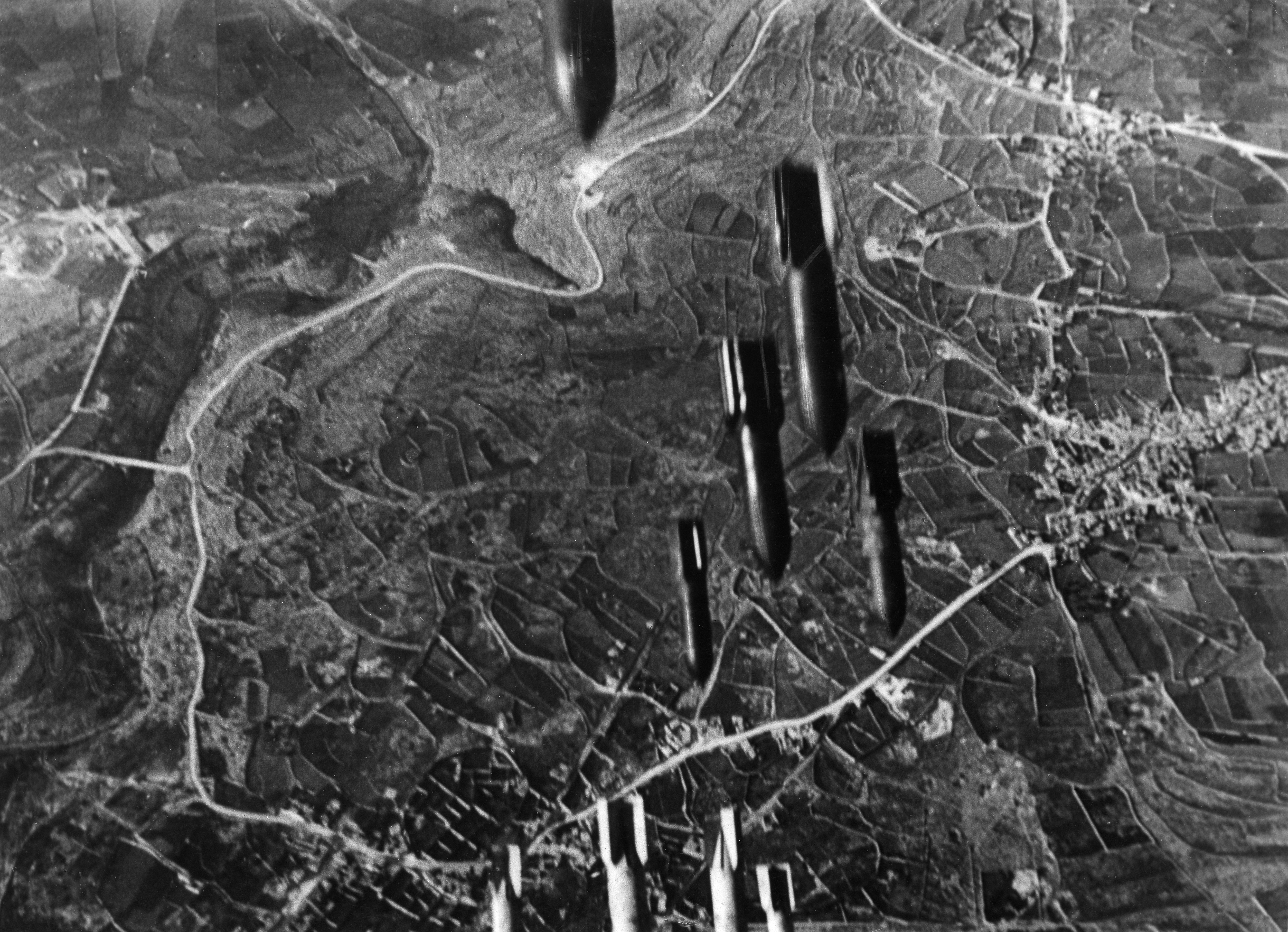
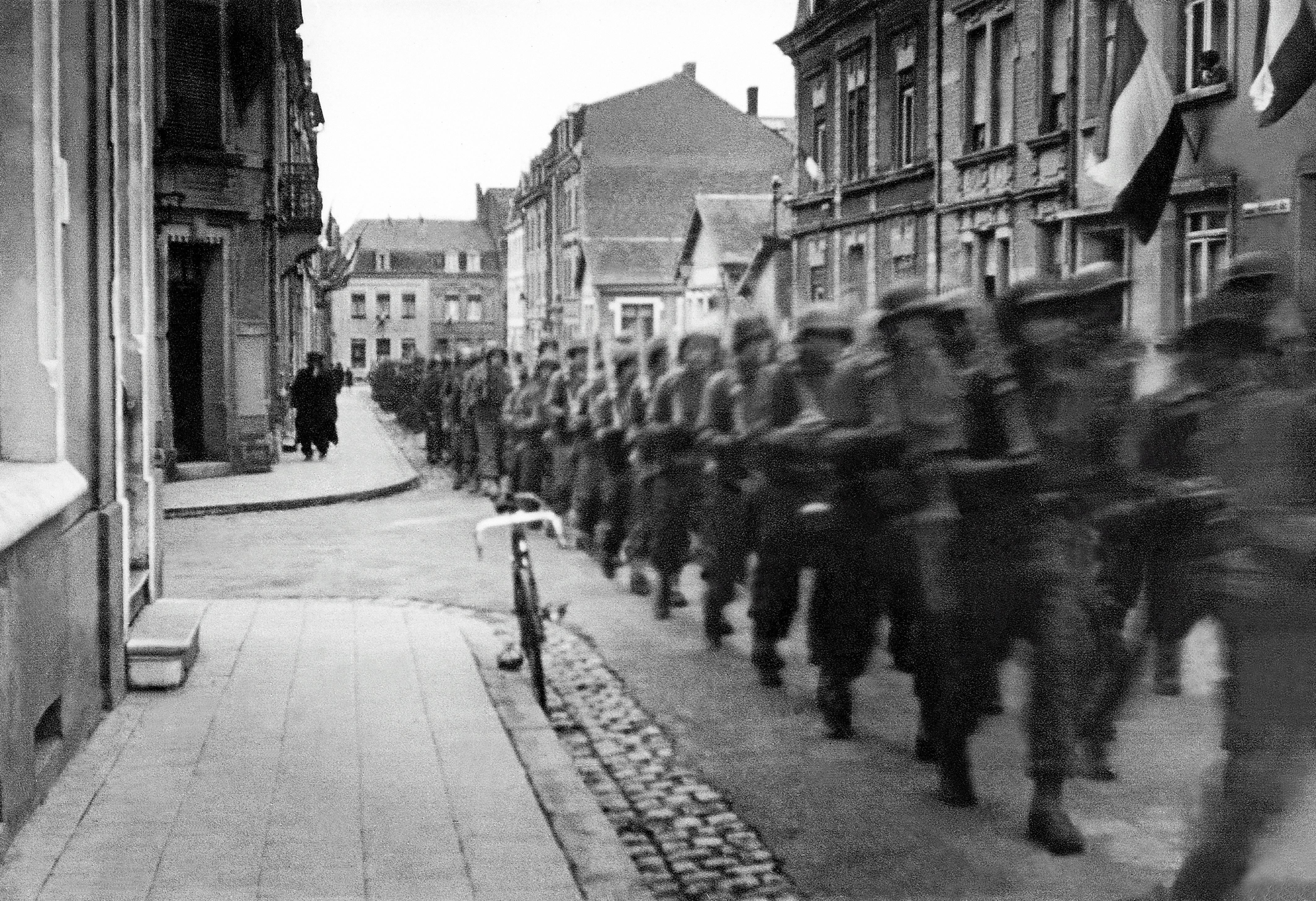
What was happening in World War II on day 1,652?
On the morning of March 9, military commanders could mark another milestone in their notebooks: Day 1,652 of the largest war in human history. It was a total war that had engulfed several major continents and affected tens of millions of people around the world. By then, millions had already been killed, both soldiers and civilians. Part of Europe remained under German occupation, hundreds of thousands were prisoners, and the full scale of the Holocaust’s victims was not yet known.
In Ukraine, the Uman–Botoșani Offensive had begun just four days earlier, with German forces being pushed westward through difficult spring conditions.
The Western Allies were increasingly taking the war directly to Germany. Preparations were also accelerating for Operation Overlord—on March 9, a Churchill-Roosevelt message reveals that Britain needed its naval resources for the coming invasion of Western Europe, including 42 destroyers for close-shore duties during the operation.
By March 1944, the Allies had built an enormous system for producing and moving weapons, vehicles, fuel, food, raw materials, and industrial equipment across continents. Through Lend-Lease, American production was also helping sustain forces fighting Germany on the Eastern Front. On March 9, the US House Committee on Foreign Affairs was holding yet another hearing on legislation to extend the Lend-Lease Act for another year.
Allied strategy before D-Day
Although from today’s perspective it may seem that the turning point was just around the corner, the planned Normandy landings were still two months away—a wait that would ultimately stretch to three, to June 6.
At the time, it felt endless.
The situation on the front remained tense, and there was still no certainty that Hitler’s army would be defeated. One of the most dramatic developments on the Eastern Front was still weeks away. By late March, Germany’s 1st Panzer Army would be encircled near Kamianets-Podilskyi and suffer heavy losses.
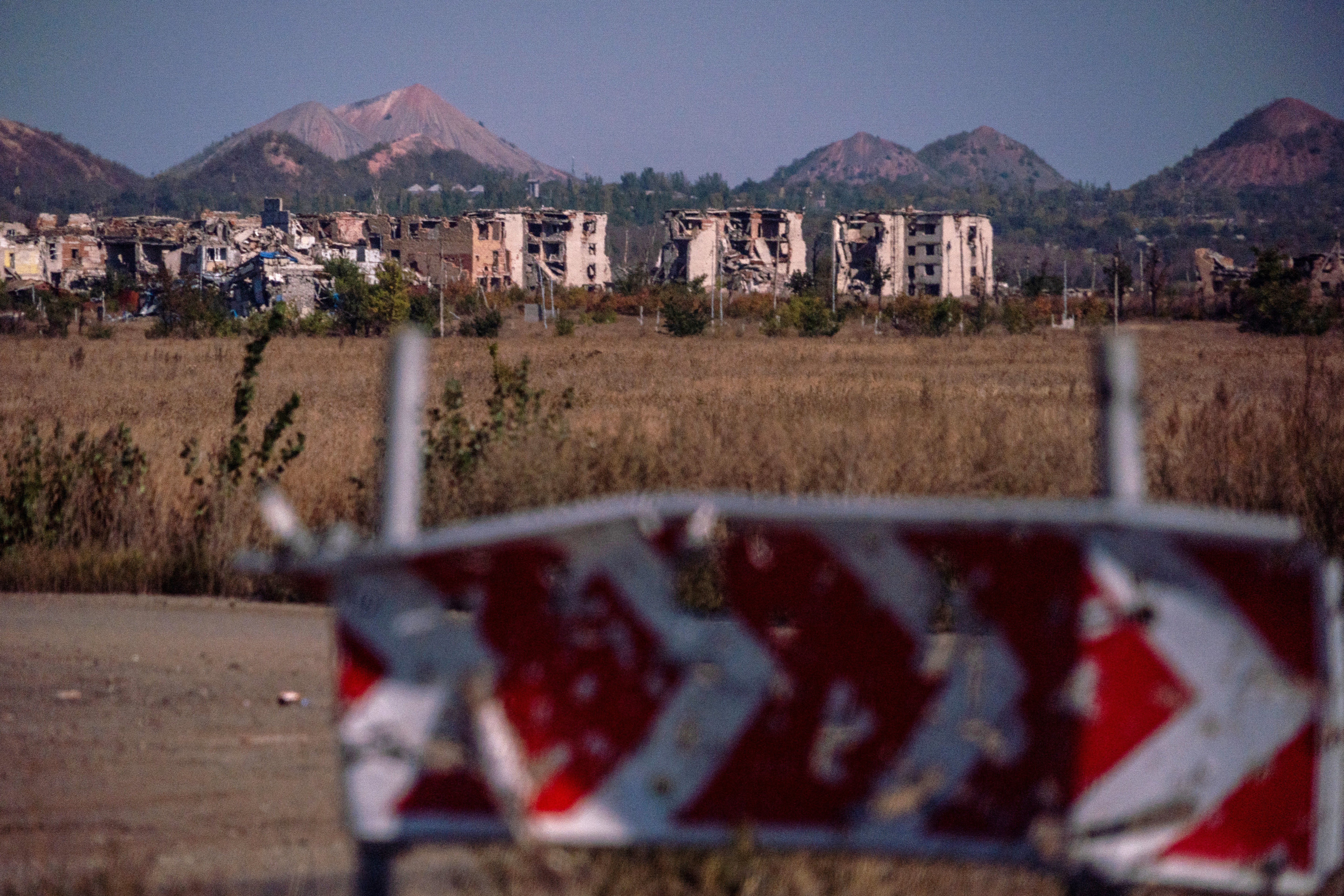
The war that began in September 1939 had dragged on for far too long, forcing the world to mobilize every available resource in the fight against Hitler. Nazi-occupied countries were subjected to relentless extraction of their resources, mass mobilization, total war, and enormous, continuing losses. In early 1944, Germany was still launching air raids against Britain, including London, even as Allied bombing increasingly brought the war deep into Germany itself. Eight decades later, Russia’s missile and drone attacks are subjecting Ukrainian cities to prolonged air alerts, with attacks that once came predominantly at night increasingly extending into daylight hours and, at times, continuing around the clock. The war in the Pacific was also inflicting enormous casualties.
But there was one development that helped determine what the next 500+ days of the war would look like and what would ultimately help bring it to an end.
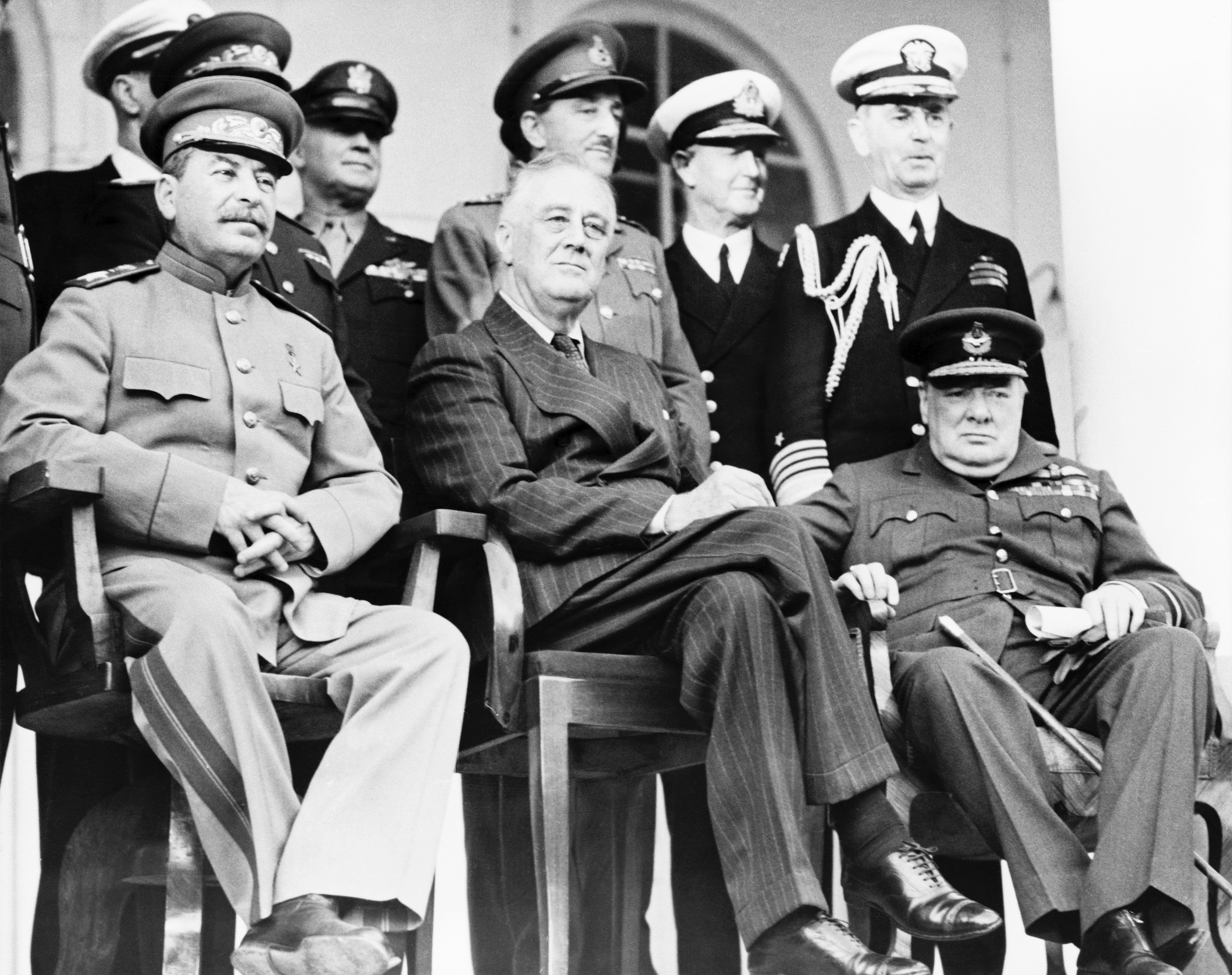
At the Tehran Conference in late 1943, Roosevelt, Churchill, and Stalin agreed to open a second front. Although months would still pass before the plan was put into action—May 1944 was initially discussed as the target—the very knowledge that a coordinated plan existed provided at least some sense of certainty about what was happening and what needed to be done next.
The preparations for the Normandy landings, the anticipation of D-Day, and the landings themselves were far from easy. Nazi Germany would continue fighting Allied forces for nearly another year, effectively squeezed from all directions and forced to defend itself simultaneously against several powerful allies.
What proved decisive, however, was the shared understanding of what needed to be done—and how it needed to be done collectively—to achieve the desired outcome: ending the war.
What does day 1,652 look like for Ukraine?
Today, the front line in Russia’s war against Ukraine stretches for 1,200 kilometers. And that is only the visible front, where Ukrainian forces are deployed to defend their country. This can create the impression that the war is being fought between just two countries.
But there is also an invisible front.
It runs through the Black Sea, through Romanian and Moldovan airspace, through Poland and the Baltic states, and across the Baltic Sea. Hybrid warfare is taking place in Europe and Scandinavia, throughout Central and Eastern Europe. Then there are Iran and North Korea, which are absorbing Russian experience and technology and applying them in their own regions.
-5cb7e9e1318be990d6b922ede67c233b.png)
Ukraine, Europe, the United States, Canada, Japan, South Korea, and the countries of the Middle East must work together toward a common solution that will end the war, bring all sides to the negotiating table, and allow the world to return to peace.
Collective action is, in fact, already producing results. Ukraine is applying military pressure; its partners are applying pressure through sanctions; and international financial assistance is enabling Kyiv to withstand not only the armed assault but also the economic challenges of wartime. More pressure will be needed to bring Putin to the negotiating table. The Kremlin leadership, Russia’s elites, and Russian society as a whole must understand that the war will become too costly for them to continue. History has seen similar dynamics in previous world wars.
Discuss this article: