- Category
- Latest news
Russia and China Veto UN Resolution to Reopen Strait of Hormuz
 Prefer U24 Media on Google
- Authors

-c439b7bd9030ecf9d5a4287dc361ba31.jpg "Photo of Katherina Popilnichenko")
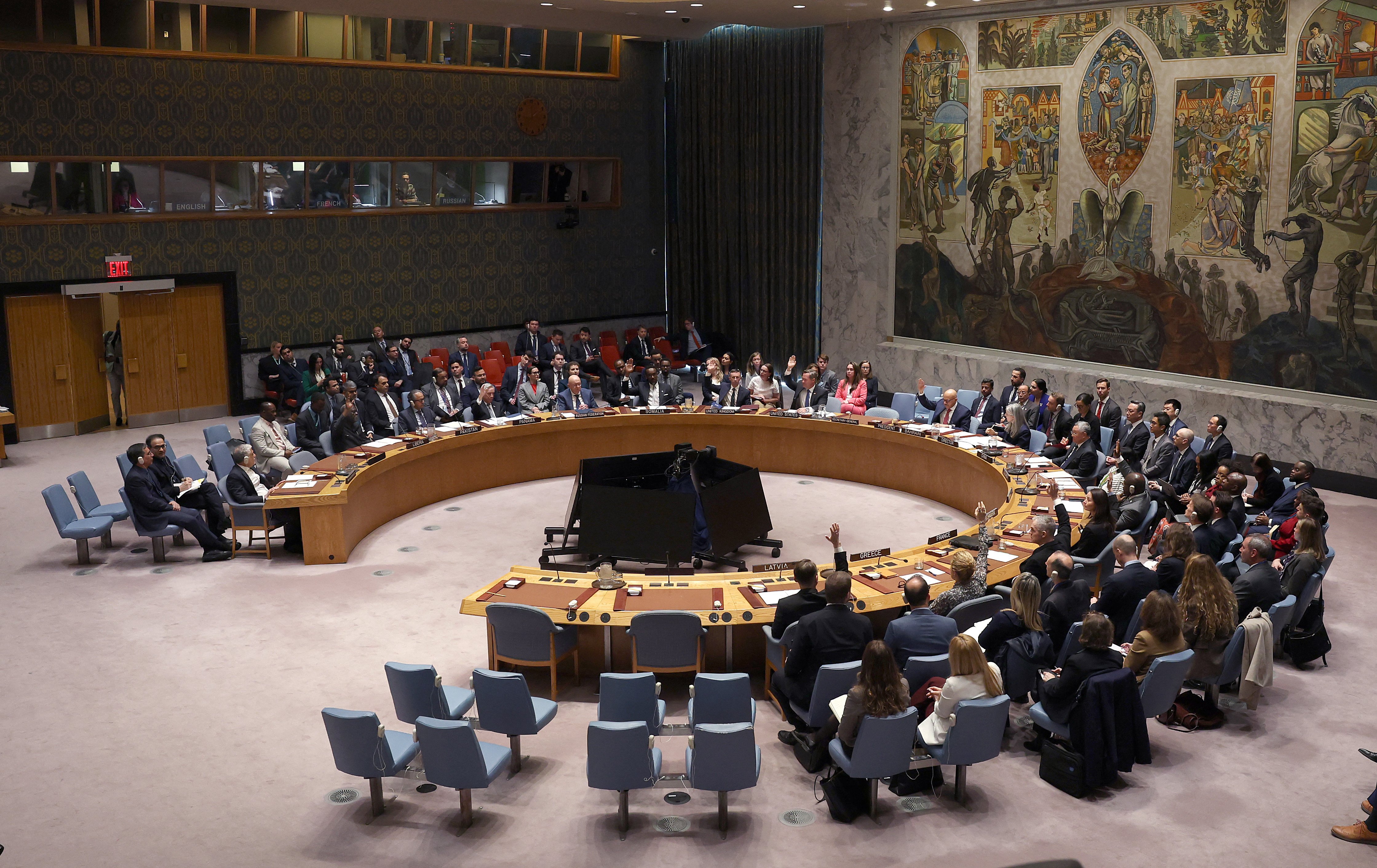
Russia and China, as permanent members of the UN Security Council, have blocked a resolution aimed at ensuring access to the Strait of Hormuz.
The resolution was originally introduced by Bahrain. The results of the vote were documented during a broadcast of the UN Security Council session on April 7.
We bring you stories from the ground. Your support keeps our team in the field.
According to Reuters, the draft resolution "strongly urged states interested in the use of commercial maritime routes in the Strait of Hormuz to coordinate defensive efforts appropriate to the circumstances to help ensure the safety and security of shipping through the strait."
The document stated that such measures could include the escorting of merchant and commercial vessels. It also supported efforts to prevent any attempts to close, block, or otherwise interfere with international shipping through the Strait of Hormuz.
The final version of the text did not mention authorizing the use of force against Iran, even for defensive purposes, which had been included in the initial draft. Reuters reported that the language was softened in hopes that China and Russia would not block the measure.
In the final count, 11 permanent and non-permanent members of the UN Security Council voted in favor of the resolution. Russia and China voted against it, while Pakistan and Colombia abstained.
The vote took place only hours before a deadline set by Donald Trump, which requires Iran to reach an agreement or face the destruction of its power plants and bridges by the United States military.
The UN Security Council consists of 15 members, including five permanent members: the United States, Great Britain, France, China, and Russia. There are also 10 non-permanent members elected for two-year terms.
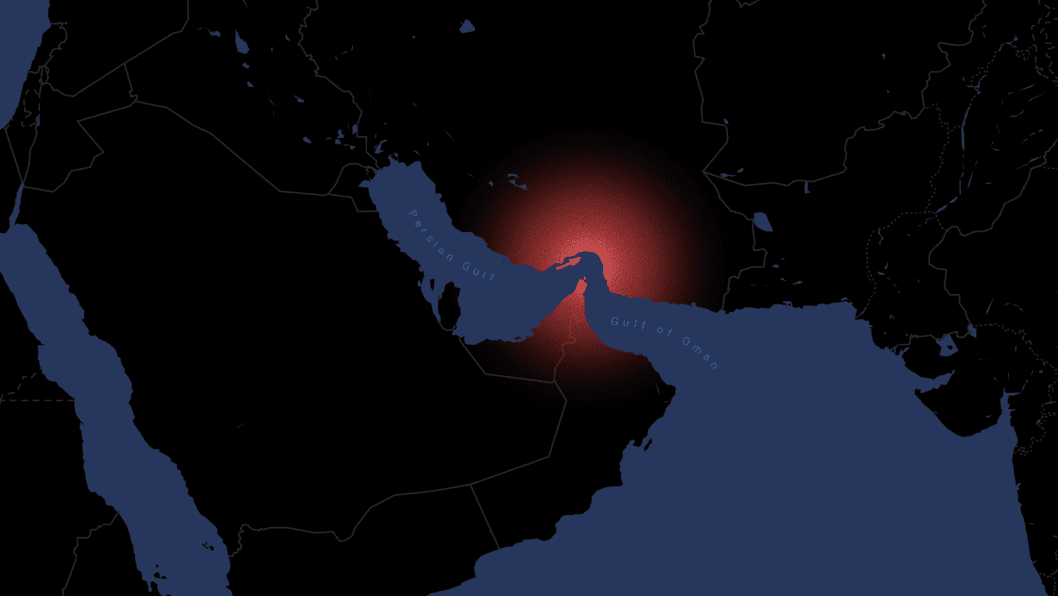
As of April 2026, these members include Bahrain, Colombia, the Democratic Republic of the Congo, Denmark, Greece, Latvia, Liberia, Pakistan, Panama, and Somalia. Only permanent members hold the power to veto resolutions. Bahrain is currently presiding over the Security Council until June.
On April 6, 2026, reports surfaced regarding high-stakes, last-ditch negotiations between the US, Iran, and regional mediators aimed at securing a 45-day ceasefire.
The proposed agreement sought to establish a temporary cessation of hostilities to prevent a massive escalation and potential strikes on Iranian civilian infrastructure.
The diplomatic push occurred just as President Donald Trump warned of severe military consequences if an agreement was not finalized by the evening of April 7.
Discuss this article:



-72b63a4e0c8c475ad81fe3eed3f63729.jpeg "Photo of Cyril Barabaltchouk")
-e88c01988249cd60b6f04f79d29156b7.jpeg "Damage to “Cosmogony,” the largest painting in Ukraine, following a Russian drone attack on Lutsk on October 13, 2026. (Source: @sashyyna/Instagram)")


-dd35be762f08867915b1187d08f5b7cb.jpg "Aftermath of a Ukrainian Neptune missile strike on a Russian Borisoglebsk airfield, October 15, 2026.")