- Category
- Latest news
Inside the Secret Negotiations to Reopen the Strait of Hormuz
 Prefer U24 Media on Google
- Authors

-72b63a4e0c8c475ad81fe3eed3f63729.jpeg "Photo of Cyril Barabaltchouk")
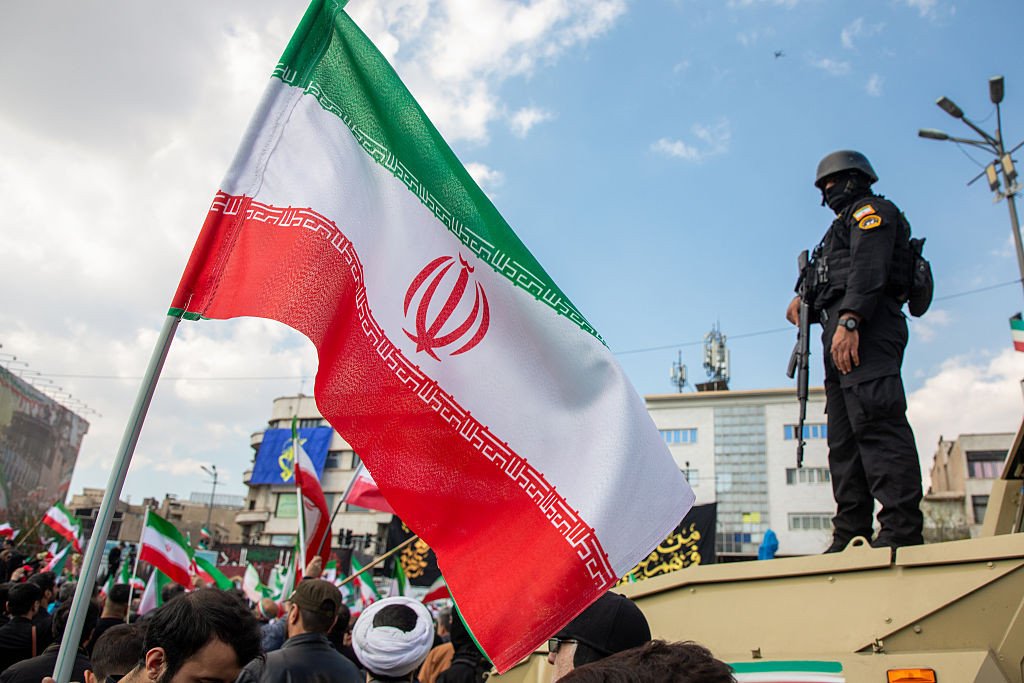
US, Iranian, and regional mediators are conducting last-ditch negotiations for a 45-day ceasefire to prevent a major escalation and massive strikes on Iranian civilian infrastructure, Axios reported on April 6, 2026.
The proposed two-phase agreement aims to establish a temporary cessation of hostilities followed by negotiations for a permanent end to the war. However, sources familiar with the talks told Axios that the chances of reaching a partial deal within the next 48 hours are slim.
We bring you stories from the ground. Your support keeps our team in the field.
The diplomatic push comes as US President Donald Trump extended his deadline for a deal to April 7 at 8 p.m. ET, warning on Truth Social that he is prepared to “blow up everything” if an agreement is not reached. Operational plans for a massive US-Israeli bombing campaign against Iranian energy and water facilities are reportedly finalized and ready for execution should the deadline pass without a breakthrough.
Behind the scenes, negotiations are being facilitated through Pakistani, Egyptian, and Turkish mediators, as well as direct text messages between Trump’s envoy Steve Witkoff and Iranian Foreign Minister Abbas Araghchi. A major sticking point remains Iran’s refusal to fully relinquish its primary bargaining chips—its highly enriched uranium stockpile and control over the Strait of Hormuz—in exchange for a ceasefire lasting only 45 days, according to Axios.
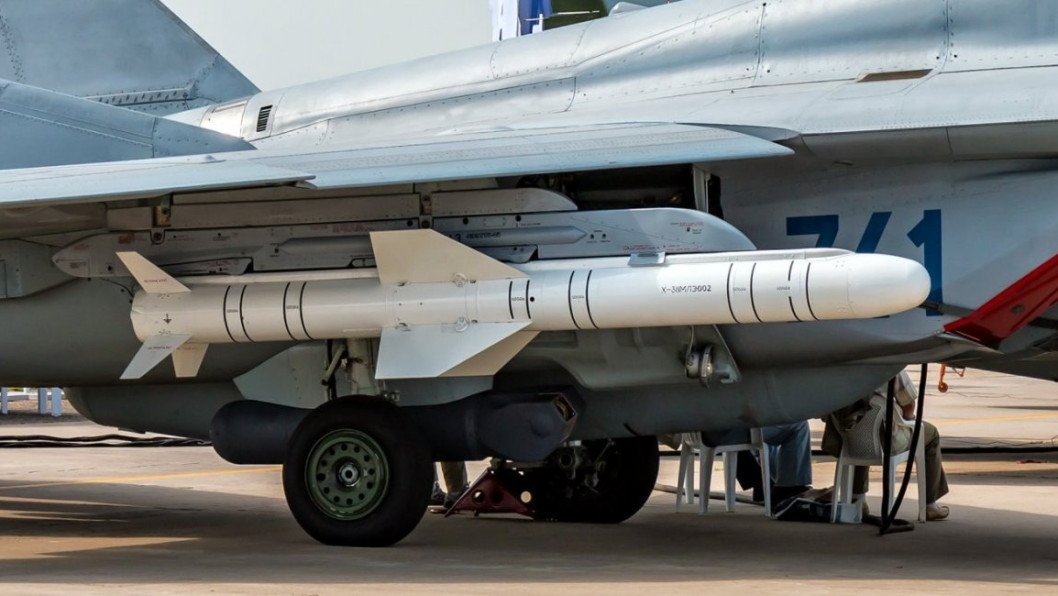
The Strait of Hormuz is the world’s most vital oil chokepoint, with approximately 21 million barrels—or 20% of global petroleum consumption—passing through its narrow waters every day. As the sole maritime link between the Gulf and the open ocean, it serves as the primary artery for energy exports from Saudi Arabia, the UAE, Kuwait, and Iraq, according to Energy Information Administration.
Even a temporary disruption of this route triggers immediate, massive spikes in global oil prices and jeopardize international energy security.
Tehran has expressed fears of a “Gaza or Lebanon situation,” where a ceasefire exists on paper while the US and Israel retain the ability to resume attacks at will.
Regional mediators have warned Iranian officials that this is the final opportunity to prevent the widespread destruction of their country’s energy sector and avoid a cycle of retaliation that could devastate oil and water facilities across the Gulf states.
The bid for a 45-day ceasefire comes amid an escalating international effort to prevent a total collapse of global energy security following Iran’s closure of the Strait of Hormuz. A coalition of over 40 countries led by the UK had previously convened to discuss coordinated economic and military measures to force the reopening of the critical waterway.
Discuss this article:



-111f0e5095e02c02446ffed57bfb0ab1.jpeg "Photo of Roman Kohanets")

-e88c01988249cd60b6f04f79d29156b7.jpeg "Damage to “Cosmogony,” the largest painting in Ukraine, following a Russian drone attack on Lutsk on October 13, 2026. (Source: @sashyyna/Instagram)")