- Category
- War in Ukraine
Findings Show Western Tech Continues to Reach Russian Drones as Sanctions Are Bypassed
 Prefer U24 Media on Google
- Authors

-c439b7bd9030ecf9d5a4287dc361ba31.jpg "Photo of Katherina Popilnichenko")
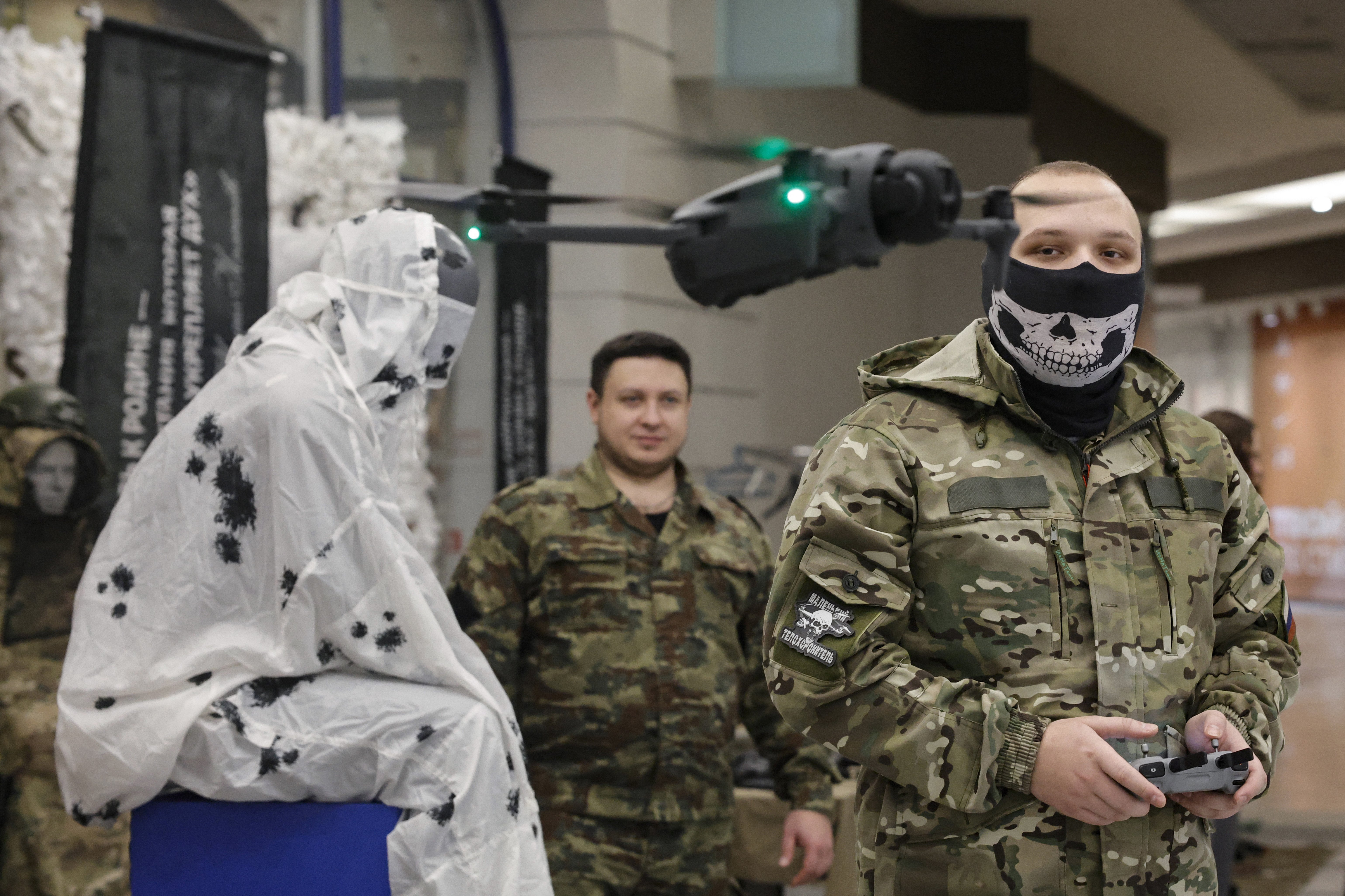
International components manufactured as recently as 2025 are still being found in the drones Russia uses to attack Ukraine.
These findings suggest that Russia is finding ways to bypass existing restrictions and highlight the need for stronger sanction measures. Vladyslav Vlasiuk, the Presidential Commissioner for Sanctions Policy, shared this information to Ukrinform on May 1.
We bring you stories from the ground. Your support keeps our team in the field.
Vlasiuk explained that Russia has maintained a high intensity of attacks on various Ukrainian cities recently. These strikes have targeted Odesa, Dnipro, Vinnytsia, Ternopil, and Kharkiv. While "Shahed" drones are being used in large numbers, a different type of drone known as the V2U is also being deployed against Kharkiv.
The Commissioner noted that the drones used in attacks last week contained fresh components produced in 2025. These parts originate from several countries including Germany, Japan, Switzerland, the United States, Taiwan, and the United Kingdom. For the first time, investigators identified a specific new element called the Transit Brd activation block. Vlasiuk confirmed that all data regarding these findings has been shared with international partners.
Ukraine continues to find components from the Swiss company STMicroelectronics in Russian military hardware. Vlasiuk mentioned this occurs despite previous calls for better control over where such products are sold. He emphasized that Russia continues to access Western technology regardless of restrictions, which is why sanction pressure must be constantly increased to close supply channels.
-3dbcb2c773ebf83bf83f601d63aa63ec.jpg)
However, some progress has been observed in the effectiveness of these restrictions. Vlasiuk pointed out that components from the Netherlands have almost completely disappeared from new drone samples. He stated that this is direct evidence that systematic work with partners is producing results and cutting off access to critical technologies.
Ukraine is also expanding its "long-range sanctions" strategy. These measures have already resulted in at least $7 billion in losses for Russia this year. Ukraine is currently creating a list of critical equipment for oil refineries and pumping stations to limit its export to Russia. This effort aims to put pressure on the energy infrastructure that funds Russia’s full-scale invasion of Ukraine.
The discovery of 2025 components in recent drone strikes aligns with previous reports from Ukraine’s military intelligence, which recently disclosed the internal parts of Russia’s "Knyaz Veshchy Oleg" reconnaissance drone.
This specific UAV was found to contain a significant share of foreign-made electronics, including 33 components from the United States and five from Switzerland, despite ongoing sanctions.
Specialists who disassembled the captured drone identified microcontrollers from STMicroelectronics, a firm repeatedly linked to Russian military hardware. These findings further highlight Russia's continued reliance on foreign technology obtained through intermediary supply chains to maintain its weapons production during the full-scale invasion of Ukraine.
Discuss this article: