- Category
- Latest news
Chinese Workers Protest Unpaid Wages In Russia As Security Forces Block Access To Oil Camp
 Prefer U24 Media on Google
- Authors


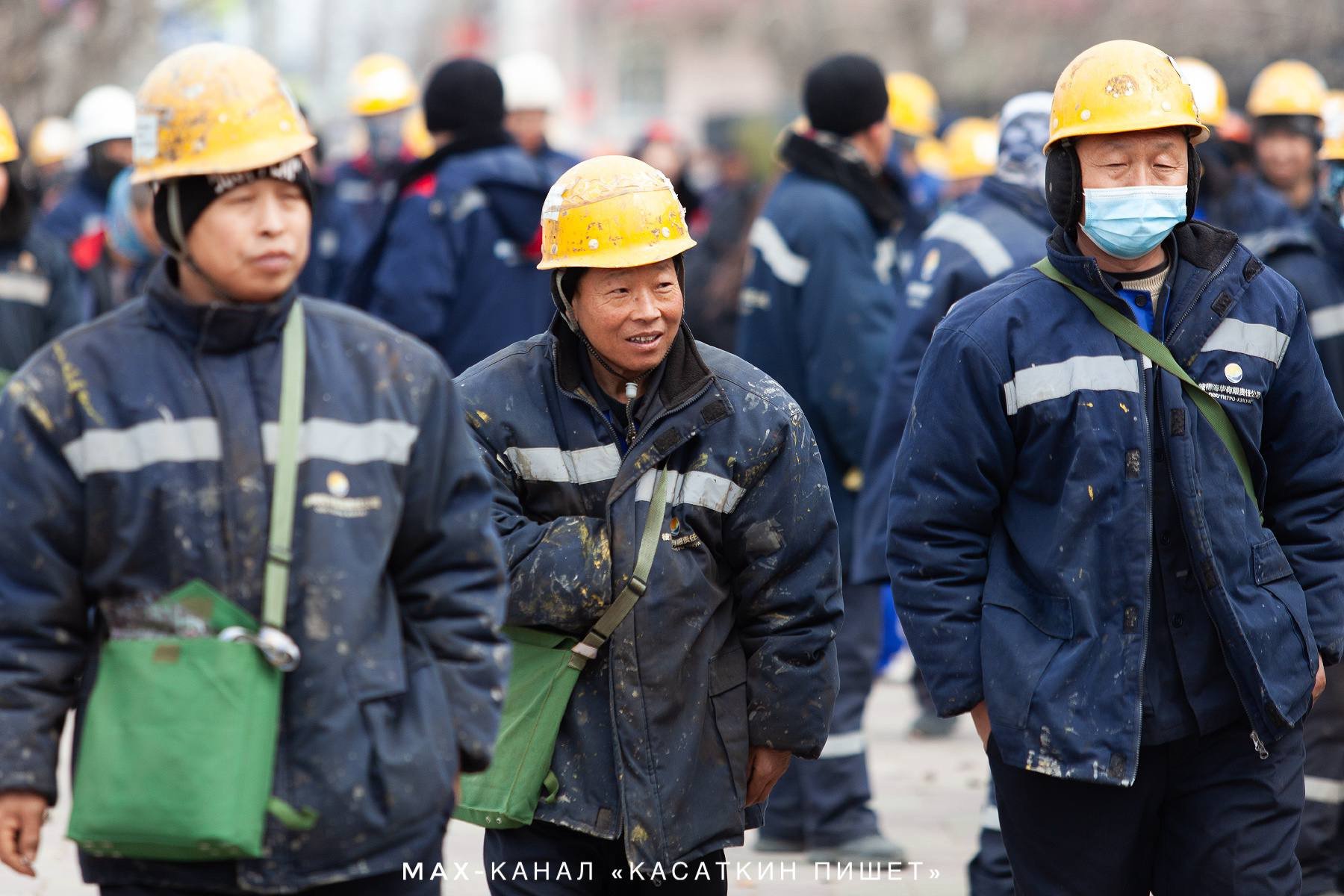
Chinese construction workers in Russia’s Far East have staged a second day of protests over unpaid wages, with Russian security forces restricting access to their residential compound near a major oil refinery.
We bring you stories from the ground. Your support keeps our team in the field.
According to Radio Svoboda on April 13, several dozen employees of the company Petro-Hehua gathered near the Komsomolsk-on-Amur oil refinery, where they had been working on a hydrocracking complex project linked to Rosneft.
Chinese workers in Russia are protesting unpaid wages at a major oil project—now their camp is sealed off by security forces. pic.twitter.com/XoRZumbFza
— Ivan Khomenko (@KhomenkoIv60065) April 13, 2026
Local authorities confirmed the demonstrations were aimed at drawing attention to salary arrears. Komsomolsk-on-Amur city head Dmitry Zaplutayev said the workers’ goal was to highlight the non-payment issue, while prosecutors announced an investigation into wage delays at one of the city’s enterprises.
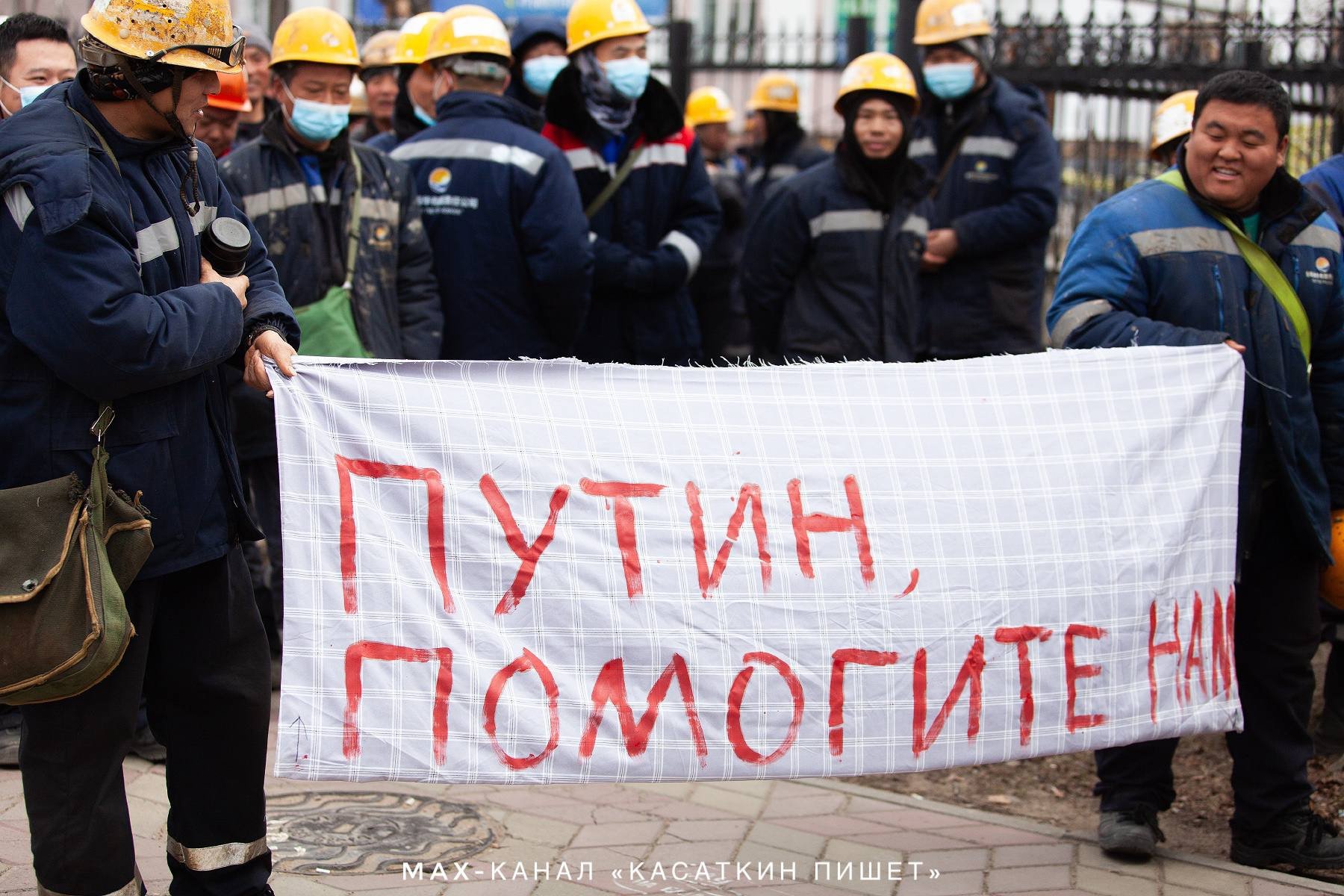
The protests followed an earlier march on April 12, when more than one hundred Chinese workers walked through the city carrying signs in Chinese and Russian, appealing for assistance to Russian leader Vladimir Putin and Rosneft CEO Igor Sechin. After the march, participants reportedly sat along a central avenue before dispersing without detentions.
According to regional officials, the dispute stems from the termination of a contract between Rosneft and Petro-Hehua due to missed deadlines and alleged poor-quality work. Authorities stated that payments for completed and accepted work had been made on time, while responsibility for wage distribution lay with the contractor.
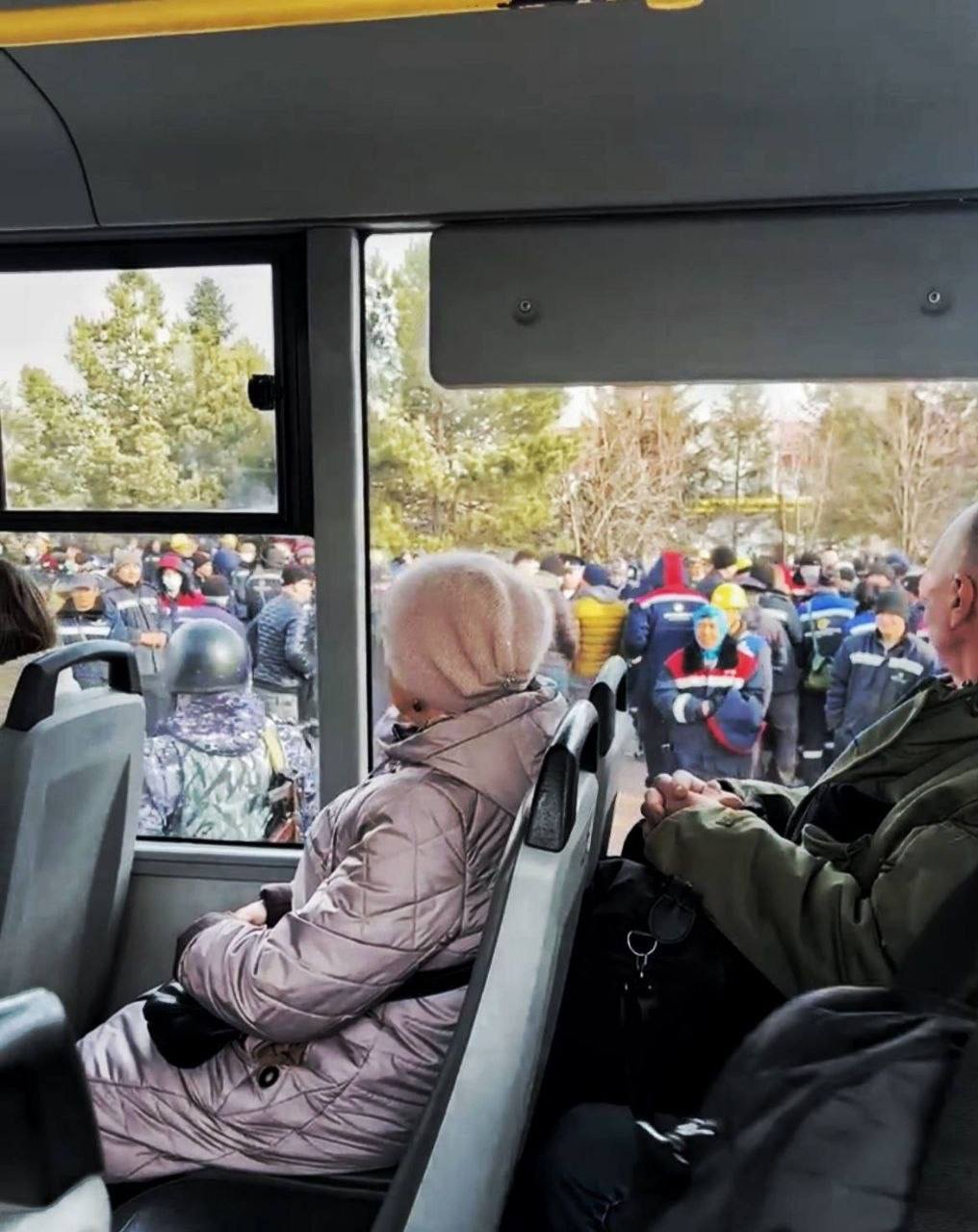
Media reports indicate that Petro-Hehua’s director is currently outside Russia and unable to meet with employees. Local officials, refinery management, and prosecutors have held talks with the workers, while Russia’s Foreign Ministry and the Chinese Consulate General in Khabarovsk have also been involved in discussions.
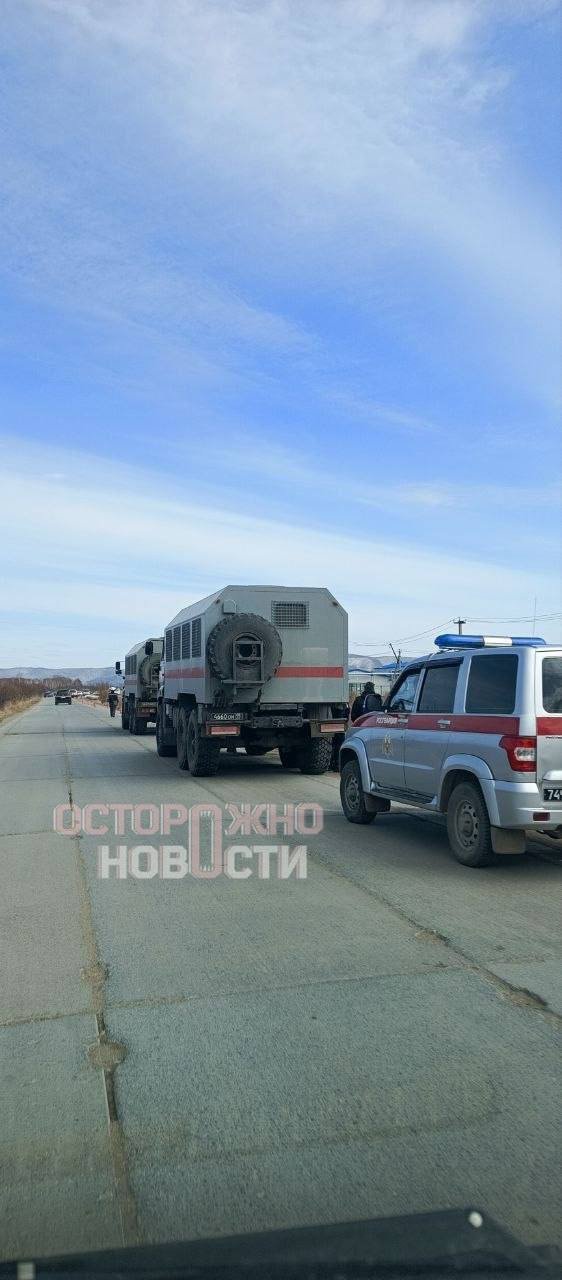
On April 13, workers again gathered near the refinery gates. According to eyewitness accounts cited by Ostorozhno, Novosti, roads around the facility were blocked by security forces, including OMON units, though no detentions were reported. Later in the day, access to the workers’ residential camp was restricted.
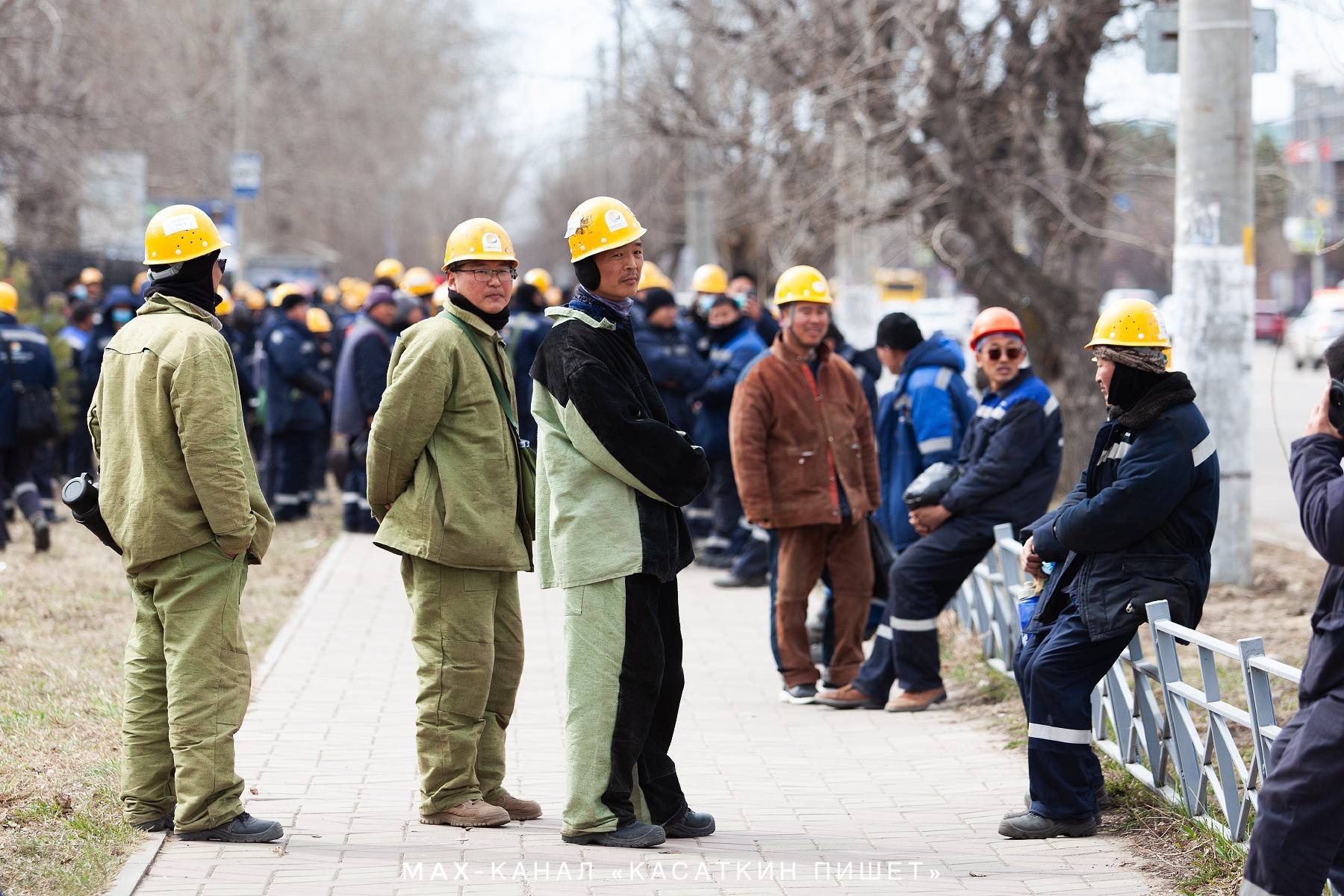
“Currently, no one is being allowed in—the area is completely sealed off. The entrance to the camp is guarded by OMON. As I understand it, they are strongly discouraged from leaving the camp,” an eyewitness said.
According to Radio Svoboda, the workers have demanded that the contract be reinstated and that a meeting be arranged with Petro-Hehua management.
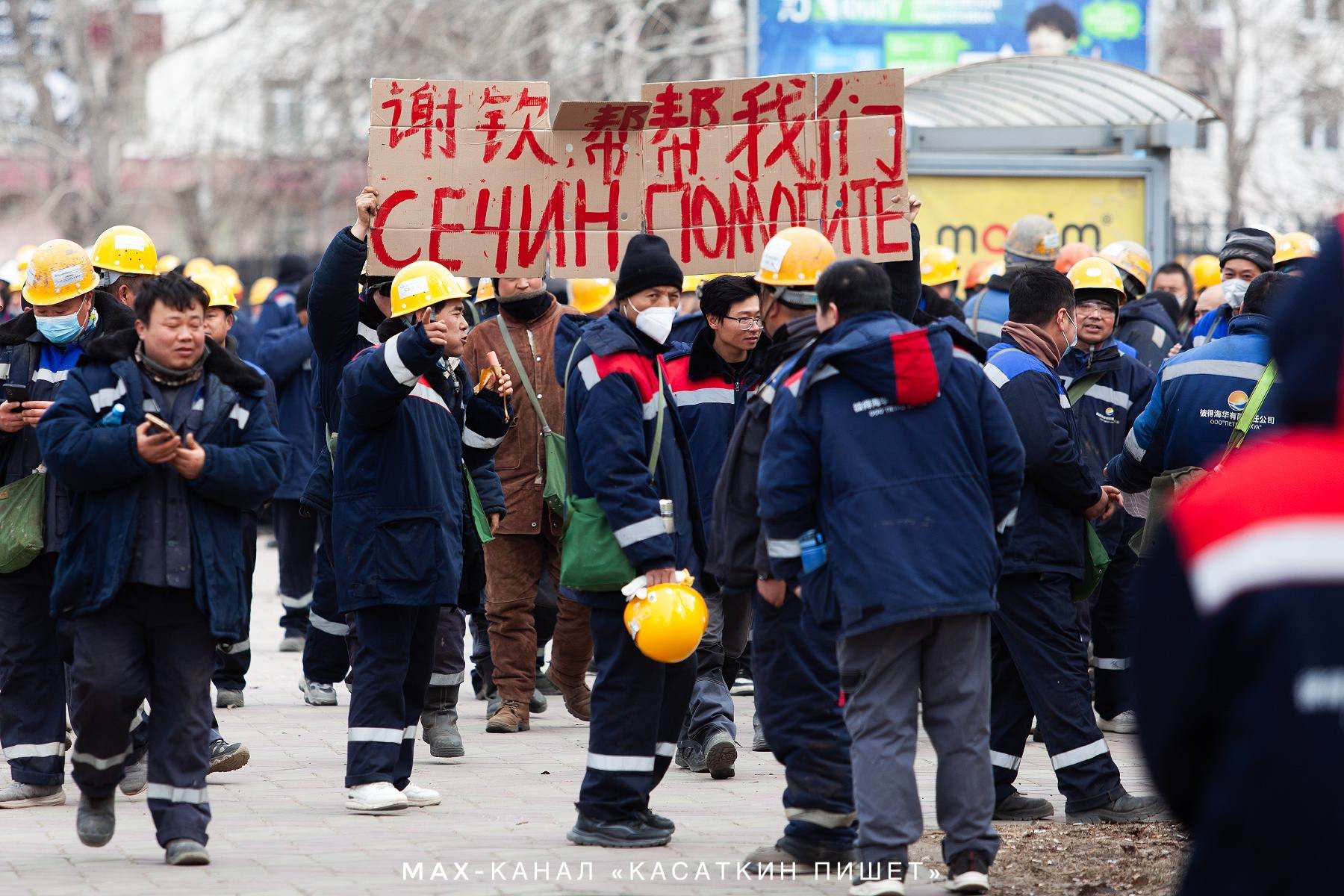
Similar protests involving Chinese workers over unpaid wages were reported at the same site in 2021, indicating recurring labor disputes tied to foreign contractors operating on major Russian energy projects.
Earlier, Ukraine’s Foreign Intelligence Service reported that Chinese businesses rapidly expanded their presence in Russia’s e-commerce sector in 2025, as rising costs and declining profitability forced local sellers out of the market.
Chinese companies increased their share through aggressive market entry and higher-margin operations, while the number of Russian online sellers fell for the first time on record.
Discuss this article:
-9a7b3a98ed5c506e0b77a6663f5727c5.png)