- Category
- Latest news
China Saves Billions as Russian Oil Discounts Surge Under Pressure
 Prefer U24 Media on Google
- Authors

-c439b7bd9030ecf9d5a4287dc361ba31.jpg "Photo of Katherina Popilnichenko")
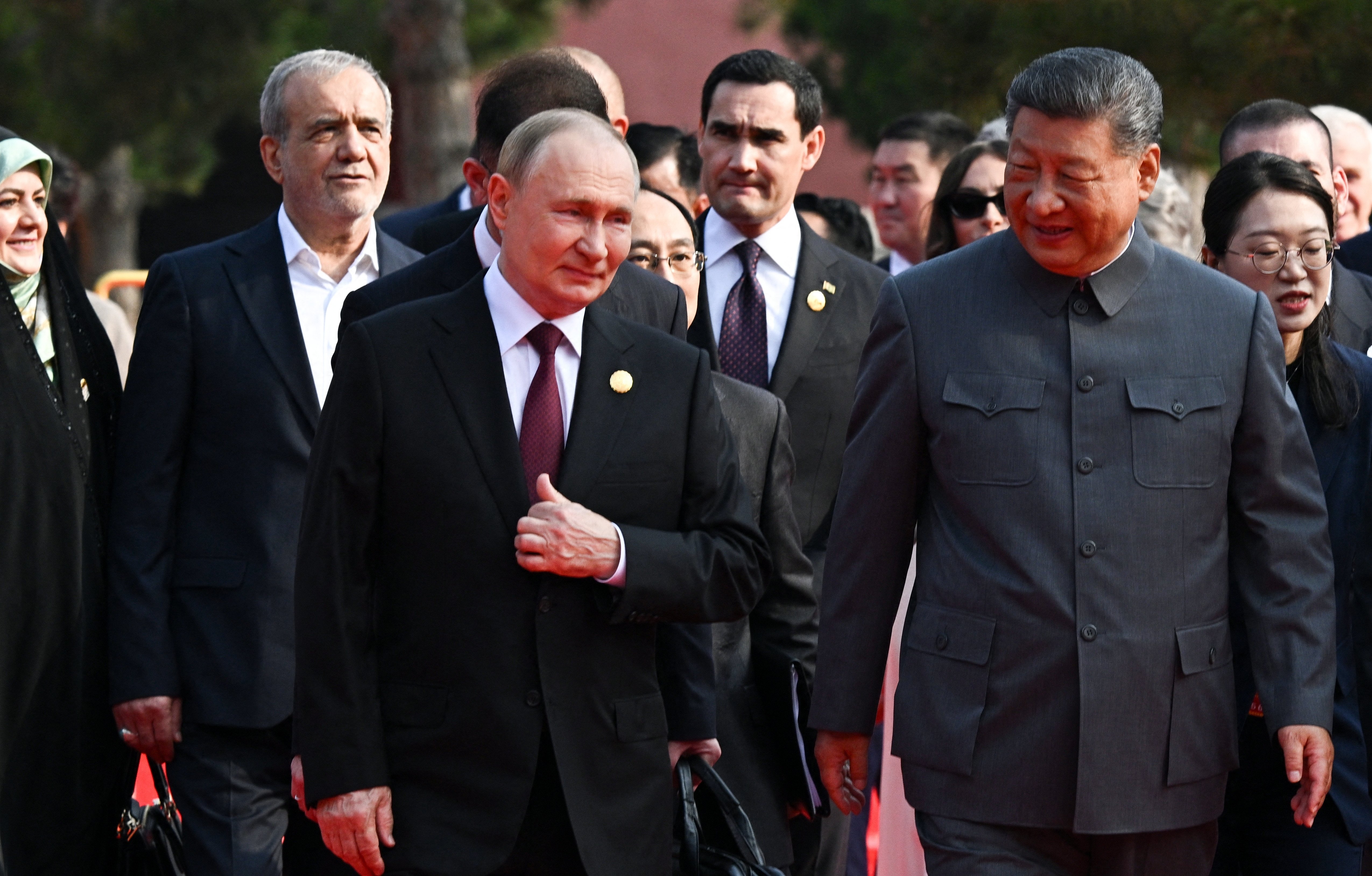
Russian oil companies faced significant losses in potential revenue throughout 2025 due to steep discounts required by Chinese refineries.
The total value of these discounts reached $2.2 billion over the past year, according to The Moscow Times on March 20.
We bring you stories from the ground. Your support keeps our team in the field.
This follows a multi-year trend of heavy discounting. Experts estimate that price cuts for China cost the Russian oil industry $1.45 billion in 2024, $3.85 billion in 2023, and $4.44 billion in 2022.
Over the four years since the start of Russia’s full-scale invasion of Ukraine, Beijing has saved nearly $12 billion. This amount is roughly equal to the annual budget of the Moscow region or five years of funding for regions like Voronezh or Volgograd.
The discount on Russian crude for Chinese buyers increased notably last year. Following stricter American sanctions and the blacklisting of Rosneft and Lukoil, average prices for Russian barrels in the fourth quarter were 8.3% lower than supplies from other countries. In contrast, discounts were around 3% at the start of the year and did not exceed 5% during 2024.
China reduced its physical imports of Russian oil by 8% in 2025, totaling 91.4 million tons. However, the combination of lower prices and high discounts caused total export revenues from China to fall by 20% to $45.9 billion. Supplies of petroleum products also dropped, with heavy distillates falling 40% and light distillates 17%, reaching $3.1 billion and $1.9 billion respectively.
Recent instability in the Middle East, specifically the paralysis of the Strait of Hormuz, has renewed interest in Russian oil among Chinese refineries. Reports indicate that major Chinese state-owned companies resumed purchasing after a pause that began in November when new American sanctions took effect.

“Every $10 per barrel increase in the oil price brings the budget about $1.6 billion in additional revenue per month. The current price of Urals is almost $40 higher than the $59 set in the budget, meaning additional oil and gas revenues could reach approximately $6–6.5 billion monthly,” Chernov said.
“At this price level, it would potentially take about 8–10 months to compensate for the expected federal budget deficit of around $50–60 billion,” the expert added.
China sharply increased its imports of Russia’s Urals crude oil as Indian refiners scaled back their purchases due to sanctions-related risks.
According to reports from the time, seaborne shipments to China exceeded 1.5 million barrels per day in December, while the shift accelerated further in early 2026.
Discuss this article:
-4a56a6b482ec132402c16ef6fcabf9a2.png)