- Category
- Latest news
China Reportedly Armed Iran With Secret Radar Capable of Tracking Stealth Jets
 Prefer U24 Media on Google
- Authors


China is reportedly stepping up efforts to strengthen Iran’s air defense capabilities, including the delivery of advanced radar systems and expanded cooperation in satellite navigation and cybersecurity, according to Defense Mirror on March 17.
The initiative is said to follow an internal assessment of vulnerabilities in Iran’s air defense network projected for the 2025–2026 period.
We bring you stories from the ground. Your support keeps our team in the field.
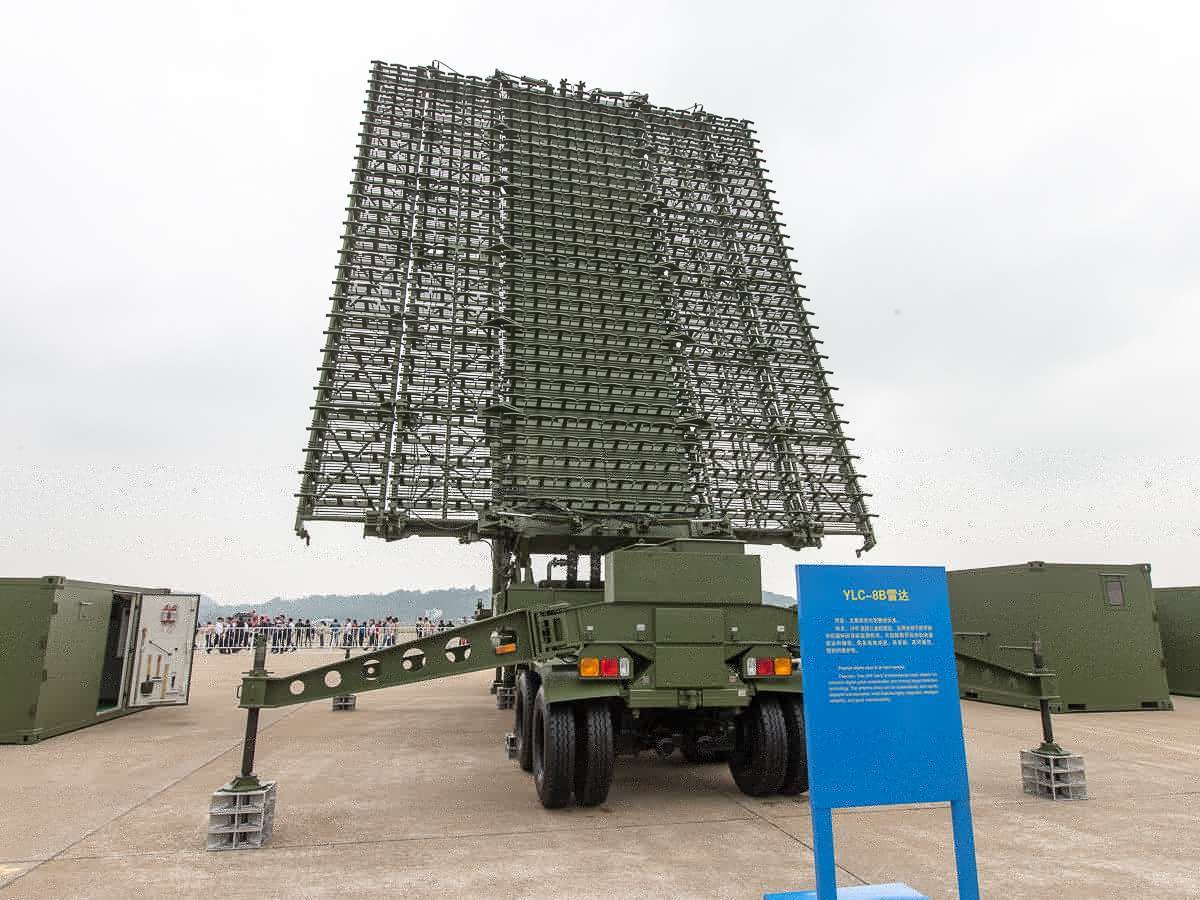
As part of the effort, Beijing is believed to be supplying the YLC-8B radar system, along with broader technical support aimed at improving Iran’s ability to detect and track aerial threats.
In January 2026, reports pointed to a surge in Chinese military transport activity, with as many as 16 aircraft reportedly arriving in Iran within a 56-hour window. The flights are said to have taken place during periods of restricted Iranian airspace, with aircraft transponders turned off, suggesting an effort to conceal the operation.
China has supplied Iran with its YLC-8B strategic radar systems for the first time. These radars were designed to detect U.S. B-2 Spirit stealth bombers. This is considered Beijing’s most critical military support to Tehran to date.
— WAR (@warsurv) February 4, 2026
And no, they were not in Venezuela. pic.twitter.com/lF00rt2XdS
According to Defense Mirror, the YLC-8B radar is capable of detecting targets with a radar cross-section of one square meter at distances of 270 to 330 kilometers.
It is also reportedly able to track aircraft such as the F-35 Lightning II at ranges exceeding 200 kilometers.
The system is designed for mobility and survivability, with the ability to be deployed or dismantled in under 30 minutes—reducing vulnerability to counterstrikes, including anti-radiation missiles.
Rather than operating independently, the radar is expected to be integrated into a broader air and missile defense architecture. It would provide targeting data to long-range surface-to-air missile systems such as the S-300PMU-2 and China’s HQ-9, while engagement radars like the 30N6E2 and HT-233 handle tracking and interception.
🚨 WATCH 🇮🇷🇨🇳: Reports suggest Iran may have received China’s YLC 8B 3D anti stealth surveillance radar, designed to detect stealth aircraft used by the United States and Israel.
— WAR (@warsurv) February 15, 2026
If confirmed, this would be a major boost to Iran’s air defenses, strengthening detection against… pic.twitter.com/ehlclk71tA
Beyond radar deployment, the reported cooperation includes joint efforts in cybersecurity and intelligence, particularly focused on defending critical infrastructure and government networks against cyberattacks.
China is also said to be assisting Iran in reducing reliance on Western technology by promoting domestic adoption of Chinese hardware and software solutions as part of a broader import substitution strategy.
Another key component of the partnership involves navigation systems. Iran is expected to increasingly shift from reliance on the US-operated GPS network to China’s BeiDou satellite system for both military and sensitive civilian use.

The move is intended to ensure operational continuity in the event of GPS disruption or interference.
Earlier, Iran’s foreign minister said that Russia and China are providing Tehran with military assistance as part of a broader strategic partnership amid ongoing tensions with the United States and Israel.
“In the past we had close cooperation, which continues to this day, and this also includes military assistance,” Araghchi said. He added that Iran maintains wide-ranging relations with both countries. “We had good cooperation with these countries—politically, economically, even militarily.”
Discuss this article: