- Category
- Latest news
Russia Ranked Second Worst in World for Internet Freedom—Only North Korea Scores Lower
 Prefer U24 Media on Google
- Authors


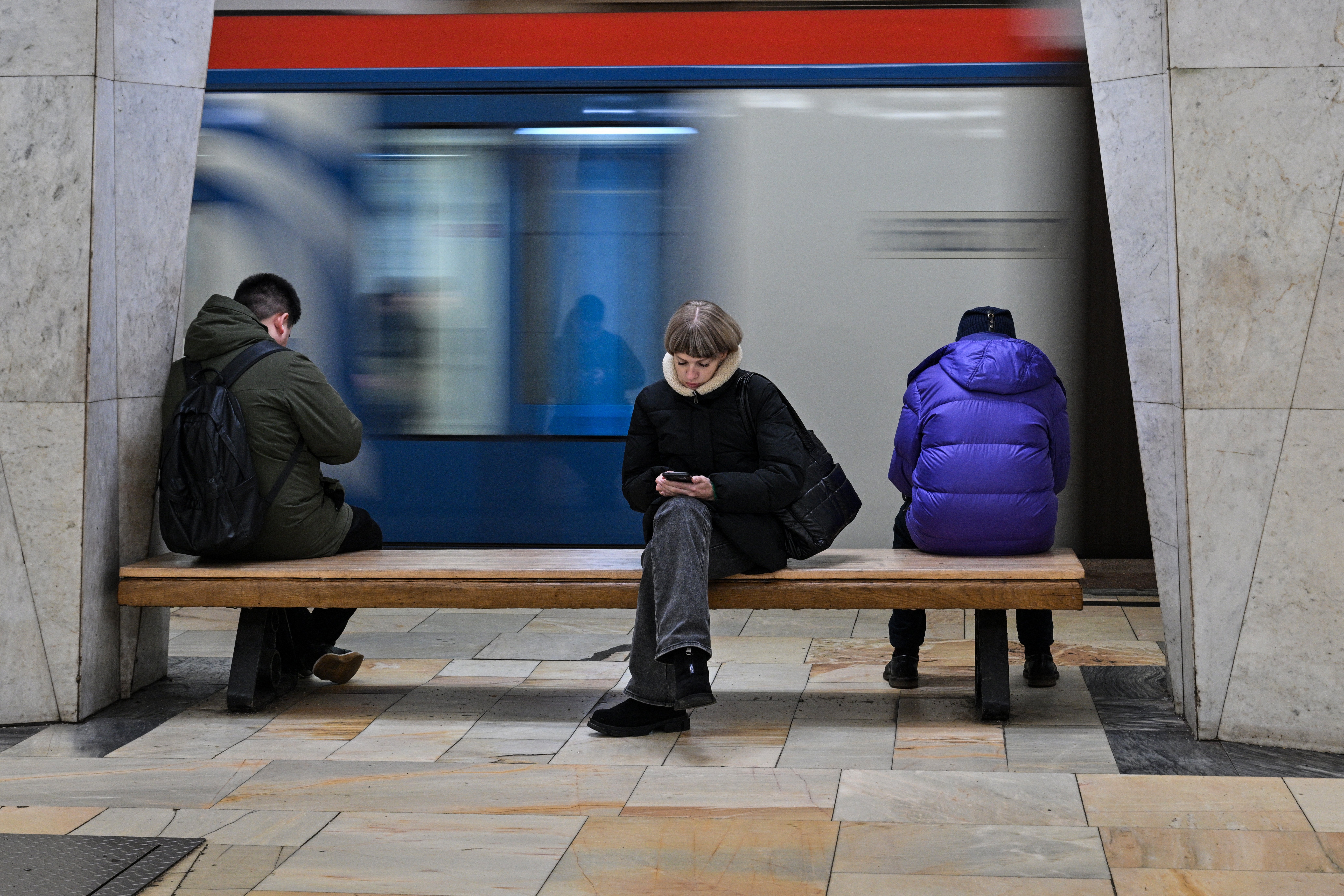
Russia has ranked among the lowest countries globally for internet freedom, scoring just 4 out of 100 in a new index compiled by Cloudwards, as reported by The Moscow Times on April 6.
The country placed second to last in the ranking, with only North Korea scoring lower at zero. Comparable scores were recorded for Iran, China, and Pakistan.
We bring you stories from the ground. Your support keeps our team in the field.
The ranking assessed factors such as the ability to freely express political and civic views online, as well as access to VPN services, torrent platforms, and adult content. Russia did not achieve a “fully free” rating in any of the evaluated categories.
According to the report, major international platforms are systematically blocked or restricted in the country. These include social media services such as YouTube, X, Instagram, Facebook, and TikTok, as well as messaging applications like WhatsApp and Telegram. Independent media outlets are also subject to restrictions.
The study highlighted Russia as one of the countries implementing the most stringent measures against VPN services. It noted that, unlike North Korea, internet access in Russia is still available to the general population and not limited to a narrow circle close to the authorities.
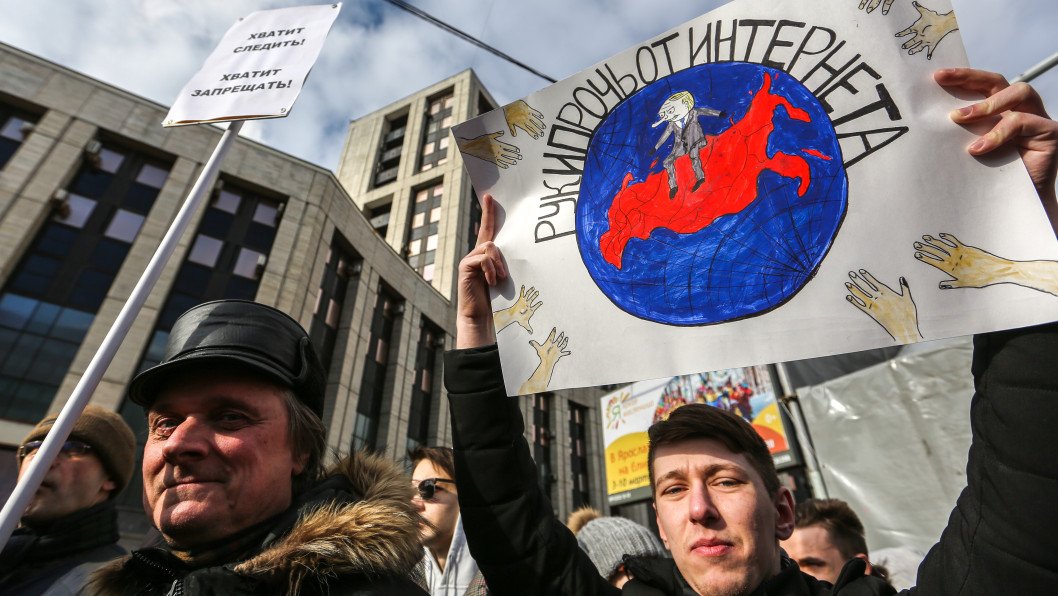
At the other end of the ranking, 11 countries achieved the highest scores, each receiving 92 out of 100. These included Belgium, Denmark, Iceland, New Zealand, Norway, Slovakia, and Finland.
The findings come amid further tightening of online controls in Russia. Authorities are preparing to introduce a new internet traffic censorship system powered by artificial intelligence, expected to launch in 2026, according to Ukraine’s Center for Countering Disinformation.
The project is being overseen by Roskomnadzor , with the government allocating over $29 million for its development. The investment comes despite broader economic pressures, including cuts affecting public sector wages and logistical challenges in supplying remote regions.
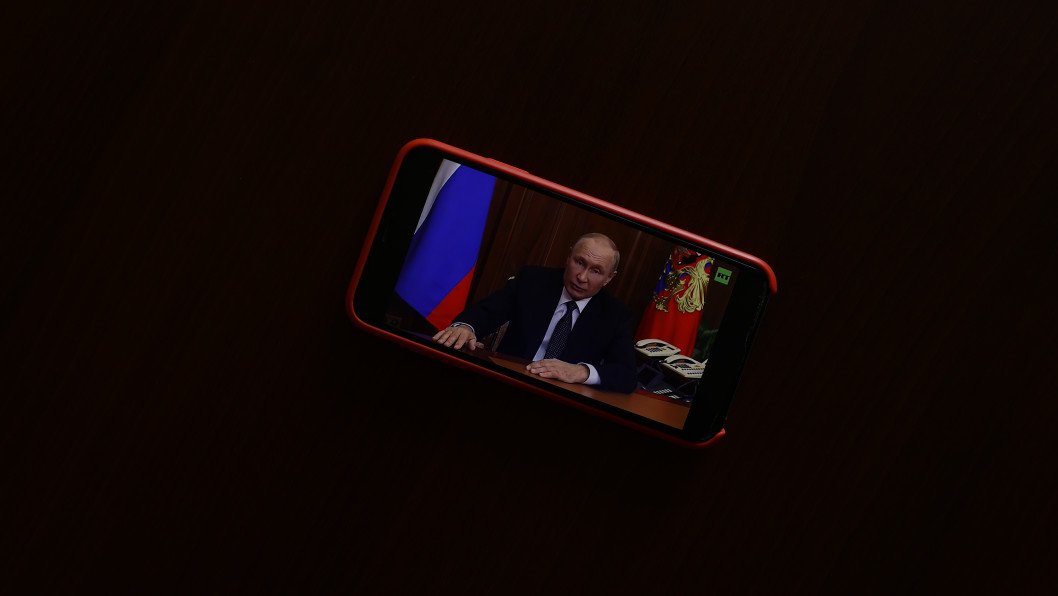
While the initiative is officially presented as a measure to combat harmful online content, it is viewed as part of a wider effort to strengthen state control over the information space and limit access to alternative narratives.
Data from 2025 highlights the scale of these restrictions. The number of blocked materials rose by 60% to 1.29 million, with the sharpest increase seen in content related to bypassing restrictions and using VPN services, which surged by more than 1,200% over the year.
The tightening of online controls has also sparked public backlash inside Russia. According to the monitoring group OVD-Info, at least 18 people were detained across several cities during protests against internet restrictions held on March 29.
Most of the detentions occurred in Moscow, where 13 individuals were taken into custody. Additional arrests were reported in Saint Petersburg and Kaluga, with two people detained in each city, while one person was detained in Voronezh.
Discuss this article:

-c439b7bd9030ecf9d5a4287dc361ba31.jpg "Photo of Katherina Popilnichenko")
-72b63a4e0c8c475ad81fe3eed3f63729.jpeg "Photo of Cyril Barabaltchouk")

-111f0e5095e02c02446ffed57bfb0ab1.jpeg "Photo of Roman Kohanets")