- Category
- Latest news
Russia to Launch AI-Powered Internet Censorship System in 2026 to Strengthen Information Control
 Prefer U24 Media on Google
- Authors


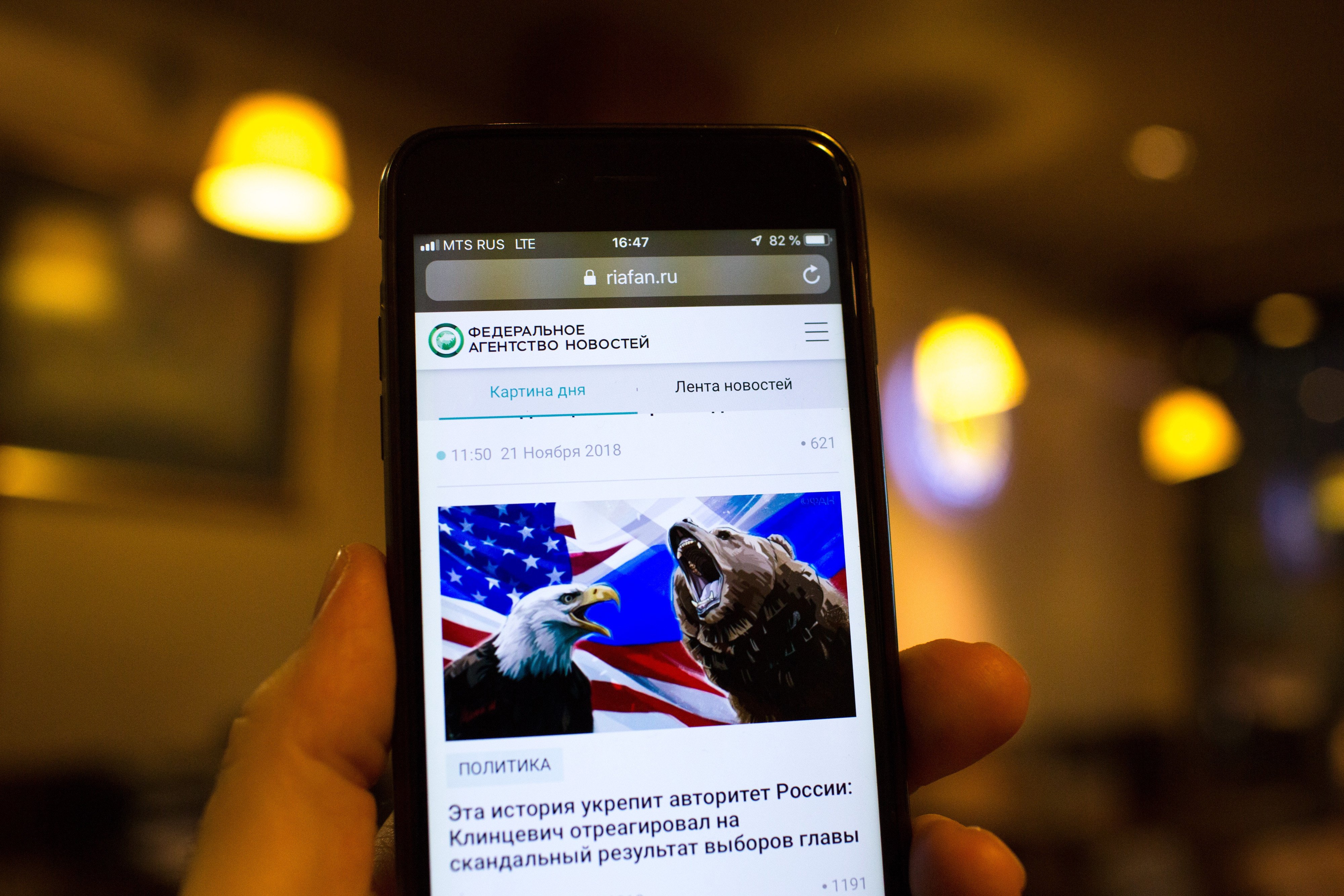
Roskomnadzor plans to launch a new internet traffic censorship system in 2026 using artificial intelligence, Center for Countering Disinformation reported on January 20.
According to the statemnet, he government has allocated 2.27 billion rubles (over $29 million) for the development of this infrastructure, despite ongoing economic challenges, including the need to reduce salaries for public sector employees and deliver goods to remote regions.
We bring you stories from the ground. Your support keeps our team in the field.
While officially framed as a fight against dangerous content, this move is, in reality, part of the Kremlin’s broader efforts to clear the internet of any information that could challenge its information monopoly.
In 2025, the number of blocked materials increased by 60%, reaching 1.29 million, with the largest growth seen in content related to circumventing blocks and using VPN services—a rise of 1,235% over the year.
“Russian propaganda proudly presents this process as a move toward ‘digital sovereignty.’ In reality, it’s about building a digital prison where the state controls what can be seen, read, and spoken. Prisons—both physical and digital—are arguably the only things the Putin regime has consistently succeeded in building,” the center added.
Russia has taken steps to tighten its control over the internet, with a growing number of restrictions on what its citizens can access. As part of a broader effort to suppress free information, authorities in the Belgorod and Rostov regions have imposed a “whitelist” system for mobile internet, limiting users to only government-approved websites.
-50c64d019d3899de5677f8b898913418.jpg)
In Belgorod, subscribers of mobile operators T2, Yota, and MTS have access to 4G/LTE networks but cannot visit a wide array of websites, including Google, and Telegram fails to update for many users. By contrast, services like Yandex and other government-approved applications continue to operate, highlighting the selective nature of this internet control.
A similar situation is unfolding in Rostov-on-Don, where local outlet Bloknot reported a “record drop” in mobile internet performance, with residents being limited to using VKontakte and the Max messenger, while Yandex browser functionality remains partial and Google is fully blocked.
Earlier, authorities in Russia's Krasnoyarsk region implemented “temporary restrictions” on mobile internet access, citing unspecified national security reasons. Governor Mikhail Kotyukov confirmed the move, urging residents to be patient and understanding, though no further details were provided.
Discuss this article:
-9bd5e1532102621f8fb1c4ba871a3171.png)



-efa69d4733b5af9f7cd0a642f85424a6.jpeg "Thick black smoke rises from the heavily damaged Proton-Electrotex plant in Orel, Russia, following a reported strike. (Source: Exilenova+)")