- Category
- Latest news
Russian Internet Providers Limit Wired Speeds Amid Mobile Network Disruptions
 Prefer U24 Media on Google
- Authors



Internet providers in several Russian cities have begun limiting the speed of wired internet connections amid ongoing disruptions to mobile networks, as reported by The Moscow Times on March 16.
Restrictions have been introduced in Saint Petersburg, Yekaterinburg, and Samara, where the operator Dom.ru has reduced speeds to 50 Mbps for subscribers who use more than 3 terabytes of data per month.
We bring you stories from the ground. Your support keeps our team in the field.
“The user can keep the current speed for an additional fee or wait until the start of the next billing period, when it will be automatically restored,” the provider’s press service told Rossiyskaya Gazeta, according to The Moscow Times.
The company added that the measure will affect less than 1% of users, noting that about 85% of subscribers consume up to 500 gigabytes per month, and advised customers to monitor their traffic usage through their personal accounts.
State-owned operator Rostelecom also commented on the situation, saying it “shares the concern of colleagues about abnormal volumes of traffic consumption,” warning that unusually high usage could affect network stability.
-4349025dca5f4838bec74d9849568d18.jpg)
TelecomDaily analyst Ilya Shatilin said the move could lead to similar restrictions across the industry.
“If Dom.ru begins to apply limits on a permanent basis, similar restrictions should be expected from other fixed broadband providers, since subscribers who are being pushed out by Dom.ru will move to them,” he said.
According to Mobile Research Group analyst Eldar Murtazin, such limits have always existed, even if operators did not openly advertise them, The Moscow Times reported.
“Unlimited traffic is not truly unlimited. Every operator sets a certain threshold: after a certain volume, the speed is reduced,” he explained. “At present, amid mobile internet restrictions, the importance of Wi-Fi is increasing. Many legal entities disguise themselves as private users because it saves money.”
These restrictions come as internet disruptions are already affecting daily life in Russia, leading many users to rely on alternative means of communication, with sales of pagers, radios, and landline telephones increasing noticeably.
According to The Moscow Times, citing data from the online marketplace Wildberries, these devices have become increasingly important for businesses and individuals trying to stay connected.
From March 6 to March 10, sales of pagers—commonly used for communication between staff and clients—grew by 73% compared to the same period in February. Purchases of radios increased by 27%, while landline phone sales rose by 25%.
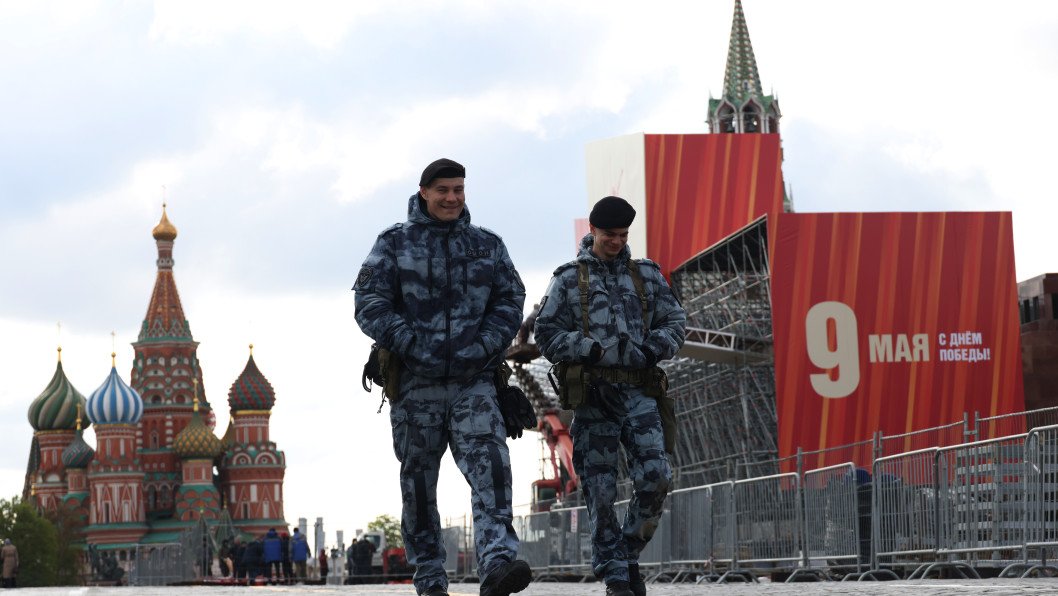
The disruptions began on March 3, when mobile internet and voice services started experiencing large-scale outages. In several districts, particularly in central Moscow, the network was completely unavailable, while in other areas users could access only a limited number of approved websites.

The communication problems have prompted discussion at the political level, where a Russian lawmaker has suggested restoring street payphones as a backup during outages.
The initiative was proposed by Igor Antropenko, a member of the State Duma committee on industry and trade, amid ongoing disruptions to mobile internet and phone services in central Moscow.
He suggested that public payphones, once widespread in Russian cities, could again function as a backup communication option when mobile networks are limited.
Discuss this article:
-9a7b3a98ed5c506e0b77a6663f5727c5.png)


-c439b7bd9030ecf9d5a4287dc361ba31.jpg "Photo of Katherina Popilnichenko")

-72b63a4e0c8c475ad81fe3eed3f63729.jpeg "Photo of Cyril Barabaltchouk")

-111f0e5095e02c02446ffed57bfb0ab1.jpeg "Photo of Roman Kohanets")