- Category
- Latest news
Chinese Sellers Take Over Russian E-commerce as Local Businesses Collapse
 Prefer U24 Media on Google
- Authors

-c439b7bd9030ecf9d5a4287dc361ba31.jpg "Photo of Katherina Popilnichenko")
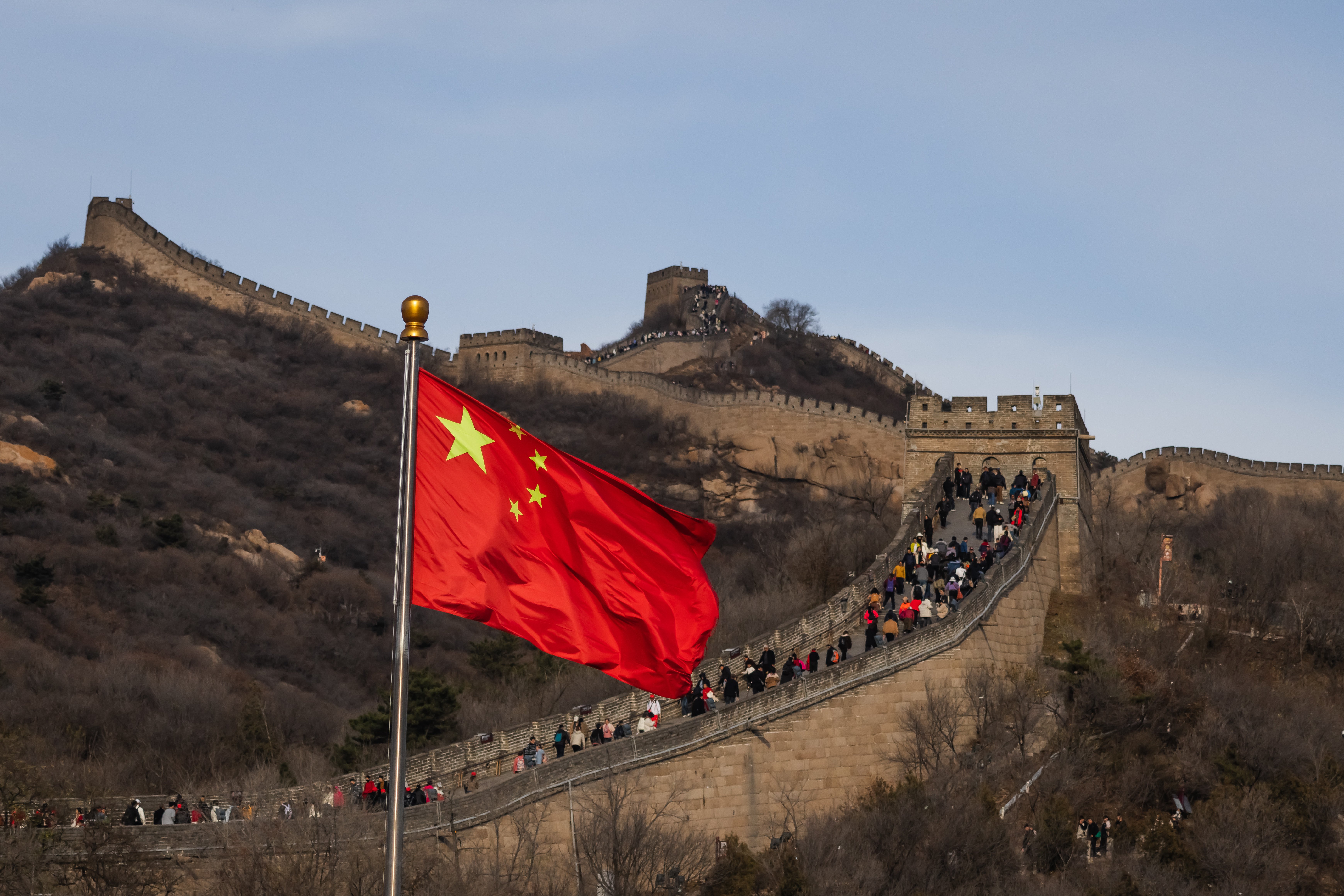
In 2025, Russia’s online retail sector faced a major crisis, with local entrepreneurs leaving the market while Chinese businesses quickly moved in to fill the gap.
One in five new online businesses established in Russia last year was started by Chinese citizens. This includes companies where a citizen of the People's Republic of China serves as either the founder or CEO, according to the Foreign Intelligence Service of Ukraine on March 10.
We bring you stories from the ground. Your support keeps our team in the field.
The data shows that the number of Chinese companies operating in the Russian online trade sector grew 2.4 times over the course of 2025. Registration of Chinese businesses increased by 86% compared to 2024 levels.
E-commerce accounted for the largest share of these new registrations at 50.88%. Other significant sectors included wholesale trade at 19.03% and retail at 9.24%, while manufacturing made up only 3.42% of the new entries.
In contrast, Russian entrepreneurs are losing ground. Between February and December 2025, the number of active sellers on Russian online platforms dropped by 6.9%, marking the first such decline in recorded history. Interest in starting new ventures also fell sharply, with the number of new sellers decreasing by 17.8% over the year.
The Foreign Intelligence Service attributes this exodus of Russian business owners to skyrocketing costs and expensive logistics. Fees charged by marketplaces now range from 25% to 40% of turnover. When additional expenses are factored in, these costs can consume 50% to 70% of total profits.
Since 2023, logistics costs have risen between 33% and 89%, while platform commissions have increased by an additional 58% to 63%. Under these conditions, many small and medium-sized businesses have become unprofitable.
Chinese sellers entering the market often utilize non-transparent or "gray" business schemes. These methods allow them to achieve profit margins 20% to 30% higher than their Russian counterparts.
Russia transitioned into the most sanctioned nation globally, yet it developed a significant capacity to adapt. According to a report by the Independent Anti-Corruption Commission (NAKO), Moscow transformed its sanctions evasion tactics into a strategic tool to strengthen alliances with partners like China, Iran, and North Korea.
Russia relied heavily on intermediaries and shell companies based in China and Hong Kong to secure critical military components and industrial equipment.
Furthermore, this cooperation expanded into the financial realm, where the use of barter systems, local currencies, and gold settlements allowed the Kremlin to sustain its war machine while operating outside the traditional global financial system.
Discuss this article: