- Category
- Latest news
Sanctions Force Russia’s Foreign Trade Down to Soviet-Era Lows
 Prefer U24 Media on Google
- Authors

-72b63a4e0c8c475ad81fe3eed3f63729.jpeg "Photo of Cyril Barabaltchouk")
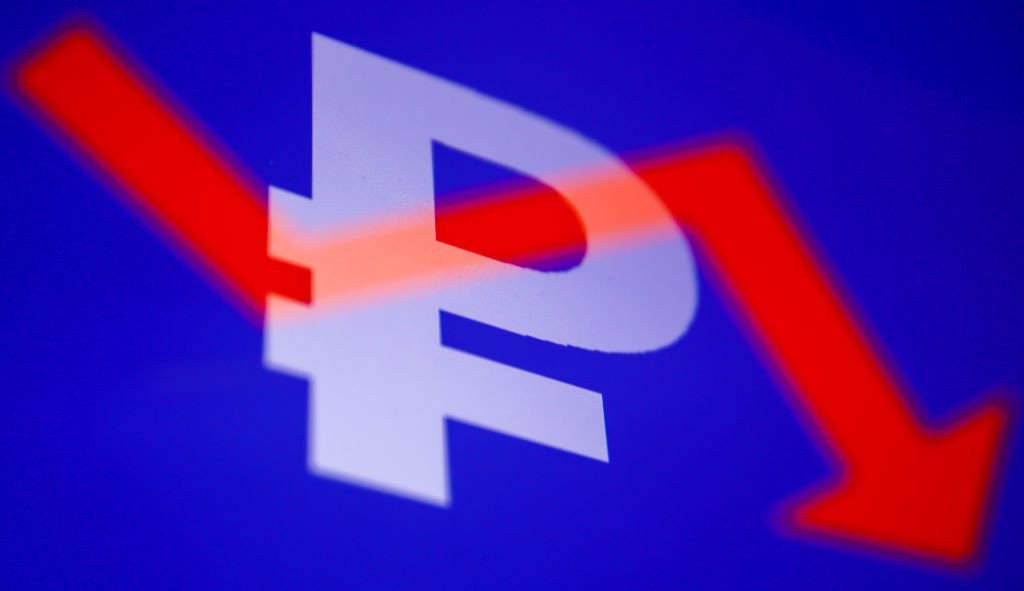
Russia’s trade exposure to the outside world has fallen to its lowest level in more than three decades, slipping back to figures last seen in the final years of the Soviet Union, The Moscow Times reported on February 10, citing new data from Rosstat .
According to the statistics, exports accounted for just 17.8% of Russia’s GDP in 2025, down from 22.2% a year earlier, while imports fell from 17.8% to 15.2%. Economist Olga Belenkaya of Finam described the export share as an “absolute minimum” in modern Russian history.
We bring you stories from the ground. Your support keeps our team in the field.
The figures mark a sharp reversal from the pre-war period, when exports typically made up 25–30% of GDP, and from the late 1990s and early 2000s, when the share exceeded 40%, according to The Moscow Times.
The current levels closely mirror those recorded in the USSR’s final years: exports represented 18.2% of Soviet GDP in 1990 and 13.3% in 1991, while imports stood at 17.9% and 13%, according to World Bank data cited in the report.
Belenkaya said the decline reflects tightening Western sanctions, restricted access to imports, and the Kremlin’s push for import substitution, leaving Russia less integrated into the global economy than before 2022.
This mirrors recent comments from EU sanctions envoy David O’Sullivan, who stated that Western measures are exerting a “significant impact” on Russia’s economy. While acknowledging that sanctions are 'not a silver bullet' and remain vulnerable to circumvention, O’Sullivan expressed confidence that they are steadily weakening Russia’s economic foundations.
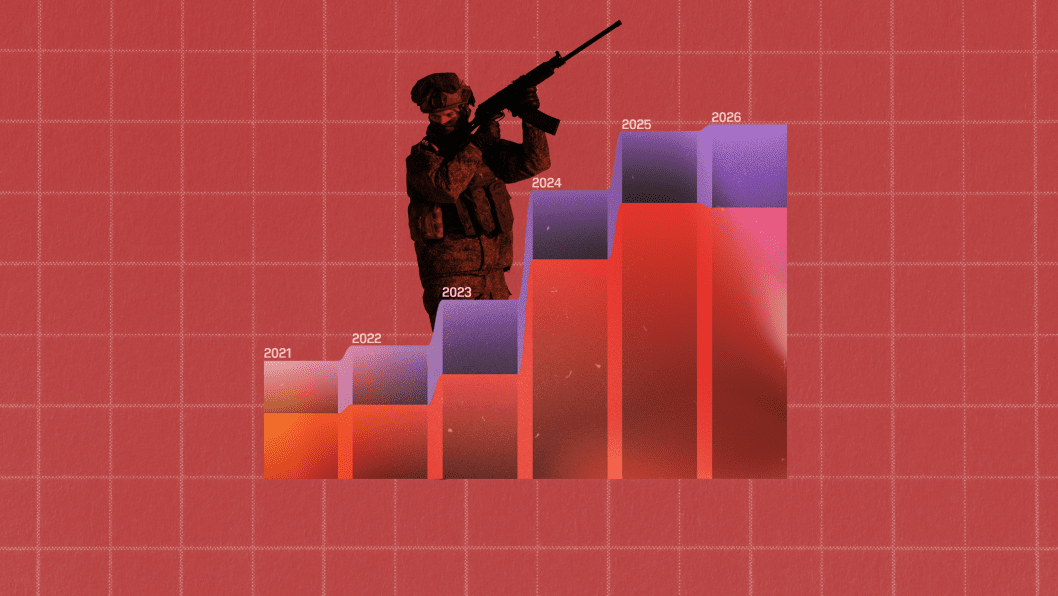
Customs data show that Russia’s export revenues fell 4% last year to $418.3 billion, the lowest since the pandemic. Raw-material exports dropped 15% to $225 billion, while non-energy exports totaled $150 billion, roughly a quarter below pre-war levels. Imports declined 3% to $278 billion.
Trade with Europe, once Russia’s largest economic partner, has shrunk to levels comparable to the 1990s, with exports of $57.4 billion and imports of $72.3 billion, The Moscow Times wrote.
Despite deepening isolation, Putin has outlined sweeping import-substitution goals, promising Russia will produce everything domestically, from medicines and computers to aircraft. But Alexandra Prokopenko, a researcher at the Carnegie Russia Eurasia Center in Berlin, told Financial Times that such targets resemble “Putin’s fantasy more than a realistic plan.”
Earlier, it was reported that Russia’s so-called parallel imports of foreign goods fell by nearly half in 2025 as Russian officials tightened controls on sanctions-bypassing supply routes.
Discuss this article: