- Category
- Latest news
Wagner’s Bloody Legacy in Mali: Torture, Executions, and a Trail of Fear
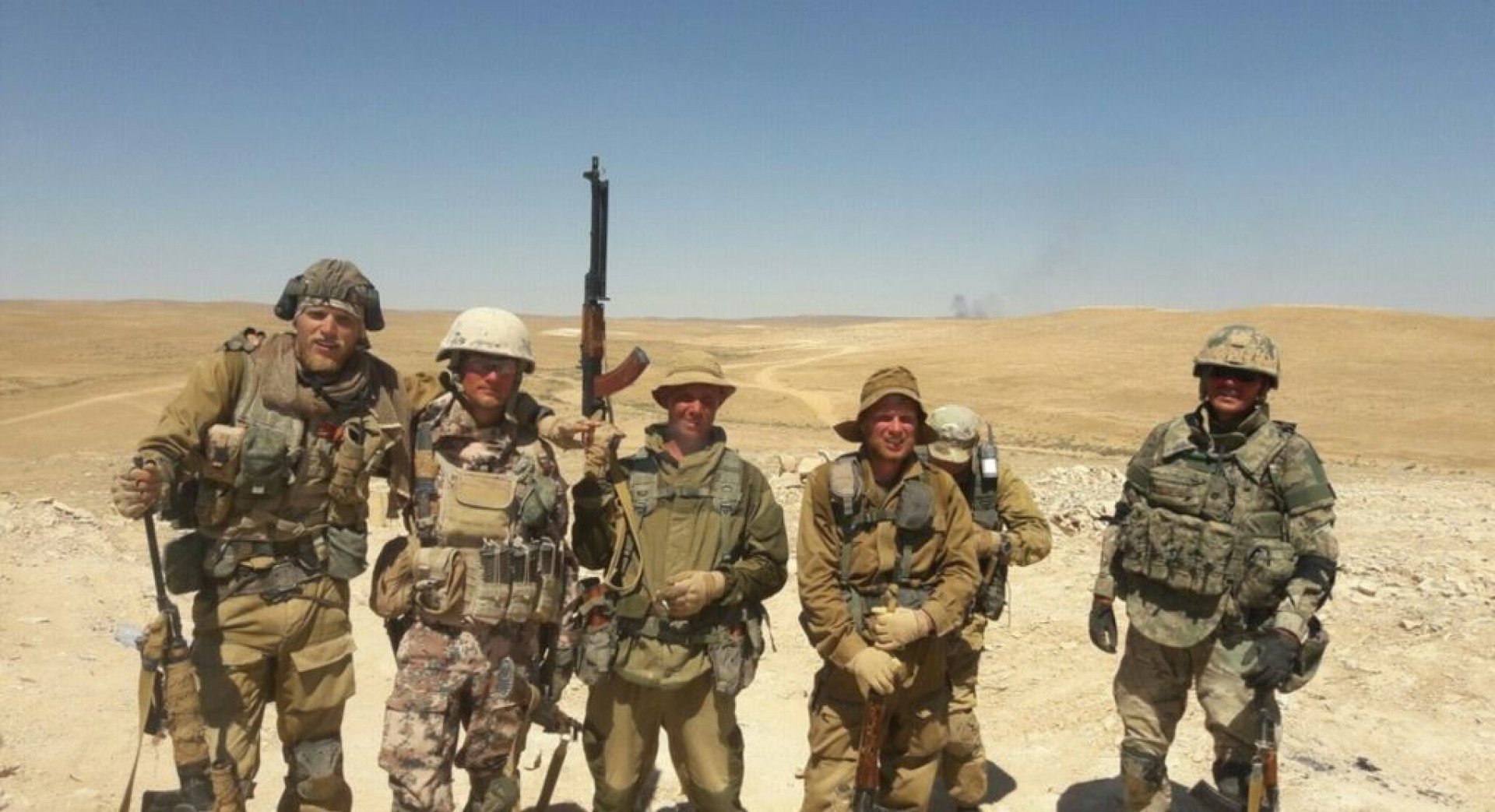
A BBC investigation reveals testimonies from Malian refugees alleging torture, executions, and abuse by Russian mercenaries. The report traces the legacy of Wagner Group operations and their transition to Russia’s Africa Corps.
 Prefer U24 Media on Google
- Authors




Russian mercenaries operating in Mali have been accused of carrying out summary executions, torture, and other abuses during counterinsurgency operations, according to a BBC investigation published on November 26.
The report is based on testimonies from multiple Malian refugees now living in Mauritania.
We bring you stories from the ground. Your support keeps our team in the field.
BBC interviews reveal pattern of abuse
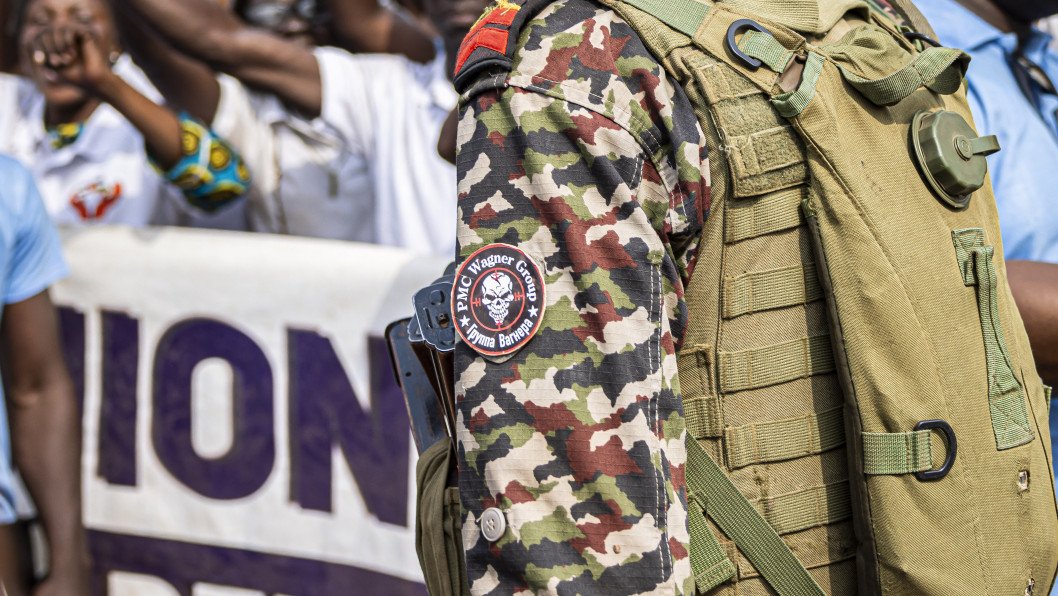
According to the BBC, refugees interviewed in the M’berra camp near the Mali–Mauritania border described how Wagner Group operatives—Russia-linked mercenaries—detained civilians, subjected them to severe torture, and carried out extrajudicial killings.
One former shopkeeper, identified as Ahmed, recounted being abducted in Nampala in August 2024 and held for 15 days by Wagner personnel who were seeking the whereabouts of his employer.
Ahmed described repeated episodes of waterboarding, beatings, and mock executions. “They dipped my head in the water until I was almost suffocating,” he told the BBC. He also claimed to have witnessed the beheading of two men—an ethnic Tuareg and an Arab detainee—who had been arrested without charges.
Another refugee, Youssouf, told the BBC that he and his friends were abducted while herding cattle and were tortured at a military camp near Léré. One of his friends reportedly died after beatings and exposure to exhaust fumes, while the rest were eventually released without explanation.
Wagner’s operations in Mali and shift to Africa corps
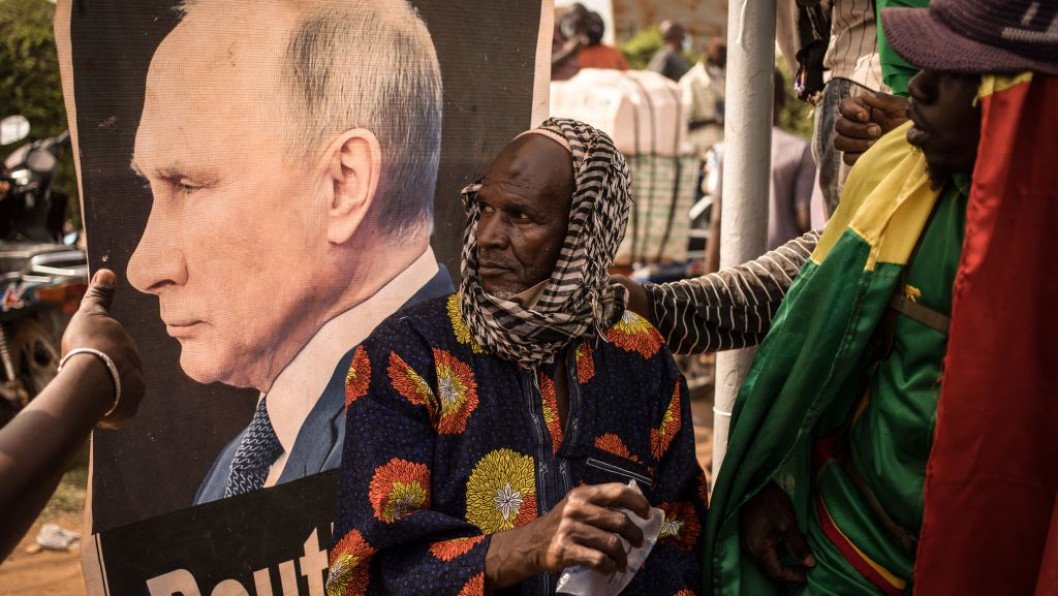
Russian mercenaries were first deployed to Mali following the 2021 military coup, which saw the new junta expel French forces and turn to Moscow for military support.
-a9508788f278eb9b1aa54fba6ad6d5f7.png)
The Wagner Group, which was then aligned with the Kremlin, began operations shortly afterward. In June 2025, Wagner announced its withdrawal from the country. Most of its fighters have since been absorbed into a newly branded entity called “Africa Corps,” which falls under the Russian Ministry of Defense.
While Africa Corps has officially replaced Wagner, watchdogs report that continuity in personnel and tactics remains. According to the Senegal-based Timbuktu Institute, 70 to 80 percent of Africa Corps fighters previously served with Wagner.
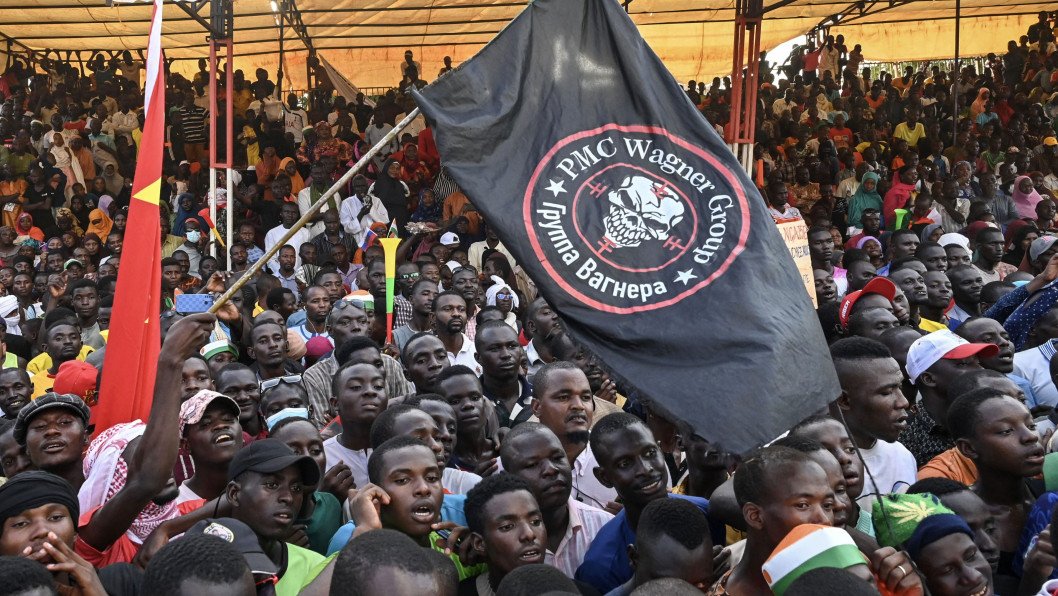
“In reality, Africa Corps inherits Wagner’s legacy of human rights violations, including extrajudicial killings and acts of torture,” the institute stated in a July 2025 report cited by the BBC.
Documentation of abuses and international reactions
A September report by the European Council on Foreign Relations (ECFR) noted that Wagner operatives used private Telegram groups to share graphic images and videos depicting torture, rape, murder, and other abuses, some of which targeted civilians.
According to The Africa Report, which infiltrated one such Telegram channel in June 2025, more than 320 videos and 640 images were discovered, including scenes of beheadings and mutilated bodies.
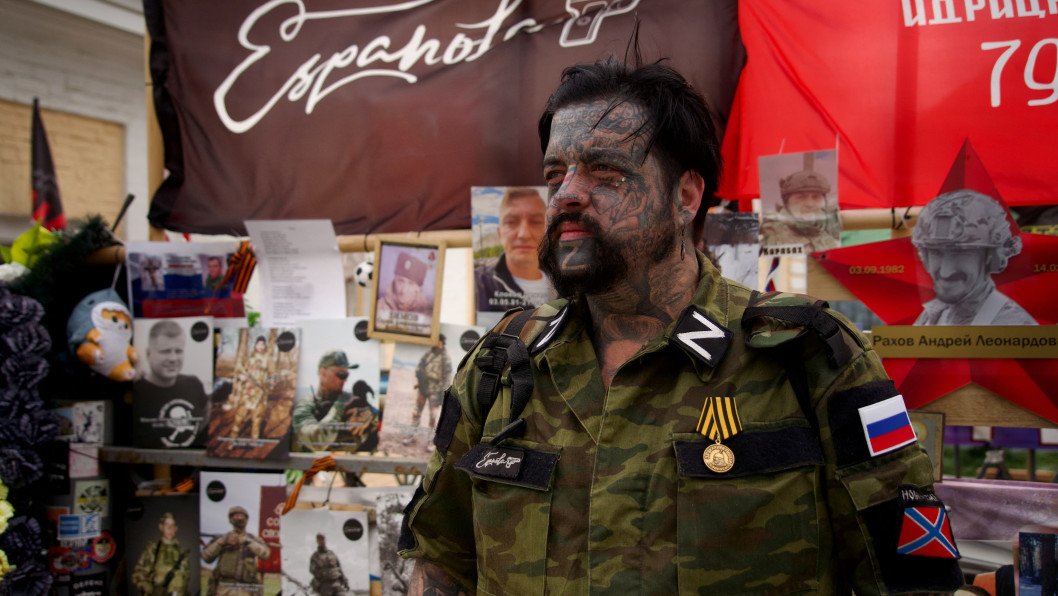
In an August report, US-based advocacy group The Sentry said Wagner’s conduct in Mali generated “chaos and fear” within the country’s military ranks. The group quoted a Malian military official saying Wagner fighters were “worse than the French” and claimed they treated Malian soldiers with open disdain.
Data from the Armed Conflict Location & Event Data Project (Acled) suggests that while Africa Corps may be less predatory than Wagner, its presence still correlates with civilian harm. Acled analyst Héni Nsaibia told the BBC that there has been a noticeable decrease in mass atrocities but cautioned that abuses continue.
Displacement and ongoing instability
The United Nations estimates that nearly 50,000 people have fled to the M’berra refugee camp in Mauritania due to escalating violence in Mali. Refugees described arbitrary arrests, abuse, and killings at the hands of Russian fighters.
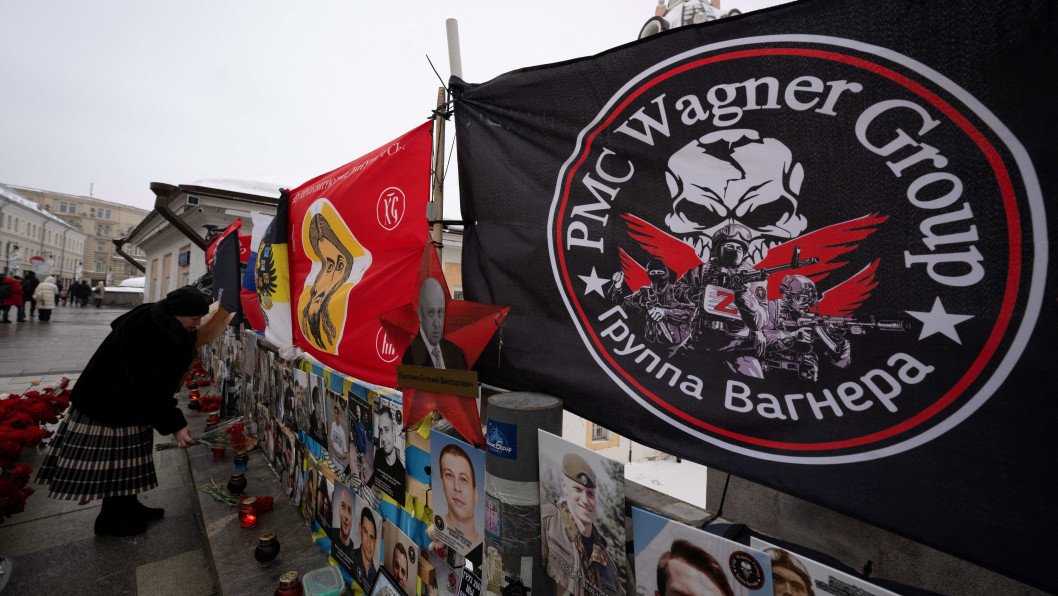
“When I hear the name Wagner, I feel traumatised. I feel afraid. I hate the word Wagner because they have brought sadness to me,” a woman named Bintu told the BBC. She fled her village after her husband was shot multiple times and his body dumped in a river.
The BBC said it had reached out to the defense ministries of Mali and Russia for comment, but neither has responded.
Mali’s pivot toward Russian military support followed years of collaboration with French and Western forces aimed at countering Islamist insurgencies linked to al-Qaeda and ISIS. Critics say that the transition to Russian-backed forces has not improved security outcomes, while reports of abuses against civilians have surged.
Though Wagner announced its “mission accomplished” in June, independent monitors and analysts continue to track the activities of its successor, Africa Corps, amid broader concerns about the role of Russian private military contractors across Africa.
Earlier, a Russian military convoy significantly stronger than Mali’s own army was spotted entering Bamako. The column, part of Russia’s so-called “African Corps,” included T-90M and T-72B3 tanks, BMP-3 IFVs, and over 50 armored vehicles—surpassing Mali’s total ground forces in both size and capability.
Discuss this article:
-9bd5e1532102621f8fb1c4ba871a3171.png)