- Category
- War in Ukraine
How Ukraine Became the Gulf’s Unexpected Teacher in Drone Warfare
 Prefer U24 Media on Google
- Authors


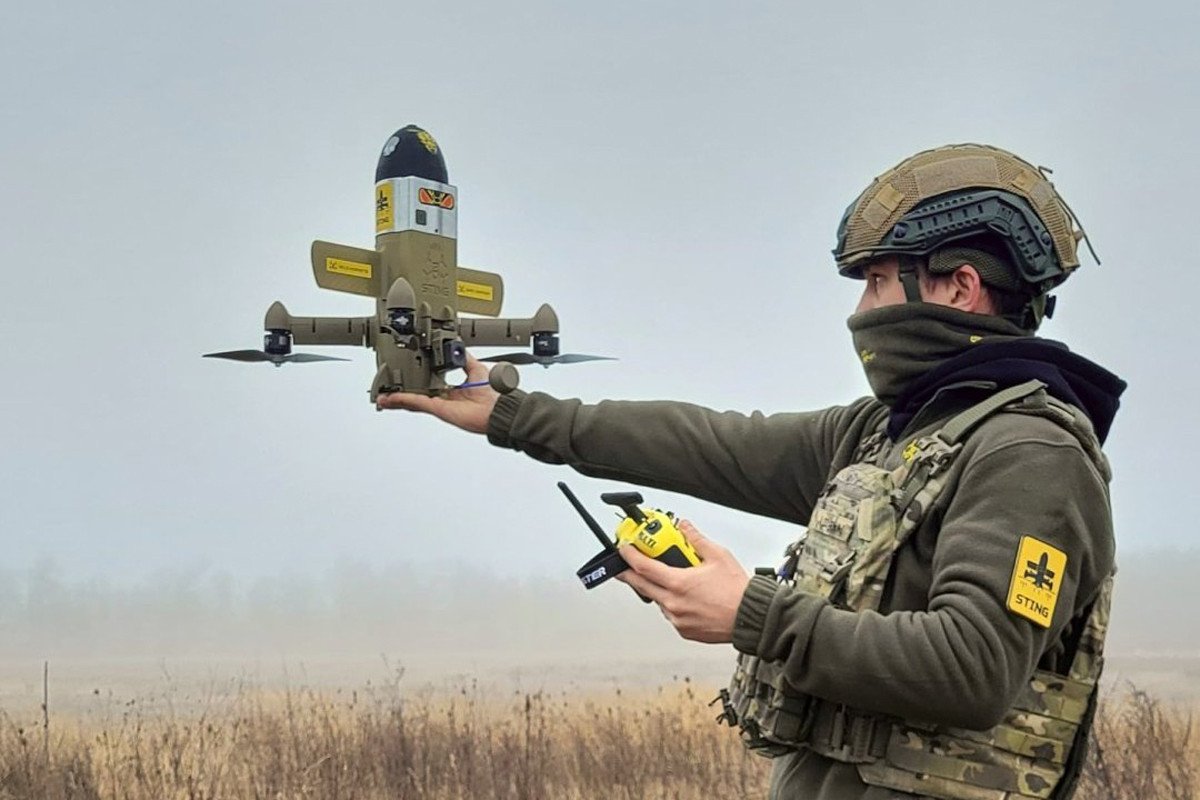
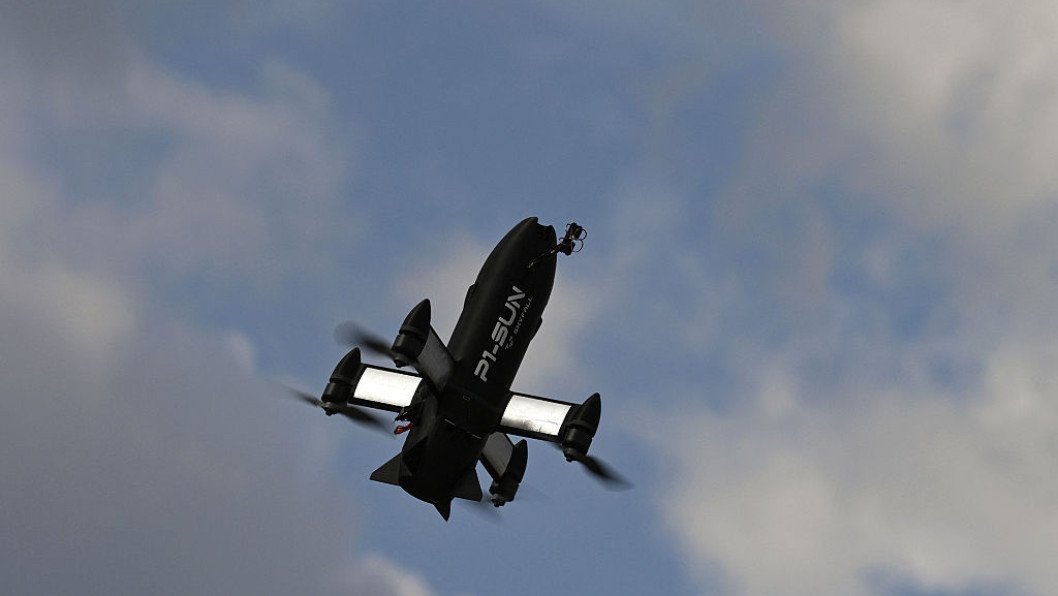
More than 200 Ukrainian drone warfare specialists were deployed to Gulf countries earlier this year to help regional militaries counter Iranian-made Shahed drones using interceptor UAVs.
We bring you stories from the ground. Your support keeps our team in the field.
According to Ukrainian outlet Suspilne on May 26, Ukrainian teams worked with military forces in Saudi Arabia, the United Arab Emirates, Kuwait, Qatar, and Jordan, sharing operational experience gained during Russia’s full-scale invasion of Ukraine.
The Ukrainian teams reportedly worked with military forces in Saudi Arabia, the United Arab Emirates, Kuwait, Qatar, and Jordan, sharing operational experience gained during Russia’s full-scale invasion of Ukraine.
According to Suspilne, one of the Ukrainian officers involved in the mission was Major Tymur Khromaiev of Ukraine’s 12th Special Purpose Center. Speaking after returning to Ukraine in mid-May, Khromaiev said the Ukrainian side focused not only on demonstrating interceptor drones, but also on explaining the broader operational ecosystem behind them.
“Our task was to show the entire variety of drone systems. To explain how we build management and data exchange,” Khromaiev said. “This is not only about controlling one drone, but also ensuring their large-scale use.”
Khromaiev noted that Gulf militaries initially expected Ukrainian systems to provide an immediate solution against Shahed-type drones. However, he said Ukrainian instructors emphasized that effective drone defense requires trained operators, command structures, and integration into broader air defense networks.
“If we are serious, of course, it does not work like that,” he said. “You need not only to show the drone, but explain why and how we reached this point.”
According to Suspilne, Ukrainian specialists also briefed Gulf partners on how Ukraine built large-scale drone operations under wartime conditions, including data-sharing systems, operator training, and rapid scaling mechanisms.
Khromaiev said the operational environment in the Persian Gulf differs significantly from Ukraine’s battlefield. While Ukraine faces large-scale daily drone attacks with limited aviation support, Gulf countries operate alongside layered air defense systems and coalition air power.
“The level of unmanned systems use is completely different,” Khromaiev told Suspilne. “If our enemy used more than 1,300 drones in a single day, then Iran used 2,000 UAVs during the first four weeks there.”
He also said environmental conditions in the Gulf region—including humidity, maritime weather, heavy rainfall, and dense civilian maritime traffic—affect radar performance, electronic warfare systems, and drone operations.
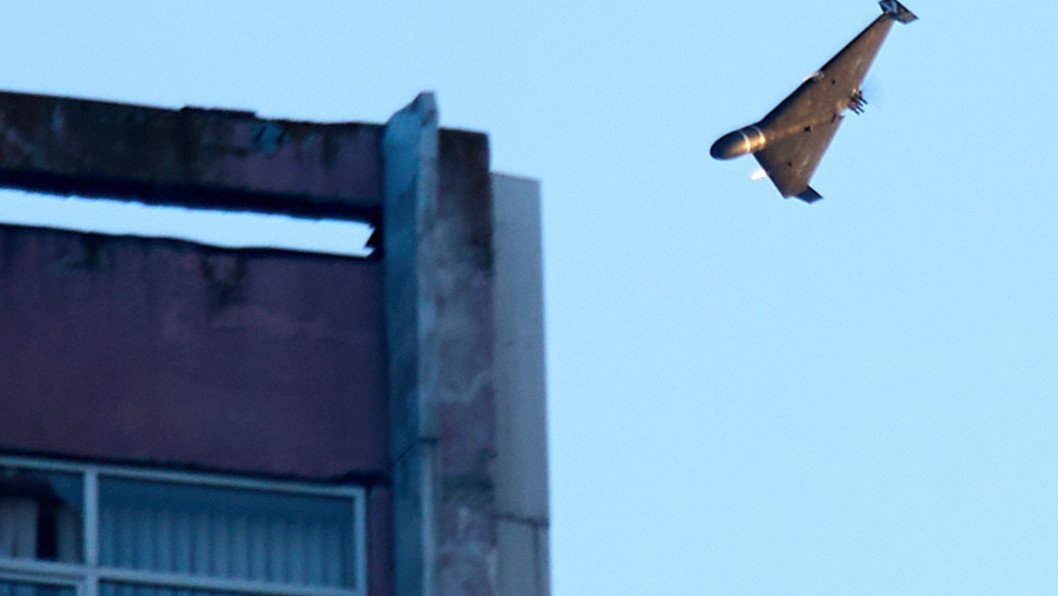
According to Suspilne, Khromaiev stated that Iranian drones used in the Gulf are technologically less advanced than the Russian-operated Geran variants attacking Ukraine. He said Russian systems already employ multiple navigation methods and autonomous control technologies.
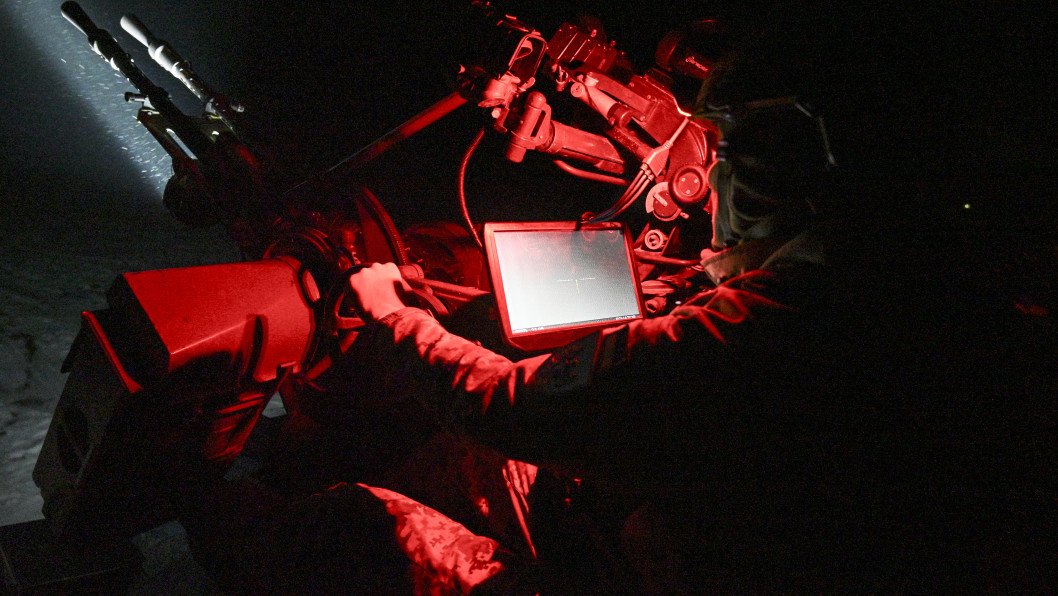
Separately, Commander Oleksandr Yarmak of Ukraine’s Darknode battalion within the 412th Nemesis Brigade said during the DOU Day conference that some foreign military personnel were reluctant to learn FPV drone operations directly.
“They want either to press a button, or pay for a complete solution and have you come and shoot down Shaheds for them,” Yarmak said.
According to Yarmak, Ukraine’s experience cannot be replicated simply through drone purchases alone. He argued that Ukrainian systems work because operators underwent extensive wartime adaptation and training programs.
“Our systems work because we want to survive and we learn,” Yarmak said. “We already built a complete training cycle.”
He added that Ukraine should focus on joint production partnerships abroad, combining Ukrainian combat experience and software expertise with foreign industrial capabilities, including radar manufacturing and advanced components.
Ukraine has become one of the world’s largest combat laboratories for drone warfare since the start of Russia’s full-scale invasion in 2022. Ukrainian interceptor drones are increasingly viewed internationally as a lower-cost alternative to traditional air defense missiles against Shahed-type UAVs.
The deployments come as international demand for Ukraine’s anti-drone expertise continues to grow. On March 9, President Volodymyr Zelenskyy said Ukraine had received 11 requests from countries in the Middle East, Europe, and the United States seeking assistance in countering Shahed-type drones, including interceptor technologies, electronic warfare systems, and operator training.
Discuss this article:
-9a7b3a98ed5c506e0b77a6663f5727c5.png)