- Category
- War in Ukraine
Russia Bypasses Sanctions to Acquire Rolls-Royce-Level Tech for Mass Production of Cheap Jet Drones
 Prefer U24 Media on Google
- Authors


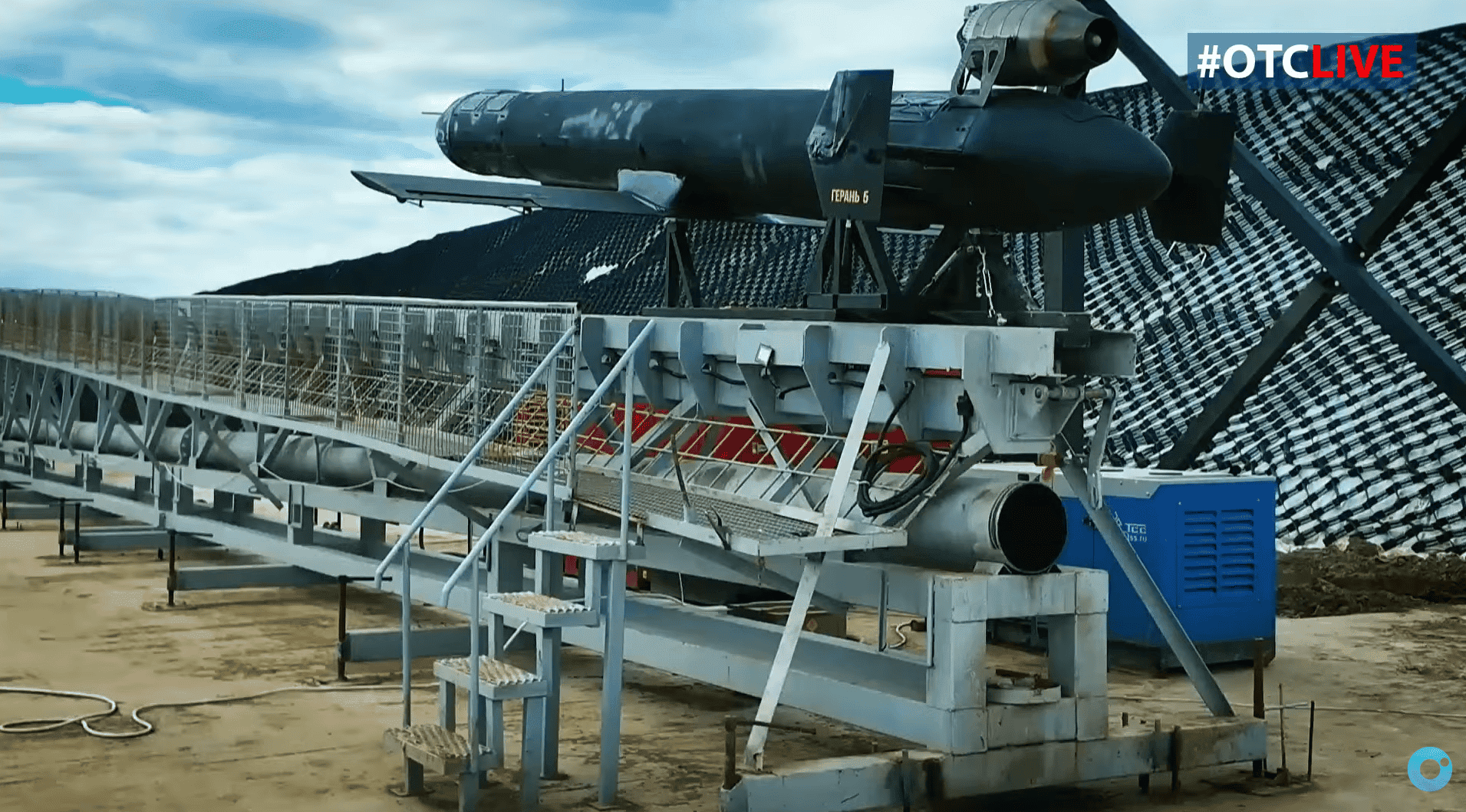
Russia has bypassed Western sanctions to acquire advanced 3D-printing equipment comparable to technology used in Rolls-Royce manufacturing, helping Moscow cut the cost of its jet-powered drones roughly in half as it rapidly expands production, The Economist reported on September 1.
The equipment is reportedly being used to manufacture turbine components for Russia’s increasingly common jet-powered UAVs, which have emerged as one of the most difficult new threats facing Ukrainian air defenses.
We bring you stories from the ground. Your support keeps our team in the field.
Citing a Ukrainian air defense source, The Economist reported that the production advances have reduced the cost of each Russian jet-powered drone to approximately $50,000-$70,000, with prices expected to fall further as manufacturing scales up.
“Ukraine failed to adequately prepare for this threat, but our partners share the blame,” the source stated.
The development points to a broader sanctions problem. Despite years of Western efforts to restrict Russia’s access to sophisticated industrial equipment and technologies that could support weapons production, Moscow has managed to establish mass-production lines for jet engines, according to The Economist.
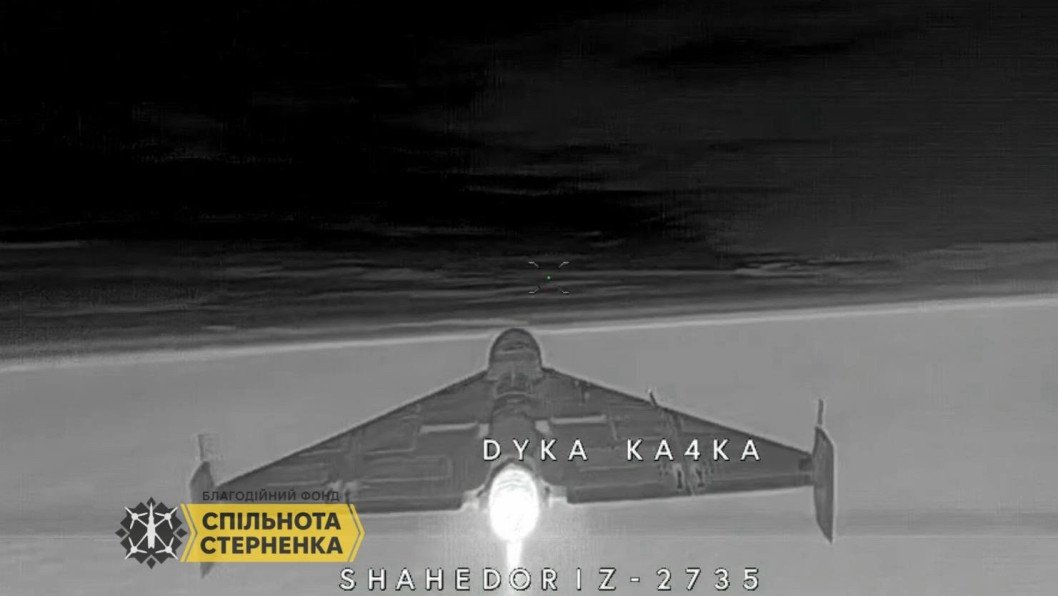
That rapidly expanding supply is creating an increasingly difficult cost equation for Ukraine.
Current methods capable of reliably engaging the faster drones include fighter aircraft, short-range surface-to-air missile systems, man-portable air defense weapons and automated anti-aircraft guns positioned around critical infrastructure.
Many of those solutions are substantially more expensive than the drones they are being used to destroy.
An officer in Ukraine’s air defense command told The Economist that Ukrainian forces intercepted only around 30% of jet-powered drones during recent Russian barrages.
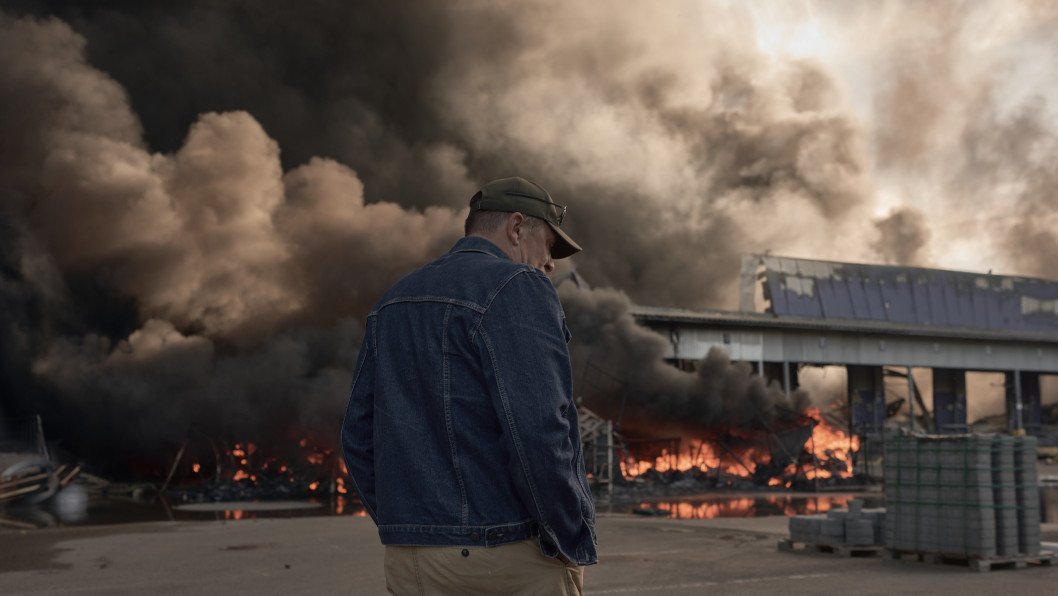
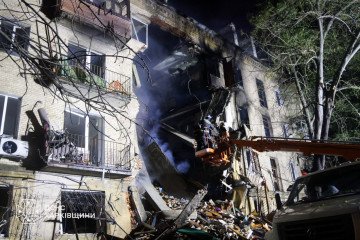
Even more concerning, according to the report, some of the drones managed to hit critical facilities that Russian ballistic missiles had failed to destroy during more than four years of full-scale war.
Ukraine has been considerably more successful against Russia’s older propeller-driven Shahed-type drones, intercepting or suppressing more than nine out of every 10 in many previous strikes.
Jet propulsion changes that equation.
Newer Russian models can reach speeds approaching 600 kilometers per hour, or about 370 mph, compared with roughly 200 kilometers per hour for earlier Shahed variants. Their greater speed dramatically reduces the time available for Ukrainian defenders to detect, track and intercept them.
Ukraine anticipated the emergence of the threat but has not yet fielded a cheap defensive system at sufficient scale. Several new Ukrainian interceptor designs are currently undergoing development and testing, including systems that resemble miniature missiles and are intended specifically to catch faster UAVs.
❗️There is damage to the railway infrastructure near the Kyiv railway station, local media reports. pic.twitter.com/7NhweFipk4
— MAKS 26 🇺🇦👀 (@Maks_NAFO_FELLA) September 2, 2026
The urgency is growing as Russia sharply increases the number of jet-powered drones it launches.
Ukrainian Air Force spokesperson Yurii Ihnat said Russia deployed five times as many jet-powered UAVs in July as it did in June.
The expansion is increasingly tied to Russia’s campaign against Ukraine’s energy system ahead of winter.
According to The Economist, Russian forces are focusing heavily on approximately 140 electrical substations operated by national grid company Ukrenergo. These facilities transform high-voltage electricity for distribution into regional networks and are crucial for moving power around the country.
Ukraine may still have enough overall electricity generation capacity to meet national demand this winter, particularly because wartime industrial consumption remains below pre-war levels.
Earlier, Kyrylo Budanov, the Head of the Office of the President of Ukraine, stated that Russian forces plan to maintain a sustained campaign of jet-powered drone strikes against Kyiv until at least September 18–20, timing the aerial bombardment to coincide with Russia’s upcoming parliamentary elections.
Discuss this article:
-9a7b3a98ed5c506e0b77a6663f5727c5.png)


-111f0e5095e02c02446ffed57bfb0ab1.jpeg "Photo of Roman Kohanets")

-72b63a4e0c8c475ad81fe3eed3f63729.jpeg "Photo of Cyril Barabaltchouk")