- Category
- Latest news
Iran Steps Up Ballistic Missile Production Despite UN Sanctions, European Intelligence Warns
 Prefer U24 Media on Google
- Authors


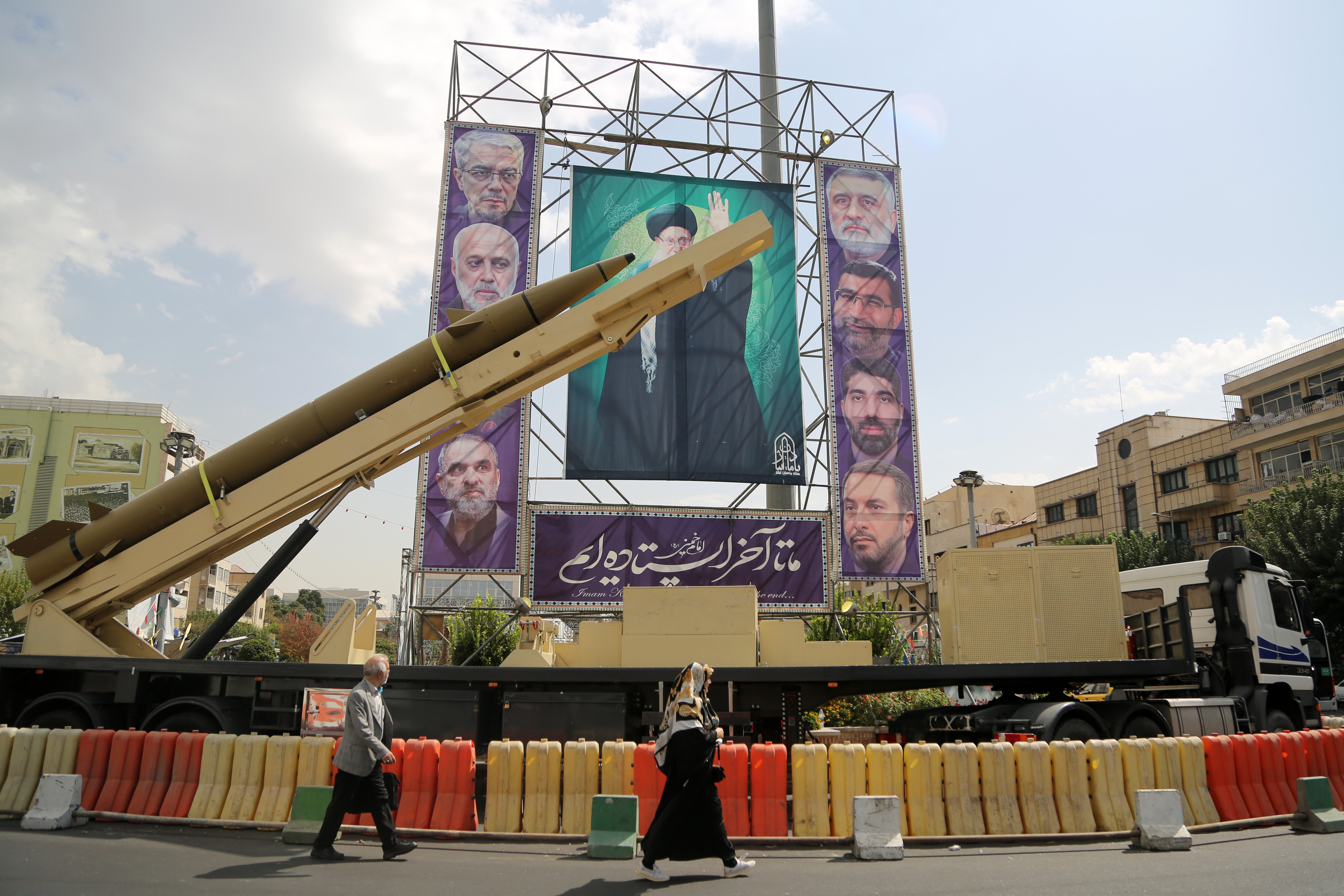
Iran has likely ramped up efforts to rebuild its ballistic missile program, even after the reimposition of United Nations sanctions in September, CNN reported, citing European intelligence sources on October 29.
According to those reports, several shipments of sodium perchlorate—a key chemical used in producing solid rocket fuel—arrived from China at Iran’s Bandar Abbas port in late September.
🚨 A completely new missile has just been launched by Iran — reportedly tested for the first time today. pic.twitter.com/999ZhJfiBB
— Defence Index (@Defence_Index) June 18, 2025
The compound is essential for powering Iran’s medium-range ballistic missiles, and the deliveries may form part of a “determined effort” by Tehran to replenish its missile stockpiles depleted during recent clashes with Israel.
The shipments, reportedly totaling around 2,000 tons, were traced by Western intelligence and linked to Chinese suppliers.
Many of the cargo vessels involved have made repeated trips between China and Iran since April, some turning off their tracking systems en route—a tactic often used to obscure sanction-breaching transfers.
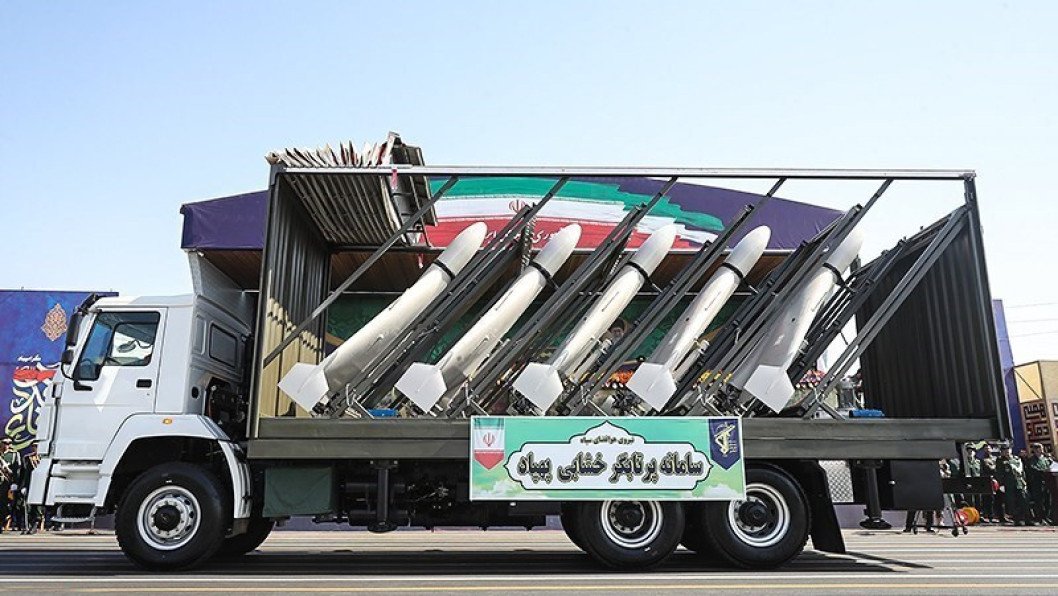
While sodium perchlorate is not explicitly listed among banned exports to Iran, it can be used to produce ammonium perchlorate, a restricted oxidizer employed in missile propulsion systems.
Analysts say that loophole could give Beijing plausible deniability, despite concerns that such trade supports Iran’s missile development, CNN notes.
When asked about the shipments, a spokesperson for China’s Ministry of Foreign Affairs said Beijing “consistently implements export controls on dual-use goods in accordance with its international obligations and domestic laws.”
-1afe8933c743567b9dae4cc5225a73cb.png)
The official also reiterated China’s opposition to renewed UN sanctions on Iran, calling them “unconstructive” and a “serious setback” to diplomatic efforts over the Iranian nuclear issue.
The renewed transfers follow a 12-day conflict between Iran and Israel in June, during which the Israeli military reportedly destroyed a significant share of Iran’s surface-to-surface launchers. Experts believe Tehran is now rushing to replace those losses.
🇮🇱🇮🇷 - One year ago, the Israeli Air Force struck military targets in Iran, targeting ballistic missile facilities and surface to air missile arrays in response to prior Iranian attacks. The IDF shared footage of some of the strikes today. pic.twitter.com/18beEfdmbS
— EuroWatcher - News for you (@EuroWatcherEUW) October 26, 2025
“Iran needs much more sodium perchlorate now to replace the missiles expended in the war and to increase production,” said Jeffrey Lewis, director of the East Asia Nonproliferation Project at the Middlebury Institute of International Studies.
“Two thousand tons are enough for about 500 missiles—that’s a lot, but Iran was planning to produce around 200 missiles a month before the war.”
-36ecf3ae032b188e3a67450954113aca.jpg)
The UN sanctions, restored under the “snapback” mechanism of the 2015 nuclear deal, prohibit Iran from developing or testing ballistic missiles capable of carrying nuclear weapons. Both China and Russia opposed the reinstatement, arguing that it undermines diplomatic progress.
Earlier, the European Council reimposed sanctions on Iran over its nuclear activities, following the reintroduction of UN measures after the Security Council chose not to extend their suspension.
Discuss this article:


-c439b7bd9030ecf9d5a4287dc361ba31.jpg "Photo of Katherina Popilnichenko")