- Category
- Latest news
Russian FM Lavrov Calls Iran Arms Import Reports “Fairy Tales”—But Evidence Says Otherwise
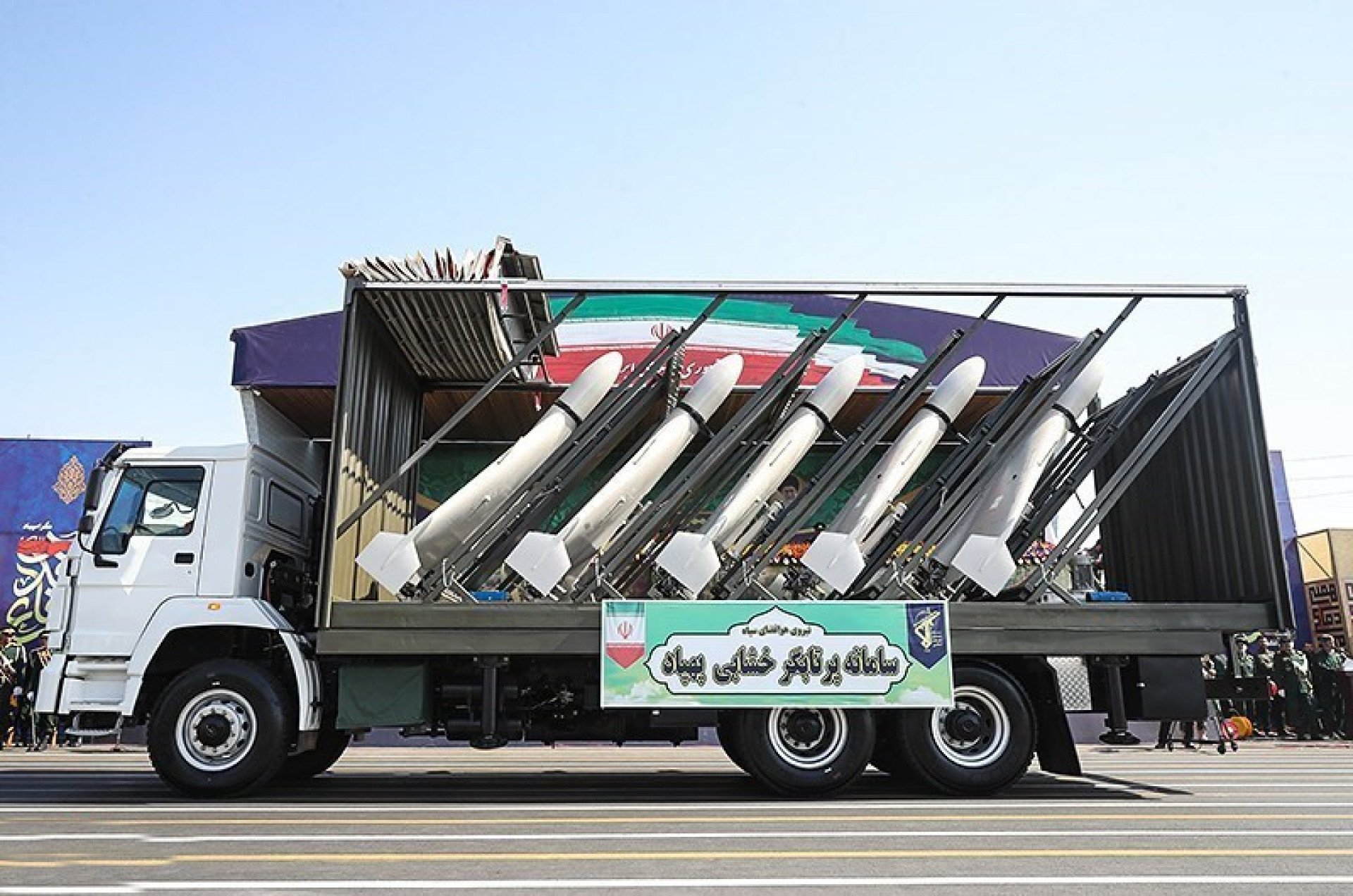
Transport records, satellite imagery, and investigative findings suggest that Iran has been quietly funneling thousands of tons of ammunition to Russia—shipments that may have played a crucial role in sustaining Moscow’s war effort.
 Prefer U24 Media on Google
- Authors


Russian Foreign Minister Sergey Lavrov has brushed off Western accusations that Moscow is relying on Iranian weapons in its war against Ukraine, but all of the evidence, satellite images, and Russian sources say otherwise, a Russian media outlet, Meduza, wrote on August 18.
“If the US invents ten fairy tales a day, accusing us of all mortal sins, it means only one thing: they don’t like Russia as a competitor on the global stage,” Lavrov said earlier.
According to documents obtained by the Washington-based research group C4ADS and reviewed by Meduza, Russia received as much as 4,600 tons of “explosive materials” from Iran in November 2024 alone.
-1afe8933c743567b9dae4cc5225a73cb.png)
Those supplies, investigators say, were funneled through the port of Olya in Russia’s Astrakhan region before being moved by rail to major military depots near Ukraine.
C4ADS analysts note that Russian officials often disguise Iranian and North Korean arms deliveries under the vague label “explosive materials” in shipping paperwork.
“This is weaponry coming straight off the Iranian production line,” said Ruslan Leviev, founder of the Conflict Intelligence Team (CIT), who reviewed the findings.
Satellite photos from November 2024 appear to show a Russian cargo ship, Port Olya-1, unloading containers that were then transferred directly onto rail lines inside the port.
-007b7438a05c303eaadec523aa0aa882.jpg)
The vessel frequently shuttles between Olya and Iranian ports on the Caspian Sea, where investigators believe it picks up artillery shells, mortars, and rockets.
The port itself is a critical hub in the Russia-Iran corridor. Bloomberg has previously reported that Iranian arms shipments to Moscow are often overseen by Hossein Shamkhani, the son of a senior adviser to Supreme Leader Ayatollah Ali Khamenei.
Ownership of the port and its shipping fleet adds another layer of intrigue. A controlling stake belongs to businessman Jamaldin Pashayev, sanctioned by the US in 2024 for facilitating military cargo transfers.
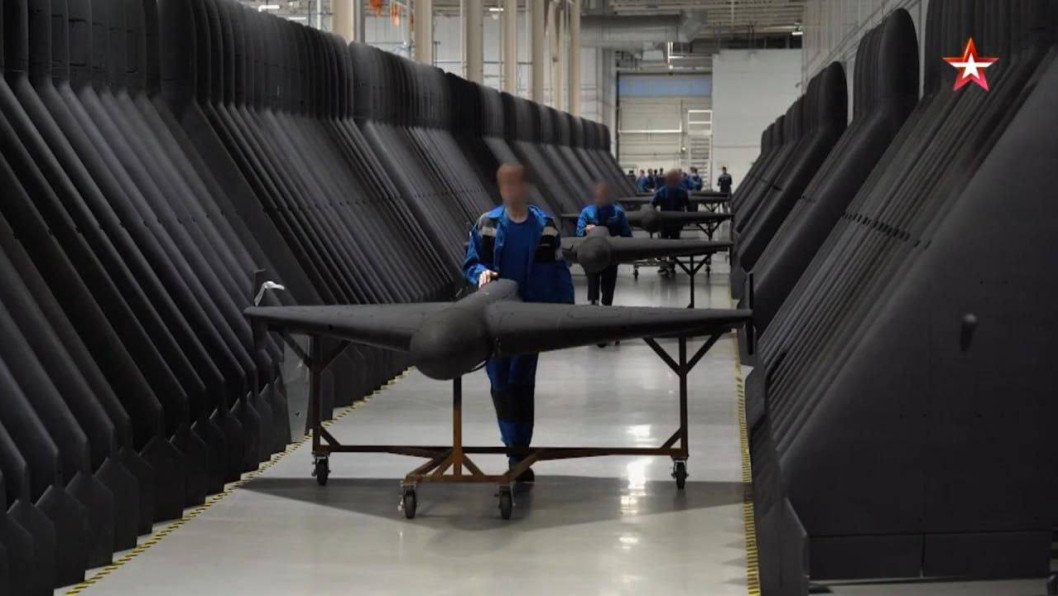
His companies, American officials say, “play a key role in moving Iranian military aid to Russia’s Alabuga special economic zone,” a center for drone production. Several vessels linked to Pashayev’s companies—Port Olya-1 through Port Olya-4—have been tied to weapons shipments.
From Olya, containers moved by rail to storage depots in Kotluban (Volgograd region) and Lukovsky (North Ossetia), both linked to Russia’s Defense Ministry logistics command.
Satellite images of Kotluban from last November show an increase in container stockpiles. “It’s clear that the flow of ammunition continues,” Leviev told Meduza.
A 2025 study by the Kyiv School of Economics (KSE) estimates that Iranian arms now account for up to 17% of supplies at Kotluban.
-36ecf3ae032b188e3a67450954113aca.jpg)
Deliveries from North Korea also pass through the depot after arriving by sea at Nakhodka. Altogether, KSE estimates Russia received 260,000 tons of “explosives” from Iran and North Korea in 2024—a jump from 150,000 tons the year before.
While the exact mix of weapons remains uncertain, Leviev says evidence suggests mortars, artillery shells of several calibers, and Grad rockets. “From the markings, packaging, and even the crates, you can tell this is fresh equipment coming directly out of Iranian factories,” he said.
The shipments haven’t gone unnoticed by Ukraine. Just last week, Ukrainian drones hit the vessel Port Olya-4, which was reportedly loaded with Iranian munitions.
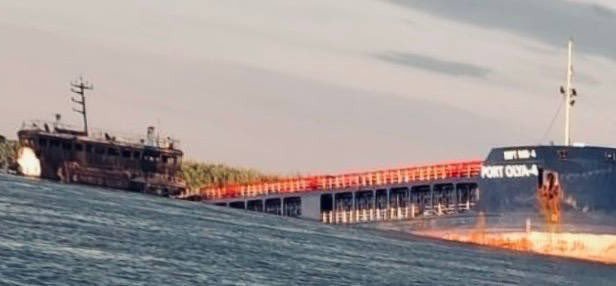
Despite mounting evidence, both Moscow and Tehran continue to deny any arms trade. Iran’s foreign ministry insists such claims are a Western attempt to justify military support for Kyiv. Lavrov, for his part, has dismissed the reports as baseless propaganda.
Earlier, a Russian Shahed-136 attack drone with the serial number “Ы30000” was shot down, marking a new milestone in the scale of drone production at Russia’s Alabuga facility in Tatarstan.
The drone belonged to the Geran-2 line—Russia’s designation for Iranian-designed Shahed drones. The Cyrillic letter “Ы” in the serial number identifies it as manufactured at the Alabuga Special Economic Zone.
Discuss this article:



-c439b7bd9030ecf9d5a4287dc361ba31.jpg "Photo of Katherina Popilnichenko")