- Category
- World
Easy Targets Are Mostly Gone as EU Faces Internal Trade-Offs Over Russian Sanctions
 Prefer U24 Media on Google
- Authors

-c439b7bd9030ecf9d5a4287dc361ba31.jpg "Photo of Katherina Popilnichenko")
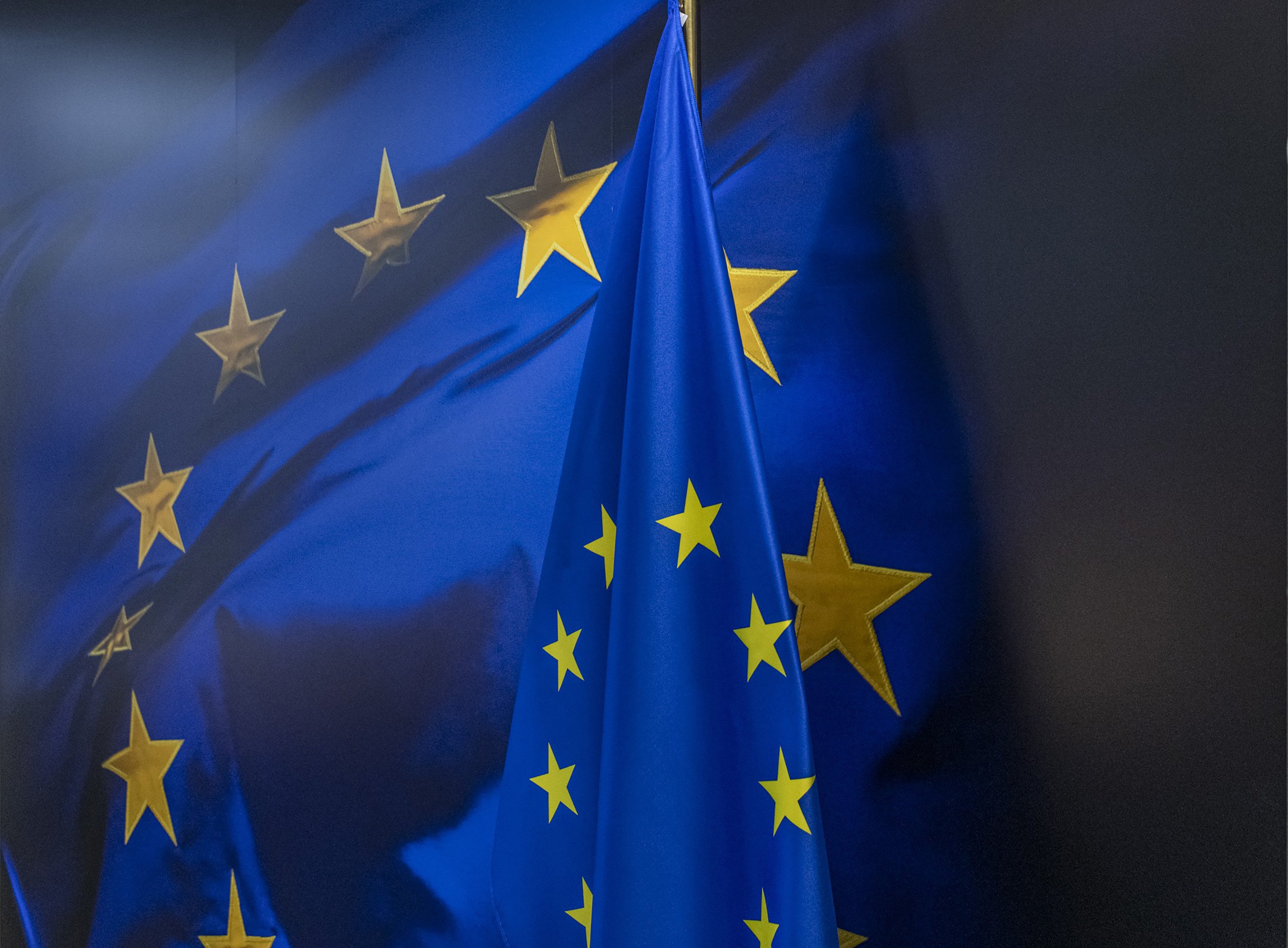
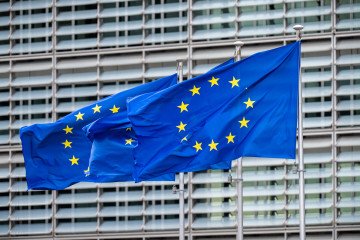
European Union sanctions against Russia are increasingly influenced by the national interests of individual member states.
Governments now frequently use negotiations over sanctions lists to secure political concessions on separate issues, as reported by Euractiv.
We bring you stories from the ground. Your support keeps our team in the field.
Last week, EU countries agreed to extend sanctions against figures close to the Kremlin in exchange for removing Russian oligarchs Alisher Usmanov and Mikhail Fridman from the bloc’s blacklists.
This decision raised concerns among several European diplomats, who pointed out that member states are increasingly using sanctions as leverage to secure foreign policy goals.
According to Philipp Lausberg, a senior analyst at the European Policy Centre, EU sanctions against Russia have shifted since 2022 from energy security concerns to economic, corporate, and foreign policy interests, Euractiv reported.
He noted that "the easy targets are mostly gone," as earlier sanctions packages already addressed oil, gas, raw materials, export controls, and financial measures.
-4d94609e181600057db513cf38760c1e.jpg)
European officials are now left to target entities that support shadow fleets, financial structures, cryptocurrency platforms, and companies in third countries that help Russia circumvent export restrictions.
However, these operations are significantly harder to block. Experts note that technological restrictions and export prohibitions remain among the most effective tools available to the European Union.
Previously, European Union diplomats hit a deadlock over renewing sanctions on nearly 3,000 Russian targets after France joined Slovakia in demanding the removal of billionaire Alisher Usmanov.
France cited national security and efforts to free its citizens detained in Azerbaijan, while Luxembourg pushed to delist billionaire Mikhail Fridman, forcing the EU to agree to a one-week extension to avoid the regime's expiration.
Discuss this article:


-111f0e5095e02c02446ffed57bfb0ab1.jpeg "Photo of Roman Kohanets")