- Category
- World
EU Considers NATO-Style Emergency Protocol to Counter Russian Hybrid Warfare
 Prefer U24 Media on Google
- Authors

-72b63a4e0c8c475ad81fe3eed3f63729.jpeg "Photo of Cyril Barabaltchouk")
European capitals are debating new collective defense mechanisms to counter Russia’s escalating campaign of hybrid warfare, the Financial Times reported on September 28.
This happens as concerns grow that existing measures are failing to deter Moscow, with a growing number of EU nations calling for formalized procedures to punish the Kremlin for state-sponsored sabotage, arson, and cyberattacks that fall below the threshold required to trigger NATO’s Article 5 mutual defense clause.
We bring you stories from the ground. Your support keeps our team in the field.
The debate over collective response mechanisms follows a severe escalation in Russian state-sponsored sabotage across the continent this summer. In August alone, a wave of suspected Russian hybrid operations targeted NATO infrastructure, including an arson plot against a Slovakian drone factory, cyberattacks on the Norwegian government, and a fire at a Polish defense facility.
In response, the European Commission has proposed an “Emergency Security Protocol” and a “counter-hybrid playbook” to coordinate swift, collective countermeasures against non-military aggression, the Financial Times noted.
EU Defence Commissioner Andrius Kubilius emphasized the need for a synchronized posture, stating that if Europe faces hybrid warfare, it requires a unified “hybrid defense” capable of inflicting equivalent pain on Russia.
According to the Financial Times, EU defense ministers gathered in Brussels on September 28 to debate the proposal, which is designed to mirror NATO's Article 4 consultation process—allowing allies to convene formally whenever their security is threatened.
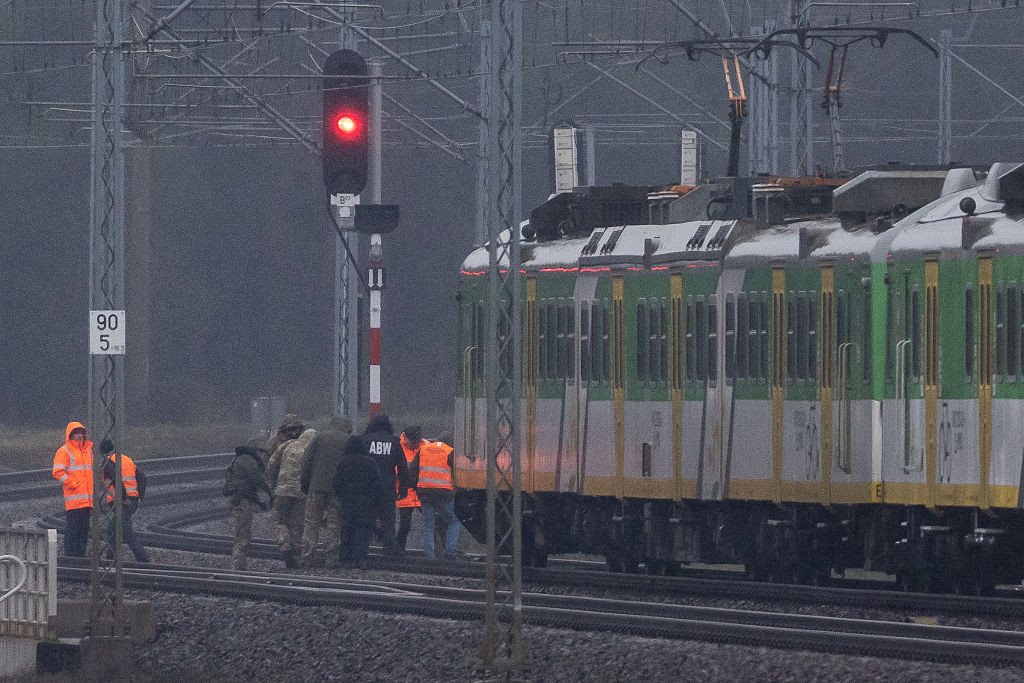
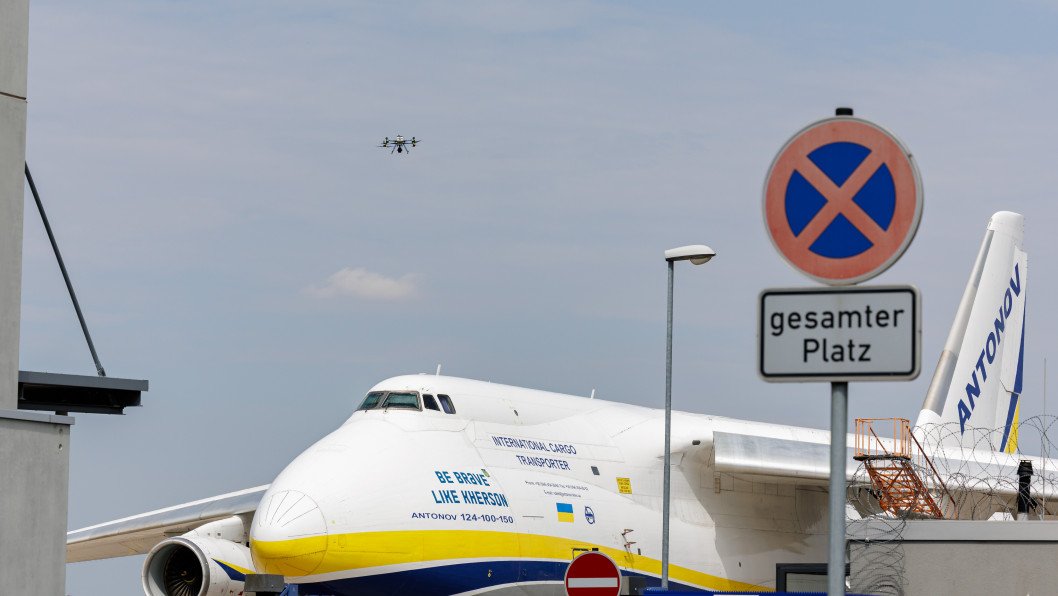
Moscow’s recent campaign has included an attempted drone strike targeting a Ukrainian aircraft at Germany’s Leipzig/Halle Airport in August, arson attacks on industrial infrastructure, and the bombing of a railway line in Poland.
However, several European diplomats expressed skepticism to the Financial Times over whether creating new administrative frameworks would effectively deter Russian aggression.
There is widespread wariness that the new protocol could simply duplicate NATO's existing decision-making pathways, with one diplomat stating, “I’m not sure that anyone thinks the way to fight back against the Russians is to hold more meetings”.
Despite these diplomatic reservations, Commission President Ursula von der Leyen warned that European security doctrine has failed to keep pace with Moscow’s escalating tactics, as cited by the Financial Times. She noted that the daily increase in drone incursions and sabotage necessitates a mechanism to flank NATO's Article 4.
-c66ff860c4c56f65ba5aa7912133d4bd.png)
Meanwhile, NATO Secretary-General Mark Rutte affirmed that the alliance maintains non-public, asymmetrical options to counter Russian hybrid threats, according to the Financial Times. Rutte stressed that NATO is ready to respond and that closer EU-NATO cooperation remains vital for continental security, assuring that the Kremlin is aware of the potential consequences.
Germany’s top military officer, Inspector General Carsten Breuer, had recently warned at the IISS Prague Defense Summit that the entire country—including civil society and industry—must mobilize to prepare for potential war and national defense.
Emphasizing that military strength and technology alone are insufficient against Russia’s rapidly adapting hybrid threats, Breuer stressed the need to study combat lessons from Ukraine and warned that without full civilian backing, the armed forces will fail.
Discuss this article:



-c439b7bd9030ecf9d5a4287dc361ba31.jpg "Photo of Katherina Popilnichenko")

-111f0e5095e02c02446ffed57bfb0ab1.jpeg "Photo of Roman Kohanets")