- Category
- World
NATO’s Article 5 is “Deliberately Ambiguous” on Hybrid Threats, Rutte Says
 Prefer U24 Media on Google
- Authors

-72b63a4e0c8c475ad81fe3eed3f63729.jpeg "Photo of Cyril Barabaltchouk")
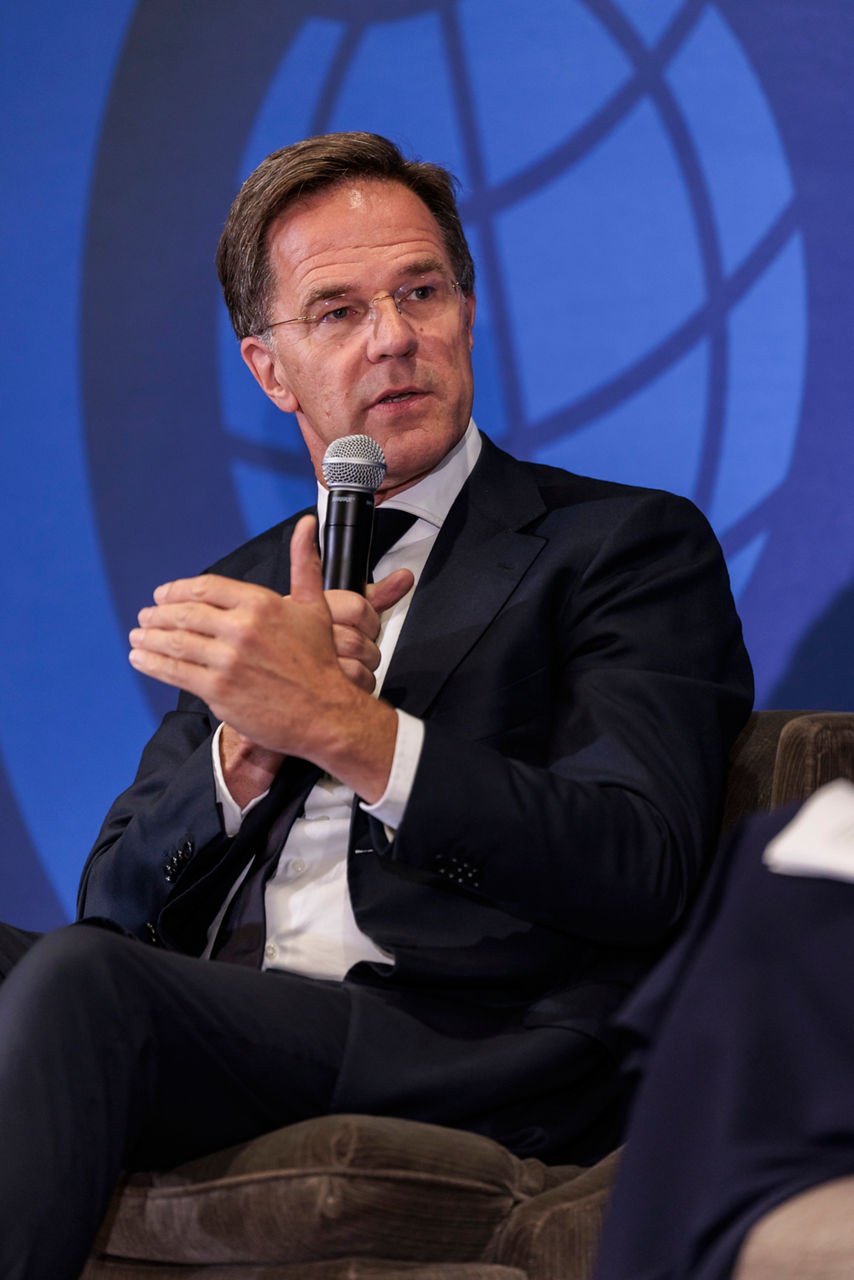
NATO’s Article 5 mutual defense clause is intentionally vague to prevent adversaries from exploiting red lines, particularly as the alliance faces a growing wave of hybrid warfare, NATO Secretary General Mark Rutte stated on September 23.
Speaking at a Chicago Council on Global Affairs event in Des Moines, Iowa, alongside US Ambassador to NATO Matt Whitaker, Rutte addressed growing concerns over how the military alliance would respond to unconventional, gray-zone aggression, such as the severing of critical undersea cables.
We bring you stories from the ground. Your support keeps our team in the field.
Russian hybrid warfare blends cyberattacks, disinformation, and physical sabotage—such as arson and drone incursions—across Europe to operate just below the threshold of direct military conflict.
By deploying recruited proxies and criminal networks, Moscow aims to disrupt vital military aid to Ukraine and destabilize Western societies without triggering a full NATO Article 5 response.
“Article Five… is deliberately ambiguous, so we will never exactly tell anyone when Article Five is exactly triggered or not, because we don’t want to make our adversaries any wiser,” Rutte explained to the audience.
While NATO refuses to outline the specific thresholds that would trigger a collective military response, Rutte assured that the alliance possesses a full spectrum of retaliatory options for hybrid attacks. He noted that NATO's responses will not always be a direct “tit-for-tat” mirror of the aggression, but will often be asymmetric.
-5cb7e9e1318be990d6b922ede67c233b.png)
As a primary example, Rutte pointed to the severing of an undersea telecommunications cable between Finland and Estonia, which prompted NATO to launch the “Baltic Sentry” operation to secure regional waters.
He also highlighted increasing coordinated efforts by allies—including Sweden, France, Belgium, and the UK—to disrupt Russia’s shadow fleet of sanctions-evading oil vessels as another form of asymmetric retaliation that “the Russians hate.”
Beyond hybrid warfare, Rutte used the Iowa address to underscore the deepening threat posed by the collaboration between Russia, China, Iran, and North Korea. He stressed that this unified authoritarian axis requires a dual-theater readiness strategy, defending both the Euro-Atlantic and the Indo-Pacific simultaneously.
To achieve this, Rutte highlighted that European allies are rapidly adopting a historic new defense spending target of 5% of GDP.
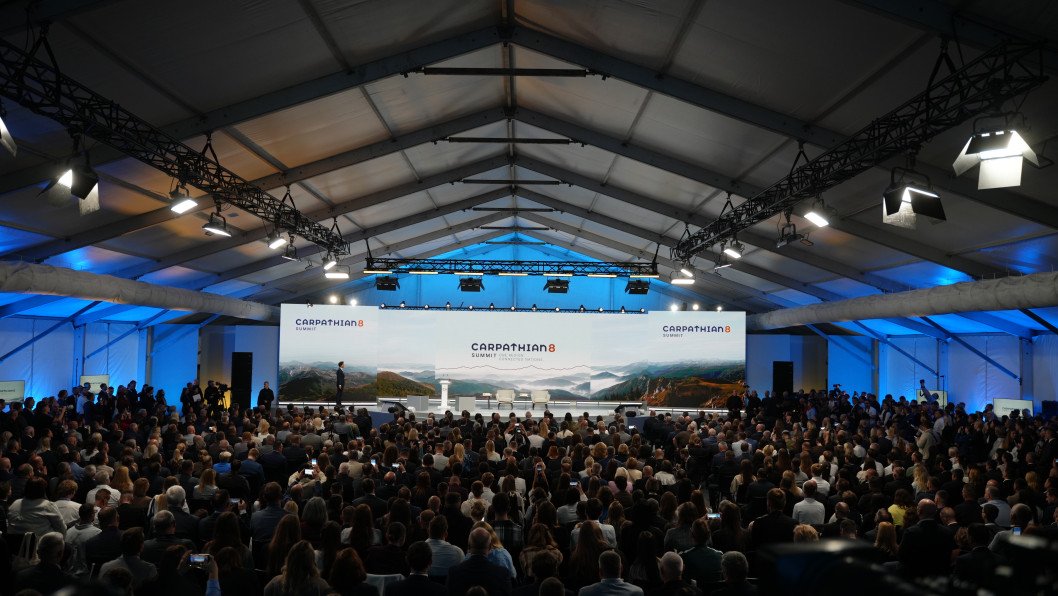
This massive influx of European defense investment, he argued, is designed to secure the conventional defense of the European continent, freeing up the United States to project necessary power in the Indo-Pacific without abandoning its NATO commitments.
An unauthorized drone had recently breached the perimeter of the highly strategic US Aegis Ashore missile defense base in Redzikowo, Poland, operating roughly 500 meters from the facility for several minutes before Polish guards reported the incident to a civilian emergency hotline.
The incident has raised significant concerns about the readiness of Polish forces to defend critical infrastructure.
Discuss this article:



-c439b7bd9030ecf9d5a4287dc361ba31.jpg "Photo of Katherina Popilnichenko")