- Category
- World
Ukraine's New “Carpathian 8” Links Eight Nations, 126 Million People, and €40 Billion in Projects
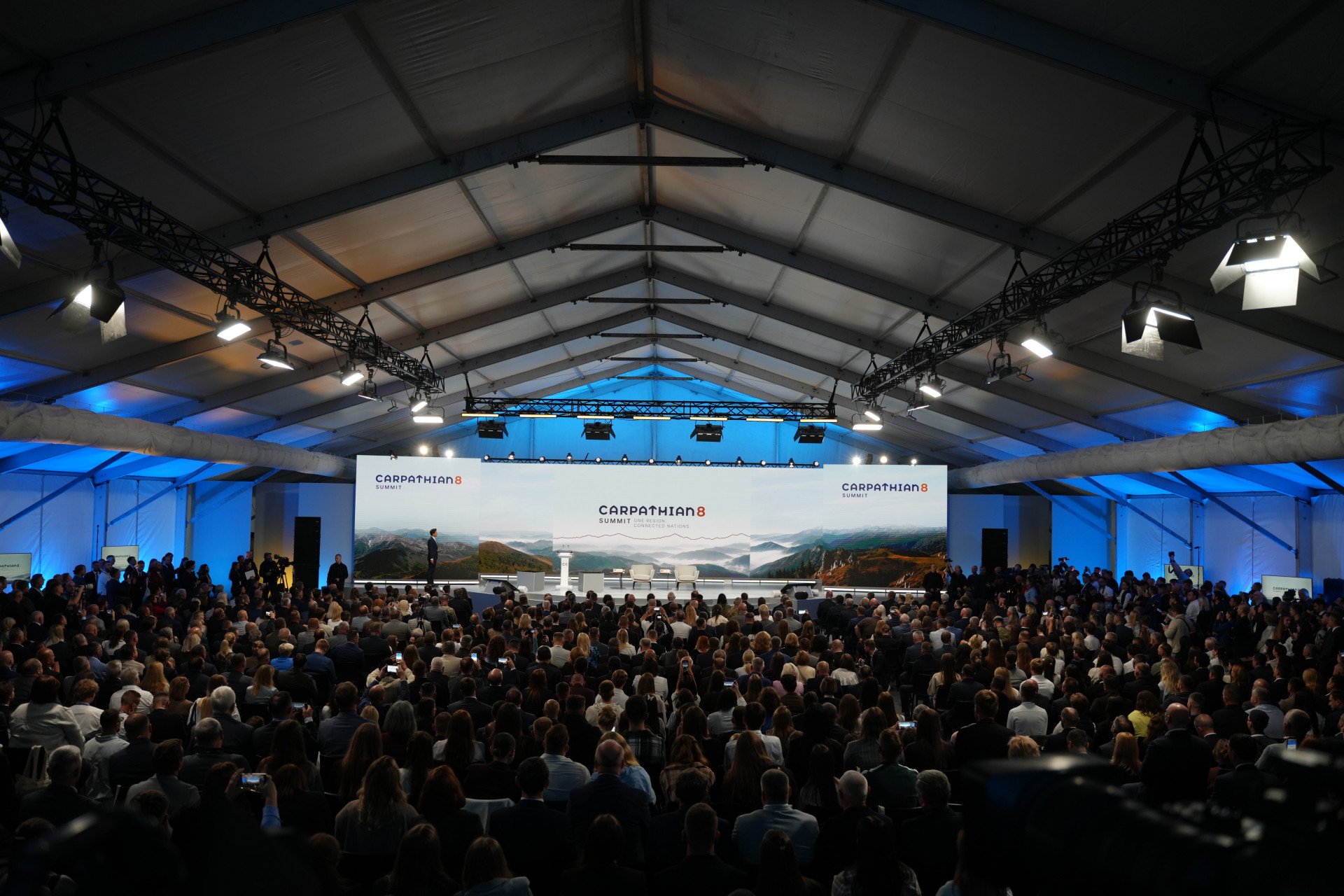
High in the Ukrainian section of the Carpathian Mountains, President Volodymyr Zelenskyy brought together leaders from seven regional nations to establish a new framework for energy resilience, cross-border logistics, and strategic trade partnerships, signaling a commitment to collective regional development.
 Prefer U24 Media on Google
- Authors


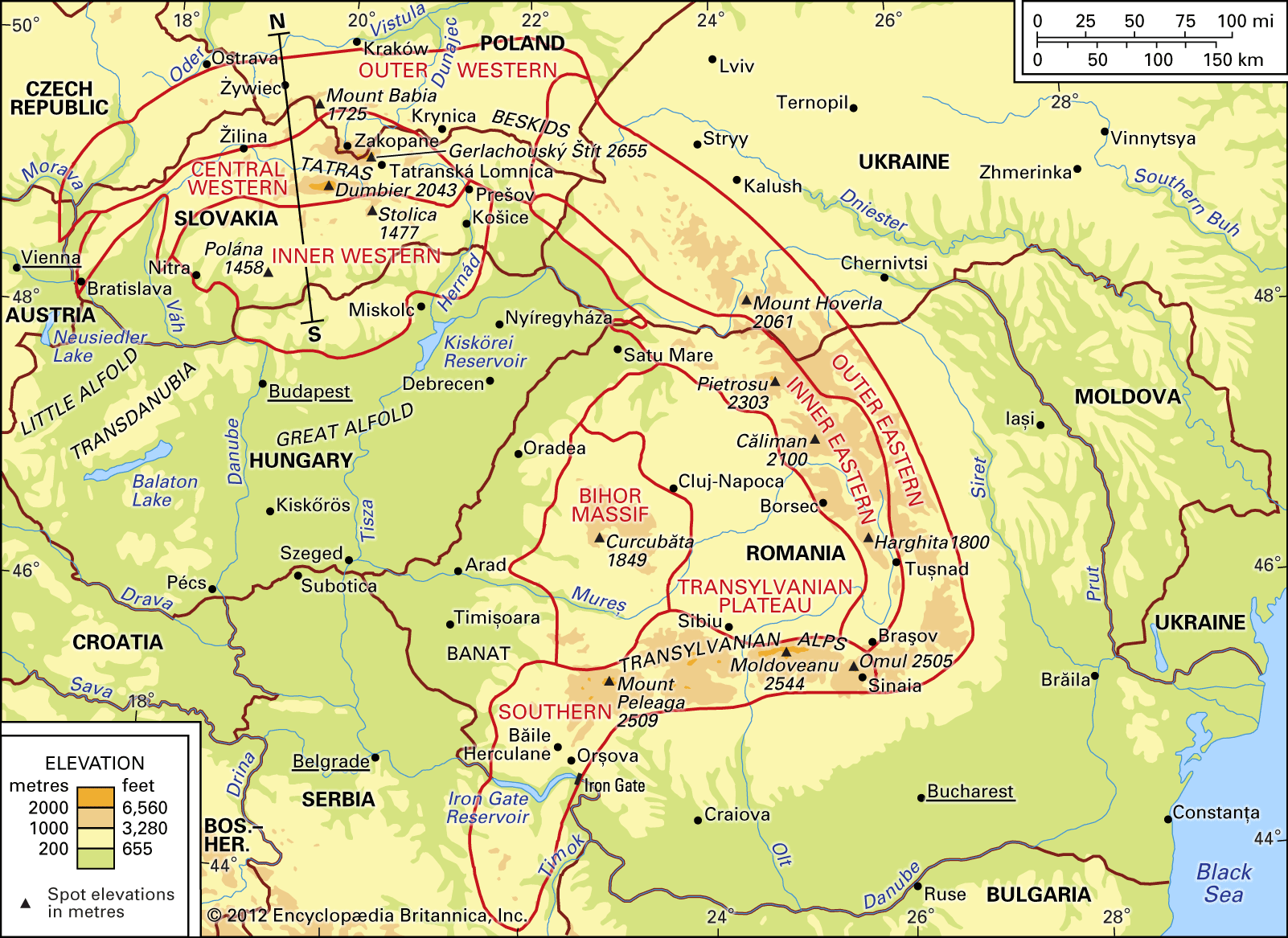
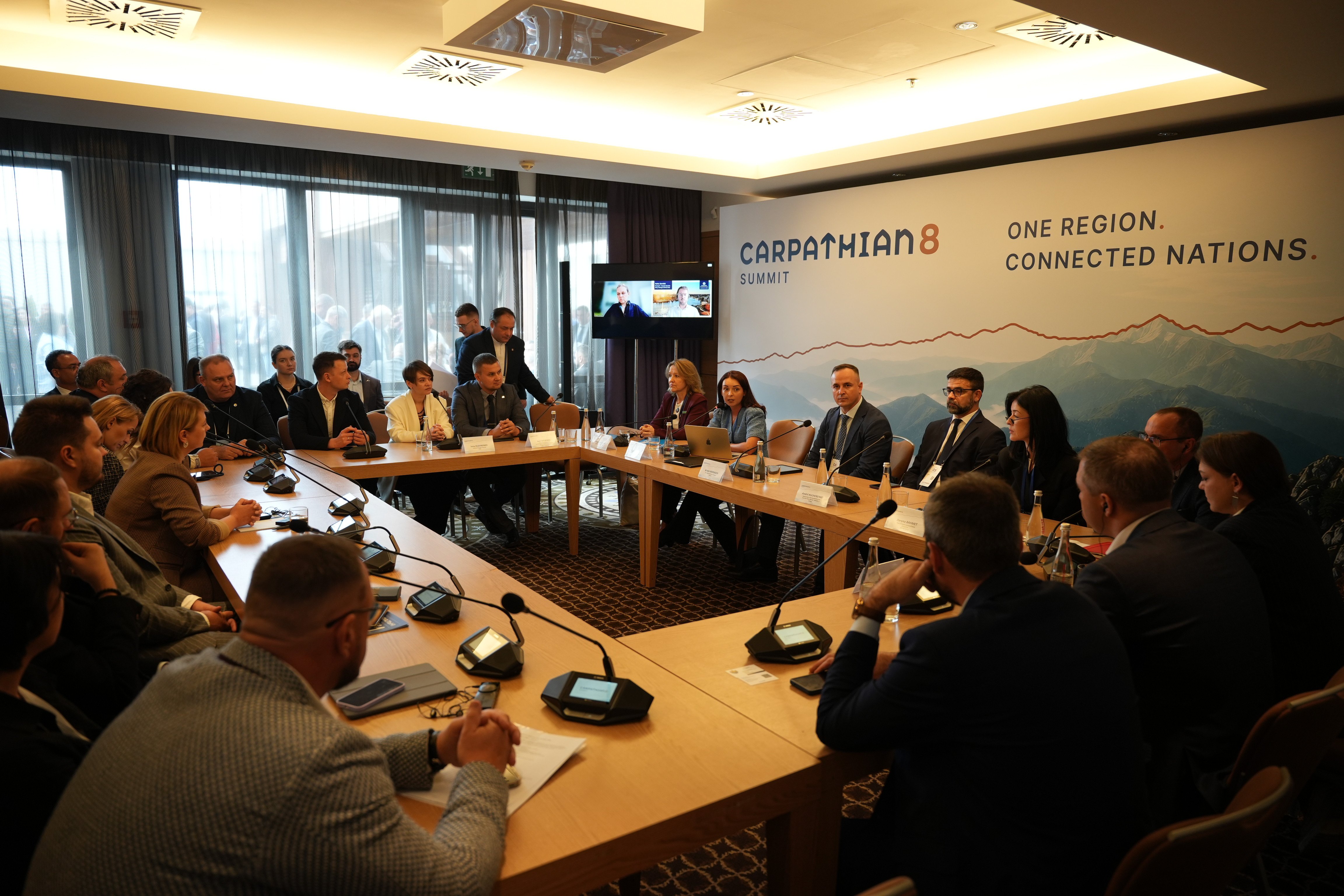
Held in Bukovel , the inaugural Carpathian 8 (C8) Summit—or the Carpathian Initiative, as sometimes referred to by President Zelenskyy—launched a new cooperation format uniting Ukraine, Romania, Poland, Czechia, Slovakia, Hungary, Serbia, and Austria, alongside representatives from the European Union.
Representing an economic space of over 126 million people and a combined GDP of more than $3.4 trillion, the initiative aims to transform the shared mountain region into a resilient economic and security anchor for Central and Eastern Europe.
Regional security and countering hybrid threats
Security formed a primary pillar of the C8 discussions as European nations face escalating concerns over Russian territorial incursions, including cyberattacks, sabotage, and potential drone or airspace violations across NATO's eastern flank.
While C8 participating nations maintain distinct approaches to direct military aid—with Poland and Romania providing steadfast defense support while Slovakia, Hungary, and Serbia refrain from direct lethal aid—the summit established a shared framework for cross-border intelligence sharing, critical infrastructure protection, and civil defense mechanisms against external disruption.
A €40 billion joint investment pipeline
Transitioning geographic proximity into integrated industrial supply chains, the summit marked the signing of the joint Carpathian Declaration and established a framework for increased economic investment across the region. Participating nations consolidated their regional economic capabilities into a single unified investment portfolio comprising nearly 100 long-term reconstruction and development projects valued at over €40 billion ($45,869,400,000).
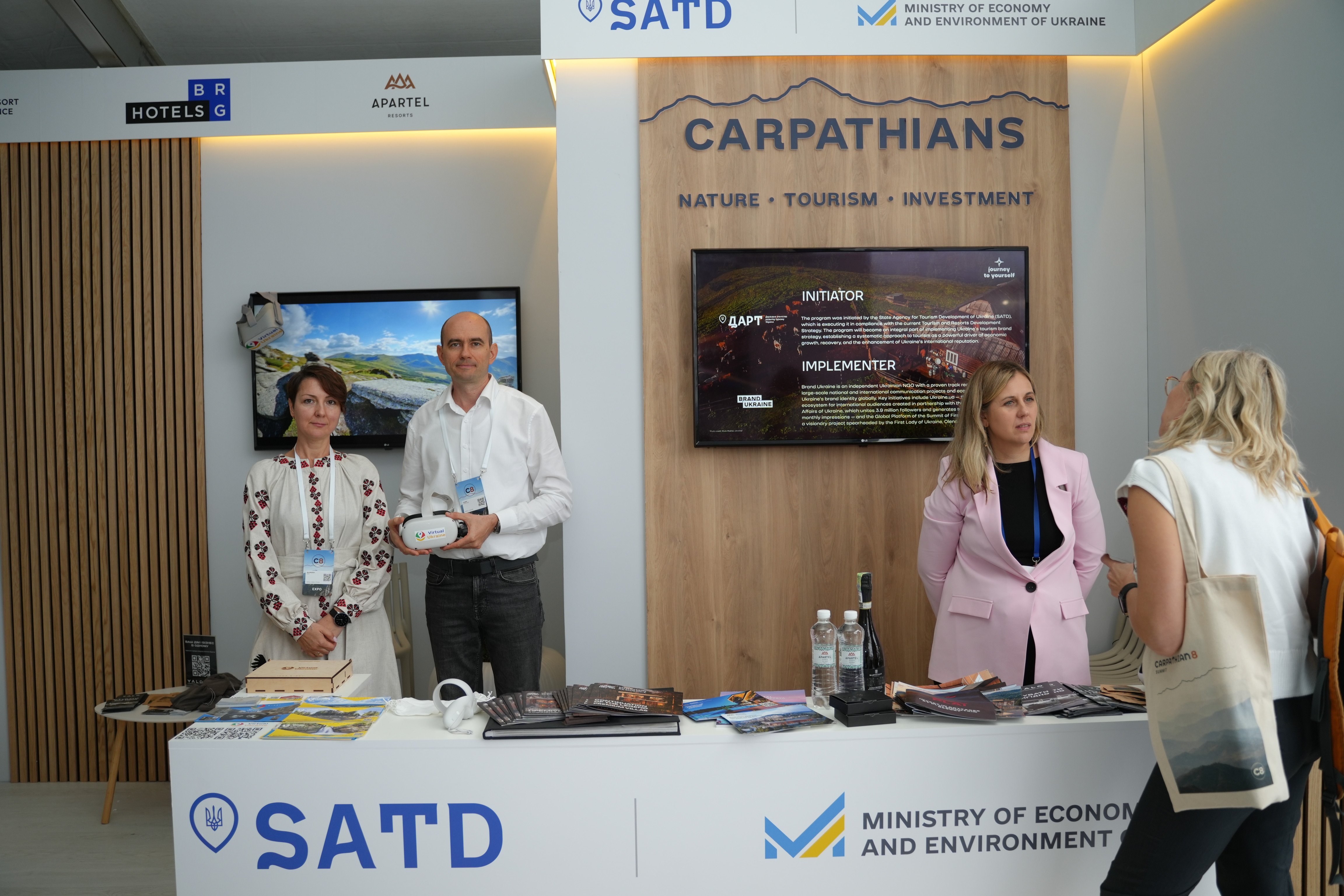
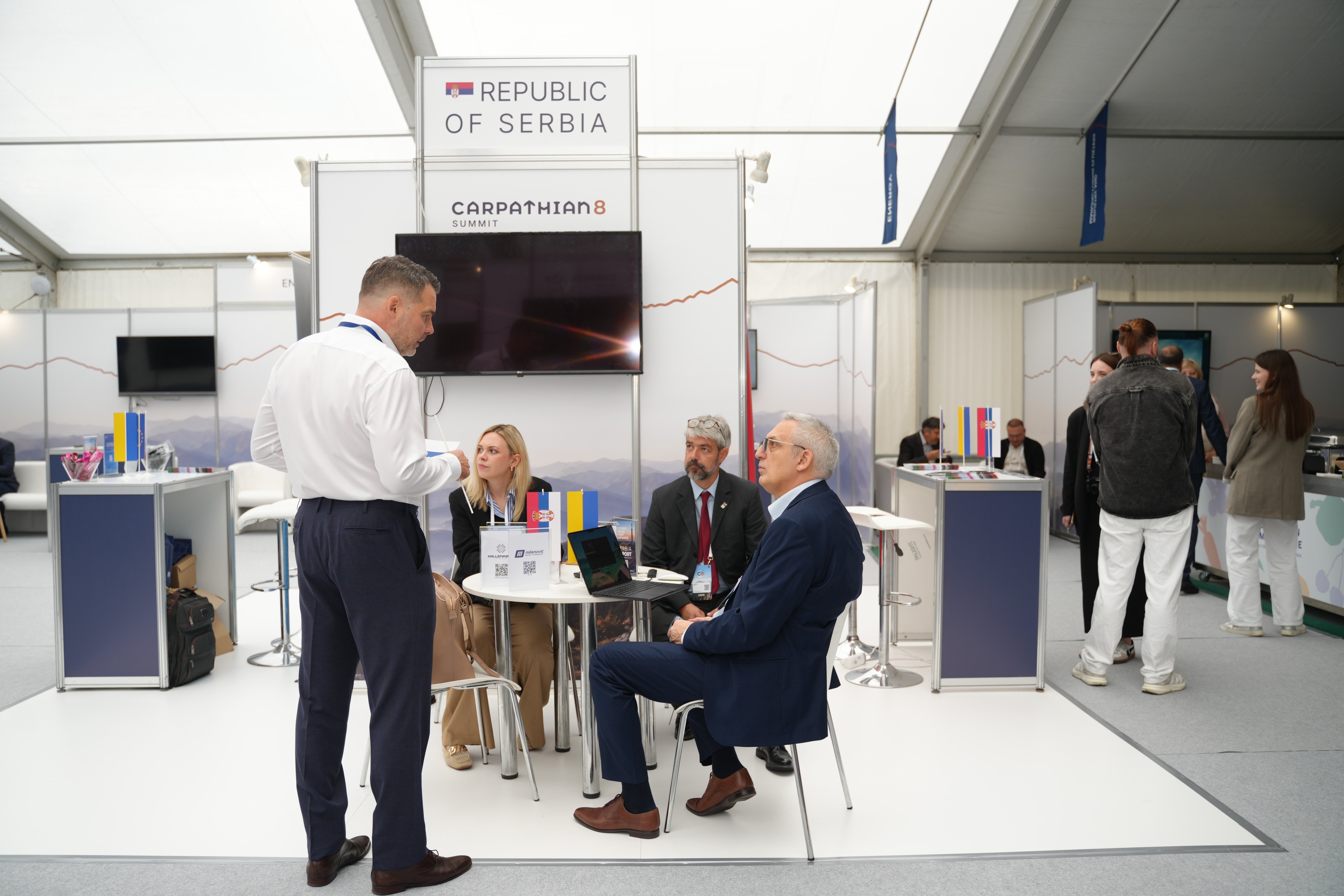
Immediate summit outcomes yielded over €1 billion ($1,146,745,000) in signed trade, financial, and investment agreements, supported by an on-site investment EXPO showcasing key sectors:
Transport and logistics corridors: Expansion of multimodal freight terminals in Zakarpattia, modernized rail links, and streamlined border-crossing infrastructure.
Manufacturing and industrial chains: Industrial integration spanning machinery, electronics, cold storage logistics, glass production, and electric vehicle/motor manufacturing.
Energy resilience and clean power deployment
Addressing shared energy security challenges, C8 representatives prioritized projects to reinforce regional power grids and accelerate clean energy generation, reducing regional vulnerabilities to external energy dependence and supply disruptions.
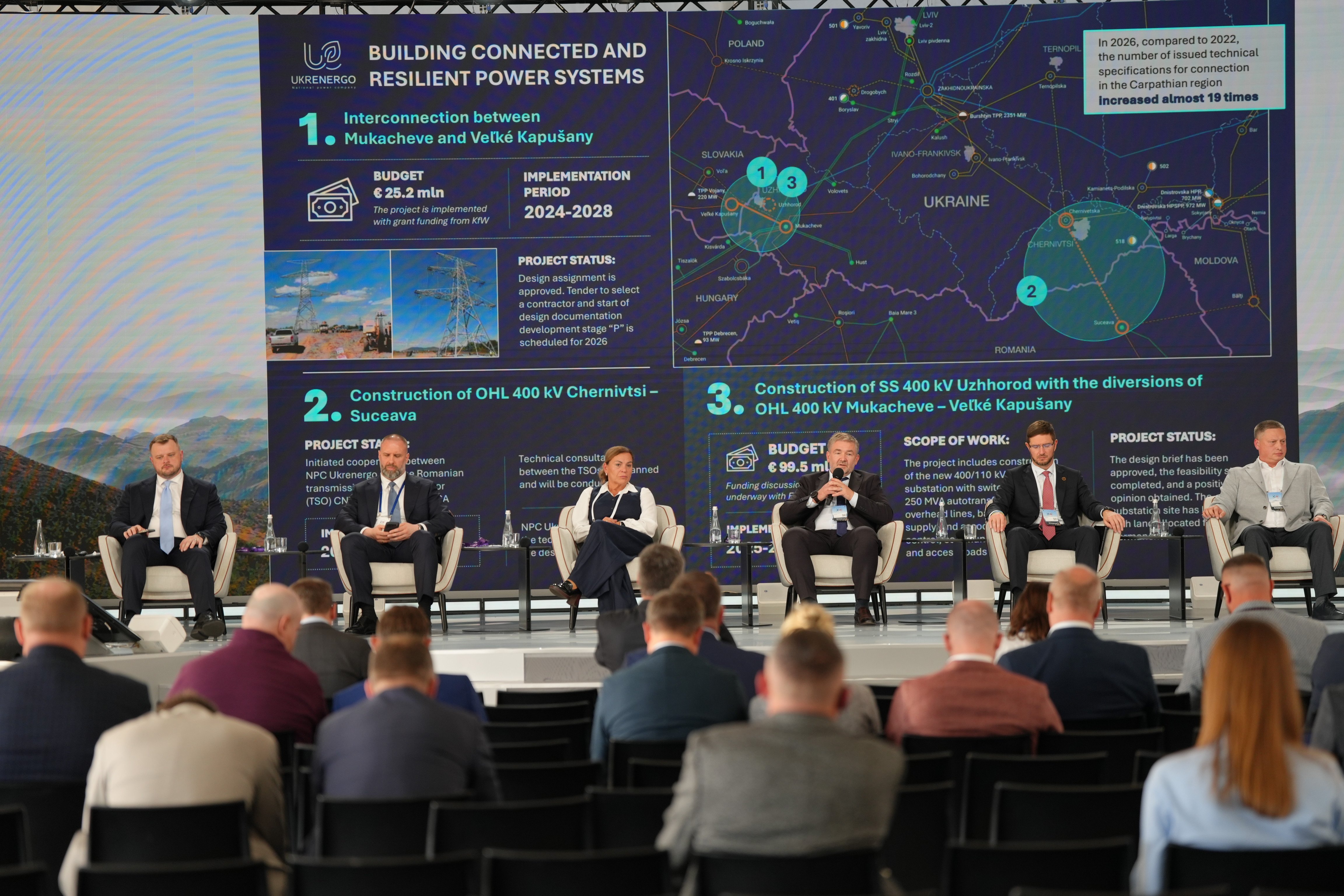
Key energy deliverables presented at the summit include:
Solar and wind generation: Targeted investments in large-scale wind power deployment and solar generation facilities across the mountain corridors.
Grid stabilization and battery storage: Integration of commercial energy storage systems and electrical interconnectors to harmonize regional energy distribution.
Strategic gas reserves: Leveraging western Ukraine’s subterranean gas storage capacity to maintain strategic energy reserves for Central European neighbors ahead of winter.
Building an anchor for regional stability
By initiating the C8 format, Ukraine has demonstrated a remarkable capacity to drive long-term multilateral diplomacy even under the pressures of full-scale wartime conditions. Beyond its immediate economic deliverables, the summit establishes a lasting framework that binds the Carpathian basin into a shared strategic architecture.
By directly linking cross-border transport corridors, joint renewable energy projects, and collective resilience against hybrid threats, the Carpathian Initiative aims to transform a historically fragmented frontier into a vital economic engine.
Ultimately, this initiative provides a pragmatic roadmap for Ukraine’s deeper integration into European structures—demonstrating that even in times of war, the foundation for Central Europe’s future security, trade, and regional alignment is being actively forged.
Discuss this article:

-111f0e5095e02c02446ffed57bfb0ab1.jpeg "Photo of Roman Kohanets")
-c439b7bd9030ecf9d5a4287dc361ba31.jpg "Photo of Katherina Popilnichenko")
-72b63a4e0c8c475ad81fe3eed3f63729.jpeg "Photo of Cyril Barabaltchouk")