- Category
- Interview
New Zealand Trained Ukrainian Troops. Now, Its Former Defense Minister Says Ukraine Should Return the Favor
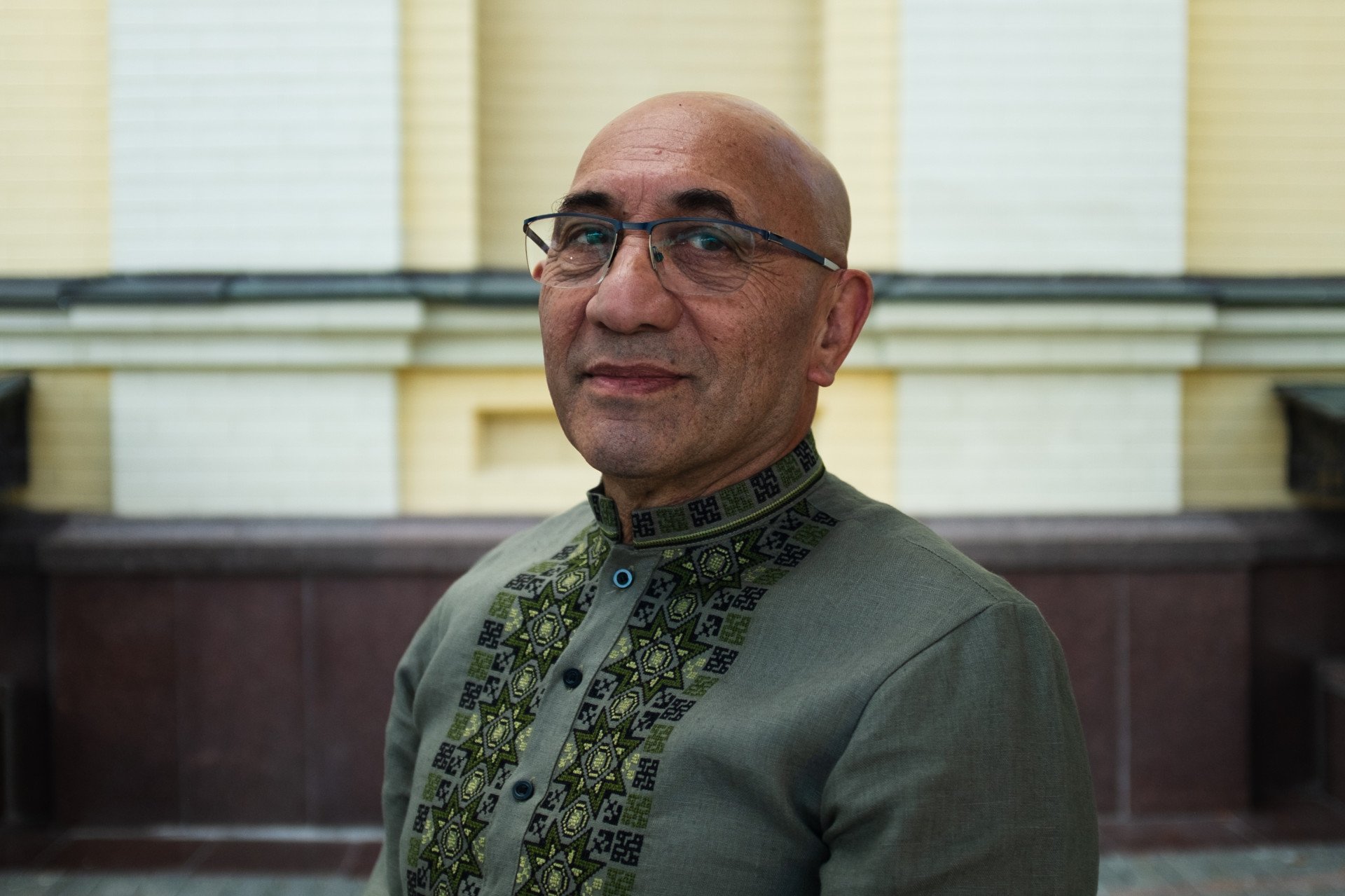
When Russia launched its full-scale war, New Zealand sent its soldiers halfway around the world to help train Ukrainians. Today, former Defense Minister Ron Mark says it is time to flip the script and bring Ukrainian "training advisors and assistants to upskill our forces in the art of drone warfare."
 Prefer U24 Media on Google
- Authors


In an exclusive interview in Kyiv, Ron Mark told us that New Zealand has an “immense amount to learn” from Ukraine’s battlefield experience. Closer military, security, and technological cooperation is now firmly in New Zealand's own interests.
Mark brings an unusual perspective to this argument. He built a distinguished military career before rising to become one of New Zealand’s top politicians. Today, he regularly returns to Kyiv and frontline regions to deliver aid, support volunteers, and advocate for Ukraine on the global stage.
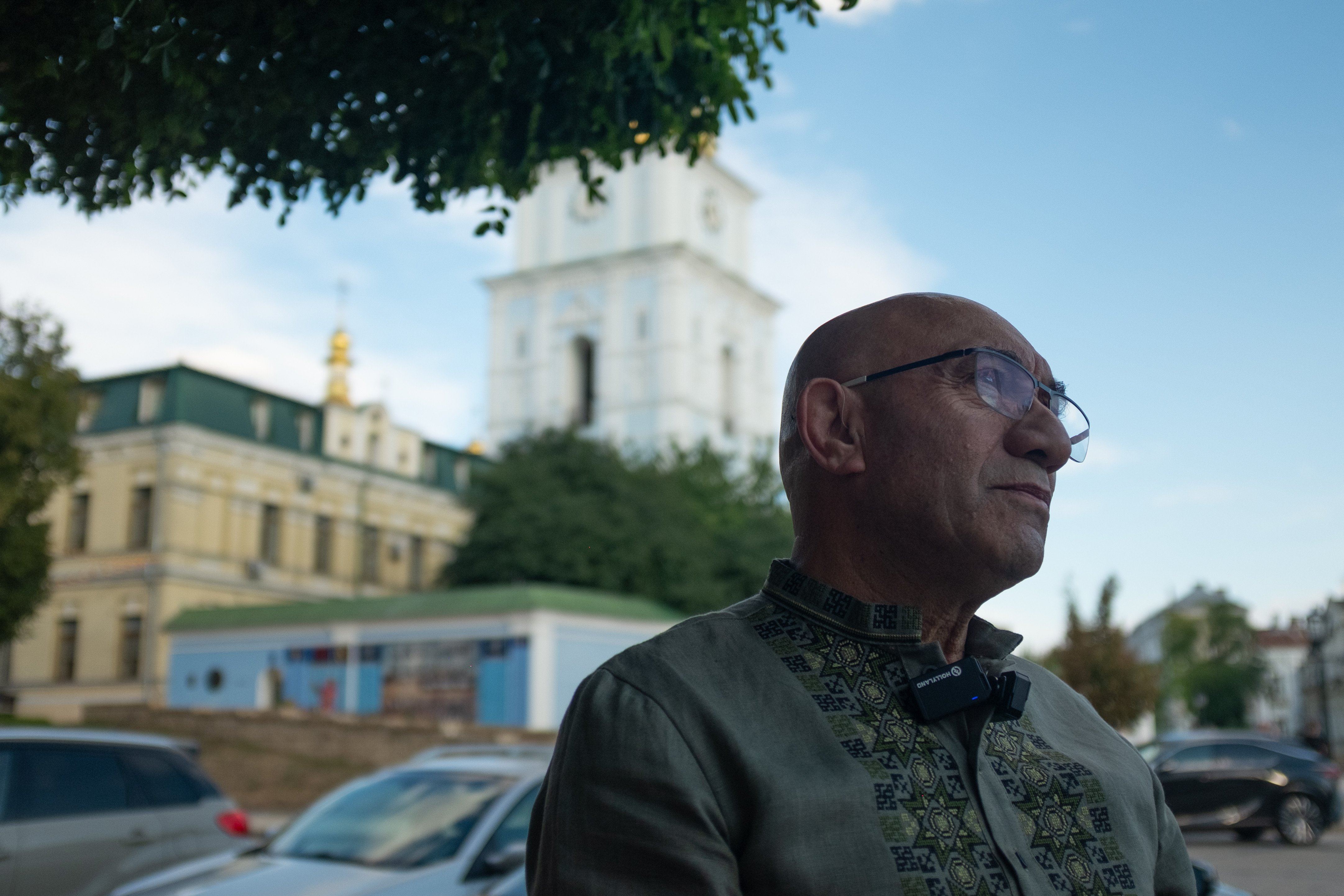
Framed by the sky-blue bell tower of St. Michael’s Monastery, Mark stands in the heart of Kyiv, where golden domes contrast sharply with the captured charred hulls of Russian armor resting in the square behind him. For the 72-year-old former soldier, parliamentarian, and Defense Minister, a destroyed T-72 Soviet battle tank is a solid reminder of what is at stake.
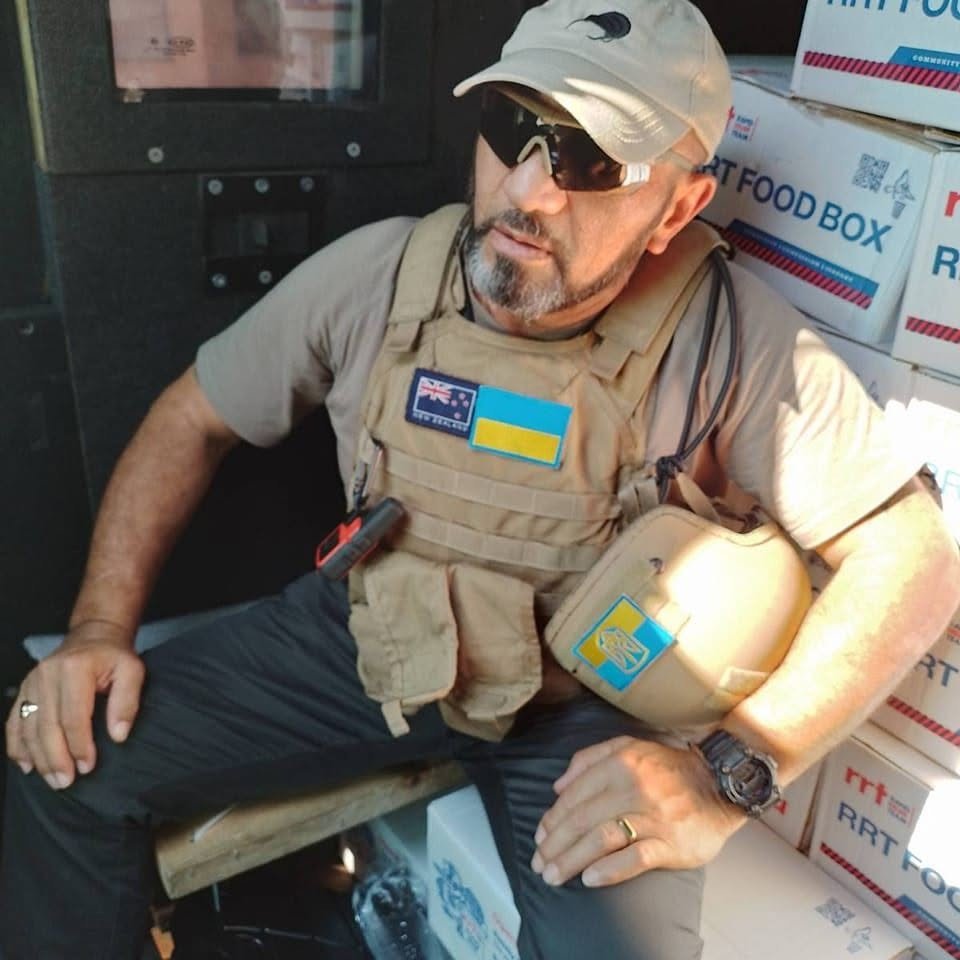
There is no official entourage surrounding him, nor a formal diplomatic agenda. Instead, Mark travels as a private citizen at his own expense, stepping outside official travel warnings issued back in Wellington. Returning to Kyiv marks his sixth journey to Ukraine since Russia’s full-scale invasion—where the focus of his mission has changed, but his conviction hasn't.
In 2022, I crossed the border from Romania wearing boots and jeans, ready to unload trucks by hand and deliver food parcels directly to contested areas. My role has evolved from physical logistics to advocacy. Ukraine needs friends who speak out, counter Russian propaganda, and keep the public informed.
Ron Mark
Former New Zealand Defense Minister
A career shaped by military service and public duty
Mark’s perspective on modern warfare is rooted in a 20-year military career that began when he enlisted at age 16. He went on to pass selection for the elite NZSAS , complete a peacekeeping deployment in the Sinai, and serve as a unit commander within the Sultan of Oman’s Special Force.
In 1996, he entered public service with the New Zealand First party, going on to serve six terms in Parliament. Under Prime Minister Jacinda Ardern’s coalition government, Mark served as Minister of Defense and Minister for Veterans' Affairs, overseeing the largest NZDF modernization in decades—securing multi-billion-dollar procurements including Boeing P-8A Poseidon patrol aircraft and C-130J Super Hercules transports.
After leaving cabinet, he returned to local government as Mayor of Carterton—a rural township in his home region of Wairarapa on New Zealand’s North Island, where he lives on a small farm. It was from there that an urgent request for help from the other side of the world shifted his focus back to international affairs in early March 2022.
Flying into Ukraine to deliver food and medicine by hand
His personal mission in Ukraine started with a single phone call from Pastor Owen Pomana, a Kiwi chaplain and veteran humanitarian worker already on the ground organizing civilian evacuations during the opening weeks of Russia’s full-scale invasion. Pomana needed critical support securing buses for civilians trapped in Mariupol, prompting Mark to start reaching out to diplomats, parliamentarians, and business leaders across New Zealand, Ukraine, Southeast Asia and Europe to organize assistance.
When bureaucratic channels stalled, he flew over himself to push food, medicine, and emergency supplies directly into frontline areas—including Kharkiv, Chernihiv, and Dnipro. Working alongside local Ukrainian volunteers and small international partners like the UK-based Great Commission Society , he plugged directly into the grassroots networks carrying the main burden of relief while major international aid agencies were still absent from the front lines.
How drone warfare in Ukraine is reshaping modern military doctrine
Moving through frontline regions gave Mark a direct view of a rapidly evolving battlefield.
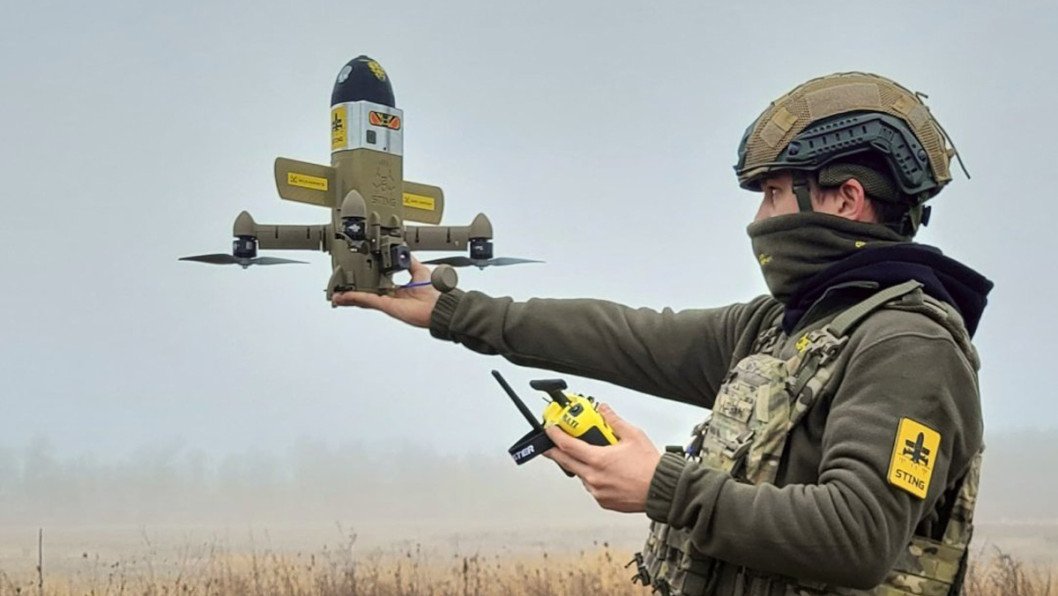
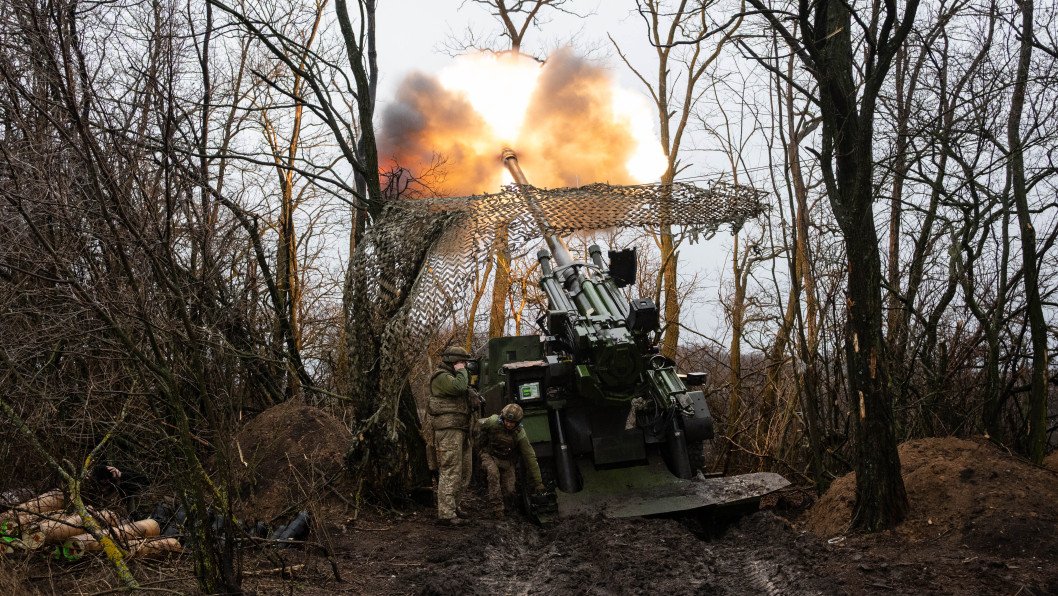
“In 2022, just as the Russians had been booted from the outskirts of Kyiv, I saw firsthand the trench warfare,” Mark says. “I heard people talking about trench foot—never heard of since World War I. But it's evolved beyond that with the introduction of drone warfare.”
That rapid evolution extends to the maritime domain, where Ukraine disrupted naval warfare without a major fleet of its own. Mark points to those victories to question heavy Western defense spending. “We're talking about replacing our frigates, but why do that when Ukraine has proven the Black Sea Fleet can be neutralized without a conventional navy?” Mark asks.
Beyond military hardware, Mark emphasizes that the financial cost of sustaining a nation under fire dwarfs current international support packages.
“The cost of this war is $450 million a day. So when you look at the PURL agreement, it's not a lot of money,” Mark says. “Look at the resupply challenges Ukraine meets every day while defending cities, rebuilding infrastructure, rehoming displaced people, and tending to wounded civilians and children. As a former mayor, I know what it takes to keep infrastructure humming in municipal areas. Ukraine is doing all of that while fighting a high-tech war against Russia.”
Because Western armed forces have never fought across a fully drone-saturated battlefield, Mark believes defense partnerships must now become a two-way street.
“New Zealand and other like-minded nations have provided a vital service by handling basic infantry training,” Mark notes. “But we are falling behind in modern warfare experience. We should be asking for something in return from Ukraine: training advisors and assistants to upskill our forces in the art of drone warfare and cost-effective combat capability.”
The stolen children of Ukraine
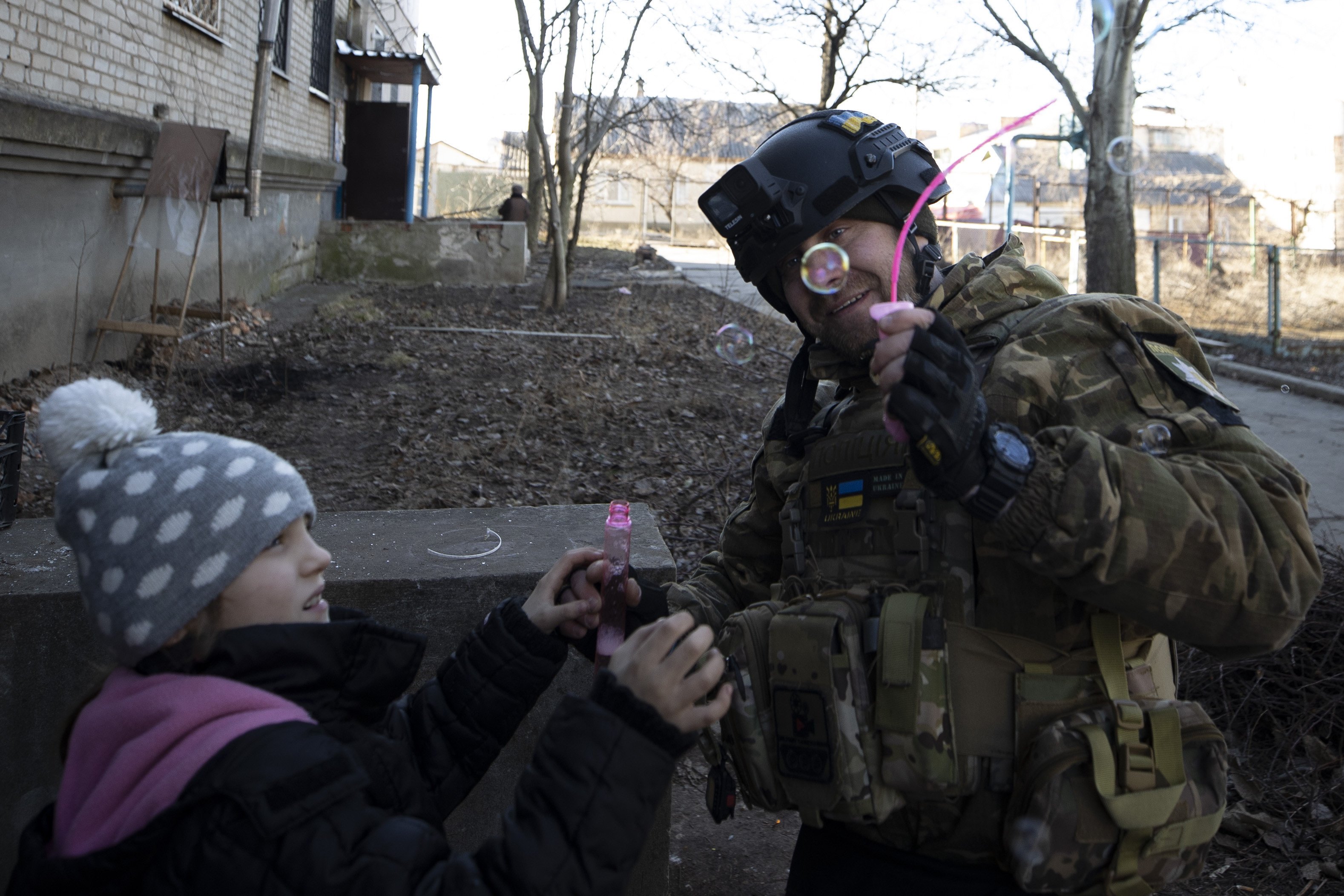
Yet for Mark, evaluating Russia’s full-scale invasion purely in tactical and financial terms covers only half the reality. Past the operational costs lies a moral emergency that standard aid packages fail to address: Russia’s systematic abduction of Ukrainian youth.
The issue strikes a deeply personal chord. Taken into state care at three years old, Mark spent his childhood moving between six different foster families before joining the army as a teenager. That upbringing shaped decades of advocacy for vulnerable youth—a path that continues today through his role as an independent ministerial advisor on youth justice—and informs his reaction to the international community's delayed response.
If you kidnapped one child in my country, there would be outrage. Putin and Russia have kidnapped children on a scale comparable only to Hitler and the Soviets in Poland.
Ron Mark
Former New Zealand Defense Minister
“It took a long time for nations to accept that Russia has forcibly kidnapped 20-odd thousand children,” Mark says, criticizing the delayed global response. “I would say it's a little late, it's not enough, and the world should be doing far more if it truly believes in the rules-based order.”
As international coalitions assemble under the Bring Kids Back UA initiative—a movement New Zealand officially joined—Mark insists that political theater at international forums will achieve nothing without hard enforcement behind closed doors.
Mark remains skeptical that international diplomacy alone will secure the release of abducted Ukrainian youth, arguing that speeches at the UN will never force Moscow’s hand. For him, the real test is whether Western allies will back up their words with real action.
“Diplomatic means are always going to be slow and fraught,” Mark says. “The question for leaders of this coalition is: how serious are we, and what do we really intend to do behind closed doors to ensure these children are brought home?”
Ancestral soil: why land is non-negotiable
That insistence on international accountability stems directly from Mark’s work at home. A descendant of nine Māori iwi who spent years as a lead Treaty settlement negotiator before his appointment to the Waitangi Tribunal , Mark views Ukraine’s struggle for survival through the lens of indigenous land rights, self-determination, and territorial integrity.
“On my Māori side, we refer to our land as Taonga Tuku Iho—our ancestral treasure—and our Tūrangawaewae, the place where we stand. It is everything to us,” Mark explains. “The parallels in Ukraine are striking: a nation attempting to colonize you, erase your history, deny your science, and suppress your language. When I arrived in 2022, Ukrainian motorway signs had been painted over in Russian. In New Zealand’s past, Māori children were caned in schools for speaking their native language.”
Māori might disagree on political issues, but all agree: your land is your land. There is no debate over trading it away.
Ron Mark
New Zealand Official
Resolving historical land grievances in Aotearoa comes down to the same core principle Mark sees protecting sovereign nations—a people’s right to govern their own land without external subjugation.
“When I hear President Zelenskyy or Ukrainian veterans saying ‘not one inch,’ I fully understand that. That is international law,” Mark says. “Expecting Ukraine to surrender Donbas, Crimea, or Mariupol is absurd. That is their ancestral soil; their ancestors are buried there.”
The pastoral care and midnight phone calls
That refusal to stand by while a nation is dismantled is shared by dozens of other New Zealanders who have quietly traveled to Ukraine. Mark isn’t the only Kiwi in the country acting against official government travel advisories. When he visits, his focus includes maintaining an informal line of support for those on the ground.
“I've also taken on a role providing pastoral care and mentorship for Kiwis serving here—humanitarians, medics, and frontline soldiers,” Mark says. “It humbles me when young Kiwis call at 3:00 AM just to talk through their situations, deal with post-traumatic stress, or figure out logistics when they are wounded or struggling for basic supplies.”
This duty to care extends back home to New Zealand families coping with loss. Mark recalls speaking with the mother of a young volunteer who made his decision to go to Ukraine after watching news coverage of missile strikes on civilian homes. In the middle of the night, he knocked on her door in tears. “It’s just the kids, Mum. I can’t sit here and do nothing while children are dying,” he told her.
It was with deep sadness that I received the news that Shan Le Kearns is believed to have lost his life fighting for Ukraine’s freedom. My sincere condolences go to Shan’s family, and to his friends. My country remains forever thankful for Shan, for other New Zealanders, for… pic.twitter.com/YZVObyCNw5
— Vasyl Myroshnychenko (@AmbVasyl) May 30, 2025
“He had no prior military service; he simply paid his own way, came here, and gave his life,” Mark says. “We have four Kiwis confirmed killed in action and five missing. They aren’t driven by money; they are driven by integrity, courage, and a refusal to stand by while atrocities occur.”
For these New Zealanders operating without official state backing—whether helping evacuate wounded soldiers under fire or supplying frontline teams—their presence leaves a lasting impact. Mark’s own ongoing efforts to support them and aid Ukrainian communities have also been recognized: in 2025, Ukraine awarded him the Amber Heart for his advocacy and humanitarian work.
A long way from home
As New Zealand approaches its general election, Mark returns to the political arena as the New Zealand First candidate for Wairarapa electorate. Standing on the streets of Kyiv, he has an unambiguous view of an acceptable resolution.
“Ultimate victory means the complete restoration of Ukraine’s 1991 borders, international recognition of its sovereignty and culture, and its rightful entry into the European Union and NATO,” Mark says. “It means Russia going home and realizing that imperial aggression is a dead end.”
That outcome carries direct security implications back home.
“What I've learned this time is that Ukraine has something invaluable to offer the West,” Mark concludes. “As a small nation in the Indo-Pacific facing great power competition, New Zealand cannot stand alone or rely on traditional defense doctrine. We must enhance our defense, security, and technological relationship with Ukraine because we have an immense amount to learn from their experience.”
Discuss this article:

-f3430f0449615e9897dff835086ac204.jpg "Ukraine Broke With a Soviet-Era Military System and Rebuilt It Around the Soldier")
-e126c16a85d580738cf2d57e760b80a3.jpeg "Photo of Vladyslav Greziev")

-930ed56b9d4c7f0232c62eddea7edc08.jpg "Ukraine’s Mindset Has Changed Faster Than Most of Europe—What 35 Years of Data Show")
-d6c21a19c8fd931d512b5818298453c4.jpeg "Maryna Starodubska")
-29a1a43aba23f9bb779a1ac8b98d2121.jpeg "Photo of Illia Kabachynskyi")