- Category
- Opinion
Ukraine Broke With a Soviet-Era Military System and Rebuilt It Around the Soldier
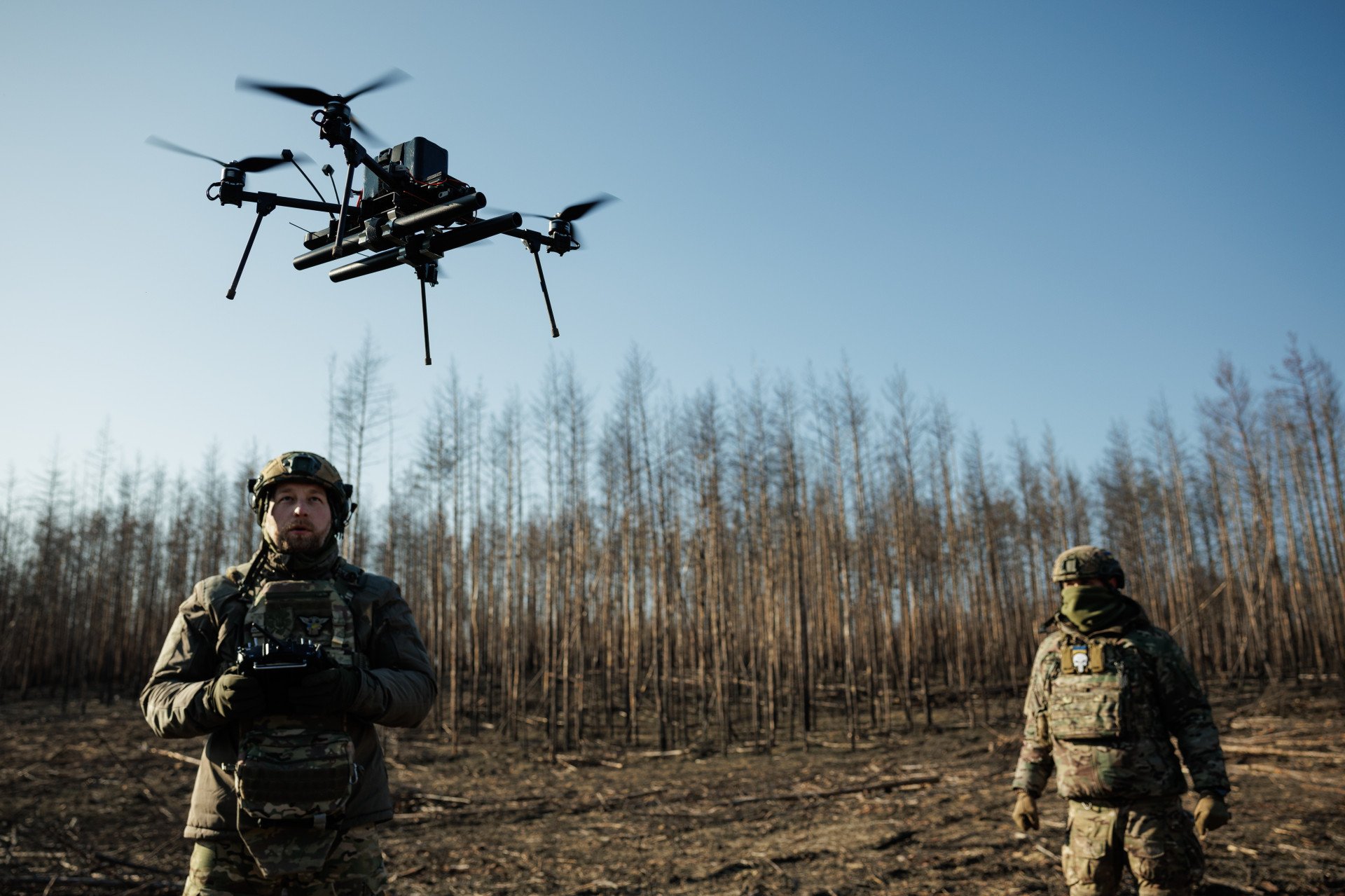
For the first time, a private company is recruiting volunteers for Ukraine’s national military—matching people with specific jobs based on their skills, experience, and choice. What began as an experiment during the first months of Russia’s full-scale invasion has helped Ukraine break with a Soviet-era staffing system.
 Prefer U24 Media on Google
- Authors

-e126c16a85d580738cf2d57e760b80a3.jpeg "Photo of Vladyslav Greziev")
Modern warfare is highly technological, encompassing everything from drones and cyber operations to professional expertise in logistics, communications, and process management. This creates a need to find not simply a sufficient number of service members, but people whose skills are well matched to the tasks of a specific unit: drivers experienced with particular types of equipment, UAV operators, medics, communications specialists, procurement professionals, and managers.
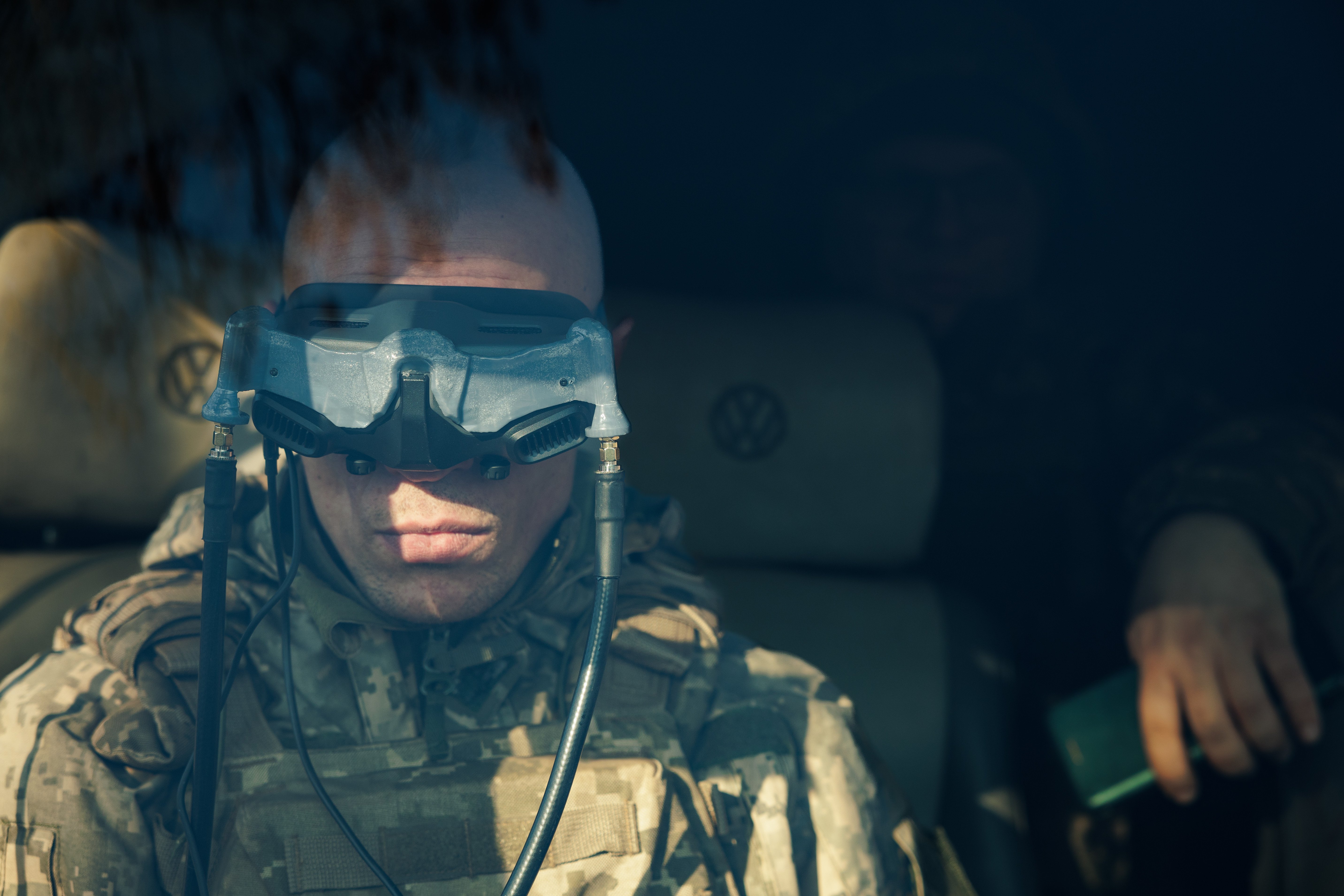
In the civilian labor market, this logic is self-evident: an employer posts a vacancy, a candidate sees the requirements, assesses their skills and experience, and applies. But for decades, Ukraine’s military recruitment and staffing system operated differently. The system’s needs were largely impersonal, based on formal military occupational specialties that, in most cases, did not reflect a person’s actual background. As a result, the most important things were lost: the real value of each individual, their own vision for their future service, and, consequently, their motivation.
Why Ukraine’s military recruitment system needed to change
I personally saw this problem firsthand during the first days of Russia’s full-scale invasion. I joined a local Territorial Defense battalion, and on February 25, 2022, I was already on my first combat mission with my first commander.
He had been appointed platoon commander simply because he held the highest military rank among the platoon’s volunteers. He had little understanding of military affairs or the fundamentals of managing people. Moreover, from the very first missions, he made an extremely negative impression on me, particularly because of the decisions that created additional risks for the unit. But another observation became far more important to me.
A friend who joined the Territorial Defense with me ended up in another platoon and later transferred to the headquarters of a separate battalion. By June, in roughly three months, he had built fundraising, logistics, and procurement processes there, significantly strengthening the unit’s capabilities. Before the war, he had worked on Ulyana Suprun’s team on primary health care reform, so he had experience with reform and process building. Those skills proved no less important in the military.
That was when I clearly realized something simple: the military, like any other organization, critically depends on the quality of its human capital. Its capabilities are determined not only by the number of people it has but also by how rationally their skills are used, taking into account their strengths and weaknesses, preferences, and motivation.
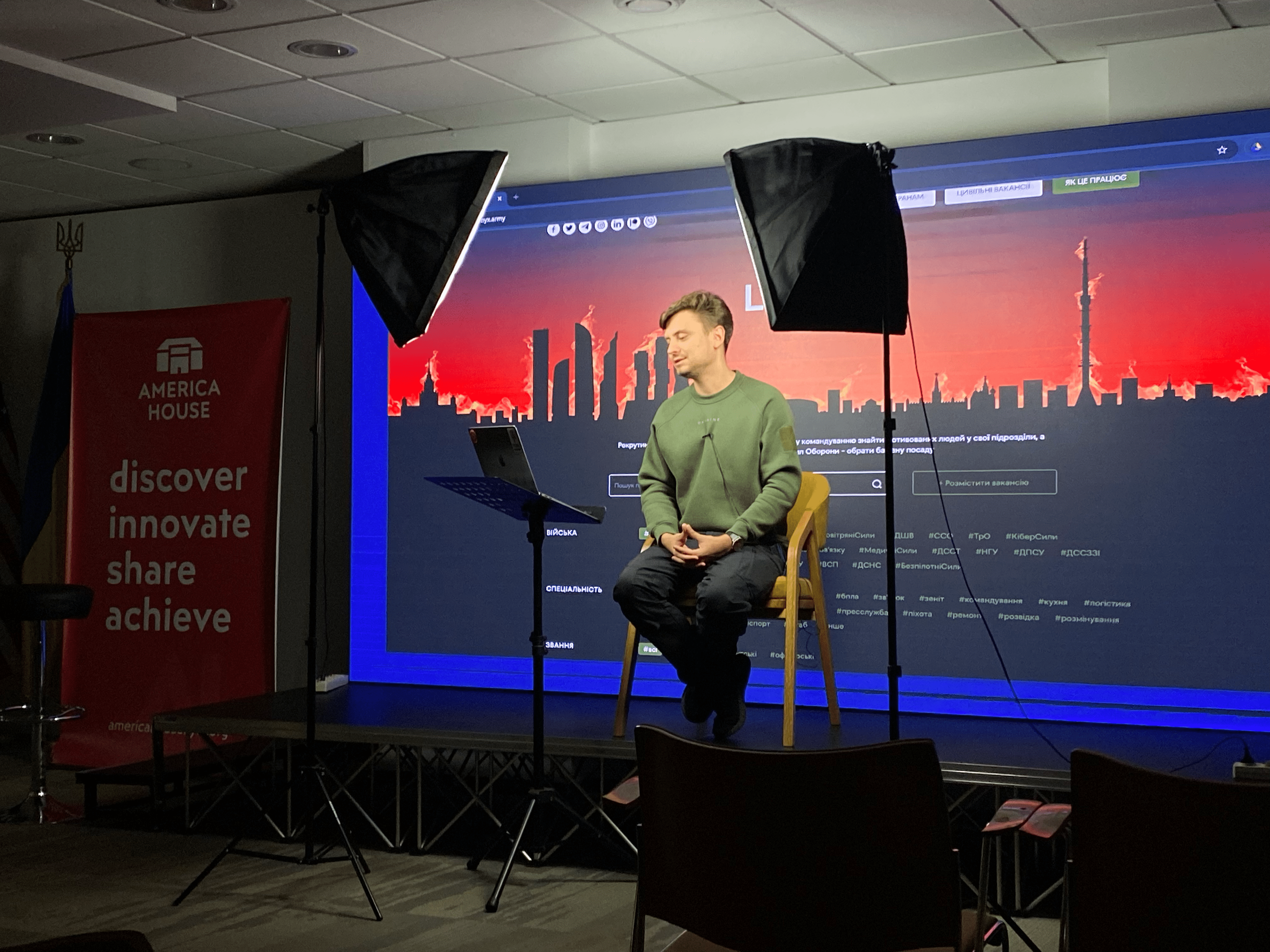
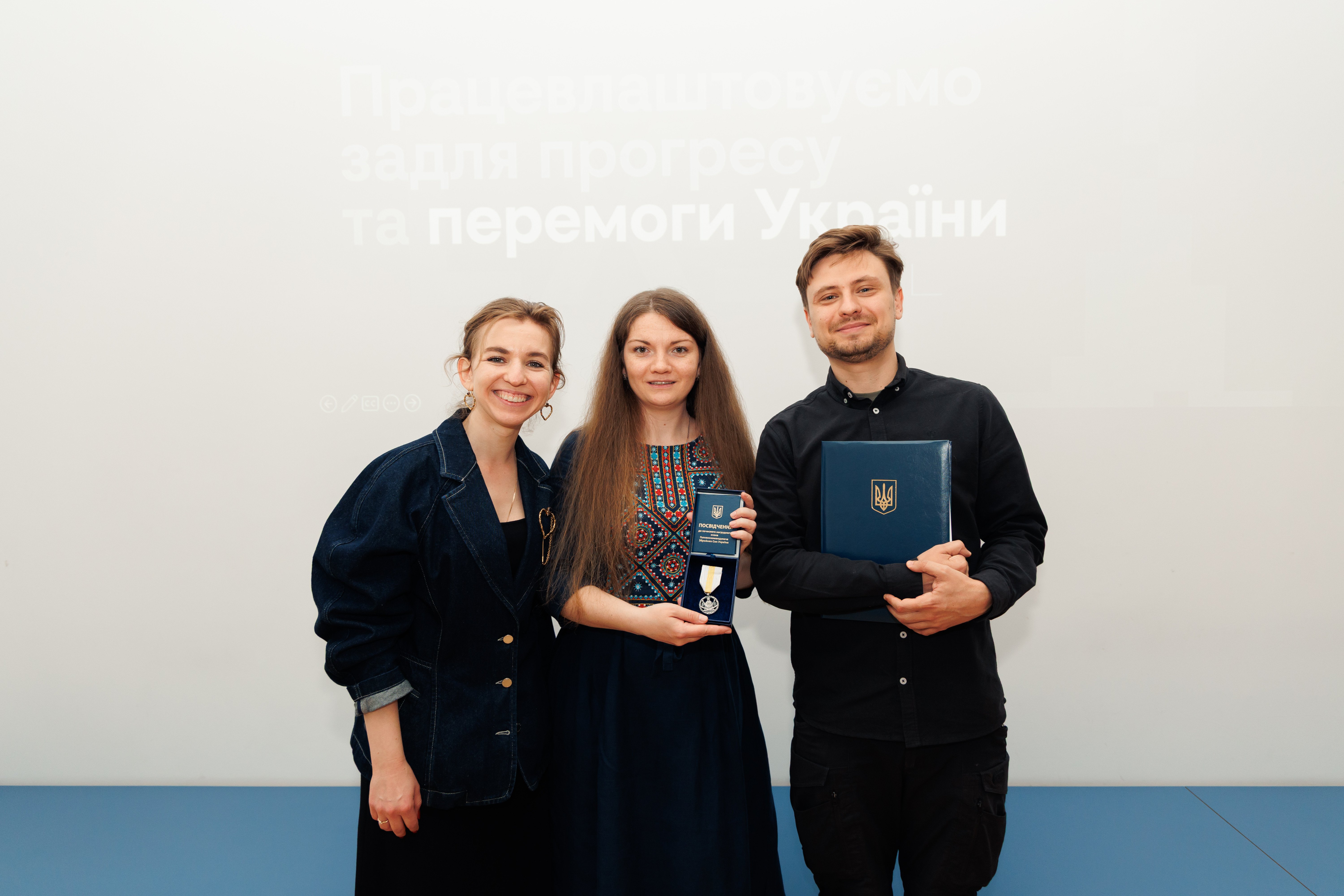
That realization became the foundation of Lobby X’s military recruitment work. Our platform has already brought more than 34,000 volunteers into the military across more than 1,850 units of Ukraine’s Defense Forces. Today, around 40% of the monthly number of volunteers are recruited through Lobby X.
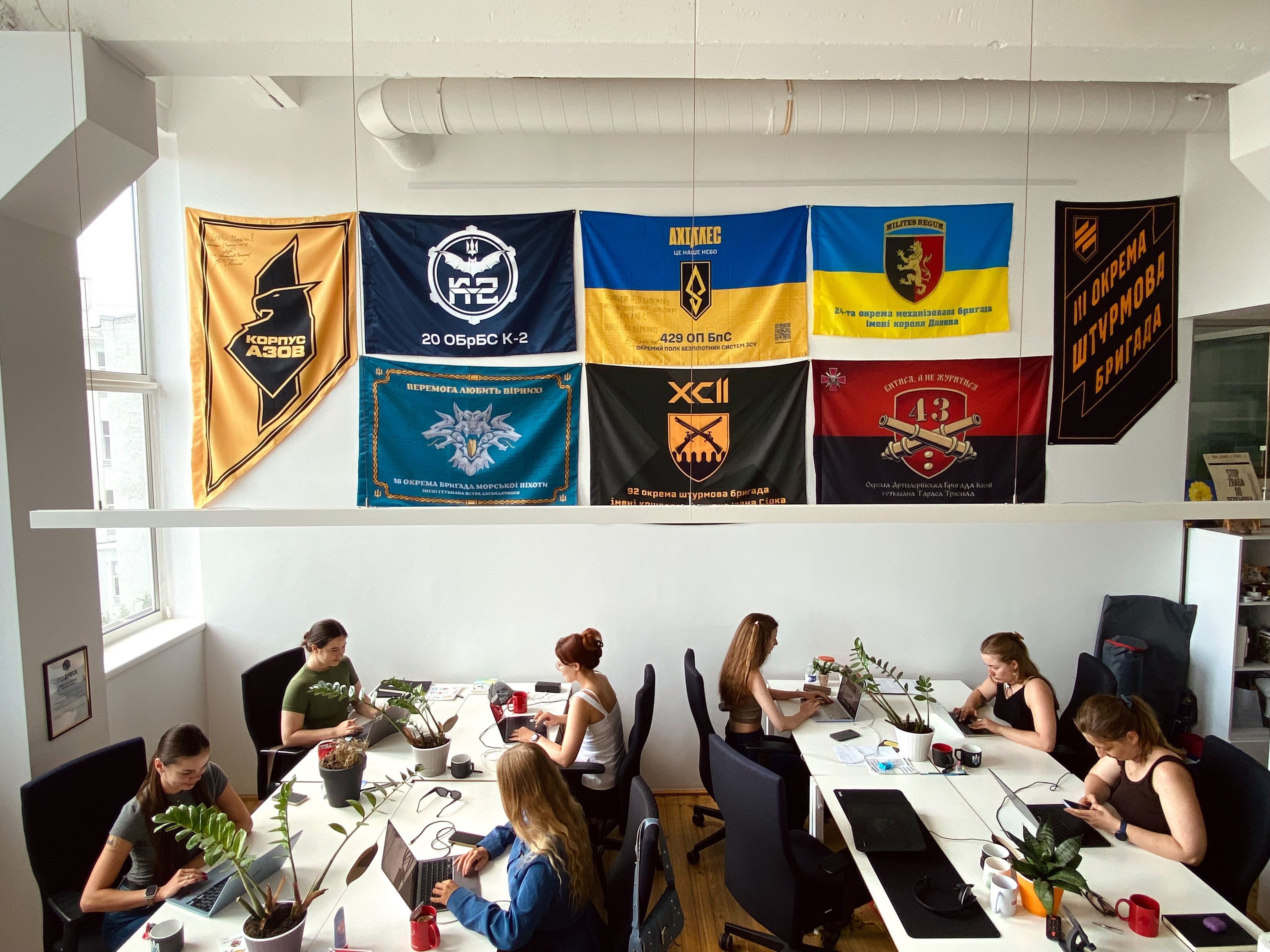
Before building a new model, however, we needed to understand just how deeply the Soviet philosophy of recruiting and deploying human capital was embedded in Ukraine’s military system.
How Ukraine’s old military recruitment system overlooked skills
The traditional model worked roughly as follows: a person who wanted to join the military would go to the military enlistment office, where they were registered. There, they might be offered two or three brigades that the enlistment office was staffing at the time. The next day, the needs could change: other brigades might become the priority, and with them, the list of specialties being sought would change as well.
Imagine someone coming in with a rare specialty—an aviation engineer, for example. The enlistment office could simply say, “We don’t need that right now.” Not because the military did not need aviation engineers, but because that particular recruitment authority had a different quota to meet.
That is a fundamental distinction.
The system was not looking for the best way to use a particular person. It was trying to meet the specific needs of a particular recruitment authority with whatever people happened to be available.
Vladyslav Greziev
Lobby X CEO and founder
Here is a simple example. A cyber operations unit needs a highly specialized professional with specific knowledge and red-team experience. Under the old system, that request would be passed down to military enlistment offices, which would search their records for people with, say, a military occupational specialty broadly covering “Computer Technology Specialties.” In practice, that could mean virtually any IT professional. The person would then be sent to the relevant unit, where they were expected to somehow become a cyberwarfare specialist.
In effect, people had to learn entirely new specialties, even though the military might well have had a suitable position elsewhere that matched the skills they already possessed. Can that really be called a rational use of human capital?
There was another option for someone who knew the military well and had the right contacts: they could independently find a military unit and sign a contract with it. But this was not a universal, straightforward, or accessible route for most people. A person’s options effectively depended on how well they knew how to navigate the system.
In 2022–2023, this problem became particularly visible. People regularly described situations in which they had specific experience and skills but were serving in positions that had almost nothing to do with that background. Sometimes there was a position in the same battalion or another brigade that would have suited them perfectly, but the system provided no simple way to find it and apply.
In effect, the model answered the question:
“Who can we take right now?”
Instead, it should have been asking:
“Whom do we need, and where can we find them?”
How military job openings changed recruitment in Ukraine
We decided to apply the same logic to military recruitment that had long been standard practice in the civilian labor market. The employer—in this case, a military unit — knows who it is looking for and describes the position, its requirements, and its responsibilities. Candidates see that information, assess their skills, and decide whether they want to apply for the job.
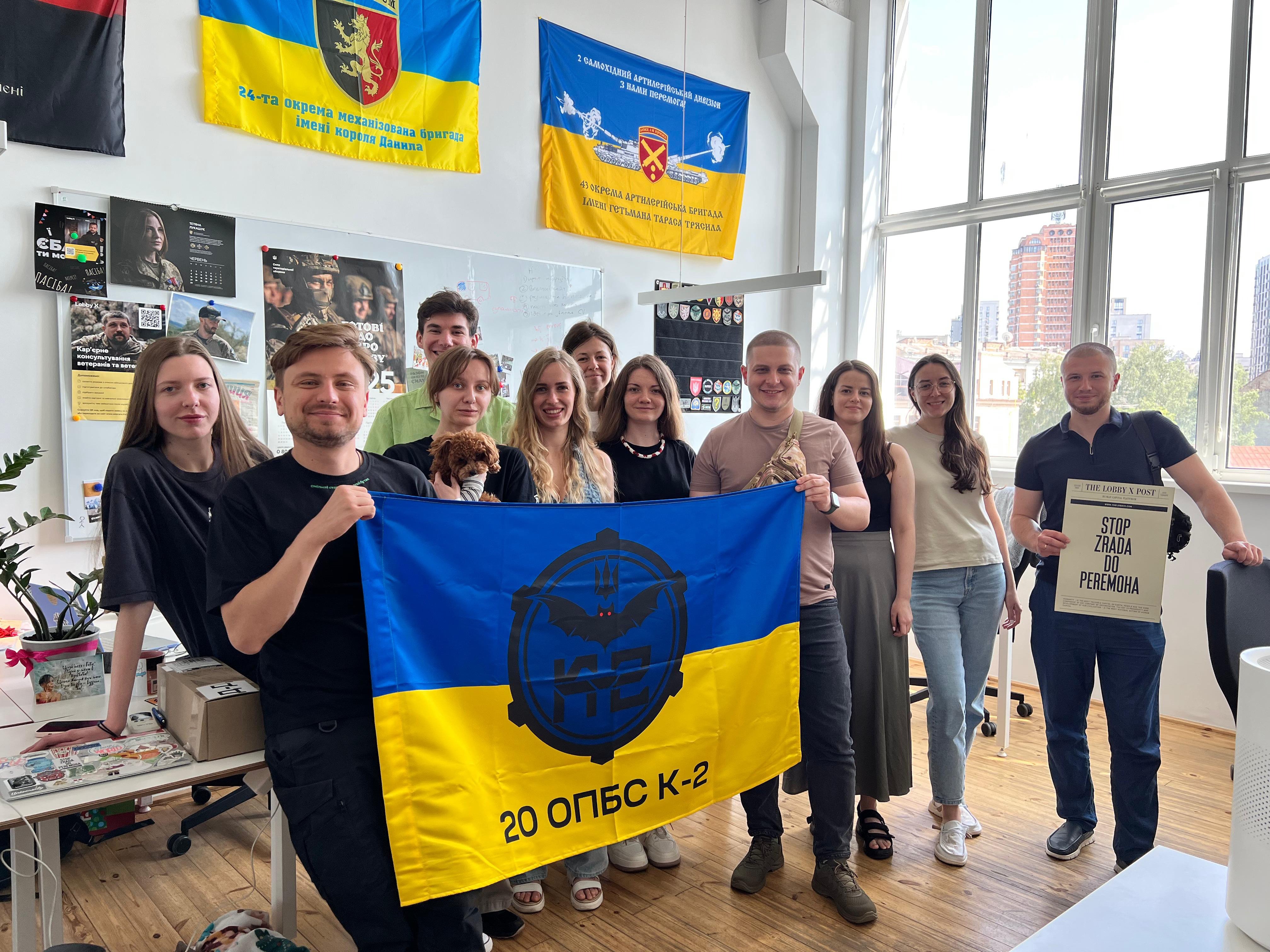
In July 2022, we began posting military vacancies on our civilian platform and social media, just as we had for NGOs and businesses. The 24th Mechanized Brigade and the 4th Rapid Response Brigade of the National Guard of Ukraine, Rubizh, were among the first units to work with us. We posted vacancies for communications specialists, infantry soldiers, and other specific positions.
Today, that sounds perfectly ordinary. At the time, the reaction was entirely different. People did not understand why military vacancies were appearing on a civilian platform at all, and we were accused of disclosing classified information and helping the enemy.
In reality, the standard organizational structure of an infantry or mechanized brigade is not, in itself, classified. What must remain confidential is information such as the number of people a specific unit needs or certain specialized functions. We therefore did not publish anything that could pose a security threat.
In effect, we opened up the military job market. Previously, information about staffing needs had been scattered across numerous military enlistment offices. Now it began to come together in a single digital space, where people could see a much broader range of opportunities, from highly specialized technical roles and UAV operators to infantry positions.
This changed more than just the way the military looked for people. It changed the very idea of how a person could join the armed forces.
How Lobby X became a military recruitment partner in Ukraine
For the first few months, this model operated outside the official system.
We posted military vacancies, found candidates, and communicated directly with the units looking for them. Then, through horizontal connections with Territorial Recruitment and Social Support Centers and training centers, we guided volunteers through all the necessary procedures so that they ultimately ended up in the unit and position they had chosen. By early 2023, hundreds of volunteers had already gone through this process.
The next step was to integrate the new recruitment model into the official defense system.
In early 2023, I met with then-Commander-in-Chief Valerii Zaluzhnyi and subsequently held a series of face-to-face discussions with the commands of various branches and services of the military. We explained the principle of recruiting for specific vacancies and sought institutional support for the model. At the time, however, the proposal to integrate Lobby X’s military department directly into the military system was not approved.
After a change in the leadership team at Ukraine’s Ministry of Defense, Natalia Kalmykova, with whom we had already worked, was appointed deputy defense minister responsible for personnel policy. This gave us an opportunity to move forward in a different format.
Instead of integrating Lobby X into a government structure, we proposed a model that could broadly be described as a partnership between private business and the state. The military identifies its needs; the state sets the rules and legitimizes the process; while a private organization builds the processes and finds people willing to join the military voluntarily.
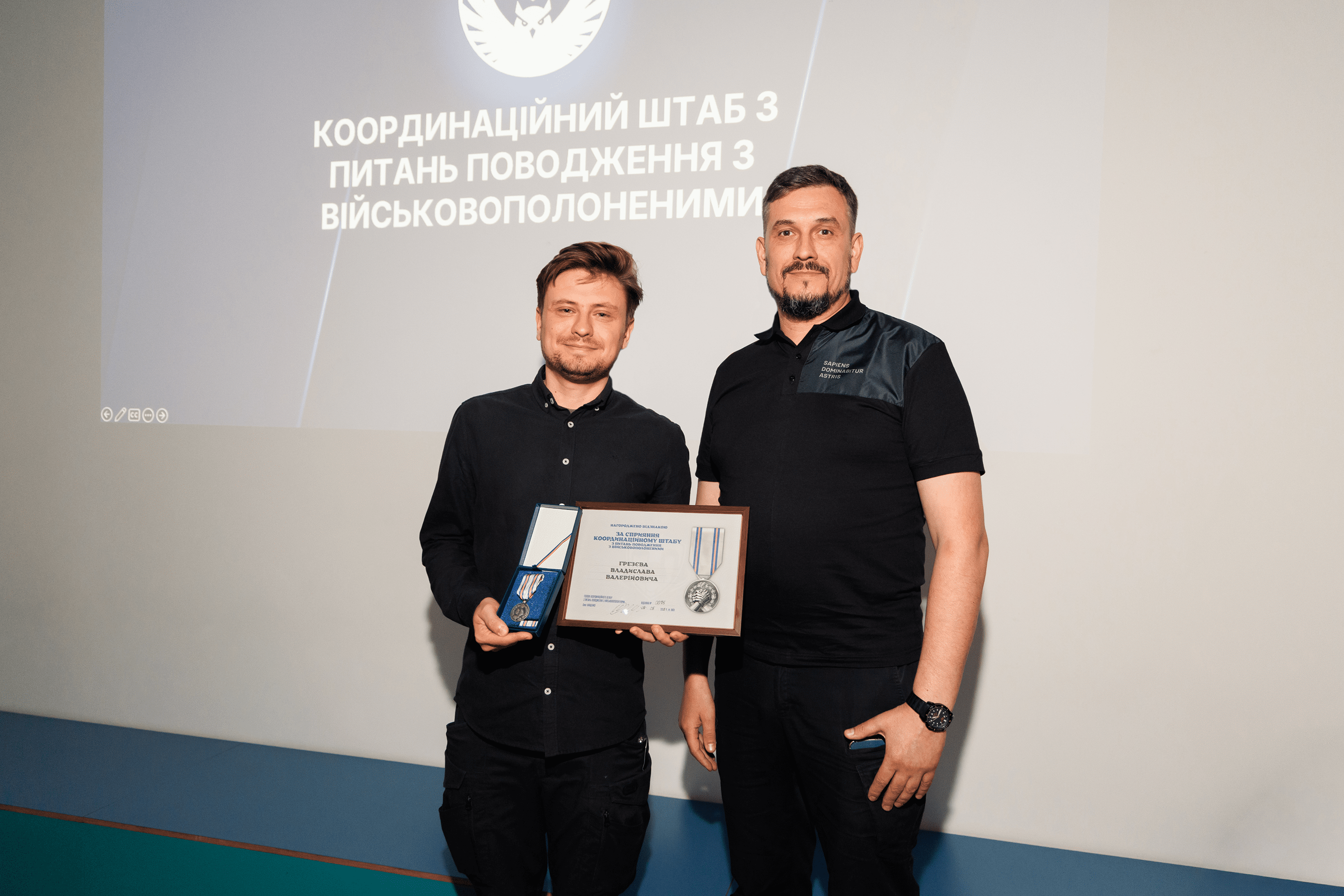
After we signed an official agreement with the Ministry of Defense, this approach began to scale. More and more military units joined the system, and the number of vacancies grew significantly.
But one problem remained that recruitment alone could not solve: a person could find the right position, pass the selection process, and still lose control over where they would be sent at the next stage. The next reform, therefore, focused on the path itself — from civilian life to a specific military unit.
How direct enlistment changed Ukraine’s military recruitment system
In 2024, working together with the General Staff, we revised the recruitment rules several times, gradually eliminating opportunities for people to be assigned to the wrong units or positions. Each change made the system more precise. But as long as Territorial Recruitment and Social Support Centers and training centers remained intermediary stages in the process, the risk of human error remained.
Eventually, we proposed a more radical solution. In October 2024, a new procedure took effect, changing the volunteer’s entire route and removing Territorial Recruitment and Social Support Centers as a mandatory intermediary.
Now, once a person has chosen a vacancy, completed an interview, and received confirmation from a military unit, they go directly to that unit. The volunteer is formally enlisted there and then sent to Basic Combined Arms Training, already as a service member of the military unit they had previously selected and formally assigned to its personnel roster. After training, the person returns to the same military unit.
There is no second round of assignment: the person serves in the position they chose.
I consider this the point at which the transition from the Soviet personnel model to a fundamentally different system was completed.
Previously, the state moved a person through a vertical hierarchy: a quota came down from above, and the system below had to fulfill it. Now the process moves differently: a military unit defines its need, a person sees that need, applies for a specific position, goes through selection, and joins the unit directly.
Vladyslav Greziev
Lobby X CEO and founder
After that, the recruitment market quite literally exploded in scale. Once brigades gained the ability to enlist people directly, they expanded their own recruitment efforts even more aggressively: they opened recruitment centers en masse and began independently recruiting people for specific positions. Marketing departments and an entire military creative sector emerged even more rapidly.
As a result, what we were criticized for doing in 2022 had become standard practice for every brigade by 2024.
This is not a cosmetic procedural change. It is a change in the very architecture of military staffing. A change in philosophy.
We did not invent a new technology. We applied to the military a logic that had long been standard in civilian life: match a need with the person best suited to meet it. For a country with limited human capital, this is especially important.
Why Ukraine’s military recruitment model is drawing interest from European allies
Over the years, officials from allied countries have approached us.
We traveled to France at the invitation of the French government and shared our experience with the French Ministry of the Armed Forces. Representatives of the Czech General Staff visited us, as did delegations from Norway. They wanted to understand in detail how the model works—how it enables the military to use each person according to their actual skills rather than blindly filling a quota handed down from above.
This is only natural. Every country facing a shortage of human capital for its defense sooner or later confronts the same question: does it build its military around a quota, or around the individual?
The Soviet model answered that question in an authoritarian, centralized way: through quotas that had to be fulfilled by any means necessary. Ukraine responded with an innovative approach.
We have demonstrated that a partnership between the private and public sectors can replace an outdated institutional model faster and more effectively than the state could do on its own, constrained as it is by procedures, political cycles, limited capacity, and the challenges of war.
This is a precedent worth studying for any country that understands one simple fact: when an army with limited human capital faces an adversary that does not count its losses, it does not prevail through sheer numbers, but through how intelligently it puts every individual to use.
Discuss this article:




-930ed56b9d4c7f0232c62eddea7edc08.jpg "Ukraine’s Mindset Has Changed Faster Than Most of Europe—What 35 Years of Data Show")
-d6c21a19c8fd931d512b5818298453c4.jpeg "Maryna Starodubska")

-4258f90da45ed571f27851d158610665.jpeg "Photo of Valeriya Ionan")