- Category
- Opinion
How Ukrainian Journalists Pulled Off a Media Conference Under Constant Russian Bombardment

Journalism has always been a profession that carries security risks, especially for reporters working in combat zones. But Russia’s war against Ukraine has erased the red lines: Journalists have become priority targets for Russia.
 Prefer U24 Media on Google
- Authors


Despite this brazenness and impunity, Ukrainian media continue to work under extraordinarily difficult conditions. Recently, they even gathered for the industry’s largest event, the Donbas Media Forum.
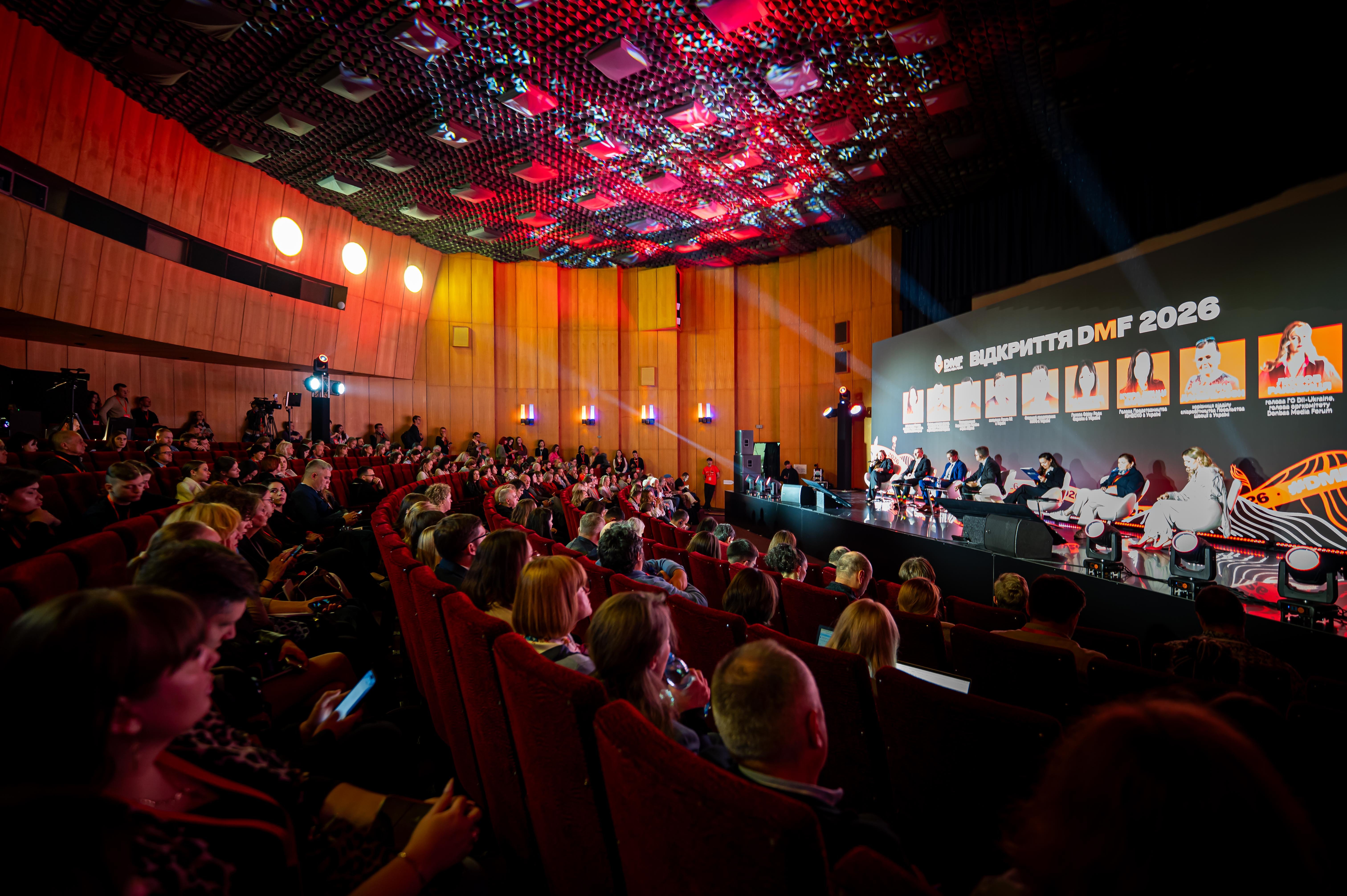
Part of it, however, had to take place underground.
In 2015, when we launched the Donbas Media Forum, journalists from the Donetsk and Luhansk regions and Crimea had already lost much of what sustained their work. Russian occupation forced people to leave their cities, while newsrooms lost their premises, teams, and contact with part of their audiences. They had to decide how to keep working, what to cover, and how to remain relevant to people whose lives had also changed fundamentally.
The forum offered an opportunity to come together and discuss that experience. It was founded by journalists from the Donetsk and Luhansk regions, led by our organization, DII-Ukraine. Over time, more and more colleagues from other regions joined those conversations. In 11 years, a regional initiative grew into one of Ukraine’s largest media conferences.
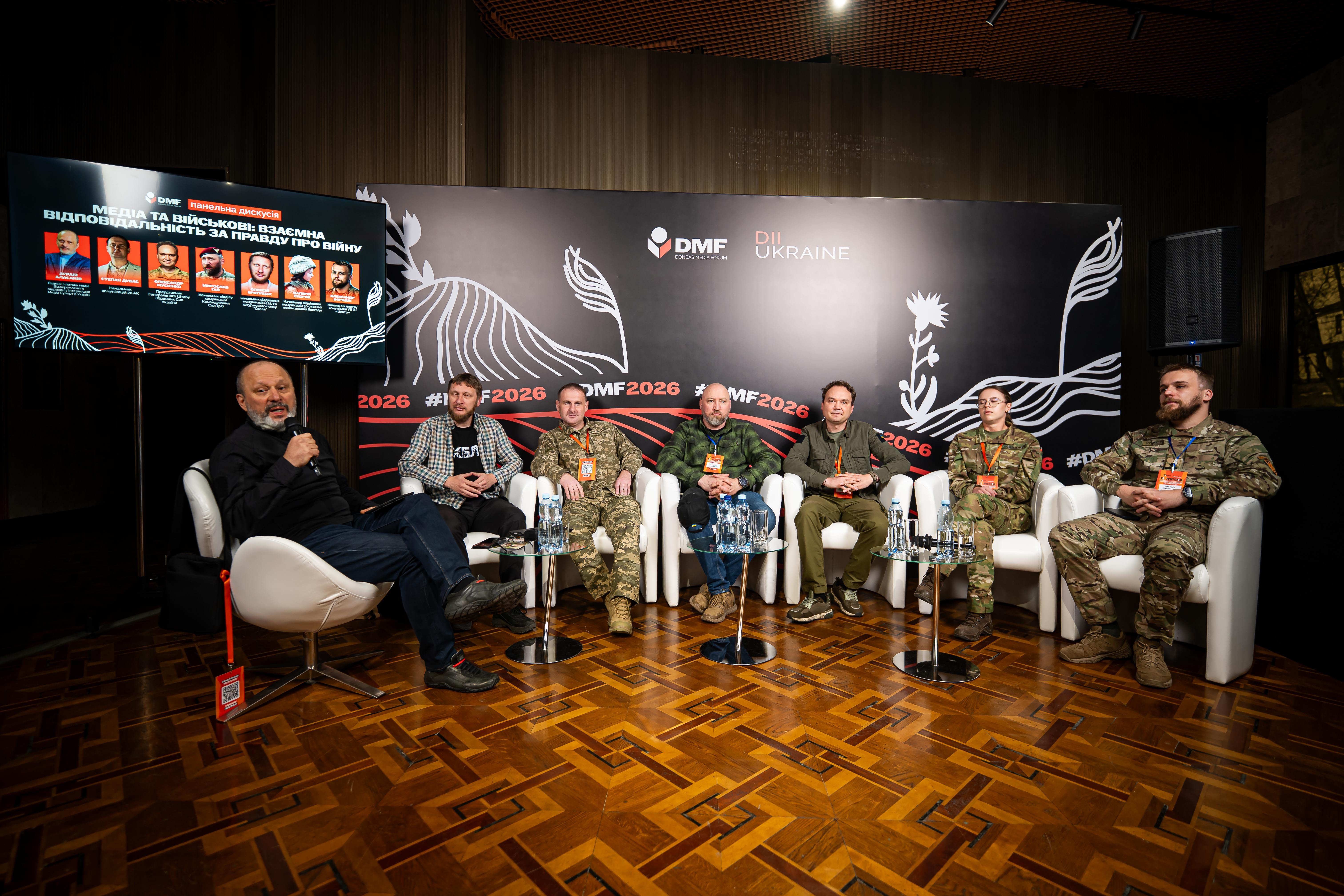
After the full-scale invasion, the circumstances that newsrooms in the Donbas had faced became familiar to journalists across the country. Evacuation, working under fire, losing people and resources, and having to rebuild newsrooms again and again became part of the daily work of Ukrainian media. This was especially true for regional outlets, which must stay close to their communities even when they themselves are forced to relocate.
In the daily rush of news, it is hard to find time to reflect on this work. To talk with colleagues about decisions you are unsure of. To understand how others handle similar problems. The forum remained a place for those conversations. But this year, the very possibility of bringing people together in Kyiv was in question.
A few weeks before the Donbas Media Forum 2026, I began receiving more and more messages from colleagues and partners. “Maybe you should postpone the forum after all? Everyone will understand. We realize there will be financial losses, but safety comes first.”
Russia has been killing journalists since the beginning of the war, both near the front lines and far beyond them. Its tactic of striking civilian targets a second time has claimed the lives of rescuers and media workers alike. And a new type of weapon—jet-powered drones—has become a daily threat to everyone living in the capital.
By then, we had already spent several months preparing the event. The program included more than 80 events, and hundreds of journalists, along with Ukrainian and international speakers, were preparing to attend. Meanwhile, Russia was intensifying its attacks on Kyiv.
Every new attack forced us to revisit whether the precautions we had taken were enough. We chose a building with a substantial structure and a shelter, reviewed the routes participants would use, and consulted specialists. But we could not guarantee safety.
At the same time, something else was happening that also influenced our decision. Even a week to a week and a half before the forum, amid heavy attacks, we were receiving 30, 50, sometimes 70 registrations a day. People saw the same news, knew the risks, and continued to sign up.

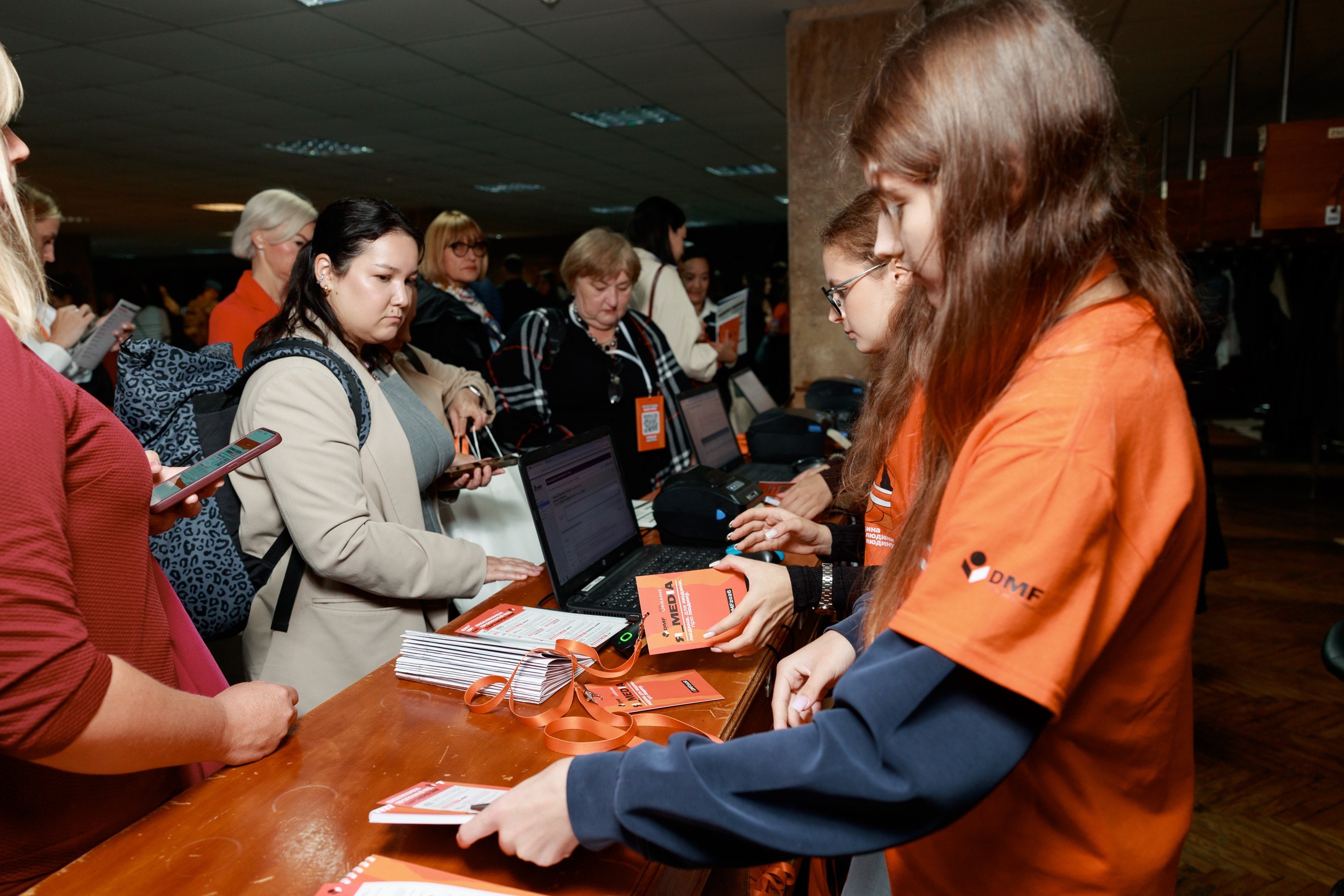
That did not relieve us of our responsibility as organizers. But it showed that the need to meet remained. To hold an ordinary event, familiar to many of our colleagues, that should have taken place in an open setting, we instead had to find a location underground.
We brought in specialists experienced in handling critical situations, including military personnel, to help with preparations. Together, we reviewed the room layout and the routes to shelters. Each room had two trained staff members and first-aid kits. Participants were told whom to contact during an air raid alert.
Another striking aspect was that, in Ukraine, we are increasingly forced to forgo livestreams. Registered participants received the venue details the evening before the event. We tried to limit public attention to a large gathering at a specific location in real time. For Russia, journalists are targets, and the blue body armor traditionally worn by the press means a greater chance of being killed before anyone else.
Getting there was a separate challenge. Some journalists coming from other cities are unfamiliar with Kyiv. Our venue was about two and a half kilometers from the nearest metro station. During an air raid alert, surface transportation could stop, while connectivity and navigation services were unreliable. Someone could arrive in the capital and find themselves in the middle of an unfamiliar city with no clear way to reach the forum. So, during those days of preparation, we had to arrange transfers from the hotels.
Over three days, 1,397 participants attended the forum. There were 82 events featuring more than 370 speakers. About 900 people came on the very first day.
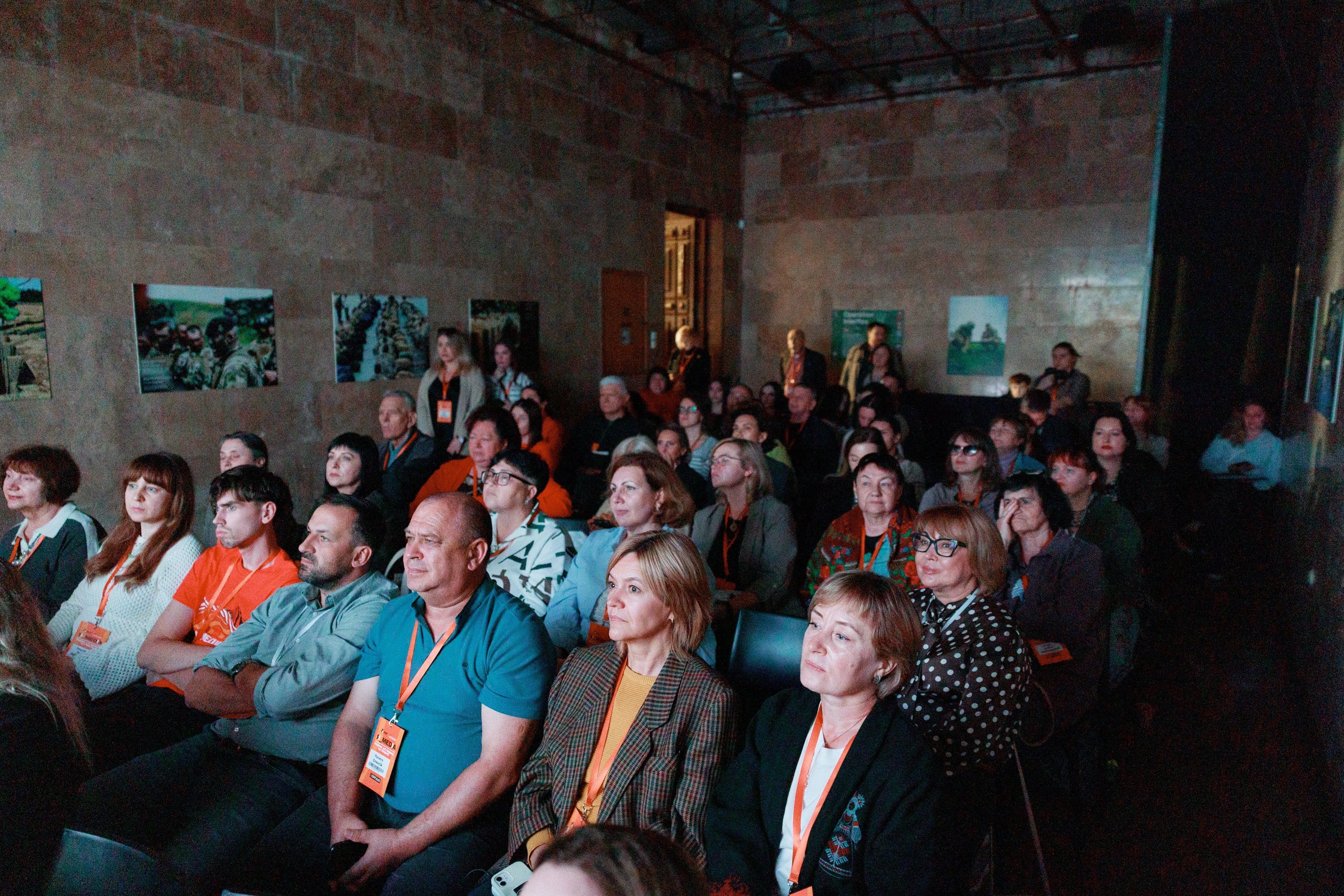
At the same time, some of those we had expected never made it. They included journalists from Kharkiv, Mykolaiv, Nikopol, Zaporizhzhia, Odesa, and other cities where the security situation is particularly difficult. It is precisely for colleagues from the east and south, from communities near the front lines, that we strive to preserve this space. But their participation also depends on whether they can leave their cities, whether their trains will get through, and whether they will be able to return.
For me, then, the number of participants matters alongside an understanding of who was unable to join the gathering. The need for professional exchange can be greatest in the very places from which it is hardest to reach such an event.
On the eve of the forum, I spoke with a colleague from Kharkiv. We discussed the attacks, the drones, and our doubts about holding the event. She reminded me that journalists remain in their cities and continue working despite the danger, and that gatherings like this give them the strength to keep going.
I think this best explains why people registered and came. Every day, they report on their communities' lives, make difficult decisions, and deal with the consequences of war. The opportunity to discuss this experience with people who understand it remains part of their professional work.
We were able to hold the forum thanks to our team’s preparation and participants’ willingness to adapt to the circumstances. Russian attacks could have derailed our plans at any stage. Everyone who decided to come or stay home had their reasons.
Since 2015, the Donbas Media Forum has changed alongside Ukrainian media. This year, we had to move registration underground, prepare rooms in a shelter, arrange buses, and delay publishing updates. All of this was necessary to give journalists from different cities three days to talk about their work—before returning to it.
Russia seeks to eliminate journalists as a profession. The task of media outlets that continue to operate is to keep the world from forgetting the crimes Russia has committed against journalists and humanity as a whole. And to do that, journalists will continue working under any circumstances.
Discuss this article: