- Category
- War in Ukraine
How Russian Double-Taps Increasingly Kill Rescuers
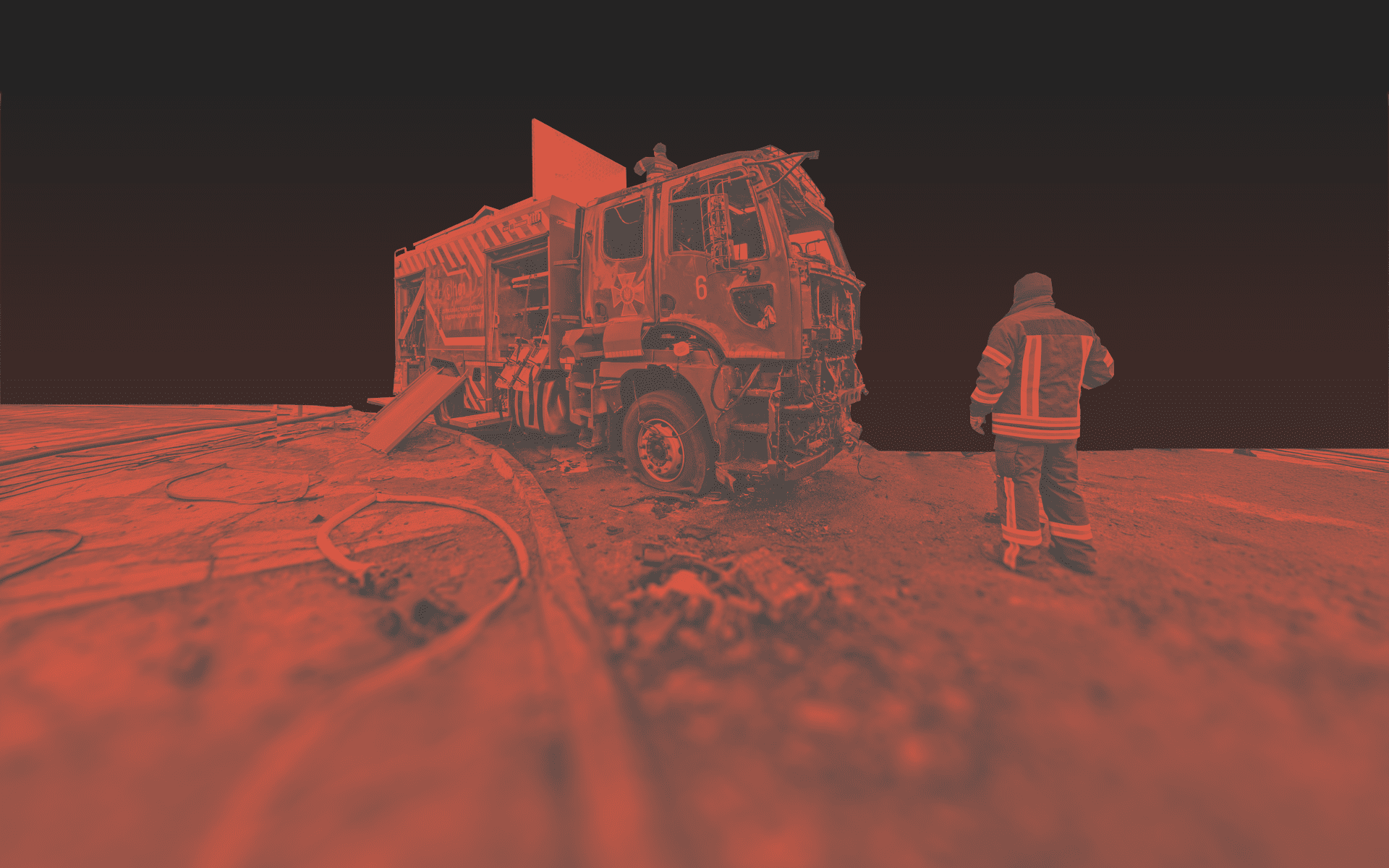
The number of double-tap strikes has grown each year, taking the lives of rescue workers, medical professionals, and others. This is a deliberate strategy targeting those risking their lives to save civilians.
 Prefer U24 Media on Google
- Authors


Imagine this: An air raid alert sounds out, and within a few minutes a missile hits an apartment block. Paramedics, police, rescue workers, and volunteers head to the scene to pull people out of the rubble. Everyone is working on rescuing the wounded and then: Boom! A second missile hits.
This is not a hypothetical. This is a Russian strategy. And it's terrorising the Ukrainian population. It's called double tap, and the second, third, or even fourth strike is timed to maximize as much harm as possible.
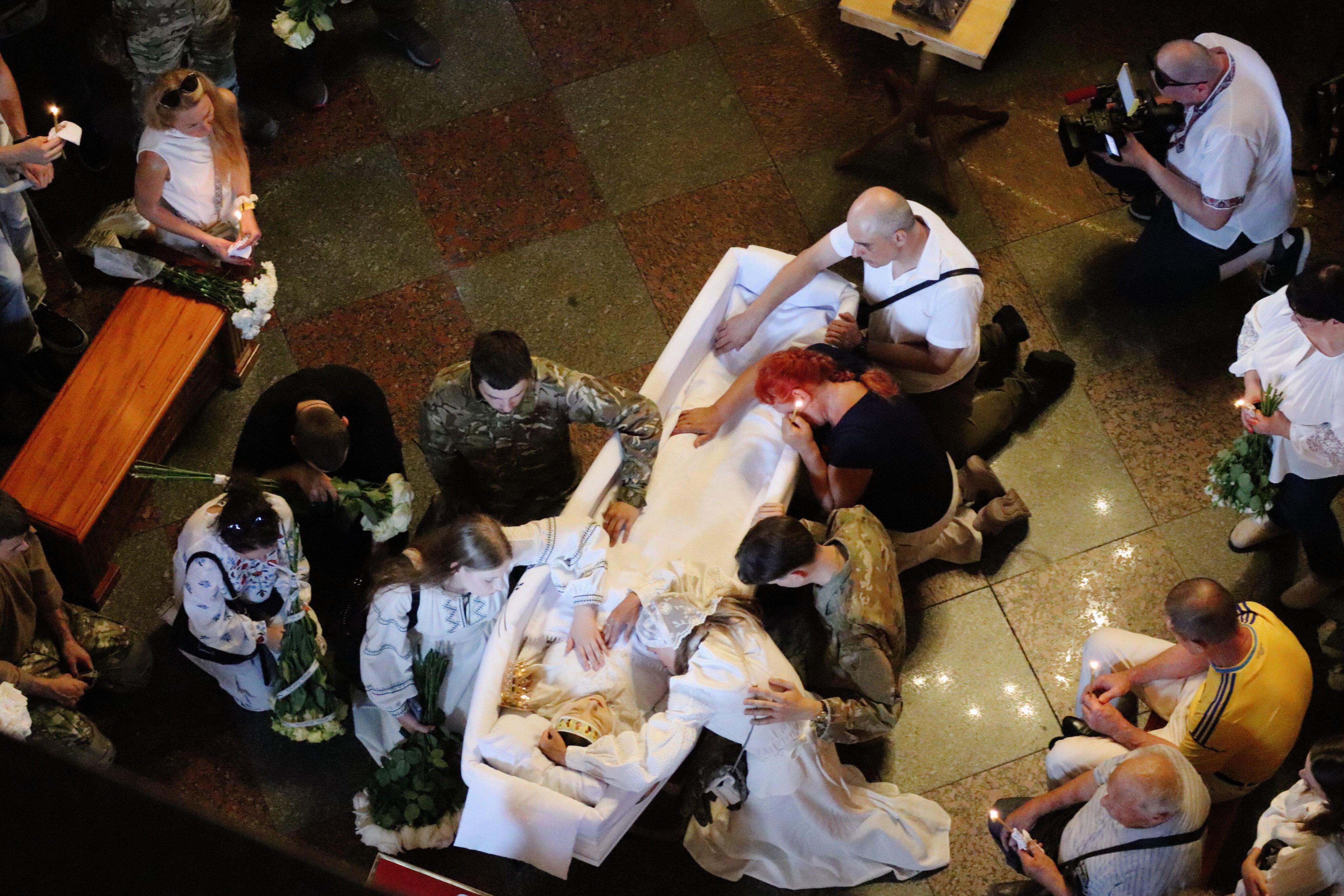
On 1 August 2026, Eva Reuter, a volunteer, artist, and paramedic, as well as volunteer medic Vitalina Yarovenko, were on their way to rescue people after a missile strike on an apartment building a few minutes from Eva’s home. While on the way, a second or third missile hit them in the car, taking their lives and leaving Eva’s fiancé, Joey, alive but injured.
On 23 September 2026, UNITED24 Media journalists were on the scene of a jet-powered drone attack on an office in Kyiv. Other journalists and rescue workers were on the roof of the building when another explosion occurred. This was recorded while two of our journalists were present.
On Sep 23, while filming a Russian attack on a Kyiv business center, a second jet-powered drone struck the exact same spot an hour later—giving us only seconds to react and take cover. 2 more drones hit the site within the next 40 min. 1/3 pic.twitter.com/qXaxTKvy57
— Louis Beaudemont / Луï Бодемон (@LouisBeaudemont) October 16, 2026
These are just two cases of double-tap strikes recently in Ukraine, but there are many others that have killed those going to save lives.
Double-taps have been used by Russia against rescuers across Ukraine since 2022; however, 2026 has seen a notable rise in number. These war crimes have killed many of the bravest in Ukraine, including paramedics, emergency responders, police, and anyone who risks their life to rescue those trapped under the rubble. Double-taps accompanied a wider rise in attacks on medical staff, showing a worrying pattern.
Tracking the rise in double-taps
Tracking what counts as a double-tap or triple-tap strike is not straightforward. Multiple missiles or drones can be launched simultaneously. This means a second explosion may not be counted separately, as it was technically counted as part of the same launch, even if it does not hit the target until later. Third and fourth strikes are sometimes counted as “double-taps” as well, meaning they are not counted as separate incidents, though many rescue workers mention them as a growing threat. This means the number of double-taps is likely higher than it is officially, as are triple and quadruple-taps. Nonetheless, from the data that is available, there is a clear trend.
The UN and OSCHR verify certain double-tap attacks, and NGOs such as the US-based Human Rights organization Truth Hounds have tracked the use and rise of them in Ukraine. Truth Hounds classify double taps as those where a few minutes or hours passed after the initial attack, and there was the presence of first responders.
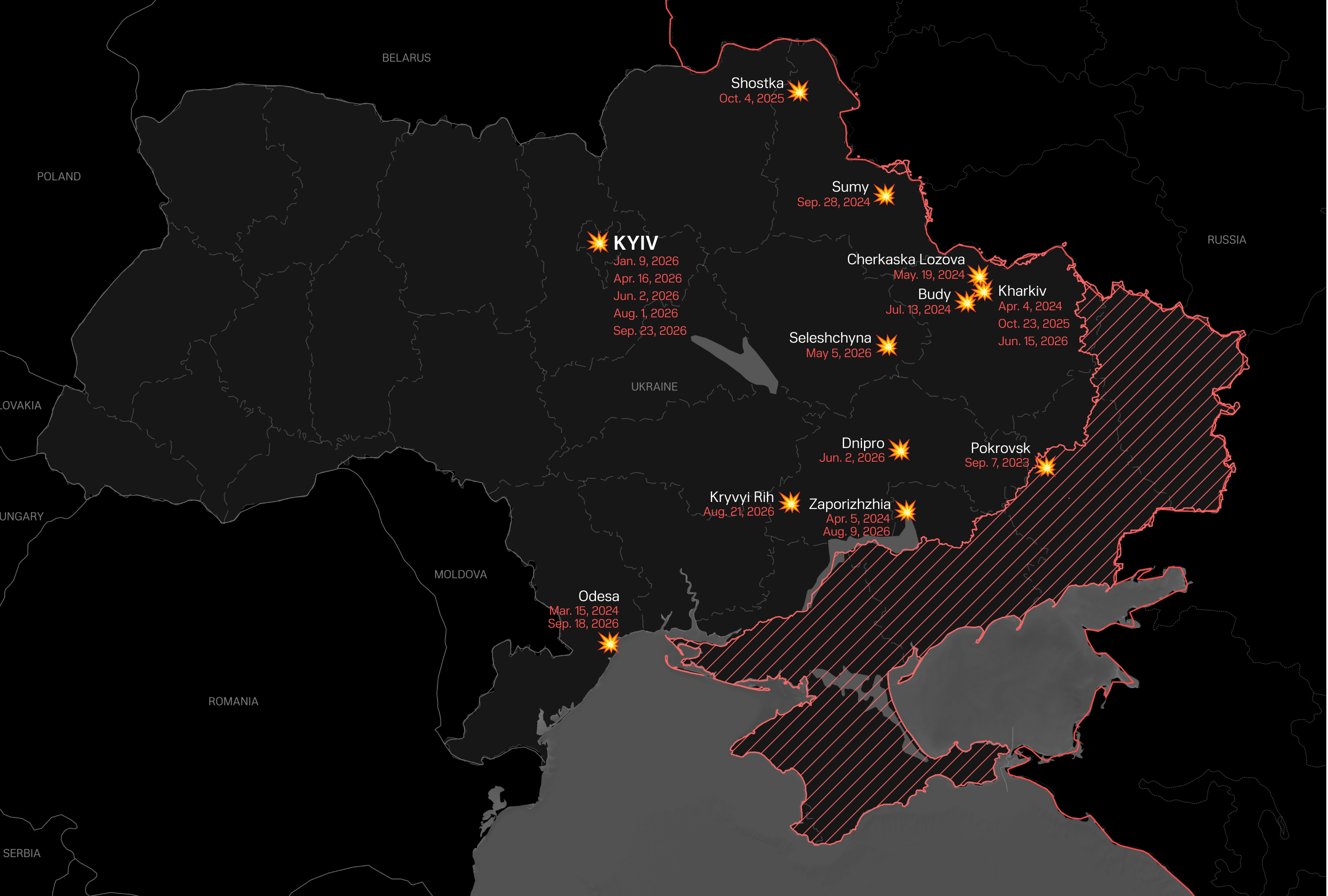
Where Russian double-tap attacks have been documented
Here is a list of notable double strikes on civilians, many of which killed and wounded responders:
Pokrovsk, Donetsk Region — 7 Aug 2023: At least 1 senior emergency-services officer killed, with other rescuers/police wounded alongside around 30 civilians.
Odesa — 15 Mar 2024: The second missile struck roughly 20–30 minutes after the first. At least 2 emergency responders were killed — a paramedic and a State Emergency Service (SES) rescuer. Police and medical personnel were also wounded.
Kharkiv — 4 Apr 2024: A follow-up drone attack hit responders at the scene. 3 firefighters and 1 police officer were killed; other rescuers and a nurse were wounded.
Zaporizhzhia — 5 Apr 2024: Repeat missiles struck after rescuers, police, and journalists arrived. Responder deaths were reported among the overall 4 killed, with police/rescue personnel and journalists wounded.
Cherkaska Lozova, Kharkiv Oblast — 19 May 2024: A second Iskander hit a recreation center about 18 minutes after the first, once medics and police were present. Emergency medical personnel were among the casualties; roughly 7–9 people were killed overall.
Budy, Kharkiv Oblast — 13 Jul 2024: A second missile hit after emergency crews arrived. 2 responders killed — an SES officer and a police officer; around 25 people injured.
Sumy, St Panteleimon Hospital — 28 Sep 2024: A second drone struck during evacuation/rescue work. Several responders/medical workers were among the casualties; 10 people killed overall, with the UN saying most deaths occurred in the second strike.
Shostka, Sumy region — October 4, 2025: 30 people were injured, including Ukrainian railway staff,
Kharkiv — 23 October, 2025: Commander of the 43rd State Fire and Rescue Unit was killed in a double-tap strike, and other firefighters were injured.
Seleshchyna, Poltava Oblast — 5 May 2026: Responders were fighting a fire caused by the initial drone strike when a missile hit. 2 SES rescuers were killed, and more than 20 responders were injured.
Kharkiv — 15 Jun 2026: Follow-up missiles struck emergency crews responding to an earlier attack. 5 SES rescuers killed, plus another emergency-services worker; several rescuers wounded.
Kyiv — 9 January, 2026: A second missile killed a medic and 3 other people, and wounded others, in an attack on a residential building.
Kyiv—16 April, 2026: Police and ambulance crews arrived after a ballistic strike; another ballistic strike hit minutes later while they were working. 3 police officers and 4 medics were injured.
Seleschyna, Poltava Region—5 May: Drones struck a gas facility; rescuers arrived; the site was then struck again, reportedly with a ballistic missile. 2 SES rescuers were killed and 22 injured.
Dnipro— 2 June, 2026: In a combined aerial attack across Ukraine, a rescuer was killed in a double-tap.
Kyiv— 2 June, 2026: During the massive attack, a second wave of drones hit sites while emergency services were present.
Kharkiv—15 June, 2026: An initial drone strike caused a fire; rescuers arrived, then four further Russian missiles hit. At least 5 emergency-service personnel were killed immediately; another rescuer later died from his wounds.
Kyiv — 1 August 2026: A ballistic missile hit people assisting victims of the first attack. It killed 3 responders: paramedic Eva Reuter, volunteer medic Vitalina Yarovenko, and patrol officer Yehor Terehin.
Zaporizhzhia—9 August, 2026: A repeat Russian strike hit rescuers while they were dealing with an earlier attack. Firefighter-rescuer Oleksandr Prodan was killed, and 3 rescuers were injured.
Kryvyi Rih—21 August, 2026: A drone struck a shopping centre; rescuers and medics arrived; about 30 minutes later, a second strike hit while they were working. Later reporting put the overall toll at 16 killed and 140 injured.
Odesa—18 September, 2026. An administrative building was struck, and about 30 minutes later, after rescuers and other emergency services arrived, the same building was hit again. Rescuers were injured in the second strike.
Kyiv—23 September, 2026: Russia struck an office in central Kyiv with jet-powered drones in a triple-tap attack while responders and UNITED24 Media journalists were present.
Beyond Ukraine, Russia was using this tactic alongside Assad’s forces in Syria to target medical workers. Between 2013 and 2021, 58 double-tap attacks hit residential areas, according to one report by the Syria Justice and Accountability Center (SJAC), a U.S.-based human rights group.
Where has Russia launched double-taps in Ukraine?
How many times has Russia launched double-taps?
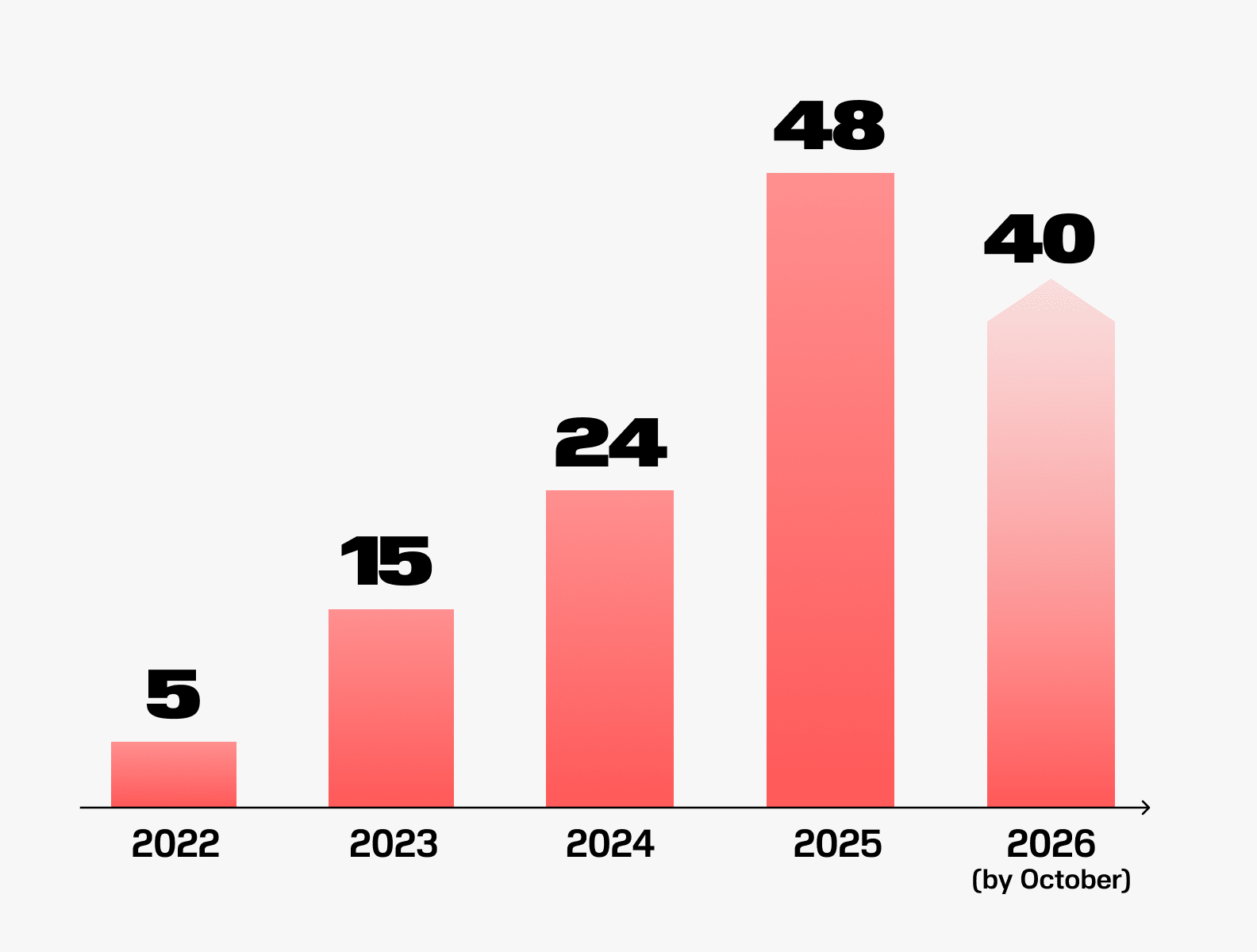
In 2026 so far, there have been at least 40 cases reported, although not all have been verified.
In October 2025, there was double the number of verified double-taps of the previous year, according to Truth Hounds. Simultaneously, Insecurity Insight tracked the deaths of medical responders as well, which have also grown, showing a wider war against rescuers. Truth Hounds similarly tracked 401 attacks on medical workers up to 2025.
Year | Truth Hounds: verified double-taps | Insecurity Insight: attacks on EMS* |
2022 | 5 | 107 |
2023 | 15 | 47 |
2024 | 24 | 81 |
2025 | 48 through 31 Oct | 110 |
Number of double-tap strikes per year
Do rescuers agree that there is a rise? “Unfortunately, double-tap strikes are constantly on the rise. They are usually aimed specifically at the emergency services arriving at the sites of the initial impacts. The enemy's goal is extremely cynical and obvious: to inflict as many casualties as possible. This is deliberate terror,” Said a rescuer, nicknamed THAI, with Med Crew 13, who used to work with Eva Reuter.
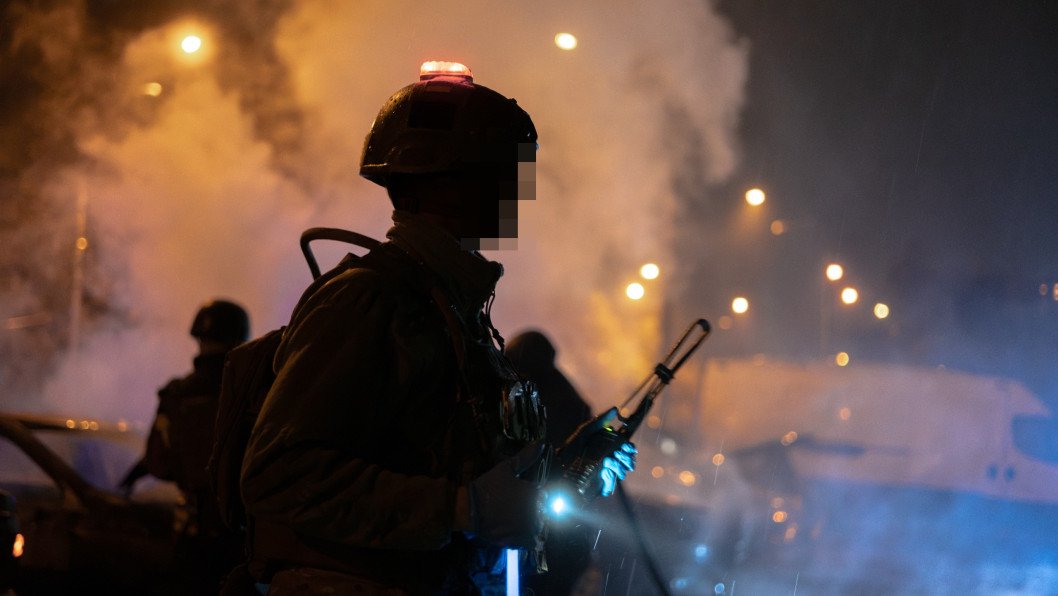
He explained that the time interval can vary greatly, and that is where the greatest danger lies: “There is no clear timing you can 'safely' rely on. The gap can range from 10 to 15 minutes (when rescuers or we as medics are just deploying forces, conducting primary reconnaissance, and pulling the first wounded from the rubble) to an hour or more. Sometimes the second strike is delivered during the active phase of clearing debris and administering first aid on site.” Whenever you head to an impact site, the thought of a potential second strike is always in the back of your mind, he added.
How rescuers try to stay safe
Rescuers of all kinds are aware of the threat. The fiancé of Eva Reuter, Joey, callsign “Exile,” said that when going to save people, on the front or in civilian life, “we are always prepared for double taps.”
He explained that the strike that killed Eva Reuter may have been a triple or quadruple tap. They heard a second explosion en route to the site; the third occurred when they were in the car. After he was dragged away to safety after trying to rescue his fiancé, a fourth explosion occurred again near the car.

THAI gave a story about when they arrived at a hit near a residential area. As they evacuated the building, information came in that there was a threat of incoming ballistics. “We decided to move away from that spot and take cover, and literally 150 meters away from us, an Iskander missile struck.”
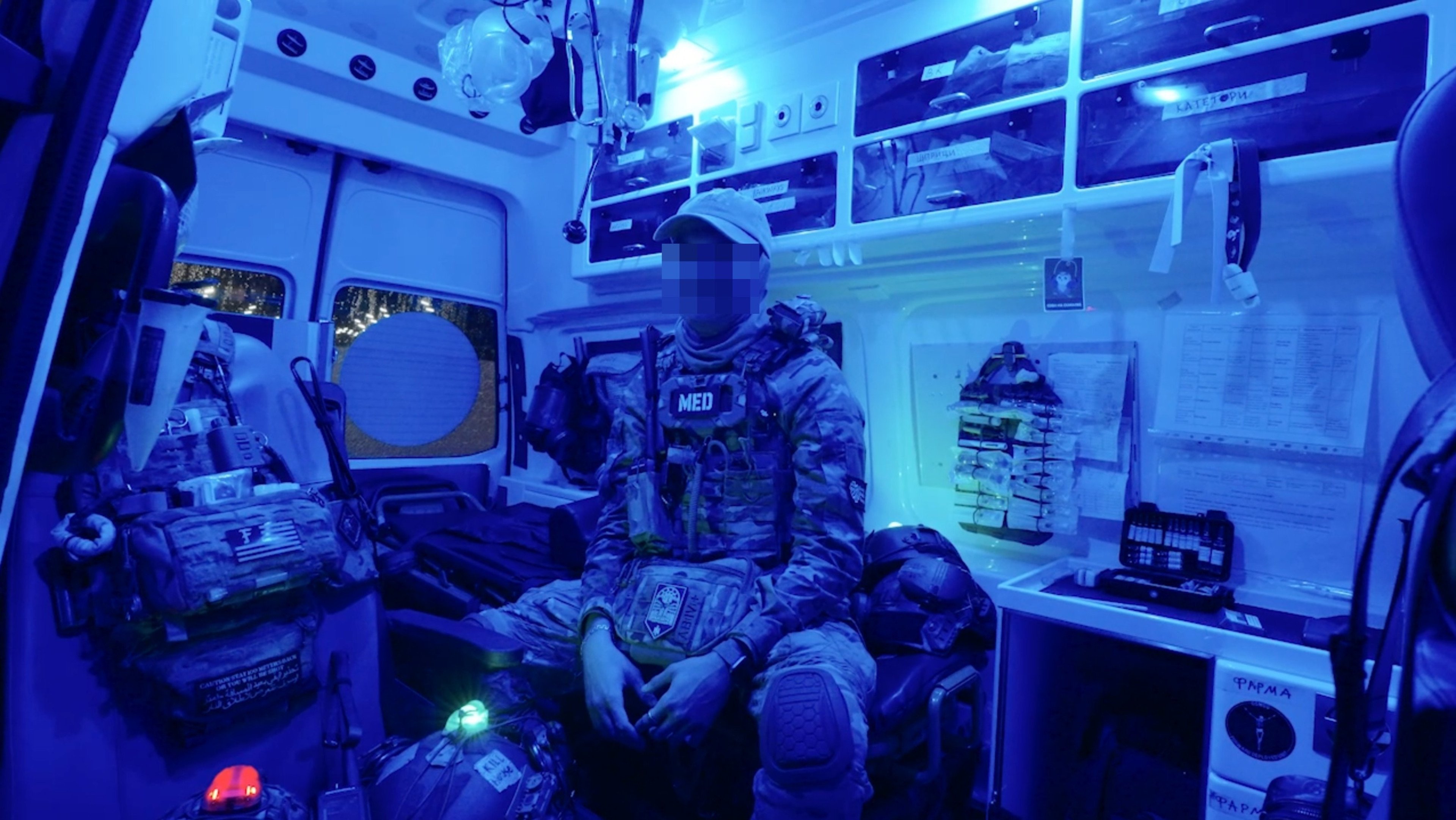
He said that “The adrenaline was pumping, but we all understand that you have to stay calm in these circumstances” in order to protect the lives of those being rescued and the team, and as a result of remaining in the safe position, they were safe.
Can rescue workers minimize the risk?
It is impossible to completely eliminate the risk of a secondary strike. In part because you never know when and where it will land exactly. Although, as THAI said, “You can minimize threats through strict safety protocols.” This includes individual protective gear for everyone, assessing risks to the team's life and safety, and constantly monitoring the airspace and incoming threats via communications. Emergency workers and volunteers are adjusting their approach all the time and are prepared for these attacks as much as possible.
THAI elaborated that “Emergency services also use tactics like switching off vehicle lights and beacons to avoid detection by reconnaissance drones that might spot a crowd. It's an inherent risk of our work now, but professionalism means completing the mission without turning yourself into an easy target.”
Rescuers are adapting, but the risk is growing all the time, making it harder to save those who need rescuing and posing a greater risk to those who dedicate themselves to saving others. What can reduce the threat to their lives is for Ukraine to have stronger air defense and, ultimately, for Russia to stop its invasion.
Discuss this article:
In a Nutshell