- Category
- War in Ukraine
Facing Russia’s Double-Tap Strikes with Kyiv’s Youth Paramedic Unit
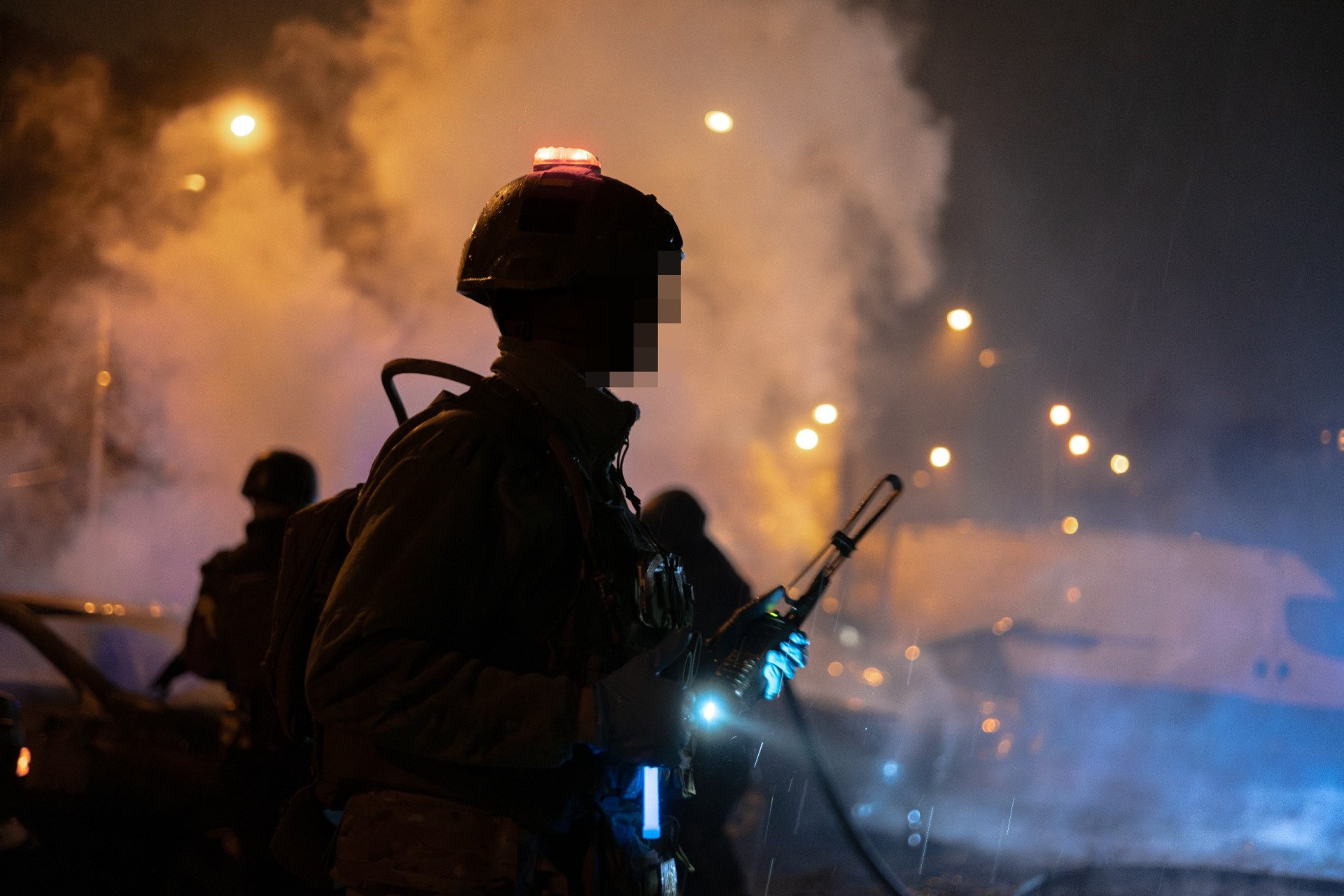
“My parents always worry because they know that if someone is truly in danger, I’ll…what’s the word in English? Yes, I’ll sacrifice myself to make sure they live.”
 Prefer U24 Media on Google
- Authors


The word that THAI—a 19-year-old volunteer paramedic—searched for in English, is one that is solemnly held by all members of Medical Crew 13.
This volunteer special rapid response medical unit is composed of members of the same generation responsible for the rise of rizz and the resurgence of the mullet, yet their formative years in Kyiv have been characterized by repeated immense loss, massive drone onslaughts, and ballistic missiles raining down on their homes.
Yet still, though robbed of nearly five years of their youth by a brutal invasion, THAI, Mariia, Alex, Vanya, their very young commander Lastivka , and many others in their crew volunteer daily to venture into the eye of a non-stop storm. They do this to save lives, even as deafening explosions ring out above them, each one potentially heralding a gruesome death.
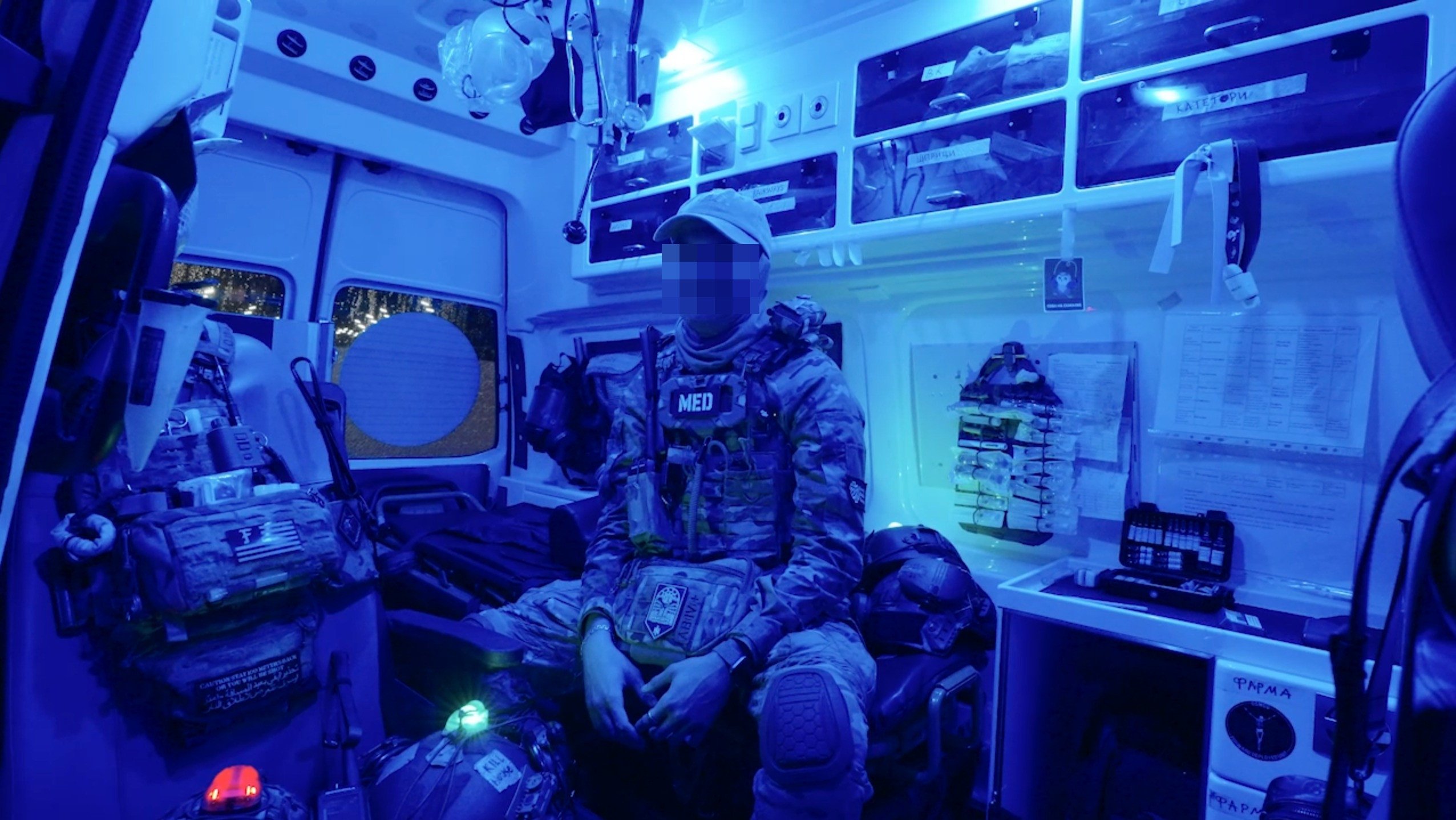
Inside Kyiv’s Special Medical Rapid Response Unit
Sometimes these deaths are their own. On the night of July 31—August 1, 2026, Russia hammered Kyiv with dozens of missiles of various types. As civilians attempted to flee the attack—running desperately to shelters with the seconds of respite they had between explosions—the volunteers from Medical Crew 13 sprang into action, racing to various points in the city to do the one thing that drives their efforts: to save lives.
Unbeknownst to them, in the night’s chaos, Russian forces unleashed a tactic that’s become characteristic of attacks against Ukrainian cities: the double-tap. In these attacks, a target is first hit, and then, minutes after, it’s struck again once first responders and journalists arrive on the scene. The tactic has been considered a war crime since 1949, if it can be proven to have been used against civilians and the wounded.
The deadly reality of Russian double-tap attacks
As they were racing to save lives with missiles whizzing past in the air above them, Eva Reuter (callsign “Elice”) and Vitalina Yarovenko (callsign “Frau”)—two volunteers working with Medical Crew 13—had their lives cut abruptly short at the end of a Zircon hypersonic missile, causing their rescue vehicle to explode and incinerating much of what—and who—was inside.
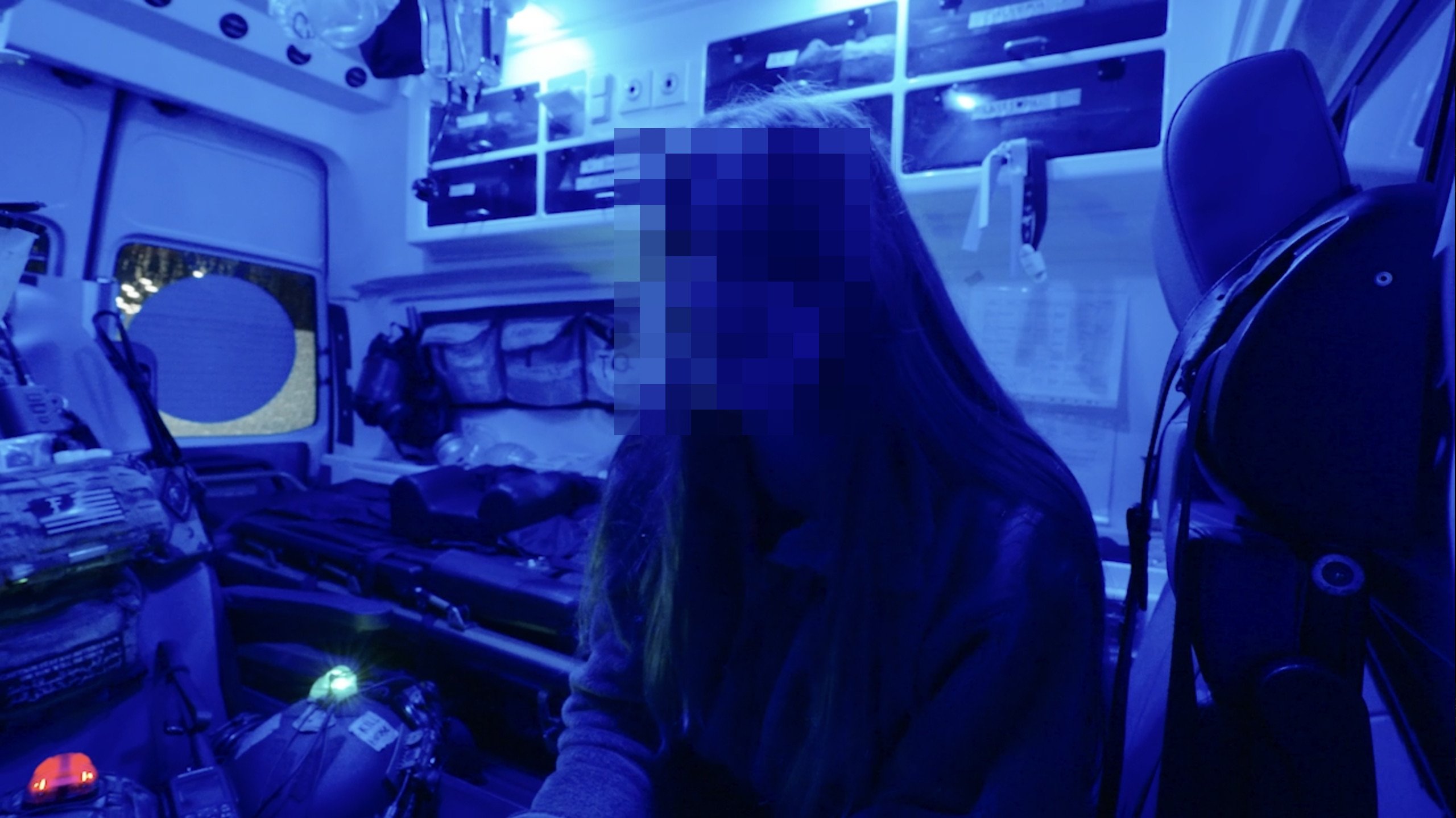
These young women, “brave, fearless, and kind,” as they are remembered by surviving comrades, were willing to give everything to preserve life, but ultimately had their futures stolen ruthlessly on a summer night; this theft is emblematic of the scar that Russia’s invasion has left on Ukraine’s future, and has left a crater in the hearts of the family that is Medical Crew 13.
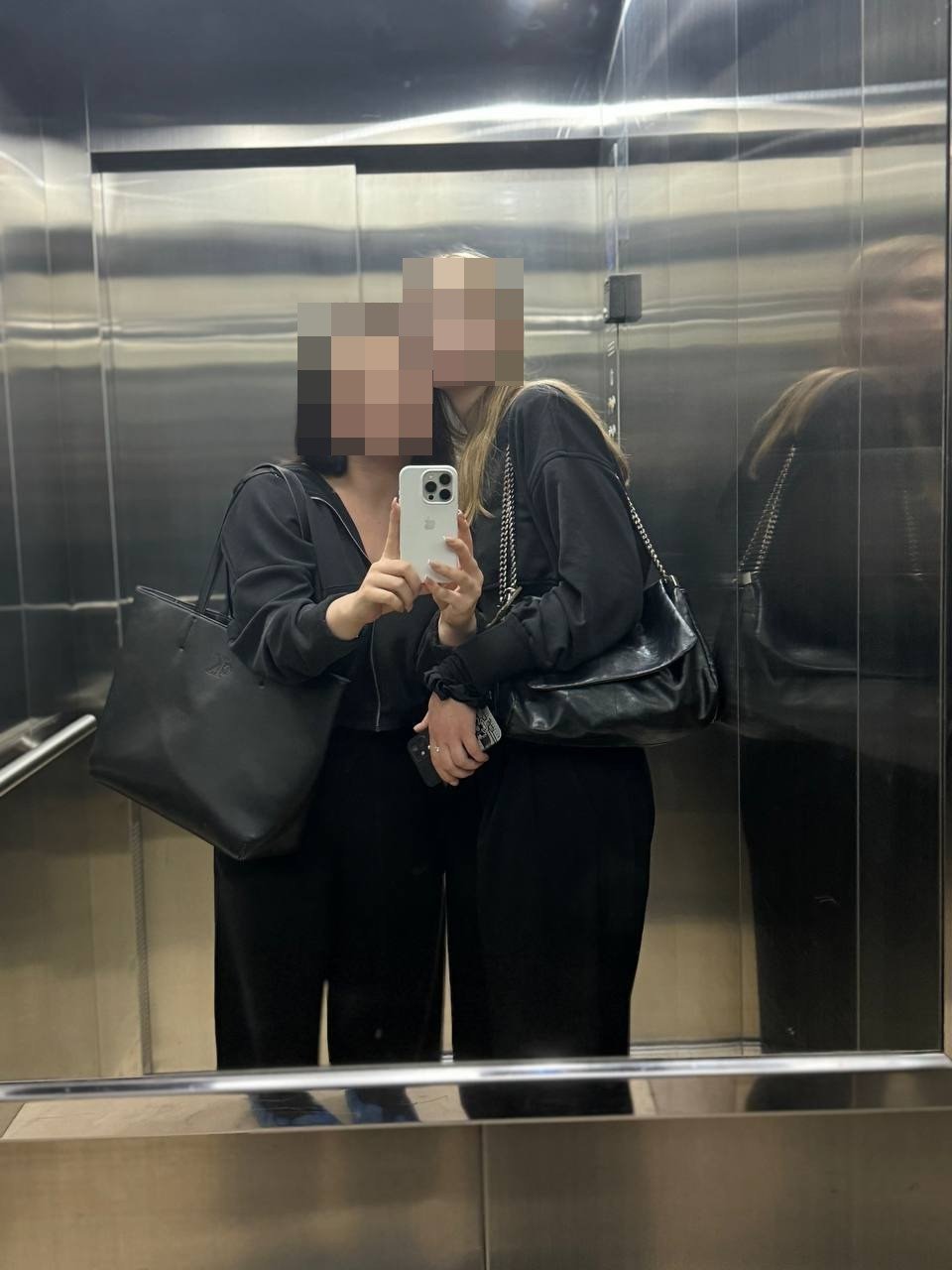
On standby at the rendezvous point
As we pulled up to the rendezvous point to meet Medical Crew 13, Canned Heat’s Going Up the Country—one of the favorite hype-up songs of Alex, one of the volunteers—blared through his car’s speakers. The lyrics “No need in you running or screaming and crying” seemed frightfully apt for the moment, as the rest of the crew spilled out of their emergency vehicle to greet us, eyes crinkling from excited smiles, visible only through balaclavas and helmets.
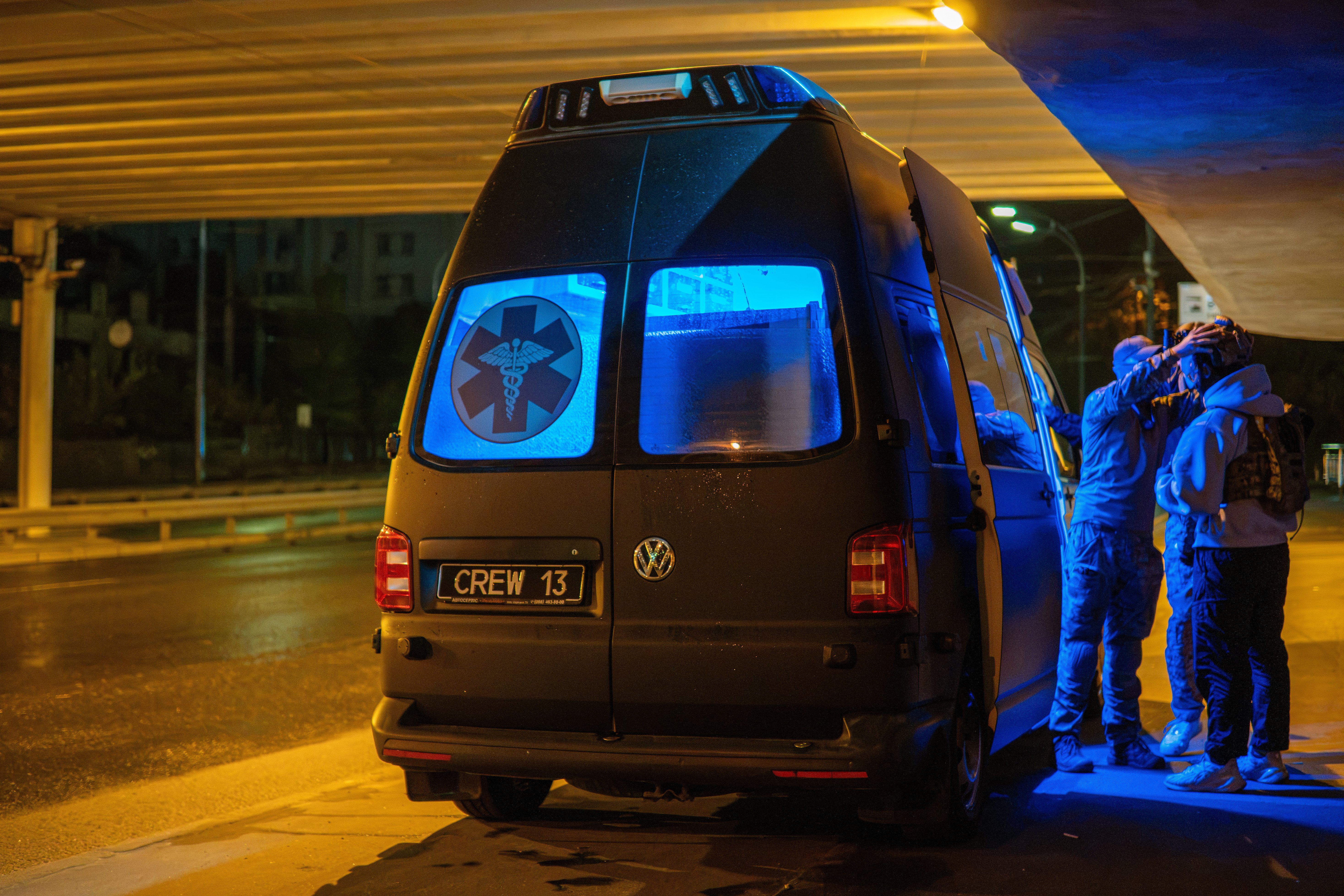
After a round of handshakes and hugs, a much taller and ganglier figure jumped out of the vehicle, issuing brief commands and asking questions to the rest of the crew. Soon, his attention turned to me, and smiling, he reached back into the vehicle and brought out a cake with candles to welcome us and to mark my recent birthday.
After hugging me tightly and trading a few jokes with me as a sort of “vibe check,” the same figure—the young commander going by the callsign Lastivka—in what felt like a second, became deeply serious once more. He sat down in the vehicle, rattled off a few commands to the team, held me captive with his eyes, and explained to me the gravity of the work that faced them every night; he also expanded upon protocols they followed to ensure as many lives could be saved as possible.
I ensure all team members are fit for duty and ready to deploy. Before every shift we verify that all medical equipment is fully operational. When deploying to a location with potential casualties, we secure all required fluids and medications beforehand, and we prepare them in advance, so we can immediately mediate care. Every second counts.
Lastivka
Commander, Medical Crew 13
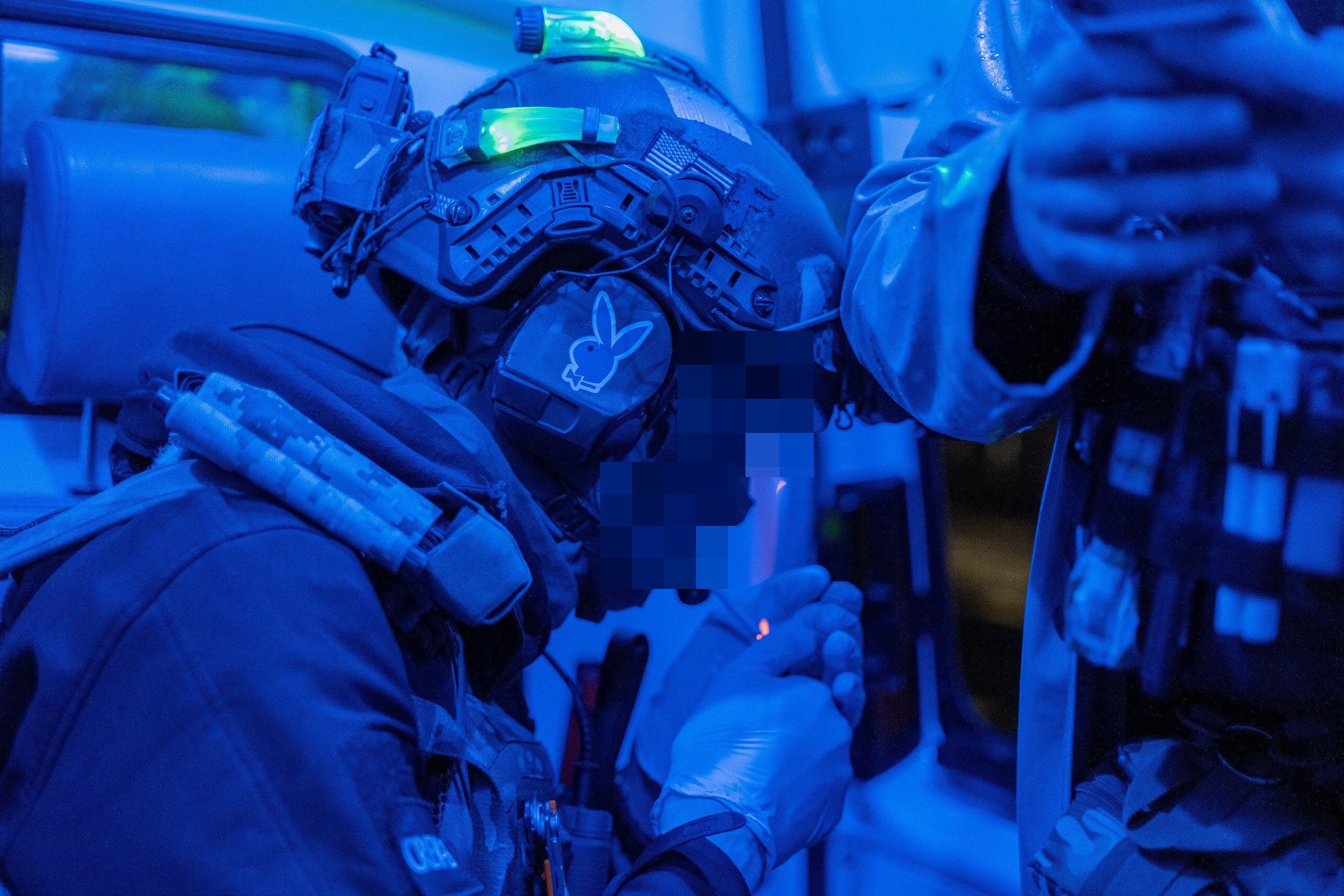
This feeling of every second being precious is a consistent theme in the minds of every member of Medical Crew 13. When THAI jumped into the vehicle with me during a rare quiet moment just after 1AM, he echoed the sentiment. Leaning against the gray leather jump seat as I sat across from him on the gurney and the rest of the crew members settled down for a brief pre-duty nap, he characterized the constant psychological states of his fellow volunteers.
Ballistic missiles leave you just seconds, so you have no time to prepare mentally; you simply switch to action mode. The hardest part is…you don’t know where [the missile] hit yet or whether the next strike will be yours. You just stand there and wait to hear how far away the next explosion will be.
THAI
Volunteer, Medical Crew 13
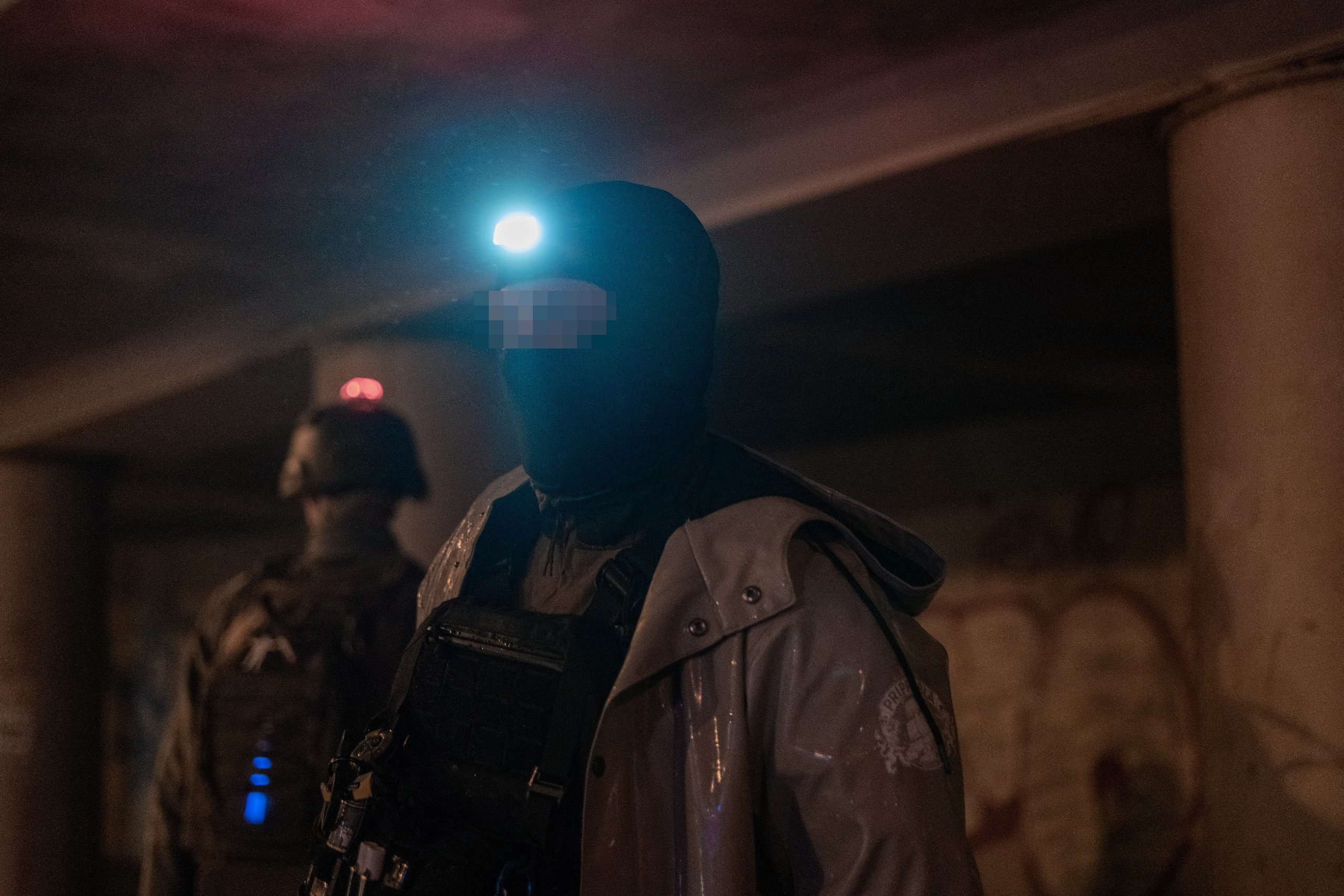
Seconds to prepare: Red alert over Kyiv
Minutes into our conversation, Kyiv’s air raid sirens wailed to life, accompanied by the frantic repeated buzzing sound, indicating that this was an air alert of the red level . Somewhere behind me, someone screamed in Ukrainian: ballistics! THAI smiled at me, winked, and repeated the warning, immediately fastening his helmet and jumping out of the vehicle to speak with Lastivka. Suddenly, a number of devices in the vehicle beeped to life and Lastivka jumped in, firing off orders and checking his phone to see possible missile flight paths and potential targets across the city.
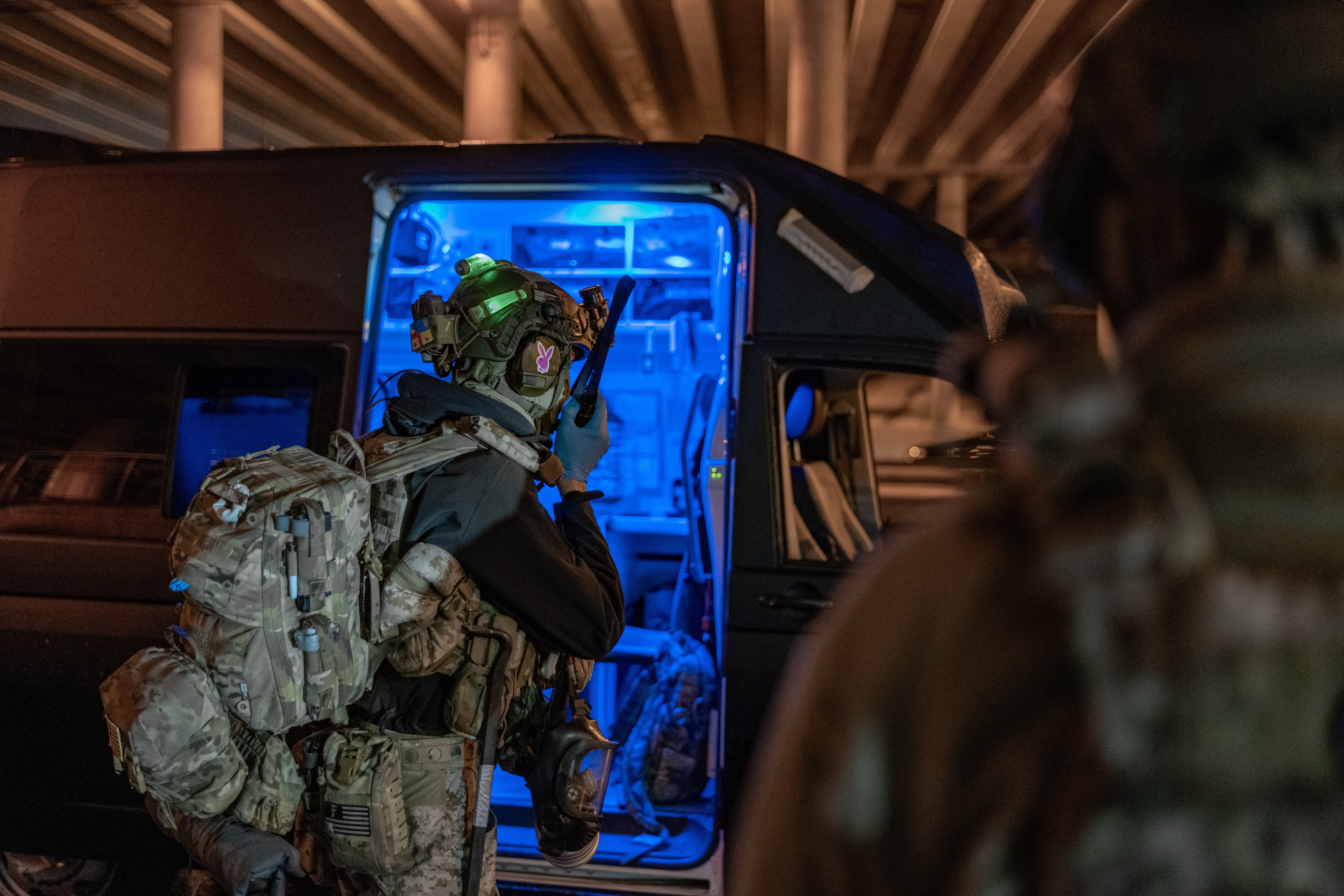
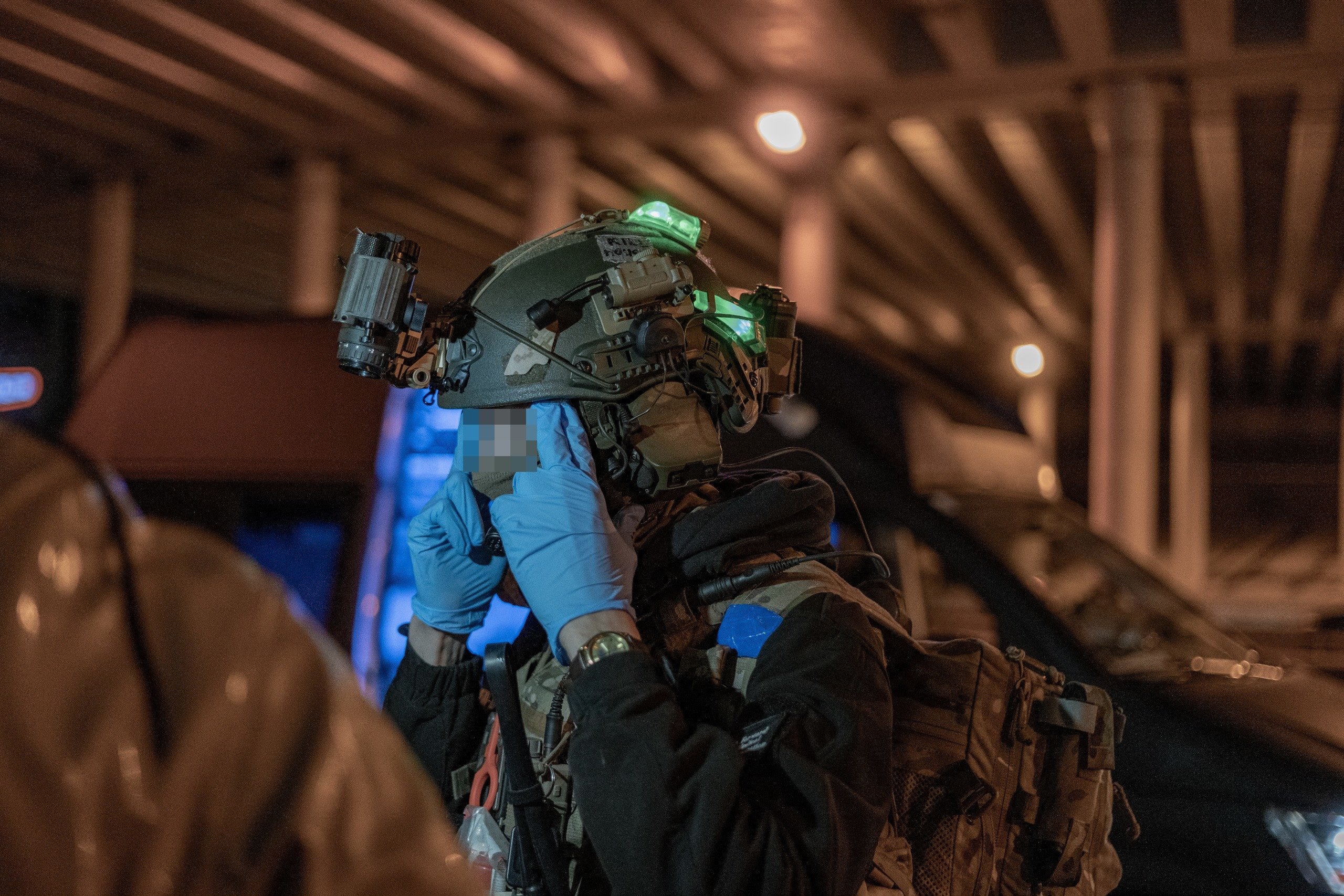
I jumped out and Vanya approached me. Smiling behind his balaclava, he leaned down, pointed toward the hazy black sky and whispered sharply: Look up! Listen! Here we go.
Seconds later, everything seemed to go quiet; the air around us compressed, there was a soft whooshing sound overhead, my stomach dropped, and the tension released in an impossibly-loud explosion what felt like just a few blocks away. Then, Alex approached, smiling, and said: “that was the first. There are many more on the way.” I looked over at Lastivka—face taut, pupils dilated, and gripping his radio in anticipation of receiving news of the first people who needed rescuing.
Then, another blast, this one slightly further away. By this time, the air around us reeked of fire and rocket fuel: a mixture that clings desperately to your nostrils and makes you want to flee. At that moment, the Canned Heat lyrics from the night’s opening act started racing through my head: No need in you running or screaming and crying.
Yet another explosion rang out and we sprang into action: THAI flying through empty streets, Lastivka frantically making calls to decide who needed to be helped first, and other members of the crew—including myself—checking emergency channels to track incoming missiles.
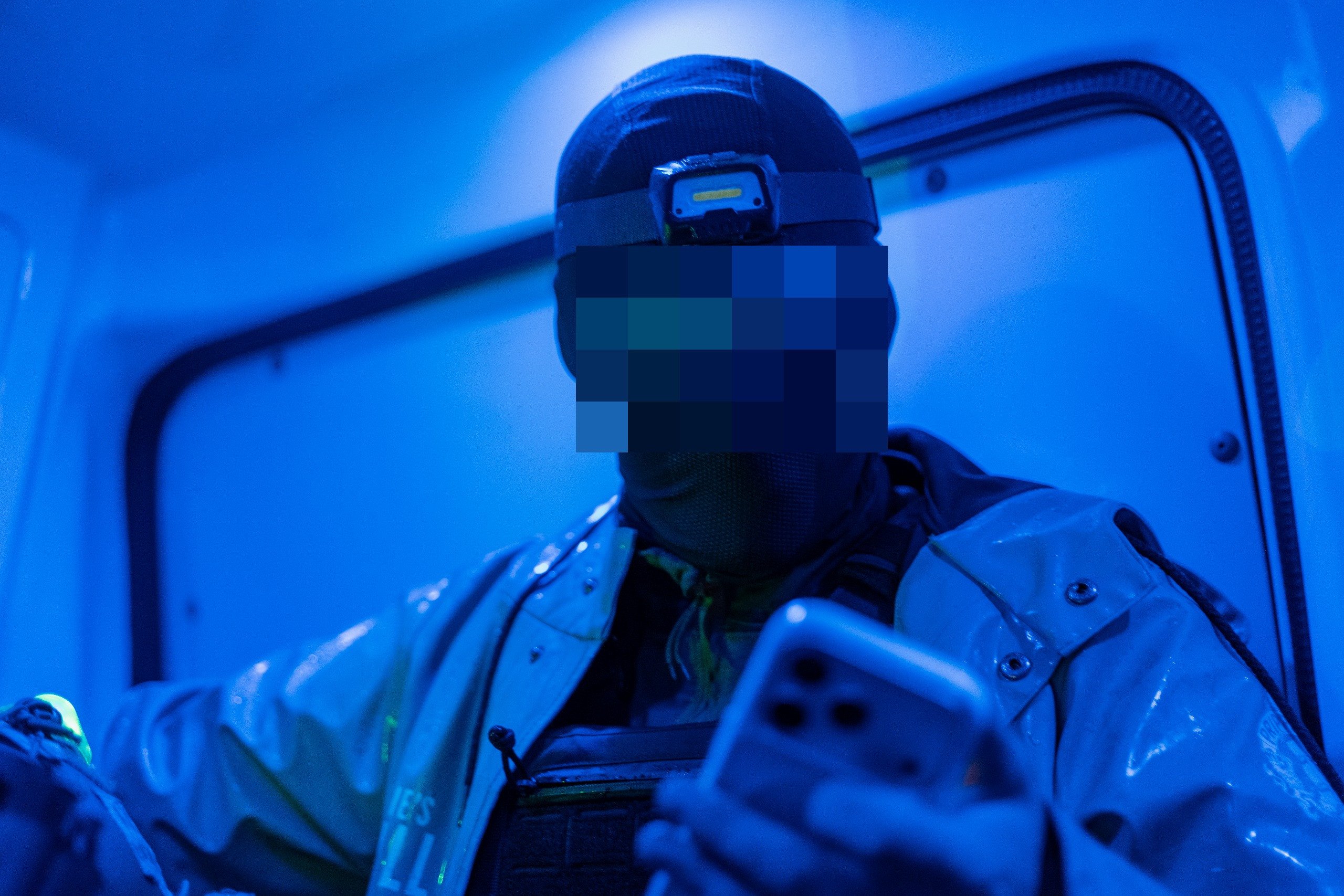
In an instant, someone in the vehicle swore impressively and yelled out in Ukrainian: Another ballistic launch! Get us some cover!
Suddenly, the vehicle lurched and we were racing at breakneck speed back to the rendezvous point. Then, seconds later, an explosion rang out overhead, shaking the entire vehicle. Undeterred, we kept going until we arrived under a nearby overpass. Two minutes passed, and we headed out again, rushing to aid people whose lives we already knew were in peril. Again, we were notified that Russia had launched a new salvo that was headed directly toward the city. We ran for cover again, this time narrowly avoiding the series of explosions that seemed to rock our entire surroundings. The sickening stench of rocket fuel thickened and seemed to seep into every pore, as Lastivka rearranged the medical supplies that had flown loose.
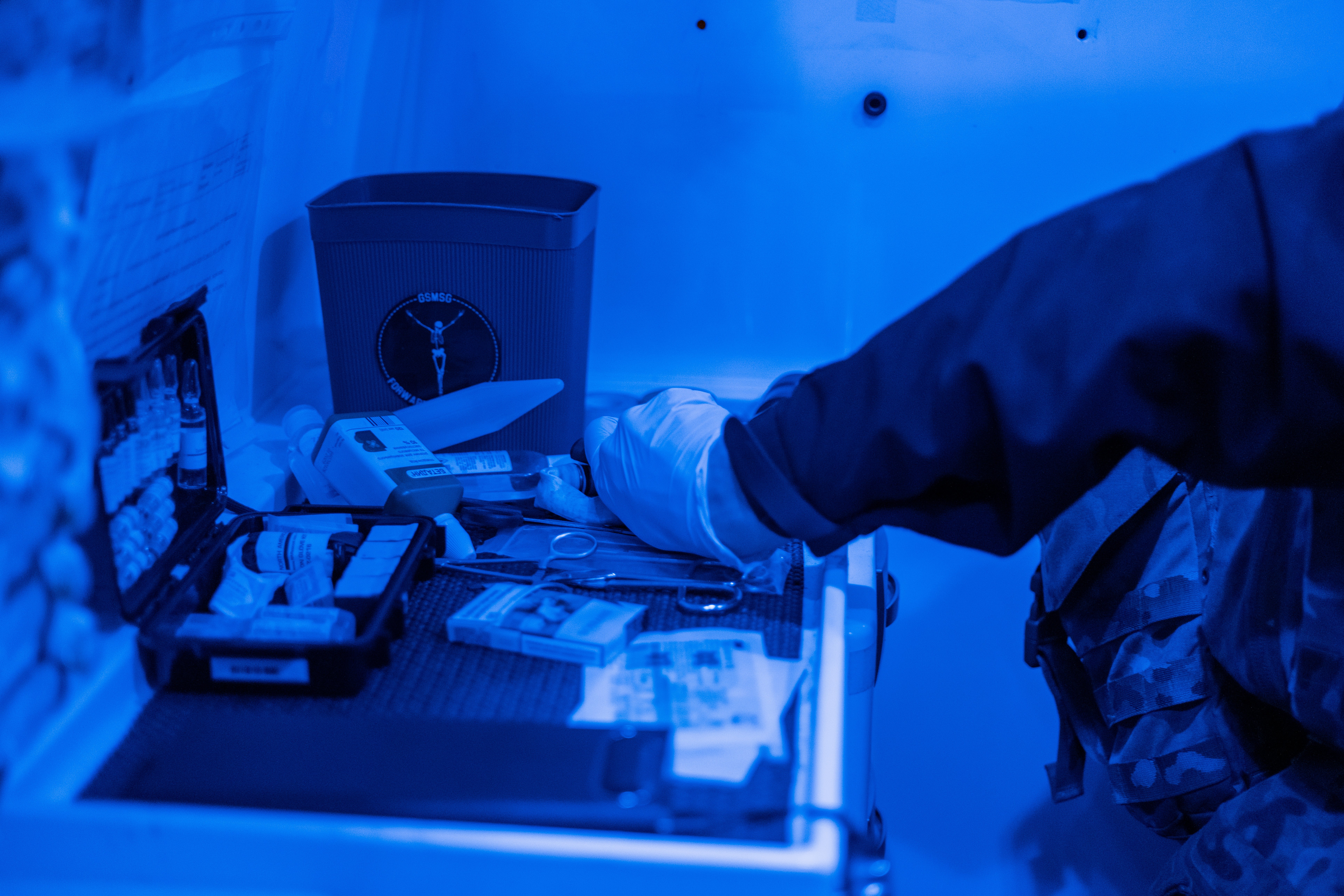
We exited from under the overpass and proceeded to an attack site. Lastivka removed his helmet, ran a hand through his hair, lit a thin cigarette, and turned to us, pleading: I’m so sorry. I know I said some “unpleasant” words back there. Please don’t focus on those.
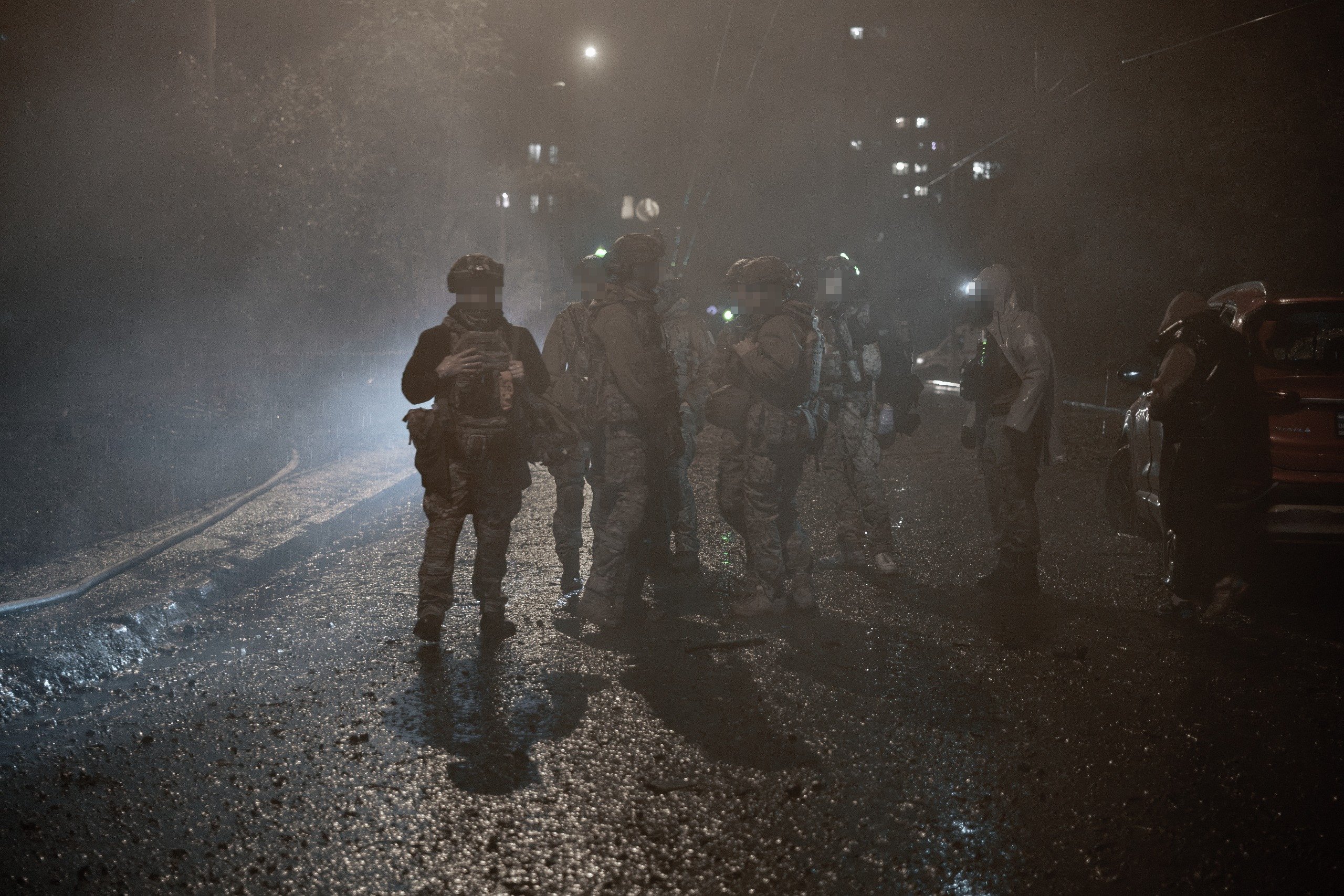
Finally, THAI jerked our vehicle to a stop, turned to everyone in the back, and with a smile, shouted: Zemlya !
The grim reality on the scene
Upon jumping out of the vehicle, all of the volunteers went straight into action mode: speaking with other emergency workers to assess damages, clearing rubble out of the way to more easily reach survivors, preparing to transfer those in need of medical attention to the vehicle, and working with investigators to gain a better understanding of the scale of the attack.
However, for all the preparation that Medical Crew 13’s volunteers do in preparation to save lives every day in Kyiv, there is no training or medical treatment that can reverse the effects of a near-direct hit by a missile.
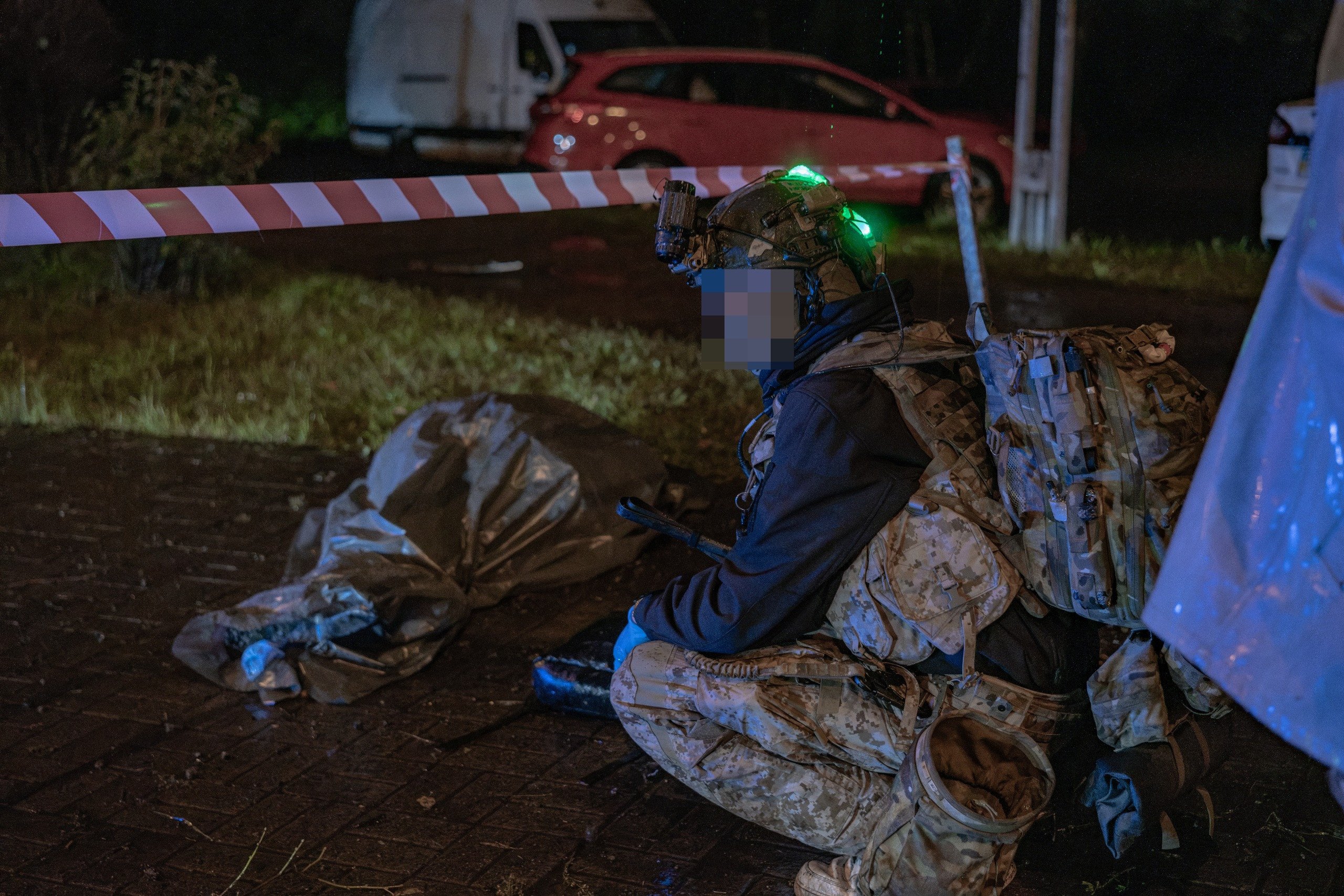
Shortly after the volunteers did their initial assessment of the scene, the police informed us that as a result of the night’s attack, one civilian had been killed; according to the police, this person was attempting to get into their car to escape the attack, and while they were in their vehicle, a Russian missile struck nearby, instantly killing them.
Upon learning this information, there was an immediate and noticeable shift in the energy of the volunteers: what was once the boisterous fervor of people running to the rescue was replaced by something much more sobering. That night, we’d defiantly stared down mortal danger, only to be reminded that there are forces at work that are sometimes quicker and with a bigger payload than goodwill.
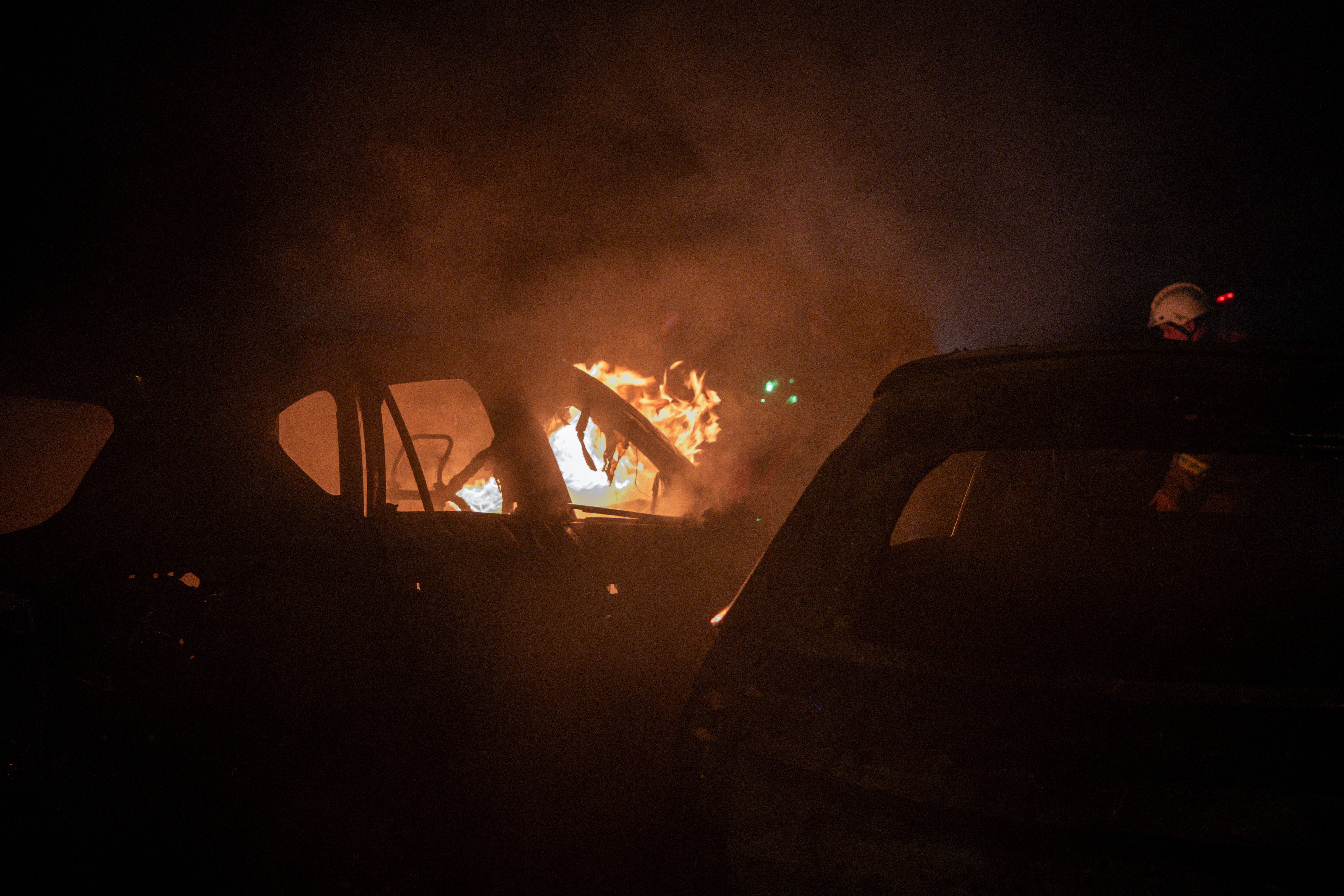
As we loaded into the emergency vehicle and cruised back to the rendezvous point, my mind drifted back to the conversation I’d been having with THAI, just before the sirens started heralding the arrival of certain death for someone, somewhere.
Why do I do it? For children. Because I understand when I go into the [chaos], there can be children in there, and I need to find and save them…I have no time to think about being scared. No, I’m calm, and I work.
THAI
Volunteer, Medical Crew 13
"No time to be scared": The stolen youth
Deliriously exhausted, I smiled softly to myself, remembering that at the start of this invasion, THAI himself was a child, just 14 years old; the oldest of the group had been 20, hardly an adult. Furthermore, if you count the start of this war from Russia’s 2014 invasion and illegal annexation of Crimea, THAI was 7 at the time.
Perhaps beyond the brutal, senseless delivery of death that happens every day of this war at the hands of the Kremlin, the greatest sin committed—the one that has been more silent—is the theft of life, youth, and possibility from children who never had the chance to grow up, but rather were slammed at the door of a macabre adulthood, wondering: How can I save the other children?
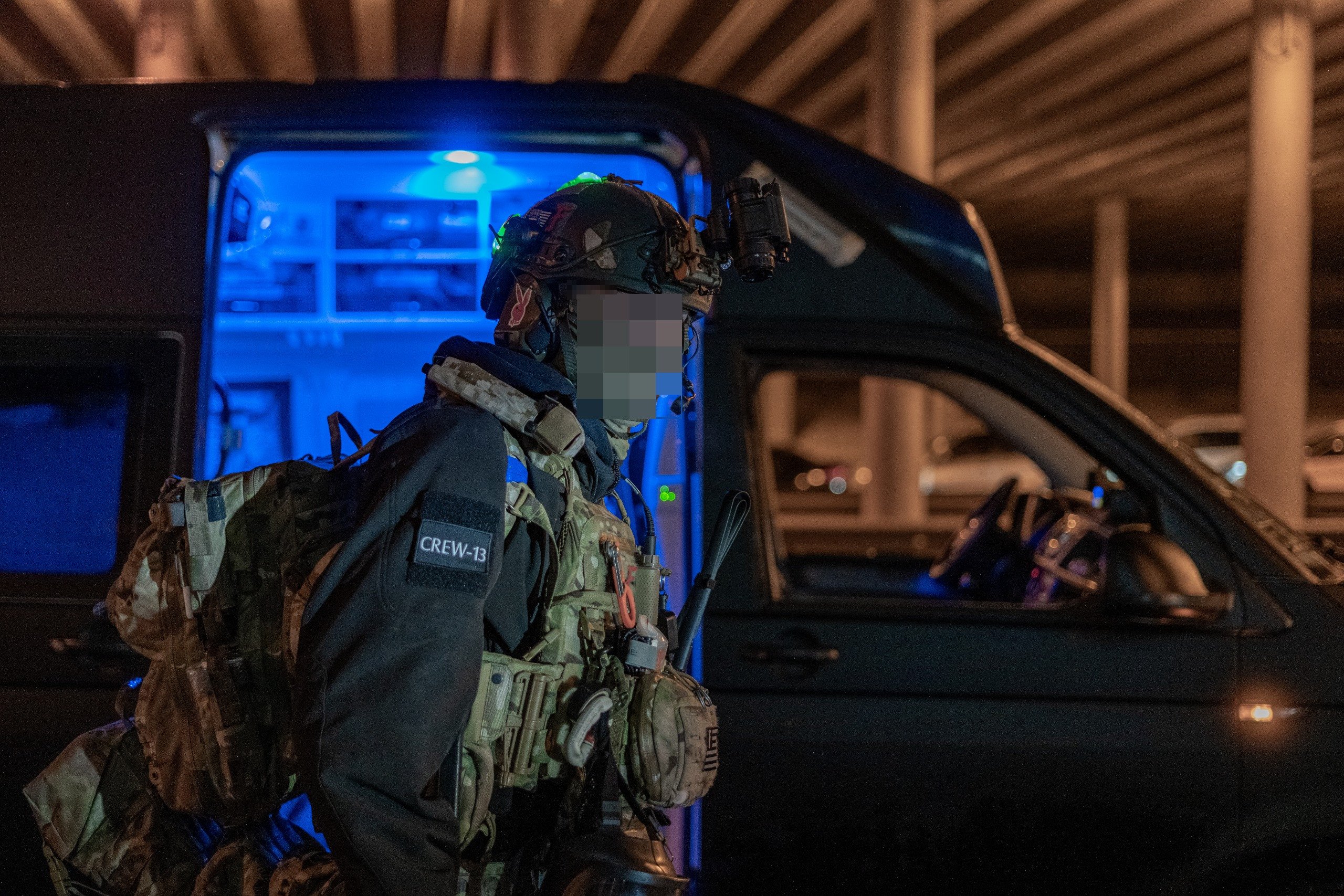
In loving memory of “Elice” and “Frau,” who paid the ultimate price far too young, in service of others.
Discuss this article:

-c439b7bd9030ecf9d5a4287dc361ba31.jpg "Photo of Katherina Popilnichenko")
-29a1a43aba23f9bb779a1ac8b98d2121.jpeg "Photo of Illia Kabachynskyi")