- Category
- Latest news
Russia Deactivates 18 Million SIM Cards as Mobile Control Measures Tighten
 Prefer U24 Media on Google
- Authors


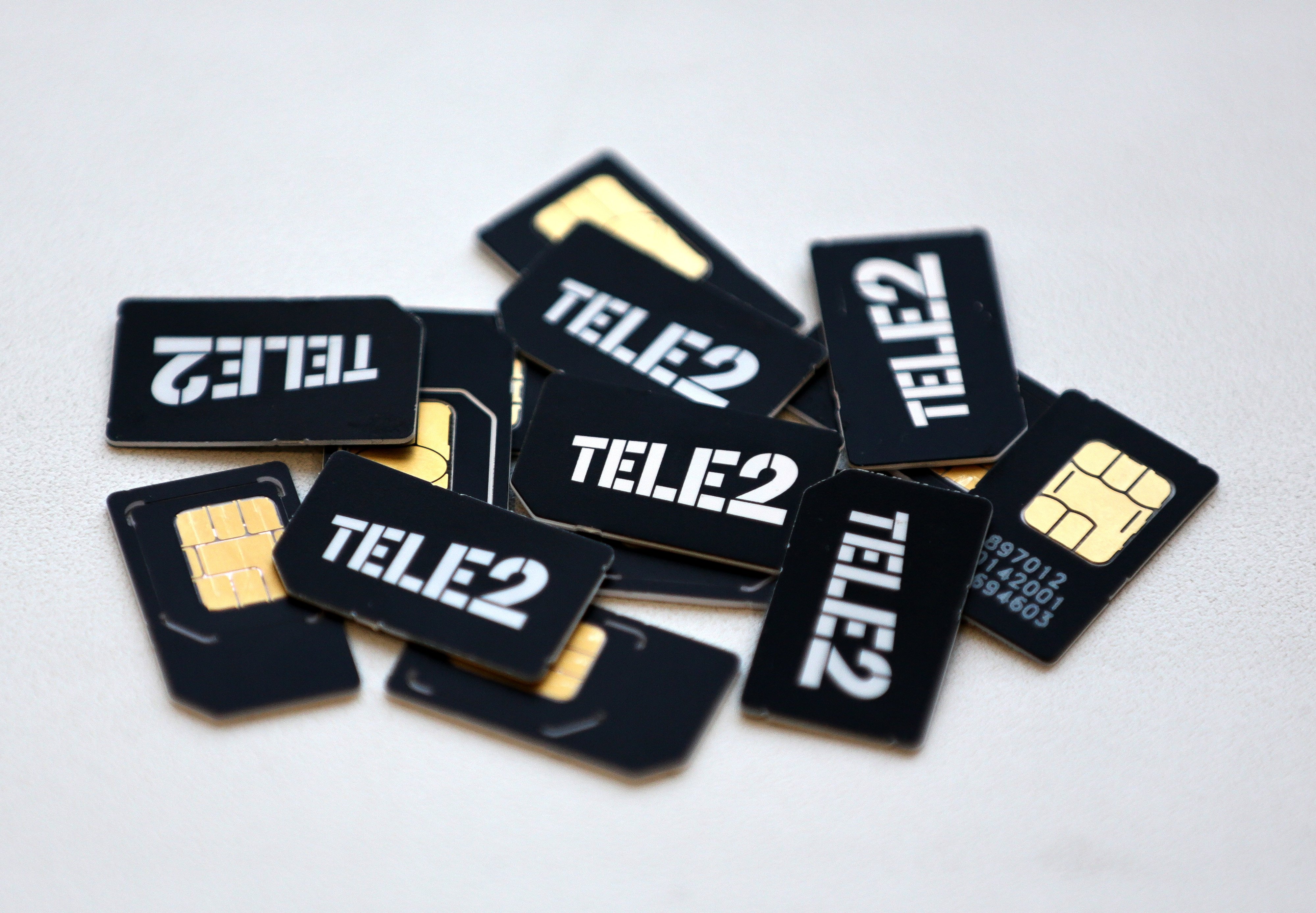
In 2025, Russian telecommunications operators blocked 18.45 million SIM cards at the request of Roskomnadzor, marking a 76% increase compared to the previous year, the regulator told Kommersant on February 13.
A Roskomnadzor representative said the blocks were prompted by violations of communications regulations by operators, including the use of inaccurate subscriber data, the absence of foreigners’ information in the Unified Biometric System, and cases where the permitted limit on the number of SIM cards per subscriber had been exceeded.
We bring you stories from the ground. Your support keeps our team in the field.
Since November 1, Russian citizens have been restricted from registering more than 20 SIM cards in their name, while foreign nationals are limited to 10. Authorities had previously mandated that operators link phone numbers to subscribers’ passport data and initiated compliance inspections.
In 2024, Roskomnadzor reported uncovering approximately 128 million instances of inaccurate subscriber information and ordered the deactivation of more than 10.5 million SIM cards on that basis. Under new legislation, foreign nationals are also required to submit biometric data in order to obtain mobile numbers.
Industry representatives attribute the high number of deactivations in part to procedural shortcomings. Some operators, they note, fail to verify SIM card limits at the point of contract, resulting in additional cards being issued beyond the legal cap.
“Technically, operators regularly update their databases and carry out blocks, but the ongoing process of sales and transfers of SIM cards makes achieving a completely ‘clean’ database an unattainable ideal,” said Svetlana Arkhipkina, director of the Digital Transformation practice at Strategy Partners.
According to Arkhipkina, SIM cards have evolved from consumer products into identity instruments, and operators are increasingly functioning as data custodians whose primary value to the state lies in verifying subscriber identities rather than providing communications services.
Experts caution that heightened regulatory oversight may also create challenges for compliant users.
“Identity verification, re-registration, and data updates may be accompanied by technical failures or errors in automated systems, potentially leading to temporary service restrictions or unjustified partial blocks,” said Konstantin Larin, head of the cyber intelligence department at Bastion.
He added that as controls intensify, methods for circumventing identification requirements are likely to become more complex and technologically advanced, including the use of nominal owners and substitution of the actual user.
In addition, Russian officials are reportedly moving forward with plans to tighten mobile communications rules by introducing temporary service suspensions for certain subscribers.
Russian authorities intend to require telecom operators to disconnect mobile internet access and SMS services for 24 hours for users who have either used international roaming or whose SIM cards have been inactive for more than 72 hours.
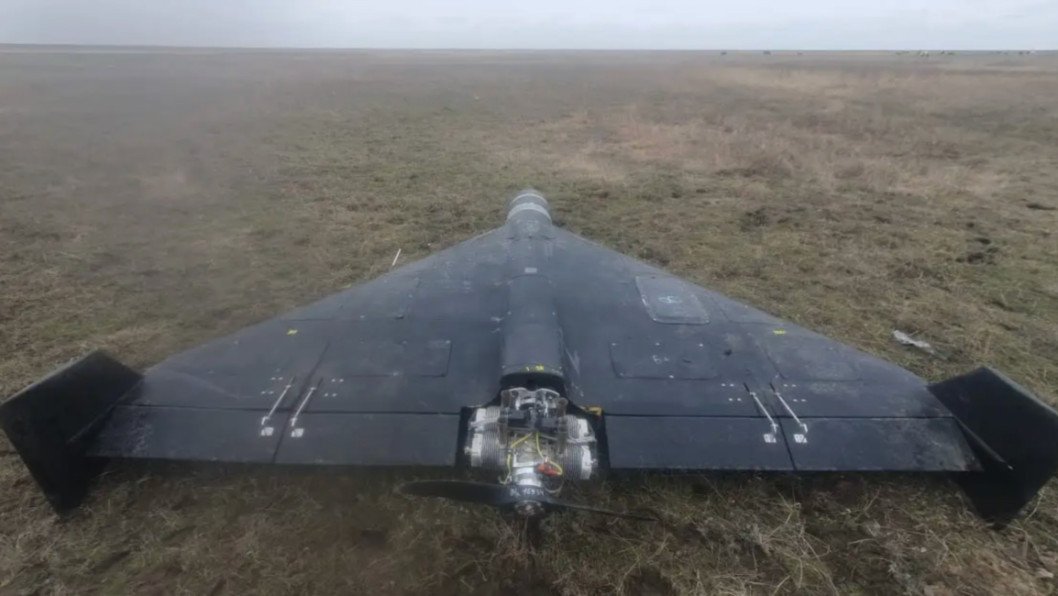
Sources familiar with the proposal said the measure is aimed at curbing the use of so-called “ownerless” SIM cards, which authorities claim are being exploited to coordinate drone attacks. The new protocol is expected to take effect in the near future.
Earlier, Russian authorities opened 2026 with another round of expanded internet controls, reinforcing the country’s standing as one of the world’s most restrictive digital environments.
Shortly after formally announcing the launch of Telegram restrictions, Roskomnadzor began, for the first time, deleting prohibited and blocked websites from the National Domain Name System, a framework established under the “sovereign Runet” legislation.
Discuss this article:
-4a56a6b482ec132402c16ef6fcabf9a2.png)

-72b63a4e0c8c475ad81fe3eed3f63729.jpeg "Photo of Cyril Barabaltchouk")

-111f0e5095e02c02446ffed57bfb0ab1.jpeg "Photo of Roman Kohanets")