- Category
- Latest news
Leaked Files Reveal Russia Testing Shahed Drones Abroad Using European SIM Cards
 Prefer U24 Media on Google
- Authors

-72b63a4e0c8c475ad81fe3eed3f63729.jpeg "Photo of Cyril Barabaltchouk")
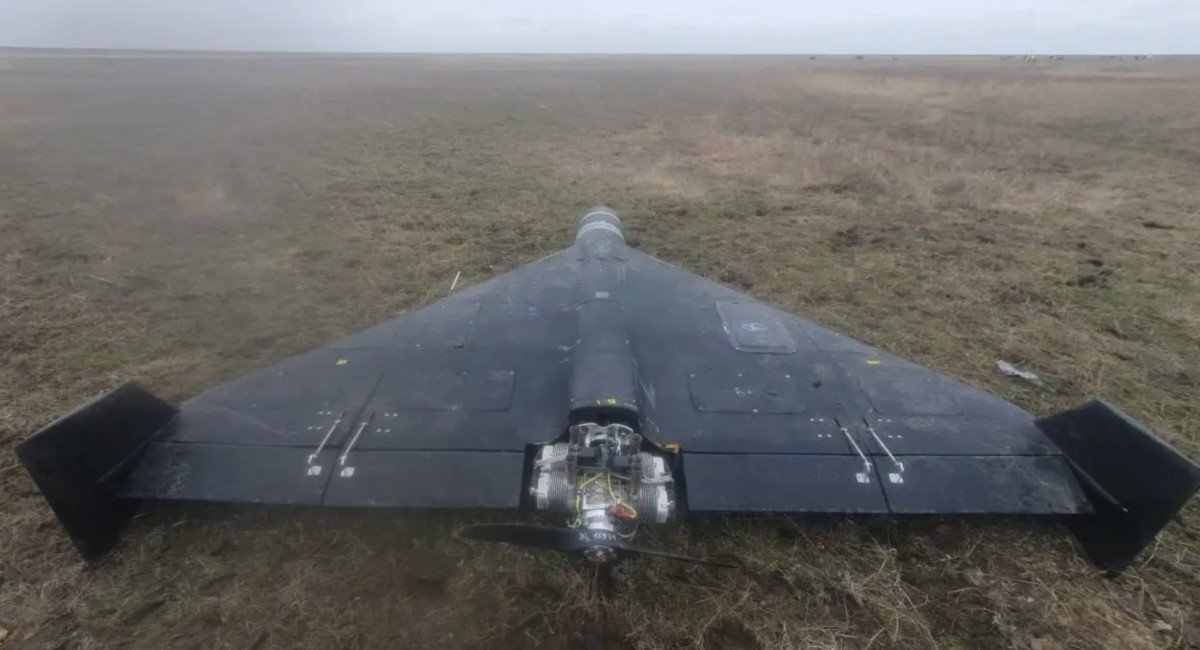
Russia has been intensifying its efforts to upgrade its Shahed drones, using covert methods that include testing them abroad and acquiring SIM cards from European mobile operators. Leaked documents from the Alabuga Special Economic Zone reveal that Russia has tested drones in countries such as Kazakhstan and Türkiye, the Molfar Institute reported on December 10.
These tests are part of a strategy to enhance the capabilities of Russian drones, which are increasingly used as a tool for sabotage and surveillance in the ongoing war in Ukraine and against European targets.
We bring you stories from the ground. Your support keeps our team in the field.
In March 2025, a drone resembling Russia’s Shahed was found in Kazakhstan’s Taskala district. The discovery raised concerns as it resembled a Geran-2 drone, a Russian version of the Shahed model, indicating that Russia is actively testing these drones outside its borders. The drone was found intact, sparking questions about its purpose and Russia’s broader drone testing activities. These drones, known for their use in airstrikes, are equipped with tracking devices that rely on SIM cards to transmit crucial flight data back to Russian operators.
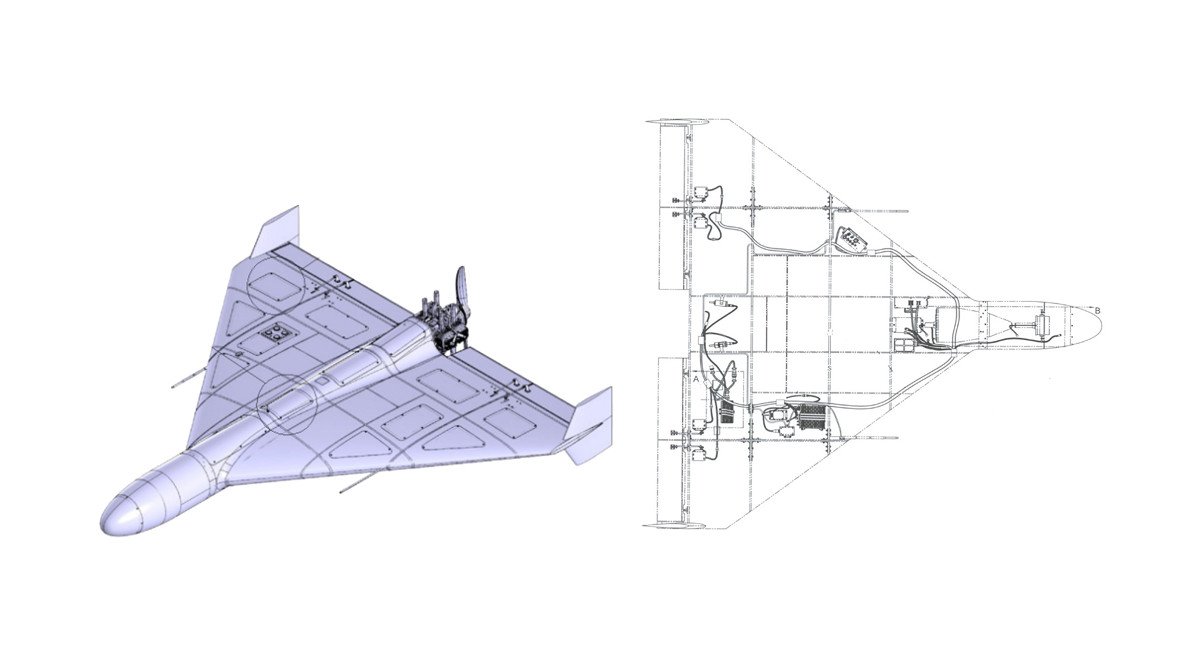
Shahed drones use SIM cards from European countries—including Ukraine, Poland, Romania, and Lithuania—to facilitate communication with their operators. These SIM cards, installed in the drones’ GPS trackers, enable the transmission of telemetry data, including speed and altitude, which helps Russia refine its drone operations and bypass air defense systems. This strategy also allows drones to relay photos and live video, providing operators with real-time data on their targets. Recent reports indicate that Russia is continuously improving the drones’ capabilities to enhance their effectiveness in disrupting infrastructure across Europe, according to the Molfar Institute.
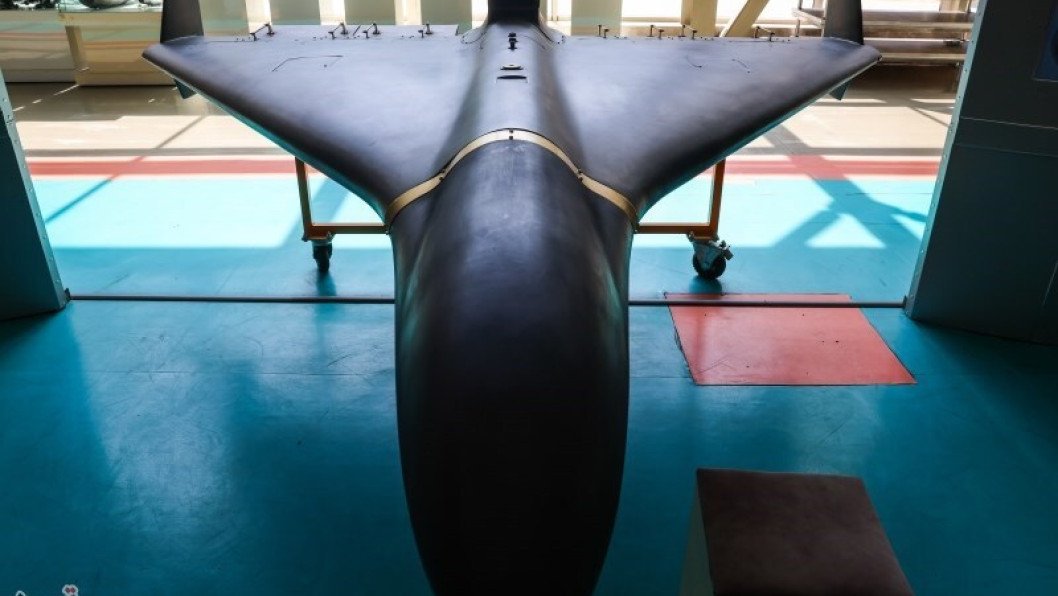
A key upgrade involves using foreign SIM cards for navigation and testing. According to the Molfar Institute, Russia has been acquiring SIM cards from European mobile operators to assess drone functionality across various regions.
This raises concerns as these drones could potentially be deployed against European countries, using mobile networks to control and monitor their movements. Additionally, this strategy highlights Russia’s increasing reliance on covert operations to test and refine its drone technology, with the goal of expanding its ability to carry out disruptive attacks on European infrastructure.
In 2024, Russian technician Timur Konovalov was sent to Kazakhstan to evaluate SIM card functionality in drones. This mission was part of an ongoing effort to test the functionality of trackers in drones, which are crucial for their navigation and operational success. This covert operation further emphasizes the expanding use of drones for intelligence-gathering and sabotage operations beyond Russia’s borders.
The growing use of these drones in military operations and their potential deployment in Europe signals a rising threat to the continent’s security, particularly as more reports surface of “unidentified” drones being spotted near strategic military sites across Europe, the Molfar Institute wrote.
Russia’s testing of Shahed drones abroad is not only a technological advancement but also a geopolitical maneuver that complicates European security. The use of foreign SIM cards and covert drone testing in countries like Kazakhstan and Türkiye points to Russia’s ability to exploit weaknesses in global communication networks and evade detection. With European countries already grappling with the threat of drone strikes, Russia’s increasingly sophisticated drone operations raise alarms about the potential for further attacks and the need for stronger defenses against such threats.
Previously, it was reported that Ukraine has for the first time used a domestically produced interceptor drone to destroy a Russian Geran-3—known internationally as the Iranian Shahed-238—during an overnight attack.
According to Defence Blog, the engagement was confirmed by the Serhii Sternenko charitable foundation, which supplies interception systems to Ukrainian frontline units.
In a statement cited by the outlet, the foundation said: “Tonight, our soldiers for the first time used Ukrainian-made Sting interceptor drones to shoot down several jet-powered Shaheds.”
Discuss this article:


-c439b7bd9030ecf9d5a4287dc361ba31.jpg "Photo of Katherina Popilnichenko")