- Category
- War in Ukraine
What Tech Will Define Warfare in 2026? Here’s What Insiders Say
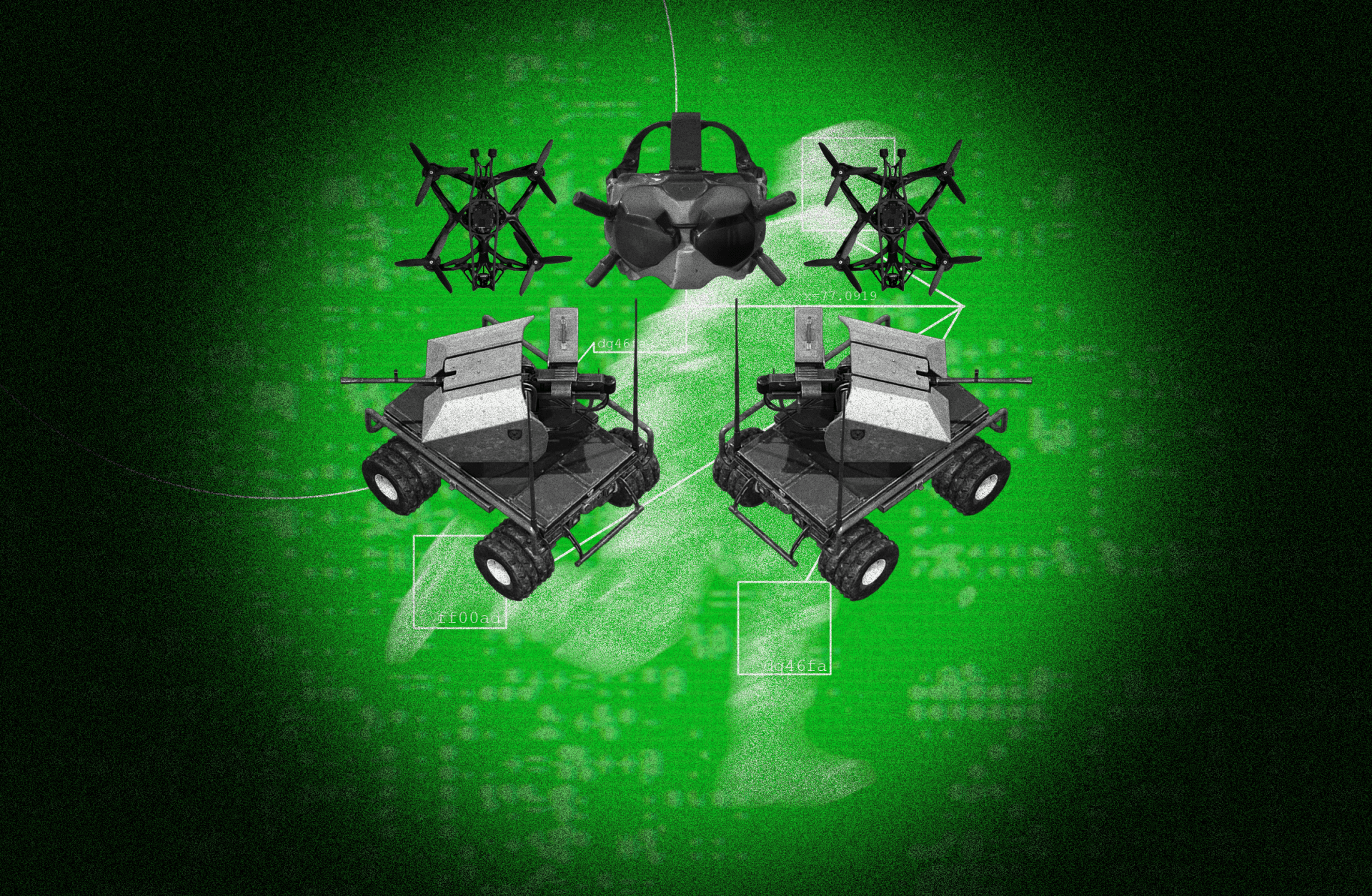
Over the past four years, Ukraine’s defense industry has transitioned from relative obscurity to the forefront of modern warfare. Both Ukraine and Russia are now developing and countering new technologies at a pace measured in weeks, not months. At the same time, Russia continues daily strikes, infiltration tactics, and information pressure, forcing Ukraine to adapt just as quickly on the battlefield and beyond.
 Prefer U24 Media on Google
- Authors


As the year comes to a close, I spoke with the individuals shaping this race and asked them which technologies they believe will matter most in 2026.
The future is machine
Yuriy “Fil” Filatov, head of the Unmanned Systems Department at the headquarters of the Third Army Corp, says the coming year will be shaped by four main pressures, beginning with cost. “Problem number one, which exists in any army, even in the United States, which is the richest country in the world, is always the problem of finances and resources,” he says. For 2026, he believes Ukraine must focus on “making technologies cheaper and scaling them in quantity,” moving away from a market crowded with prototypes and toward standardized systems that can be produced at scale.
The second pressure comes from the frontline itself. Russia has shifted heavily toward using small infantry groups to penetrate Ukrainian lines. “The Russian Federation has changed its tactics of warfare and uses the tactic of infiltration by infantry groups,” Filatov says. He argues that countering these units will require more drones and ground robots for detection and rapid strikes, supported by broader autonomy across the entire unmanned fleet. “We need mass production, we need autonomous systems where one operator controls a large number of unmanned systems at once,” he says, a technological leap that depends on stronger communications, AI-assisted control, and navigation.
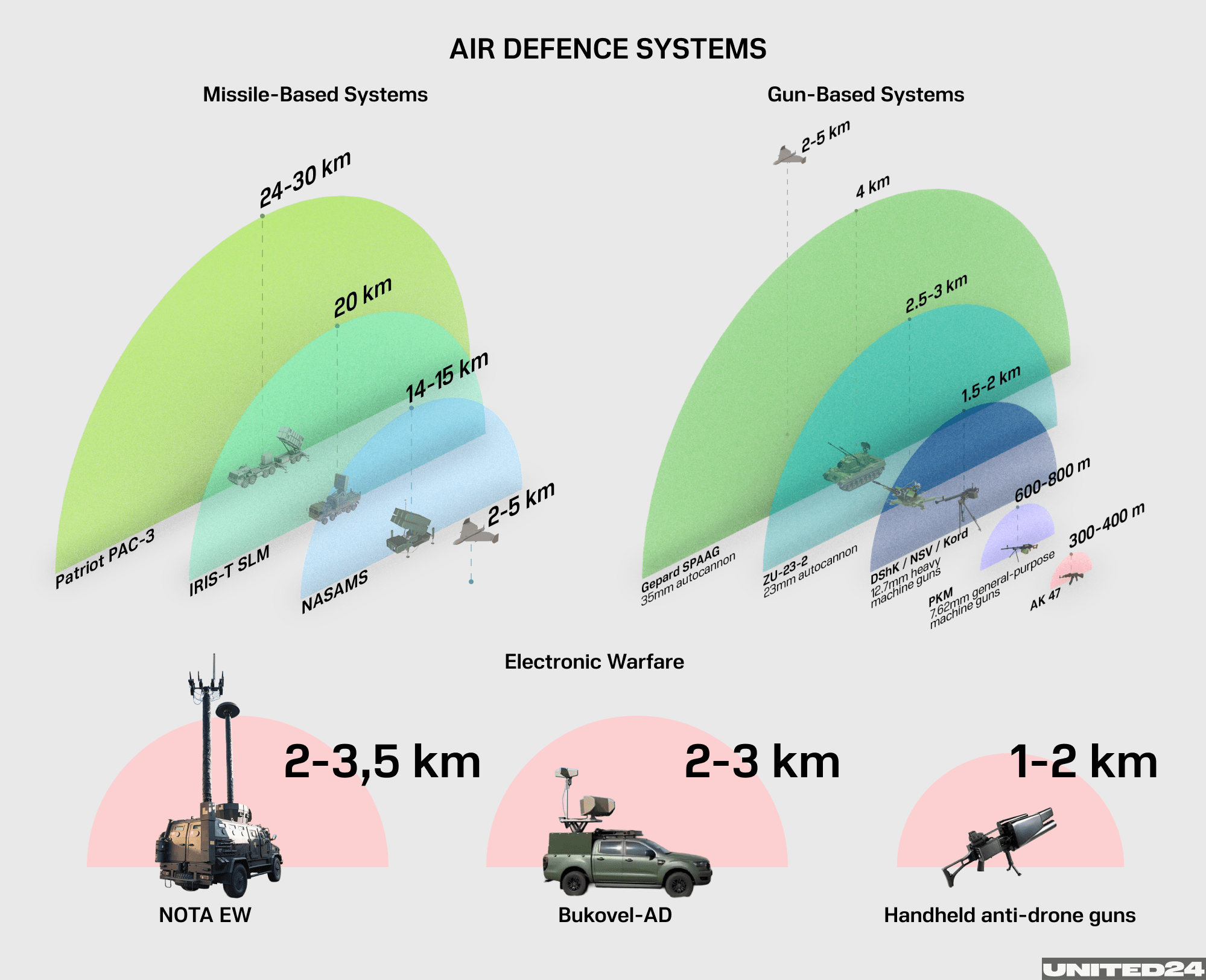
Air defense forms the third major need. Russia continues deep strikes against infrastructure and military sites, and Filatov expects Ukraine to expand its defensive systems accordingly. “The entire spectrum of air defense is the third point that will definitely develop,” he says, pointing to interceptors, artillery-based options, and missile systems that can better protect both frontline units and cities.
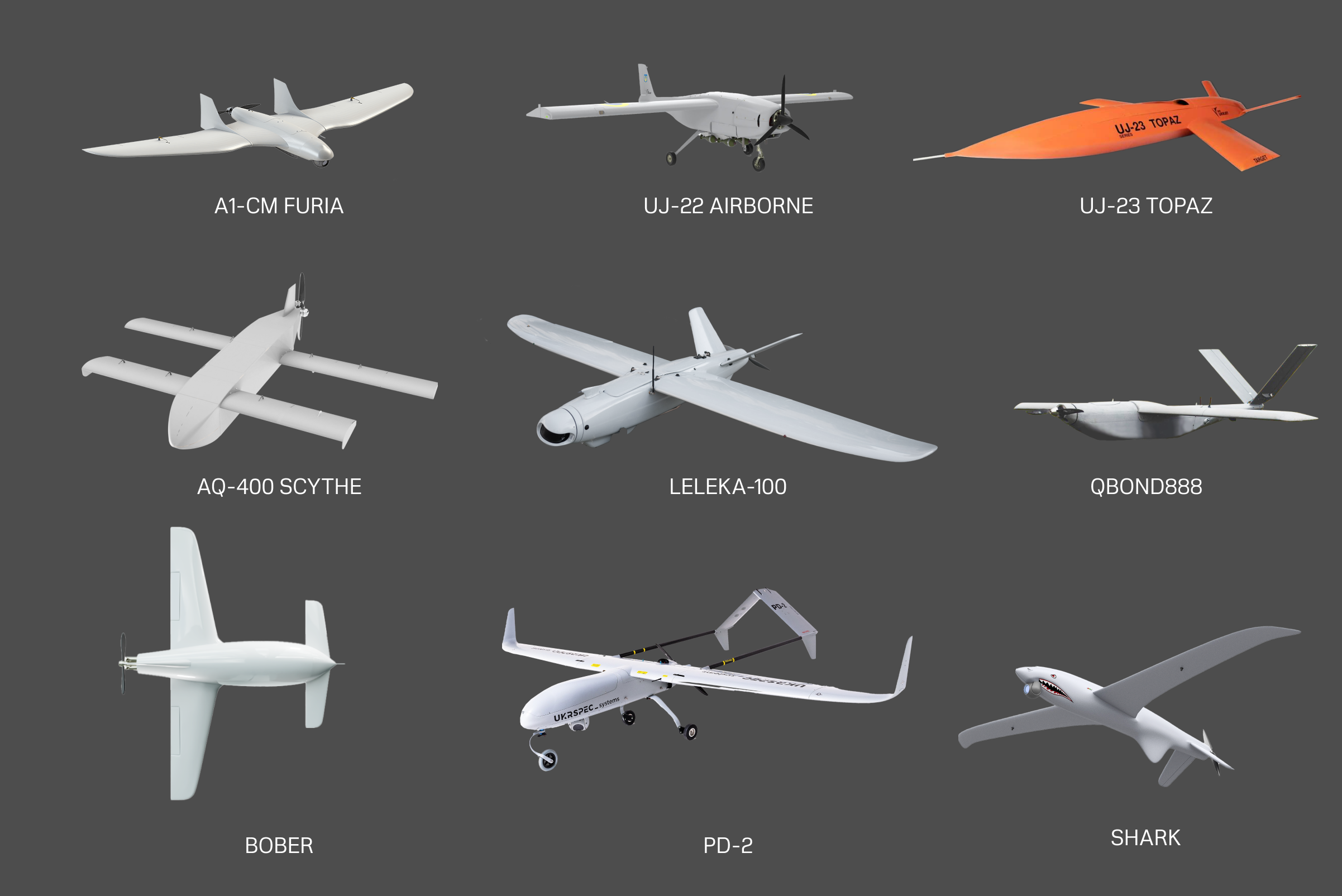
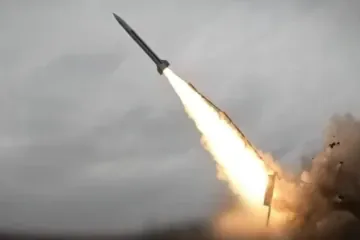
His fourth point is the capability for long-range strikes. Ukraine’s medium and deep-strike systems—cruise, ballistic, and improvised platforms—have been under development for years. Filatov believes they are nearly ready for full deployment. “I think that in 2026 we will already see in effective operation those systems that were developed and were announced by our defense-industrial complex,” he says.
Filatov also expects significant changes in logistics as both sides expand their use of mid and long-range fires, making traditional resupply and evacuation routes more vulnerable. “Logistics is very complicated,” he says, and Ukraine will have to adopt “alternative logistical systems… delivery, evacuation,” many of which remain undisclosed but are already being prepared for frontline use.
Drones, bombs, and signal jamming
Line Rindvig, CEO of Defence Builder, oversees the defense accelerator that helps Ukrainian teams turn prototypes into scalable systems. A Dane with years of volunteer experience in Ukraine, she is now pushing the program toward deeper European partnerships built around structured, long-term support for Ukraine’s defense sector.
As Defence Builder expands, Rindvig says its priorities come directly from frontline units. “We, Defence Builder (defense tech accelerator), rely on feedback from our defenders to help identify solutions in support of them. And right now, we have an open call for the solutions listed below from startups in Ukraine and Europe.”
She outlines three focus areas:
‘Low-sky’ kinetic kill technologies.
Interceptor drones for glide bombs.
Resilient communication networks for unmanned systems.
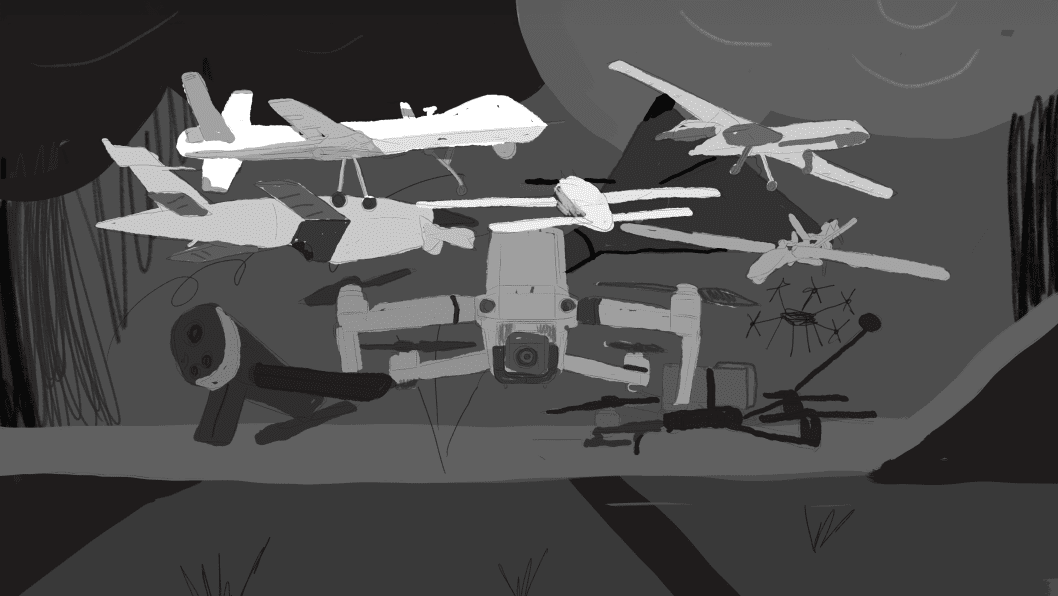
Her first point is indicative of the reality FPV drones have created for this war, especially the fibre-optic variants that resist electronic warfare and create a “kill zone” that expands dozens of kilometers from the frontline.
“One of the most critical focus areas for defense technologies is countering the constantly growing threat from the ‘low sky’,” she says. The goal is to keep the infantry alive. “We need to protect our very exposed infantry and other key frontline units. We need technologies that can defeat enemy FPV drones through kinetic kills—be it interceptors or anti-drone ammunition.”
Glide bombs form the second focus area for Rindvig. These Soviet-era munitions, fitted with wings and GPS guidance, range from 500 to 3,000 kilograms, and Russia appears to have an almost endless supply of them. They are hard to find on radars and, therefore, are hard to intercept, causing major damage to frontline cities and positions.
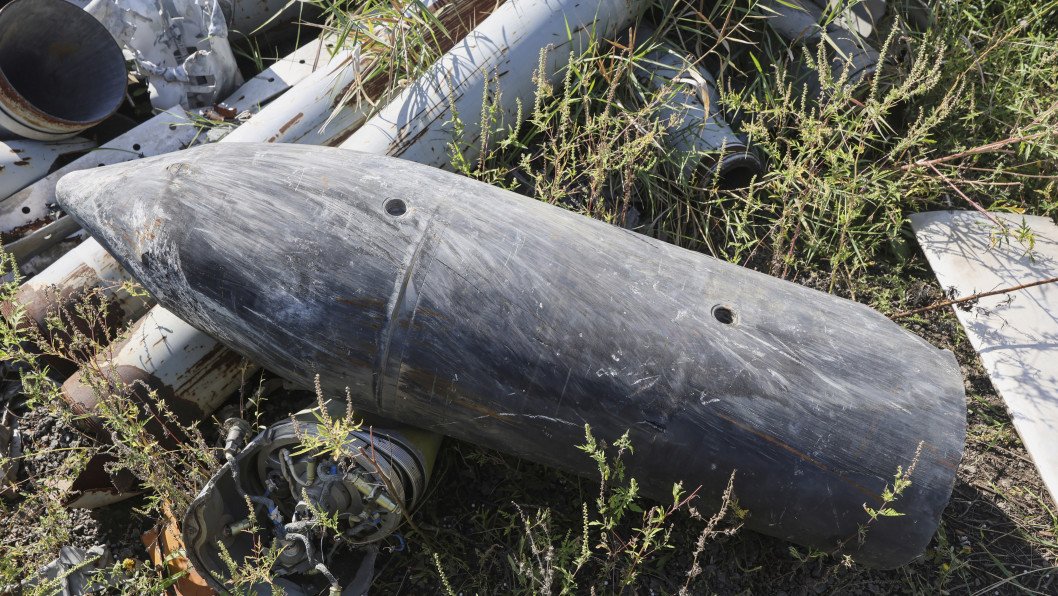
“Another key focus area should be on interceptor drones that can defeat a rapidly growing number of glide bombs on the frontline,” she says. “It’s fundamentally shaping battlefield dynamics right now and a real threat to both our defenders’ positions and the civilian areas.”
The third is the resilience of communications networks, an issue that determines whether unmanned systems remain functional under Russian jamming.
“Lastly, we also need to focus on maintaining stable, resilient communication for in particular UGVs, but also UAVs… It’s non-negotiable,” she says. “We must find reliable connectivity, especially through advanced mesh networks.”
AI race
Brave1, Ukraine’s state-backed defense-tech platform, is now one of the main drivers of the country’s wartime research and development. More than 200 companies operate inside its ecosystem, working across drones, autonomy, software, and precision systems.

Brave1 has placed artificial intelligence at the center of its 2026 strategy. “Ukraine is fighting an enemy larger in manpower and resources, so maintaining a technological edge is existential,” a representative said. “But this is also a race: Russia is actively developing its own AI-driven systems… AI is our strongest ally in staying ahead.”
Companies are developing autonomous target identification tools, rapid data-analysis systems, optical navigation systems, precision-guidance modules, demining automation, and 3D terrain modeling. Much of this activity is concentrated around drones.
“Autonomous drones can complete missions even under signal loss or active jamming,” Brave1 said. “AI allows them to hold target lock, navigate independently, and finish the job when traditional systems fail.” The next step is drone swarming, where “AI enables groups of drones to coordinate in real time, communicate, understand their spatial position, and operate as a collective.”
AI is on Ukraine’s side. Over 200 companies within Brave1 are already developing AI solutions. Next milestone - significant increase in mission autonomy through AI. To achieve this, Brave1 is launching new grant competition with funding up to 100 mln UAH (2.4 USD) for 1 solution. pic.twitter.com/xO4ksDxKZb
— BRAVE1 (@BRAVE1ua) September 5, 2025
AI is also changing how fast commanders can process information and act on it. “What used to take analysts hours or even days … AI now performs in minutes,” they say. “For commanders, this means faster decisions and far more precise operations.”
To accelerate adoption, Brave1 and the Defense Ministry have launched a dedicated AI competition. “Budgets of up to $2.5 million” will fund “autonomous drones, thermal and guidance modules for interceptors, AI against Russian glide bombs, and simulation environments for training AI-enabled combat systems.” Many of the strongest teams in these fields, they say, “actually started at Brave1 hackathons and pre-seed competitions.”
AI will shape how Ukraine plans, targets, and executes missions next year, says Brave1. “The potential of AI in defense is enormous, not only to increase the efficiency of our military operations, but to change the balance of power on the battlefield altogether. In 2026, the army that masters autonomy, real-time data, and machine-speed decision-making will define what modern warfare looks like. Ukraine intends to be this army.”
Robots and lasers
The next major shift will happen on the ground, says Viktoria “Tori” Honcharuk, director of defense tech at the Snake Island Institute. For her, strike UGVs are already demonstrating their value. “Strike UGVs are already deployed in several brigades, and even though it’s still small-scale, they’re proving to be genuinely game-changing technology,” she says.
Honcharuk expects that Unmanned ground vehicles will leap into the forefront of armed conflict. “We’re going to see more robotic systems taking over fire suppression, holding positions, clearing trenches, and supporting assaults. By the end of next year, we’ll probably see UGV-vs-UGV engagements on the battlefield.”
She argues that UGVs are easing Ukraine’s manpower burden. “Strike UGVs, and UGVs in general, are solving the problem of limited manpower. They won’t replace troops entirely, but they reduce the number needed to hold a square of land.” She points to precision fire from remote machine-gun platforms, explosive ground systems that can “destroy large fortifications or significant logistical routes (bridges),” and logistics UGVs that remove the need to send resupply teams into exposed areas.
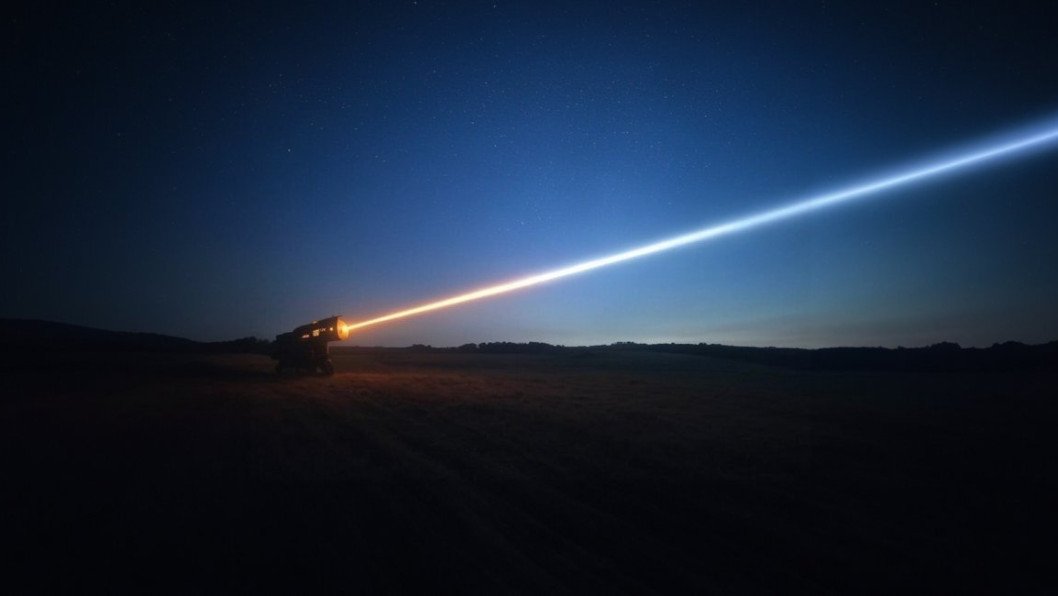
Honcharuk says counter-drone technology must advance in parallel. “When it comes to existing technology, we need to move towards smaller cost-per-kill and cheaper cost per shot,” she says. Directed energy is one option: “One thing in development for some time is laser-based technology for counter-UAS. Long shot, but might be a significant achievement if someone makes a smaller laser-based C-UAS system.”
Much of her hope is invested in systems that are still being tested out and the quantity needed for any influence on the battlefield. “The baseline is if we need to get rid of enemy drones, whether it’s high-speed turrets (none existing currently), laser-based destruction, small, cheap rockets, or directional high-power microwave systems. [These systems] will be a game-changer and a huge momentum [booster] for us.” The payoff is obvious. “C-UAS takes out our other biggest issue: drones.”
Scaling non-traditional air defense
Europe is already experiencing the consequences of Russia’s drone war, says Kateryna Mykhalko, Director-General of Tech Force in UA. “This year, the Russian drones have already violated the airspace of nine EU states… as well as Moldova, an EU candidate country. In other words, nearly one-third of EU member states.” Moldova even summoned the Russian ambassador after the latest incident. For her, the lesson is direct: “Europe should have learnt to protect itself effectively against new threats, particularly hostile drones.”
💥 Ukraine has for the first time used a domestically produced interceptor drone to destroy a Russian Geran-3 during an overnight attack.
— UNITED24 Media (@United24media) November 30, 2025
🔗 https://t.co/2Tj8C7IK7j pic.twitter.com/eoT7v8hGJG
She identifies interceptor drones as the segment advancing most rapidly. “This type of drone is currently among the most cost-effective ways to shoot down Russian drones, and its use is significantly cheaper than traditional air-defense systems.” Zelenskyy has cited their success rate at 68%. Mykhalko says improving this, scaling production, and building an ecosystem around them will be central in 2026. Companies inside Tech Force in UA producing interceptors include TAF Industries, Quantum Systems, SkyFall, General Cherry, and Warbirds.
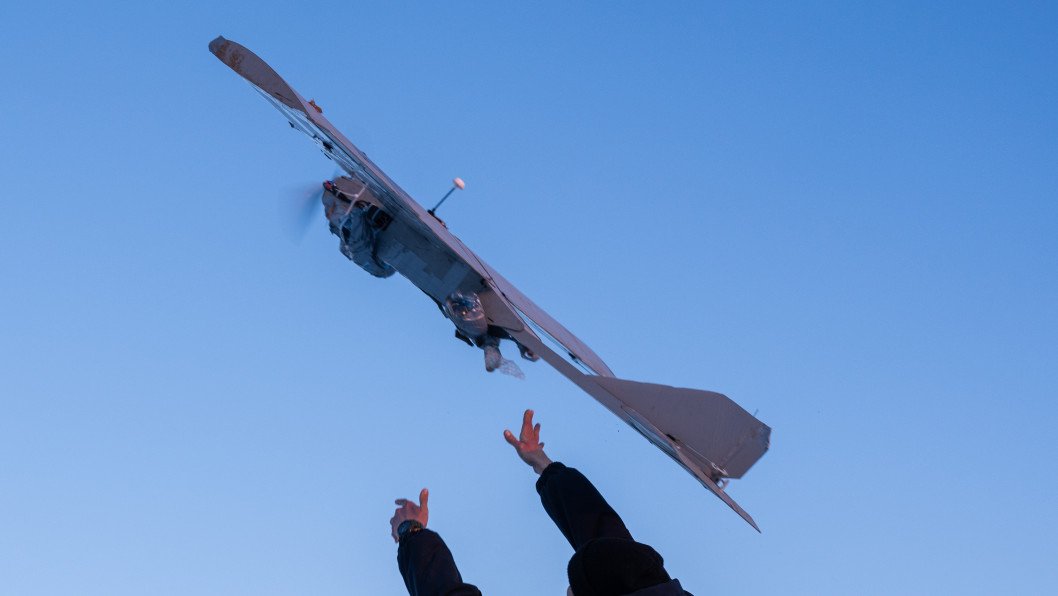
Their utility is practical. “They can quickly and precisely destroy enemy spotters and reconnaissance drones, and they remain effective even in environments where the use of anti-drone rifles is limited.” Development remains fast-paced. “According to the companies developing interceptor drones, their current focus is on continuously improving terminal guidance and automation, training personnel, and enhancing both components and overall system performance.”
As the scope of Russian drone attacks widens, she says demand will grow in parallel. “Ukrainian manufacturers must consistently scale up interceptor production and train more pilots capable of effectively countering this threat.”
Discuss this article:
-ee9506acb4a74005a41b4b58a1fc4910.webp)




-c439b7bd9030ecf9d5a4287dc361ba31.jpg "Photo of Katherina Popilnichenko")