- Category
- Latest news
New Russian Jet Drone Mimics Cruise Missile—and It’s Already Hitting Ukrainian Cities
 Prefer U24 Media on Google
- Authors




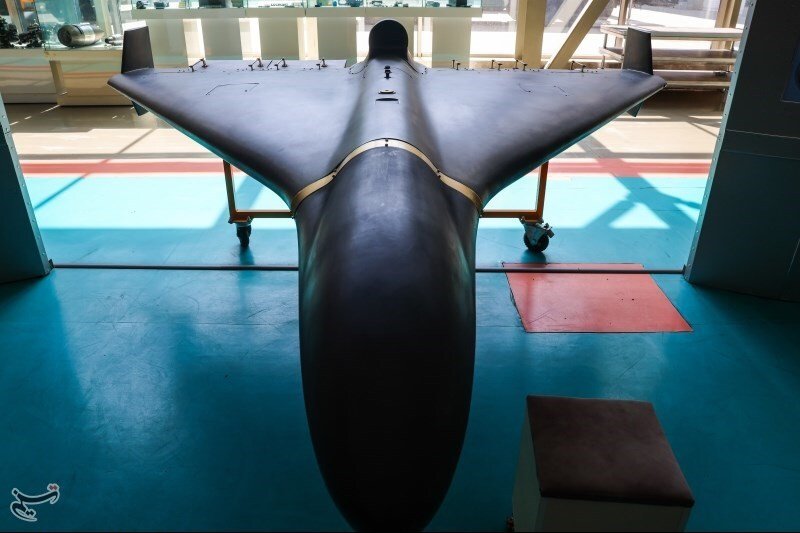
Russia has ramped up its use of jet-powered attack drones in assaults on Ukrainian territory, according to the Ukrainian Air Force on July 31.
The military reported that these types of drones were used during a combined aerial strike in the early hours of July 31, although the exact number deployed remains unknown.
Ukrainian forces also confirmed that during the night of July 30, Russia used at least eight of these jet-propelled drones in northern regions, alongside traditional Shahed drones and decoy UAVs.
Ukrainian officials believe the drones are a Russian-localized version of Iran’s Shahed-238, rebranded as the Geran-3. These jet-powered drones are believed to have already been used in past strikes on Kyiv.
The first reports of Russia’s possession of this drone model emerged in February 2025. In late June, remnants of a Geran-3 drone bearing serial number U-36 were discovered, suggesting that small-batch production is already underway.
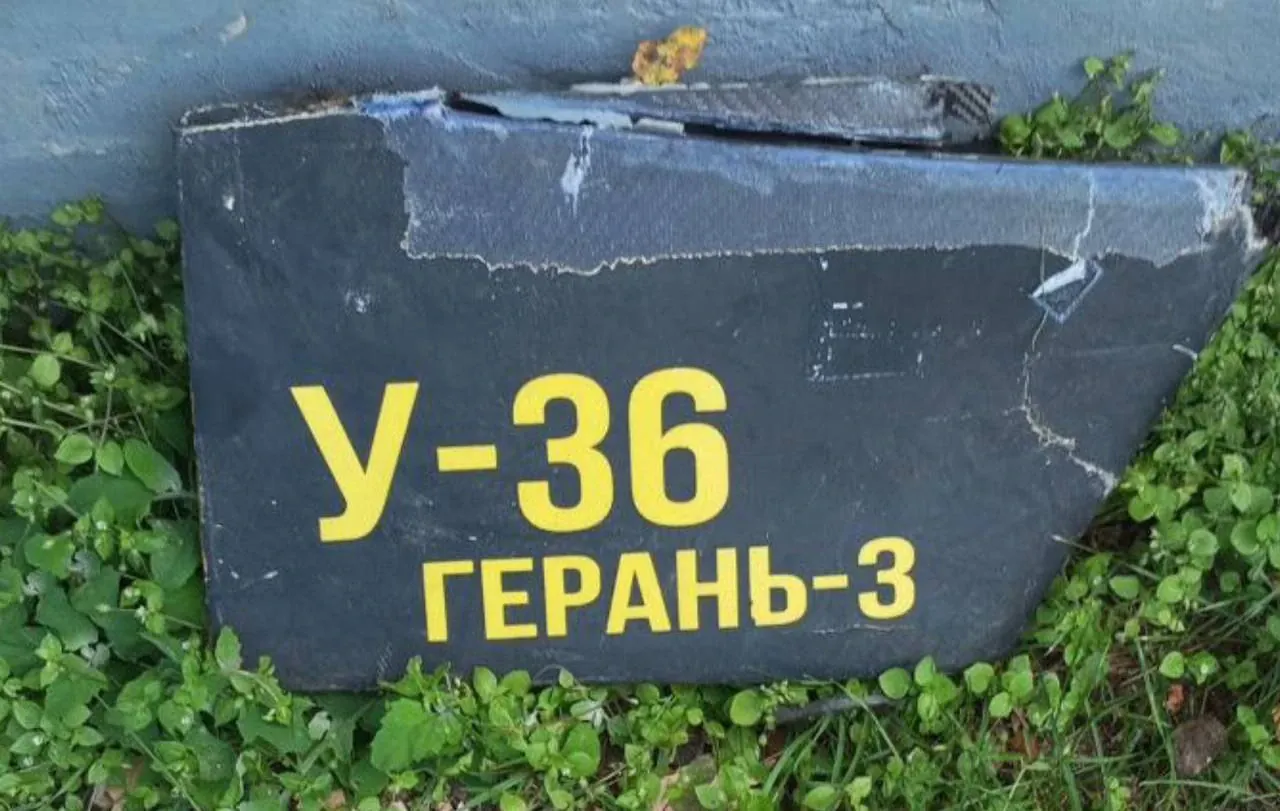
Jet-Powered, locally assembled, and built for speed
According to Ukrainian defense media outlet Militarnyi, the Geran-3 is approximately 3.5 meters long with a 3-meter wingspan and can fly up to 9.1 kilometers (about 30,000 feet) in altitude.
The drone has a flight endurance of roughly two hours and a takeoff weight of 380 kilograms, substantially heavier than the earlier Geran-2 (Shahed-136), which weighs around 250 kilograms.
Iran’s Aerospace Sciences and Technology University, Ashura, first unveiled the original Shahed-238 jet drone in November 2023. However, leaked documents suggest that Russian officials from the “Alabuga” project had already evaluated the prototype back in April 2023, alongside other UAV systems.
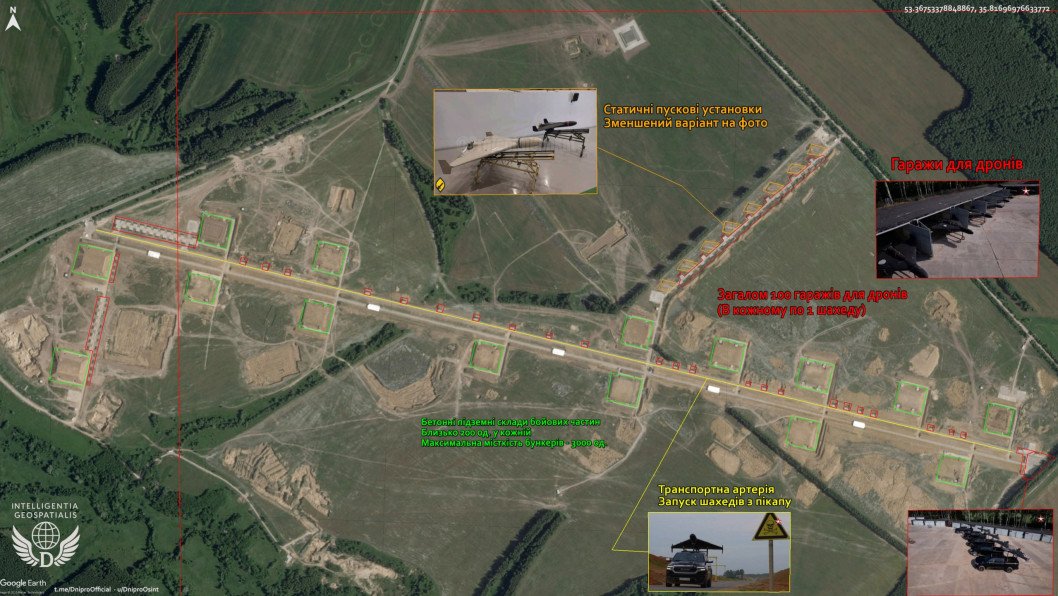
In those classified reports, Iranians offered to supply up to 100 jet drones per month, beginning in the third quarter following a confirmed order. At the time, Russian evaluators praised the systems, noting that they could be assembled in Alabuga using existing production lines for older drones, such as the Shahed-136.
During a test demonstration, the jet-powered drone reached speeds of up to 600 km/h (373 mph). One Russian report described the platform as functionally closer to a cruise missile than a drone: “The ‘boat’ successfully took off, completed its mission, and landed via parachute. Given its high speed, the ‘boat’ is effectively a cruise missile. Its key advantage lies in its ability to strike high-value targets quickly.”
The cost of speed: high tech, high price
The Geran-3’s speed and altitude give it serious advantages over Ukraine’s current air defenses, which rely heavily on intercept drones, light aircraft, helicopters, and mobile ground fire teams—none of which are effective against fast, high-flying targets.

If flying at 9 kilometers altitude, intercepting the Geran-3 would require either advanced fighter jets or large surface-to-air missile systems.
The drone’s high speed also reduces reaction time and makes interception at the final approach stage much more difficult. At that range, even heavy anti-aircraft artillery systems with radar guidance and programmable munitions are required.
However, these systems are costly and scarce. One 35mm programmable round, for example, can cost over $1,000. They’re also relatively rare among Ukraine’s Western allies and take time to manufacture and deploy.
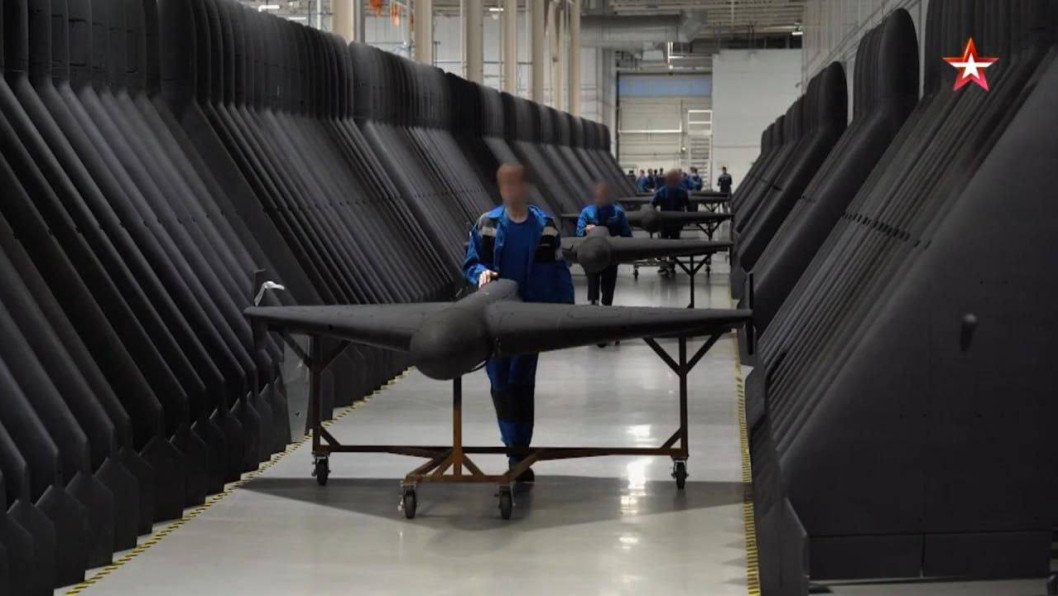
But the Geran-3 also poses a challenge to produce. Its speed and performance require more robust airframes and precision-engineered guidance mechanisms, far beyond what’s needed for slower drones like the Shahed-136. It also relies on expensive, less readily available jet engines.
In leaked Iranian documents, the initial asking price per drone was $1.4 million—a massive increase over the cost of conventional Shahed drones, which are estimated to cost between $20,000 and $50,000. While negotiable, the cost underscores the drone’s complexity and its limited production scale.
Earlier, reports emerged that Russian drone attacks have become significantly more effective in recent months.
Ukrainian Air Force officials state that from April to June, around 15% of Russian drones managed to reach their targets—a sharp increase compared to just 5% in the first quarter of the year.
Discuss this article:



-c439b7bd9030ecf9d5a4287dc361ba31.jpg "Photo of Katherina Popilnichenko")